


NEWS
Categories List
Recent Posts

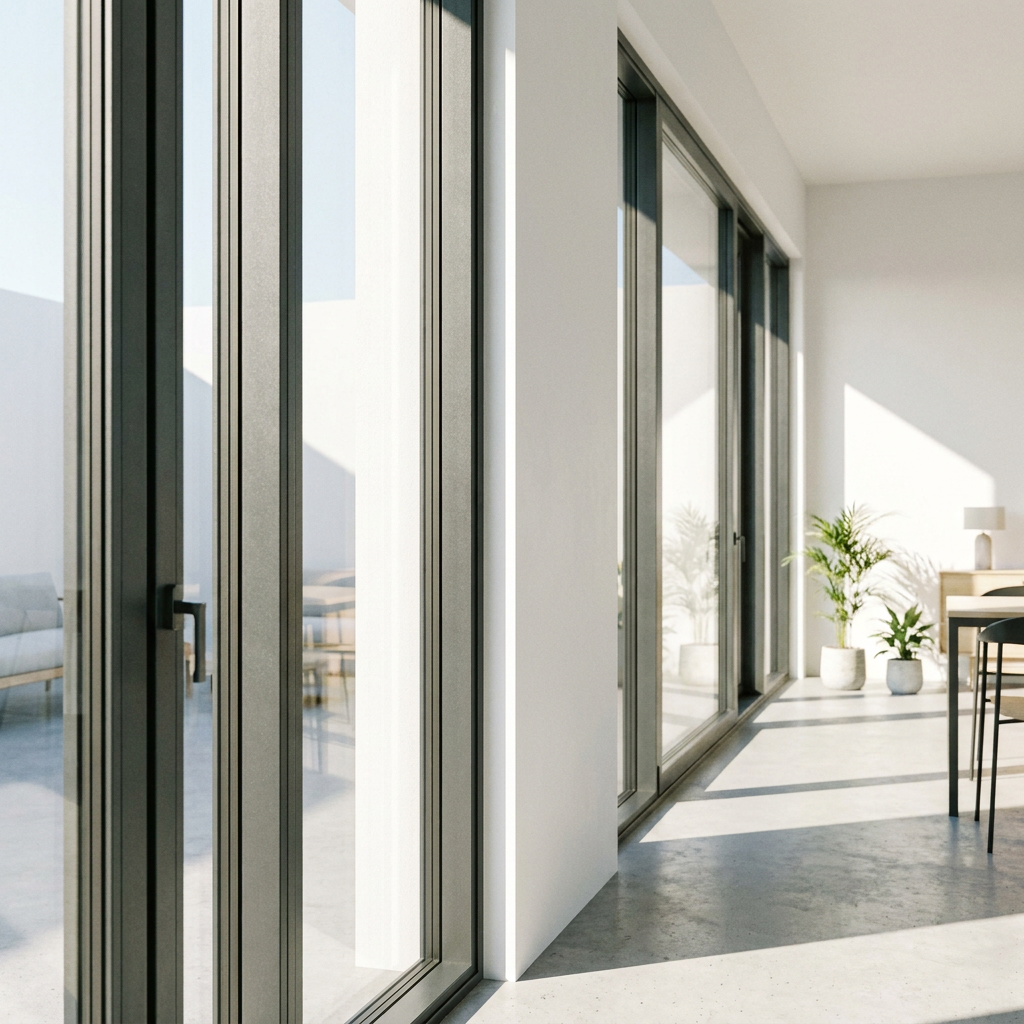

When bifold glass doors become hard to close, stop forcing the handles and locate where the resistance begins. Grit in a running track, a dropped panel, and a misaligned lock require different repairs. Repeated pressure can damage rollers, distort locking components, or put stress on the glass edge. Start with cleaning and observation, then adjust hardware only after identifying the door system and its adjustment procedure.
A useful first distinction is whether the panels resist movement throughout their travel, catch at one position, or move freely until the lock engages. That pattern narrows the investigation before any settings are changed.
Locate the resistance before adjusting anything
With the door unlocked, move the panels slowly through their normal folding sequence. Keep fingers clear of hinges and panel junctions. Stop if a panel becomes unstable, a roller appears displaced, or glass touches metal. Note the first point of resistance and look for fresh scrape marks, polished metal, compressed seals, or an uneven gap around the opening.
Confirm that the opening sequence is correct. Some configurations require the traffic door to close in a particular order, with intermediate panels fully straightened before bolts engage. An incorrectly positioned panel can imitate a hardware fault.
Clear the running path without creating another problem
Vacuum loose dirt from accessible tracks, corners, and locking sockets. Use a soft brush to loosen compacted grit, then wipe exposed surfaces with a damp cloth and a cleaner approved for the finish. Building dust, small stones, and hardened decorating residue deserve particular attention after renovation work.
Identify which track carries the panel weight. On a bottom-running system, debris in the lower running surface directly affects the load-bearing wheels. On a top-hung system, a dirty bottom guide can still cause binding, but cleaning it will not resolve a failing overhead carriage.
Keep drainage openings clear without changing their shape or pushing debris farther inside. Avoid flooding the track or using pressure washing around bearings and seals. Remove only accessible debris; a concealed obstruction may require removal of a cover according to the system instructions.
Lubrication must match the component. Some rollers have sealed bearings, while certain guides are designed to run dry. Apply lubricant only where the hardware manufacturer specifies it, using the recommended type. Oil or grease spread over a running channel can retain abrasive dirt. Seal treatments also need approval for the particular rubber or polymer.
Separate panel misalignment from worn hardware
After cleaning, compare the gaps between adjacent panels and around the frame. A gap that narrows progressively toward one corner suggests that a panel is out of square or has shifted relative to its neighbours. Local rubbing with otherwise consistent gaps points more strongly toward a displaced fitting, damaged seal, or track defect.
Inspect accessible hinge fixings and carriage connections for looseness, movement, or wear. Tighten serviceable fixings only to the specified torque. A screw that turns without securing the fitting needs investigation of its thread or fixing substrate; repeated tightening will not restore a stripped connection.
Before touching an adjustment screw, identify its function. Similar-looking screws can control height, lateral position, locking, or component retention. Support heavy panels using the prescribed method, record the original setting, and make small changes within the stated adjustment range. Recheck the complete folding and closing movement after each change.
Raising one panel can improve threshold clearance while upsetting hinge alignment or lock engagement elsewhere. Avoid correcting several points at once: the result becomes difficult to diagnose, and an adjustment can conceal wear in another component.
A roller that remains rough after cleaning, has visible damage, or develops excessive play generally requires replacement with a compatible part. Match the carriage design, load rating, mounting details, and track profile. A wheel that merely fits inside the channel is not sufficient.
If the sash has lost its shape because the glazing support has shifted, hinge adjustment alone will not provide a durable correction. Repositioning glazing packers requires the correct glazing procedure and specialist handling. Do not remove beads or attempt to lever a glass unit back into position during routine hardware servicing.
When the panels close but the lock will not engage
Lock resistance often becomes apparent at the final handle movement. Inspect the keeps and shoot-bolt sockets for debris, witness marks, and vertical or lateral misalignment. Never use the handle to pull a visibly displaced panel into position.
If the system instructions permit operating the lock with the traffic door open, compare its movement open and closed, keeping projecting bolts clear of the frame. Smooth operation when open but resistance when closed directs attention toward alignment, keeps, and compression. Resistance in both positions points toward the lock mechanism or its linkage. Return all bolts to their retracted position before closing.
Move a keep only after confirming panel alignment. Enlarging a socket or shifting a keep to accommodate a dropped panel can compromise engagement and leave the underlying fault unresolved. Verify the specified bolt engagement after adjustment, rather than accepting a handle that simply feels easier.
Also inspect weather seals for folded corners, sections pulled from their grooves, and incompatible replacement profiles. A seal with an oversized compression section can prevent closure even when panel alignment is correct. Reseat an undamaged seal as specified; replace torn or permanently distorted sections with the correct profile. Do not trim seals merely to reduce closing force.
Persistent binding can originate in the opening
If several panels bind along the same edge, examine the frame before making further individual adjustments. Measure frame level, plumb, and diagonals against the installation requirements, and look for a bowed threshold or head. Measurements taken only at the corners can miss deflection between fixing points.
Record whether the problem follows direct sun, seasonal temperature changes, or recent building work. Aluminum frame expansion and movement in surrounding construction can consume working clearances. A door that closes after cooling still needs assessment if routine conditions repeatedly cause contact. Keep structural fixings and threshold support changes within an appropriate installation repair scope.
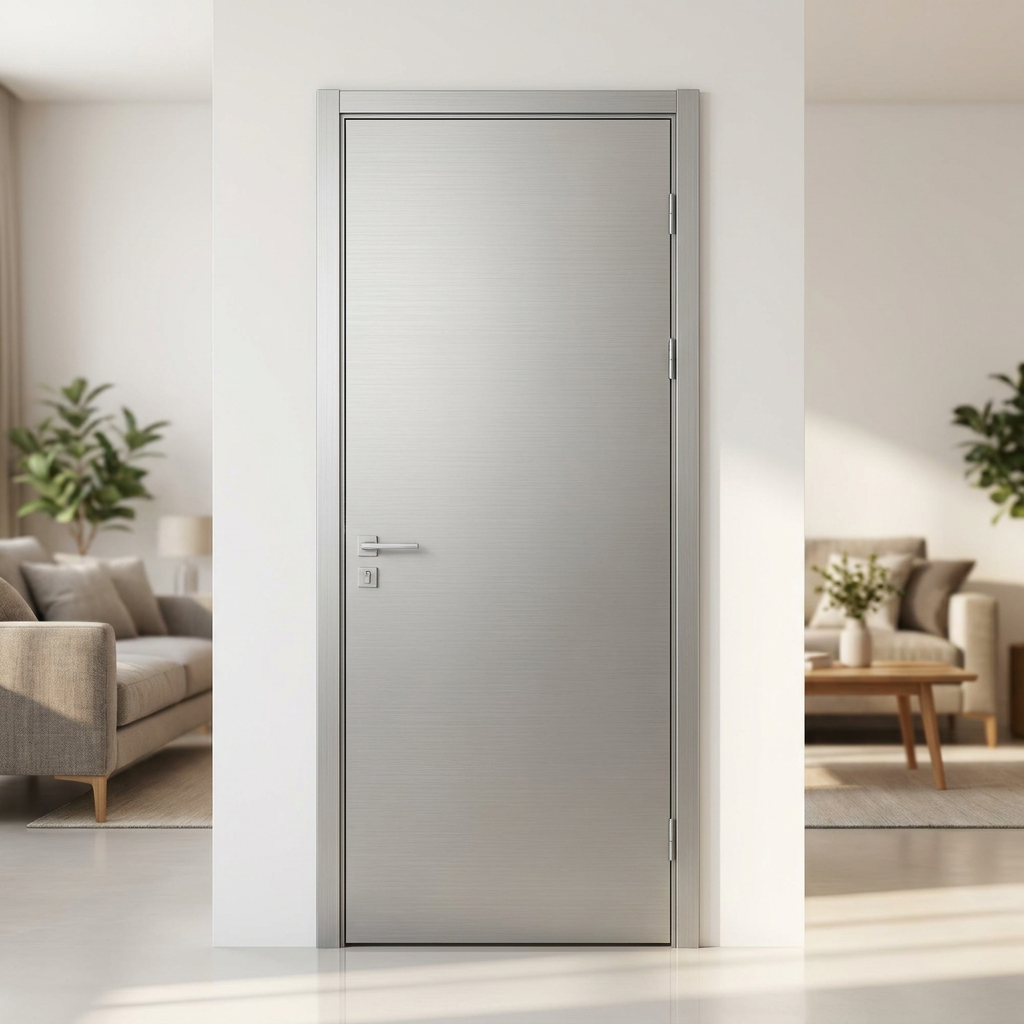
Repair methods must also match the door construction. An interior swing product such as Wooden Waterproof WPC Wood Door Interior Room Door Bedroom Solid Wooden Door Soundproof Home Hotel Apartment Office Construction Project, identified as model WD-A004, has a different operating arrangement from a glazed bifold assembly. Edge trimming or hinge remedies used on an interior swing leaf should not be transferred to aluminum bifold profiles, which contain glazing pockets, seals, and hardware interfaces.
Verify the repair through the complete closing sequence
Operate the full panel set through several controlled cycles. Confirm smooth travel, consistent clearances, correct panel order, secure locking, and seated seals. Include the traffic door and every intermediate bolt; testing only the main handle can miss a remaining fault.
Record the original symptom, parts replaced, and adjustments made. If binding returns quickly, adjustment travel is exhausted, or glass clearance remains uncertain, arrange assessment by the door-system specialist with photographs and the hardware identification. Stop operating a door with cracked glass, loose load-bearing hardware, or a displaced carriage until it has been secured and repaired.
Leave A Reply
Need More Details?
Contact me for details on creating and managing design projects, project features, and services and prices