


NEWS
Categories List
Why Aluminum Doors Are Gaining Ground in Contemporary Home Design
The rise of Aluminum Doors is not really about fashion. It is about performance becoming visible to the buyer. In residential projects, especially where homeowners want larger openings, slimmer sightlines, better thermal behavior, and less maintenance over time, aluminum has moved from a niche specification to a mainstream design decision. That matters to anyone making sourcing, product-line, or project-planning decisions in home furnishings, because the door is no longer judged only as a finishing item. It is now part of the building envelope, part of the visual identity of the home, and part of the long-term operating cost.
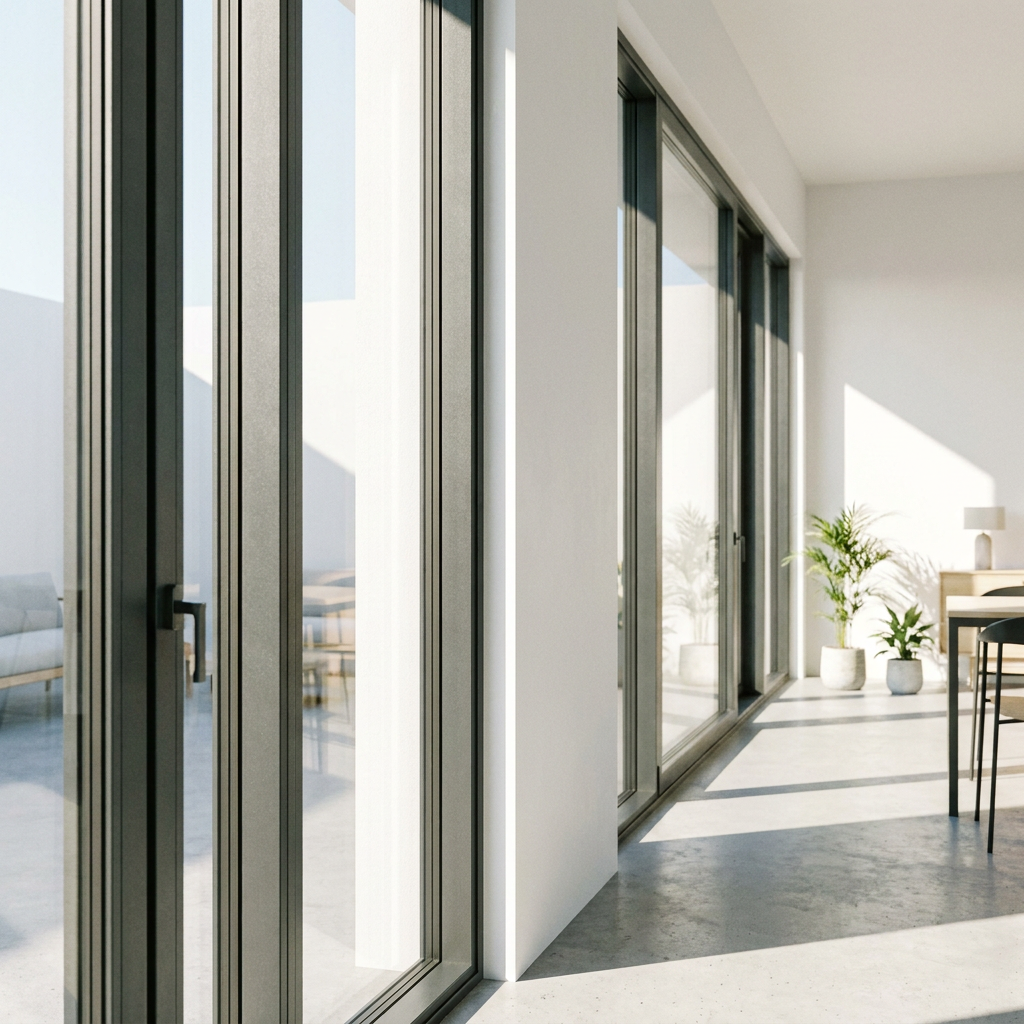
A common misunderstanding is that aluminum doors gained popularity simply because they look modern. The look helps, but it is not the whole story. What changed is that the material now answers several demands at once: narrow frames for contemporary architecture, enough structural stability for larger glass areas, compatibility with insulated glass, and surface finishes that hold up better than many buyers expect. In practical terms, aluminum works well when a project needs sliding systems opening onto terraces, folding doors linking interior and exterior zones, or casement and swing doors that need to stay dimensionally stable through seasonal changes.
That last point deserves attention. Compared with wood, aluminum is generally less vulnerable to swelling, warping, or maintenance cycles driven by moisture and sun exposure. Compared with some other frame materials, it is often chosen when designers want cleaner geometry and a more minimal frame profile. But none of that means all aluminum doors perform equally. The market has become more sophisticated, and buyers increasingly ask better questions: Is the frame thermally broken? What glazing is used? How well does the system manage air infiltration, dust, wind load, and acoustic control? Those questions separate a visually attractive product from one that performs well in lived spaces.
This is where the category has matured. Earlier conversations around aluminum often focused on strength and appearance, while concerns about heat transfer limited adoption in some segments. Today, thermal break construction has changed the discussion. By interrupting the conductive path through the frame, a thermal break helps improve insulation performance, which is especially relevant in climates with large indoor-outdoor temperature differences. When paired with Low-E or double-pane tempered glass, an aluminum door can support a much more balanced specification: modern aesthetics without treating energy performance as an afterthought.
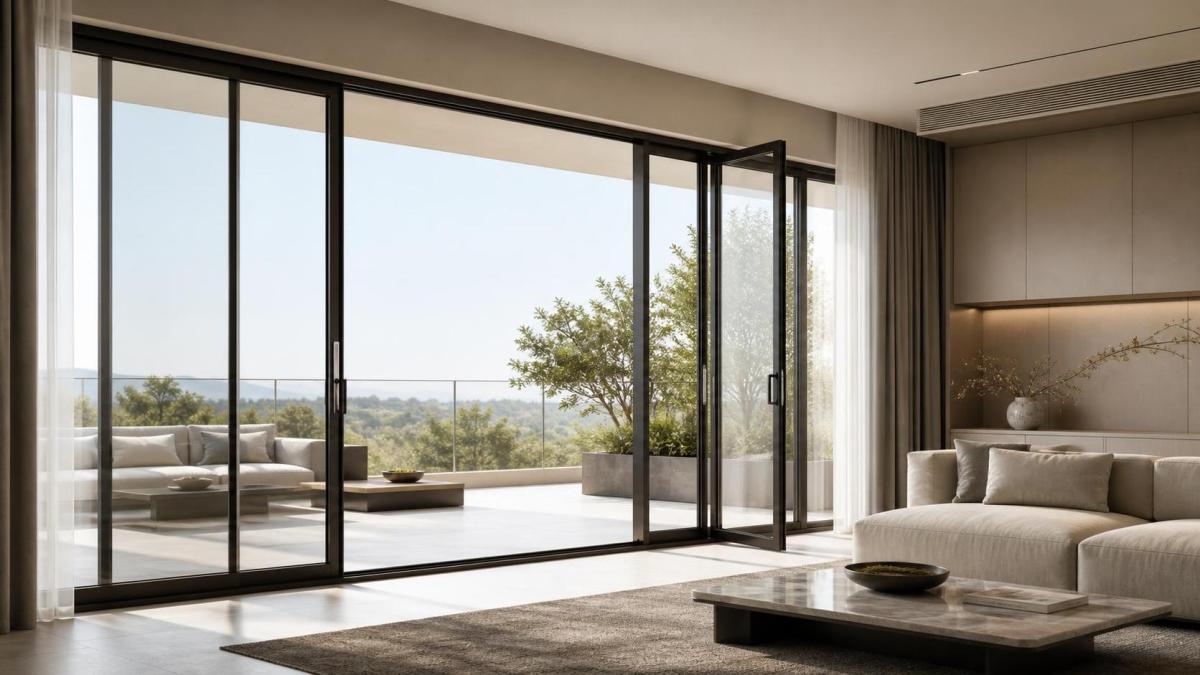
For decision-makers, the market trend is therefore less about “aluminum versus traditional materials” and more about where aluminum fits best. In high-traffic exterior openings, coastal or humid environments, home offices requiring better acoustic separation, and renovation projects that aim to maximize daylight without overcomplicating maintenance, aluminum often makes commercial sense. It is also flexible across styles. Minimal black frames remain popular, but the category is not confined to one visual language. Powder-coated and textured finishes, wood-grain effects, and warmer color options have widened its use beyond stark modernism.
The strongest suppliers understand that buyers are no longer impressed by material labels alone. They evaluate manufacturing precision, hardware integration, sealing performance, and how repeatable the quality is across custom sizes. Companies such as Weihai Gensheng Trading Co., Ltd., which produce aluminum casement, folding, and sliding doors alongside wood-aluminum systems and use advanced German equipment and window software, reflect that shift in the market. The value is not only in having aluminum in the catalog. It is in turning design intent into a consistent, installable product with dependable detailing.
One useful way to read the current market is to look at what buyers no longer accept. They are less tolerant of bulky frames that interrupt views, exterior doors that become weak points in acoustic comfort, or products that look refined in a showroom but lose credibility when specifications are examined. That is why features once treated as premium extras are now part of serious comparison: insulating glass, weather resistance, UV protection, tighter seals, and hardware suited to repeated use. A French-style swing system, for example, may be selected for aesthetics, but the actual purchase decision often turns on whether it can also manage airproofing, sound control, and thermal separation in day-to-day use.
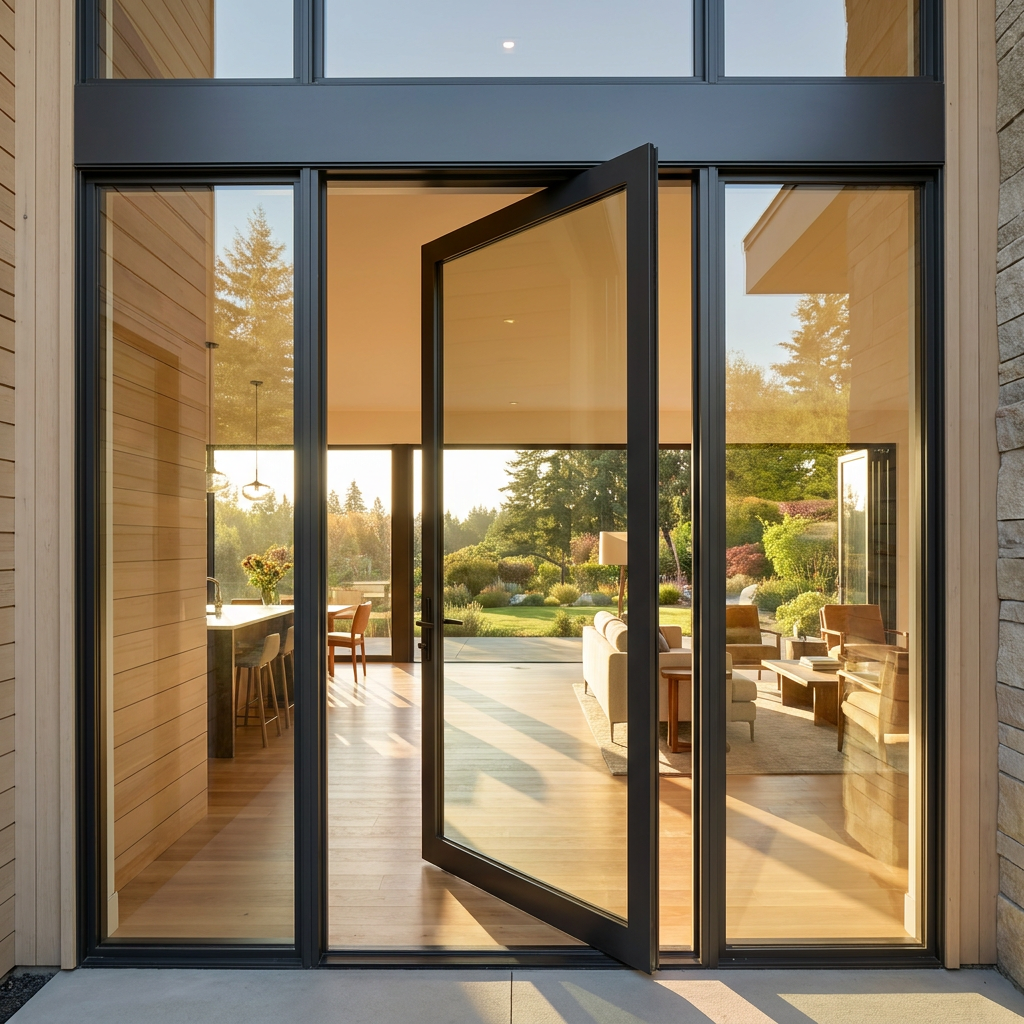
A product like Vintage Aluminum Swing Door with Thermal Break French Style Factiry Price sits neatly inside this market movement. Not because it is trying to redefine the category, but because its specification language matches what the market is now paying attention to: thermal break construction, tempered and Low-E glass options, soundproofing, dust resistance, UV protection, and wind resistance. Those are not decorative claims. They indicate how aluminum door systems are increasingly evaluated as technical assemblies rather than simple panels with frames.
What Buyers Should Actually Compare
When aluminum doors are compared only on price per square meter, the result is often misleading. A lower-cost system may use thinner profiles, weaker hardware, simpler sealing details, or glazing that does not align with the project’s thermal and acoustic needs. In other words, “aluminum” tells you the base material, not the finished level of performance. The more useful comparison looks at five things together: frame design, thermal break presence, glass configuration, sealing system, and fabrication quality. If any one of those is weak, the door may still look acceptable while underperforming in use.
This is also why application context matters. A bedroom door opening to a balcony has different priorities from a warehouse access door or a home office enclosure. The same platform can be adapted, but the specification should not be copied blindly from one scenario to another. In some projects, sound attenuation will matter more than expansive views. In others, wind resistance or ease of operation will be the deciding factor. Better suppliers are usually willing to discuss these tradeoffs early, rather than offering a one-size-fits-all pitch.
There is another reason aluminum doors are gaining ground: they fit the way homes are being designed now. Open-plan layouts, stronger indoor-outdoor connections, and demand for natural light all push door systems to do more visually and technically. Wood still holds a strong place where warmth and heritage character dominate the brief. But for many contemporary homes, aluminum offers a cleaner bridge between architectural ambition and everyday practicality. That is why the category has expanded across sliding, folding, swing, and mixed-material systems rather than remaining tied to a single door type.
The real takeaway is not that aluminum is automatically the best choice. It is that the market now understands what a well-made aluminum door can deliver when the specification is honest and the manufacturing is controlled. For businesses shaping product strategy or procurement decisions, that is the trend worth watching. Aluminum is gaining ground because it meets more of the modern brief at the same time, and because buyers have become better at recognizing the difference between a metal frame and a high-performance door system.
Leave A Reply
Need More Details?
Contact me for details on creating and managing design projects, project features, and services and prices