


NEWS
Categories List
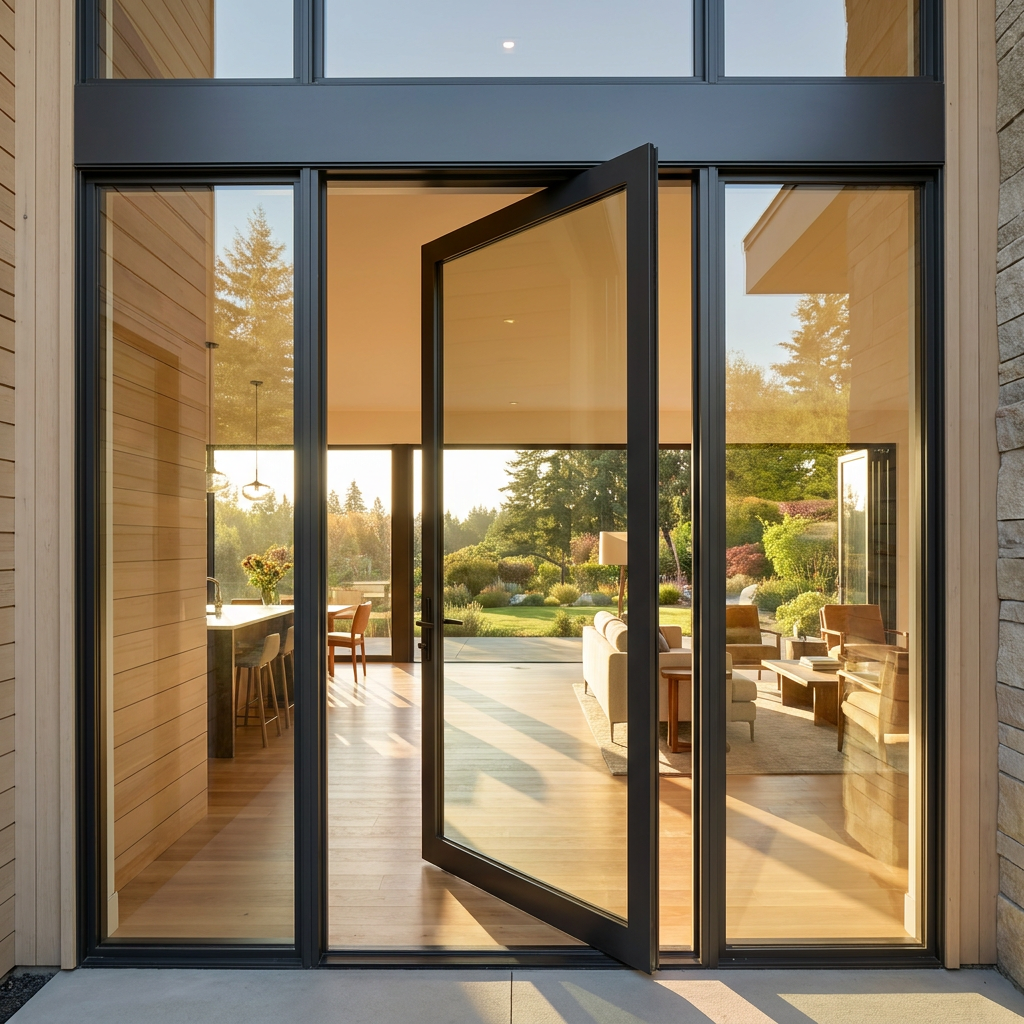
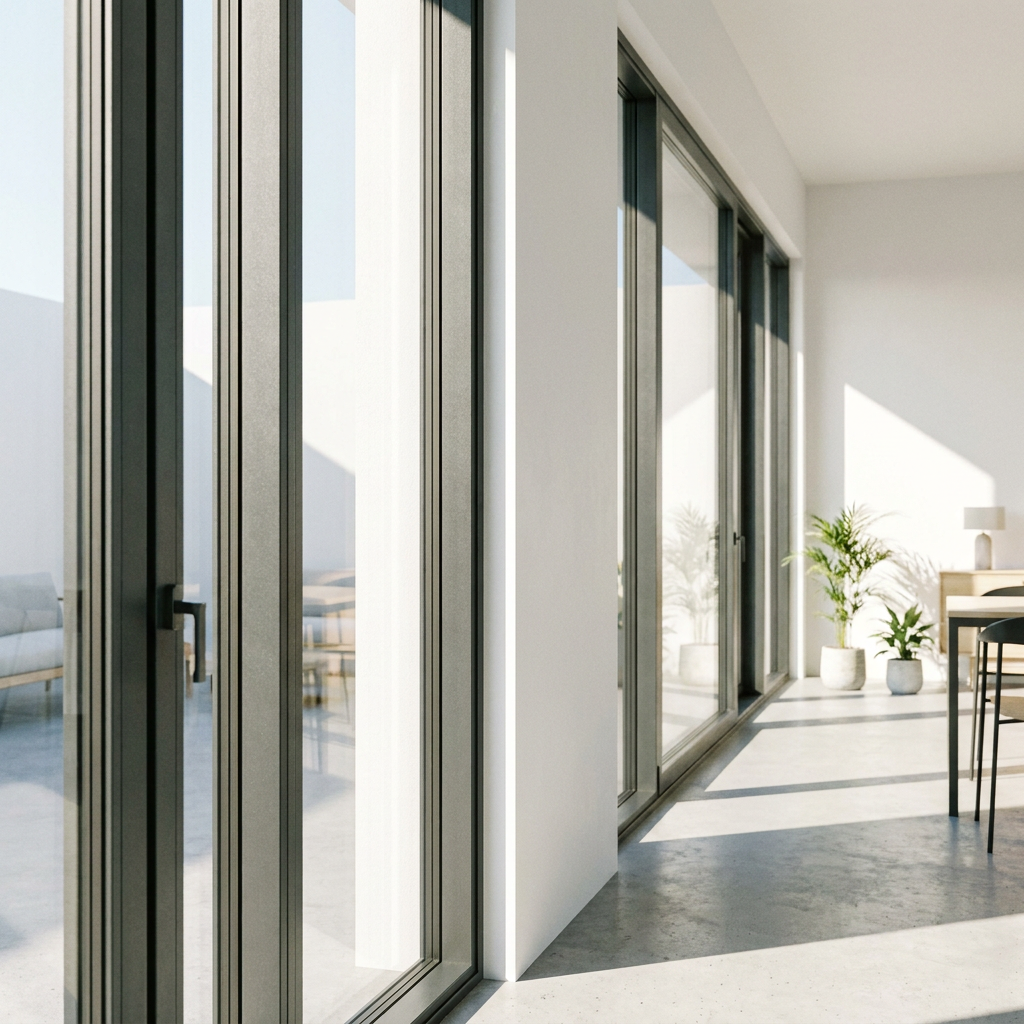
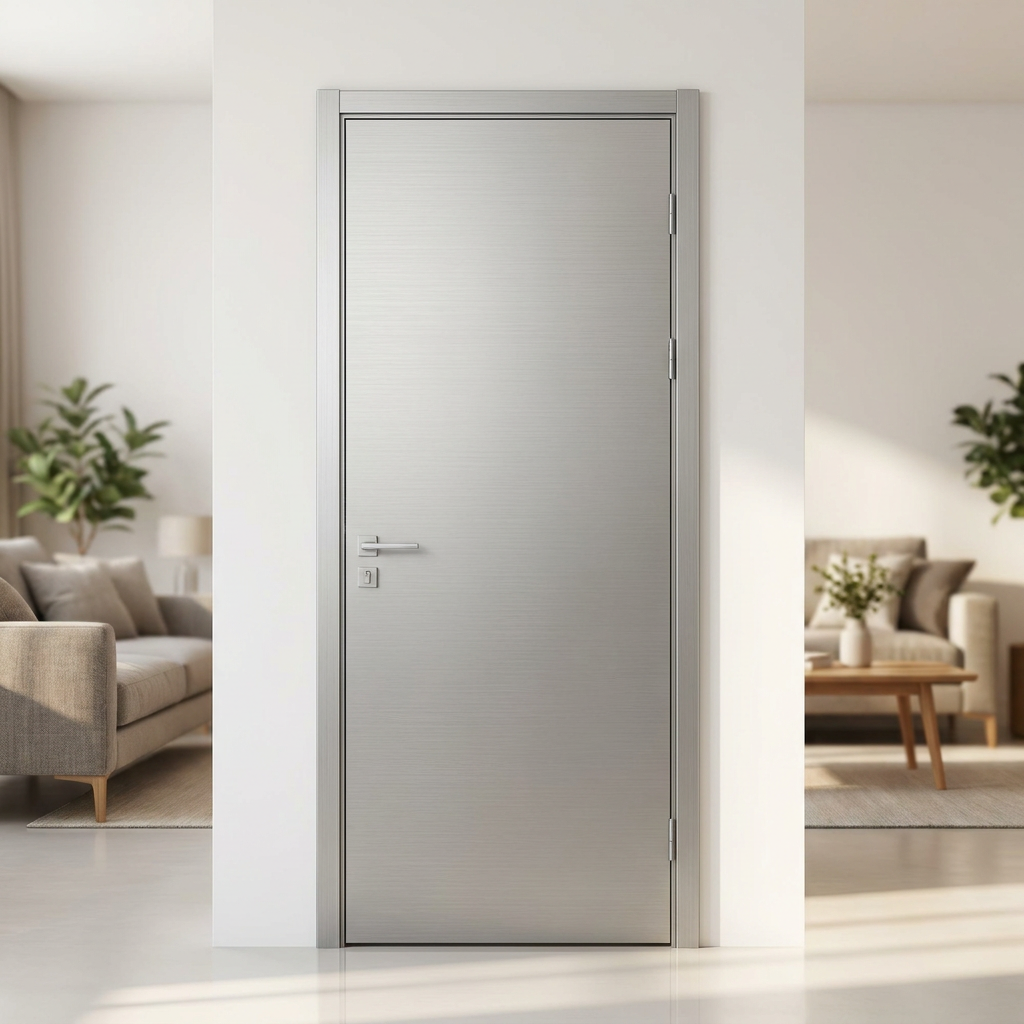
Which Surface Finish Helps Aluminum Doors Last Longer Indoors?
The finish on indoor Aluminum Doors is not just about color. It is the layer that determines how well the door resists scratches, fingerprints, humidity, cleaning chemicals, and the slow visual wear that makes a product look older than it is. Many buyers assume indoor use is gentle enough that any finish will do. In practice, interior environments vary a lot. A bedroom door, a kitchen divider, an office partition, and a hospital room entrance do not age in the same way, even if all of them are technically indoors.
That is why surface finish should be treated as a durability decision, not a decorative afterthought. If you are comparing Aluminum Doors for long-term value, three finish families usually come up first: powder coating, anodizing, and decorative transfer finishes such as wood-grain effects. Each can work indoors, but they solve different problems.
What Actually Damages an Indoor Aluminum Surface
Indoors, aluminum does not face the same UV exposure and rain load it would outdoors, so corrosion is usually not the main issue. The bigger threats are abrasion around handles, impact from bags or carts, steam or condensation in wet rooms, and aggressive cleaning routines in commercial settings. A finish that looks excellent in a showroom can lose its edge fast if the coating is too thin, too soft, or poorly bonded to the substrate.
This is where buyers often miss the point: the best indoor finish is not always the most premium-looking one. It is the one that matches the traffic level, cleaning pattern, and design expectation of the space.
Powder Coating: Usually the Most Practical Choice
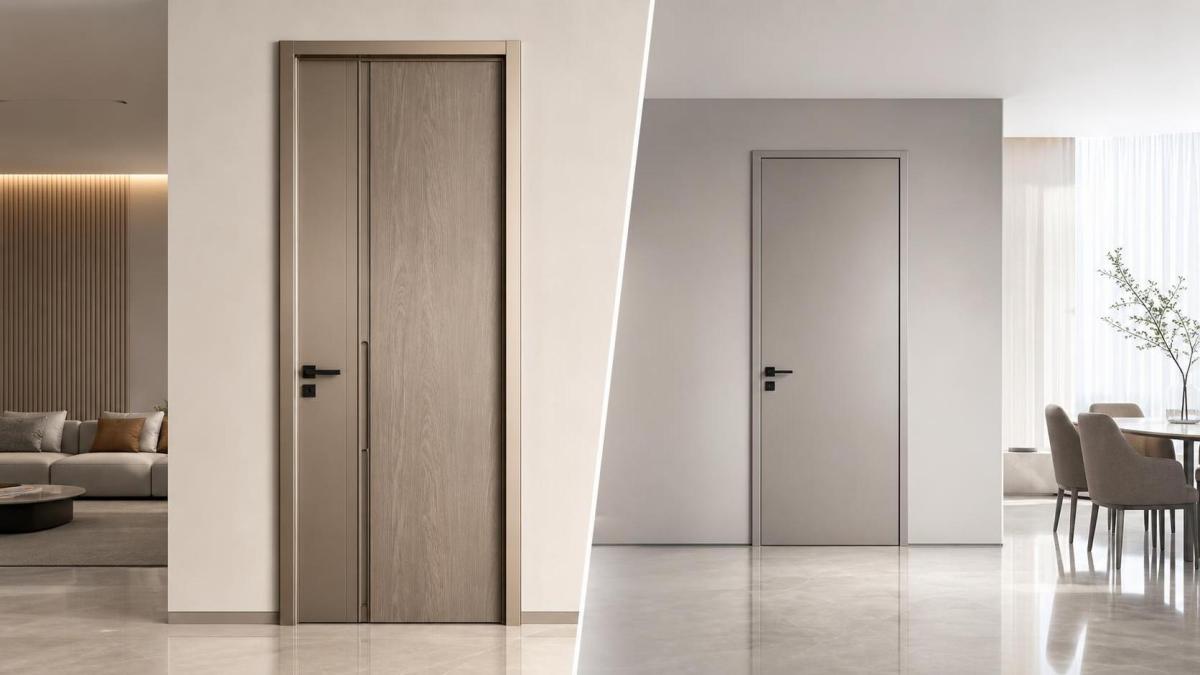
For most residential interiors, powder coating is the safest recommendation. It creates a consistent protective layer, offers a wide choice of colors and gloss levels, and is generally forgiving in daily use. A good powder-coated surface tends to handle light impact and routine wiping better than many people expect, which is one reason it is common in sliding doors, folding systems, and interior partitions.
The real advantage is balance. Powder coating does not just protect the metal; it also makes it easier to coordinate aluminum frames with flooring, cabinets, wall colors, or mixed-material interiors. Matte black, warm white, champagne, and textured neutrals remain popular because they hide minor handling marks better than high-gloss finishes.
Still, powder coating is only as durable as the production quality behind it. Surface pretreatment, coating thickness, curing control, and edge coverage matter. Manufacturers with stable process control usually produce more reliable results than workshops focused only on appearance. Companies that run advanced equipment and production software often have an edge here because consistency is easier to maintain across batches and profiles.
Anodizing: Cleaner Metal Look, Strong Wear Resistance
If you prefer a more architectural or metallic look, anodizing deserves attention. Unlike a paint-like coating, anodizing changes the aluminum surface itself by building an oxide layer. That usually gives it strong resistance to peeling, and it can perform very well against rubbing and frequent touch points.
For contemporary interiors, especially offices or minimalist homes, anodized aluminum can age gracefully because the finish tends to look integral to the metal rather than applied on top of it. Silver, bronze, and darker anodized tones are common choices. The tradeoff is aesthetic flexibility. You get a more limited color range than powder coating, and surface variation may be more noticeable if different components are produced separately.
Anodizing is often a strong option when the priority is a crisp metal appearance and long-term resistance to wear around edges, handles, and high-contact areas. It is less about decorative freedom and more about stable performance.
Wood-Grain and Decorative Finishes: Best When Design Needs to Soften the Metal
Some buyers want the slim structure of aluminum but do not want the space to feel cold. That is where wood-grain finishes come in. They can make Aluminum Doors sit more naturally alongside timber flooring, veneered walls, or warm-toned furniture. In interior design terms, this matters more than many technical comparisons suggest.
The caution is simple: decorative finishes vary widely in realism and durability. A convincing wood effect with stable adhesion can work well for indoor applications, but lower-grade versions may show wear at corners or around locks sooner than expected. If you are choosing this route, look closely at edge treatment, touch-up visibility, and whether the finish will still look coherent after years of cleaning and hand contact.
In some projects, buyers also compare aluminum systems with wood or wood-based interior doors. That comparison is not always either-or. For example, in hotels, apartments, schools, or offices, a project may use aluminum-framed systems in one zone and a solid interior solution such as Commercial Grade Wooden Wood Interior Door Heavy Duty High Security for Hotel Apartment Office Project in another, depending on acoustic, fire, or design requirements. The finish decision only makes sense when viewed in the context of the whole interior package.
A Simple Way to Judge the Right Finish
This is not a rigid rulebook, but it reflects how these finishes are usually judged in real specification discussions.
Common Mistakes When Comparing Finishes
One mistake is asking only for the finish type and not the process details. “Powder coated” can describe very different quality levels. Another is focusing on the sample board under showroom lighting. Small samples rarely reveal how a finish handles fingerprints, edge wear, or repeated cleaning.
There is also a tendency to separate finish choice from door function. That creates weak decisions. If the door is part of a sound-sensitive office, a moisture-prone room, or an interior zone with stricter fire or security demands, the finish should be considered alongside frame construction, hardware quality, sealing method, and panel type. In mixed projects, products like the WD-A004 wooden interior door category may be selected for places where soundproofing, moisture resistance, or specific certifications such as CE or ISO are part of the purchasing logic, while aluminum systems serve other openings better.
So Which Finish Helps Aluminum Doors Last Longer Indoors?
For most homes, a well-made powder-coated finish is the most dependable answer because it combines durability, visual flexibility, and manageable maintenance. If the space is more design-driven and the metallic character of the frame is part of the appeal, anodizing can last extremely well indoors, especially on frequently touched surfaces. Wood-grain finishes are worth considering when interior warmth matters, but they demand closer attention to execution quality.
The better question, then, is not which finish is universally best. It is which finish is best for your room, your cleaning habits, and your tolerance for visible wear. When you evaluate Aluminum Doors that way, the decision becomes clearer and the door is much more likely to still look right years after installation.
Leave A Reply
Need More Details?
Contact me for details on creating and managing design projects, project features, and services and prices