


NEWS
Categories List
Recent Posts
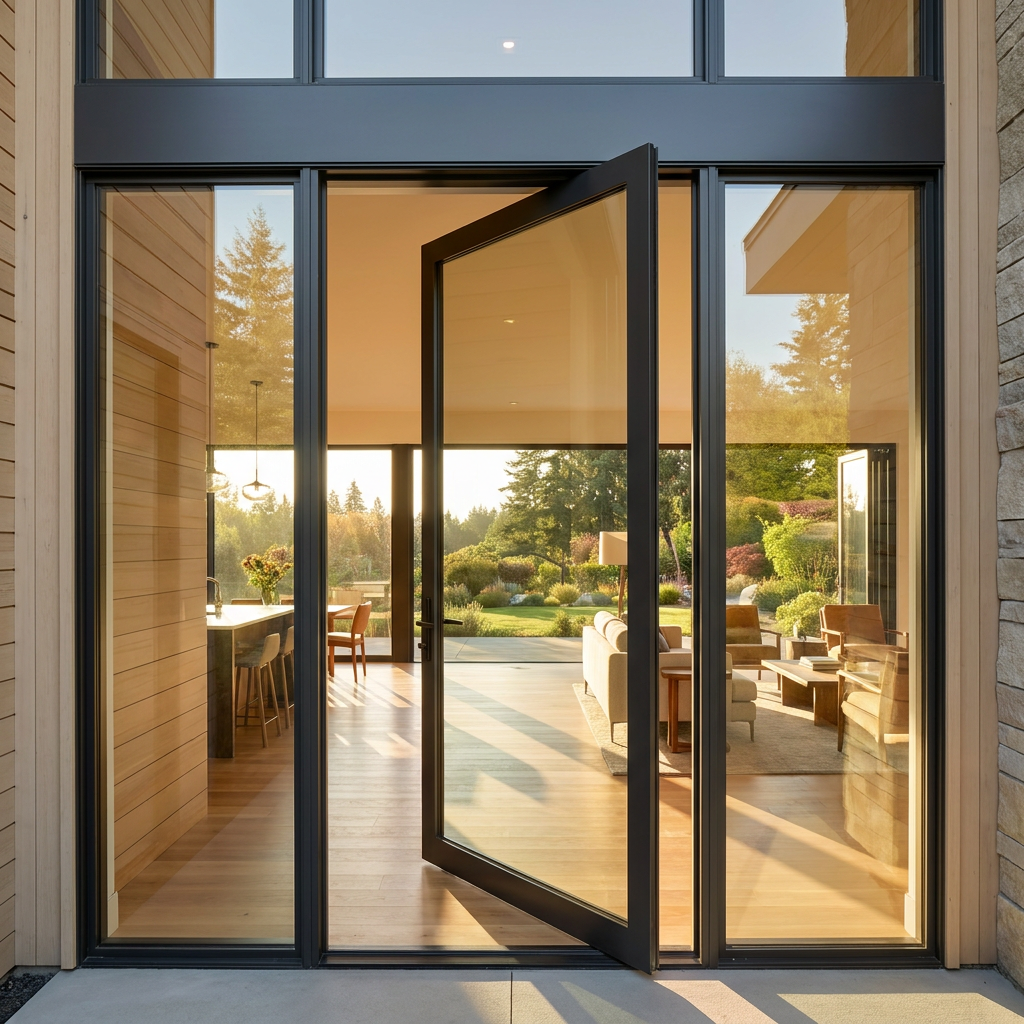
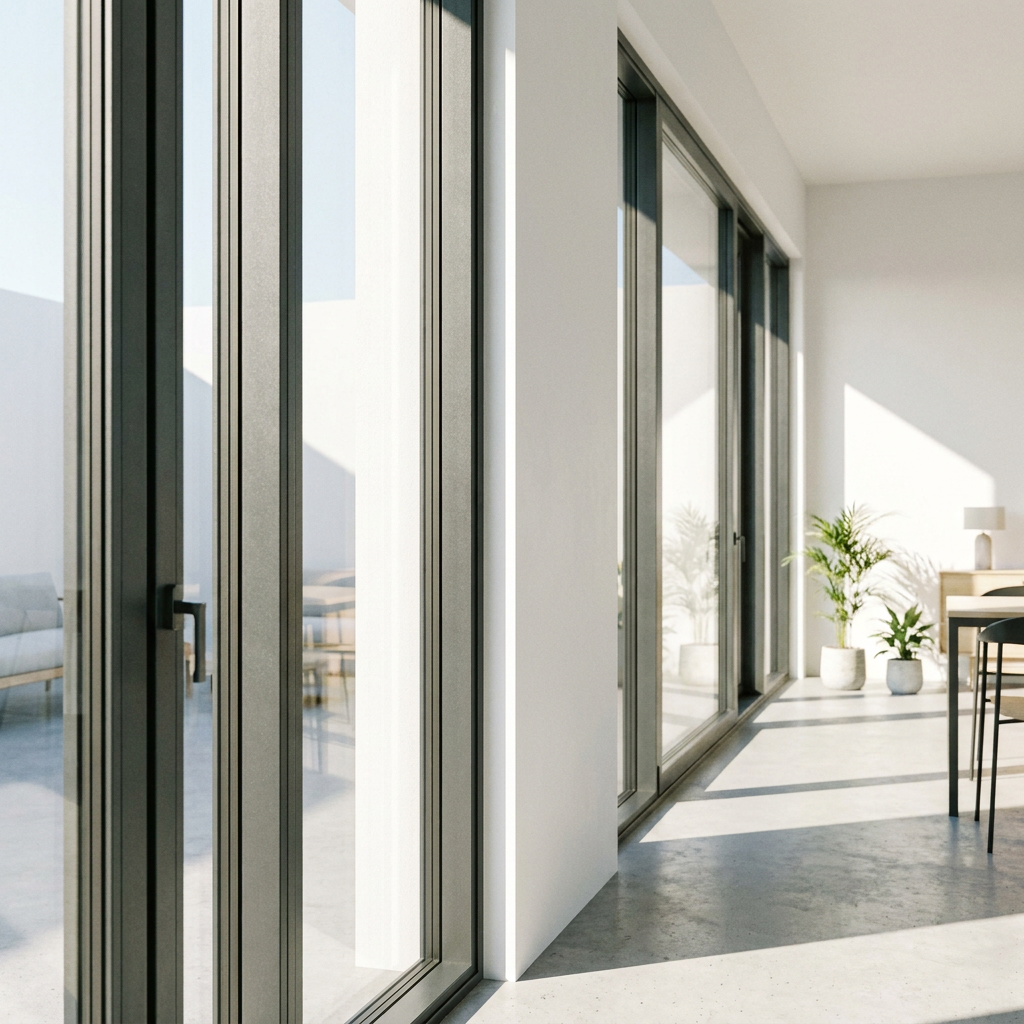
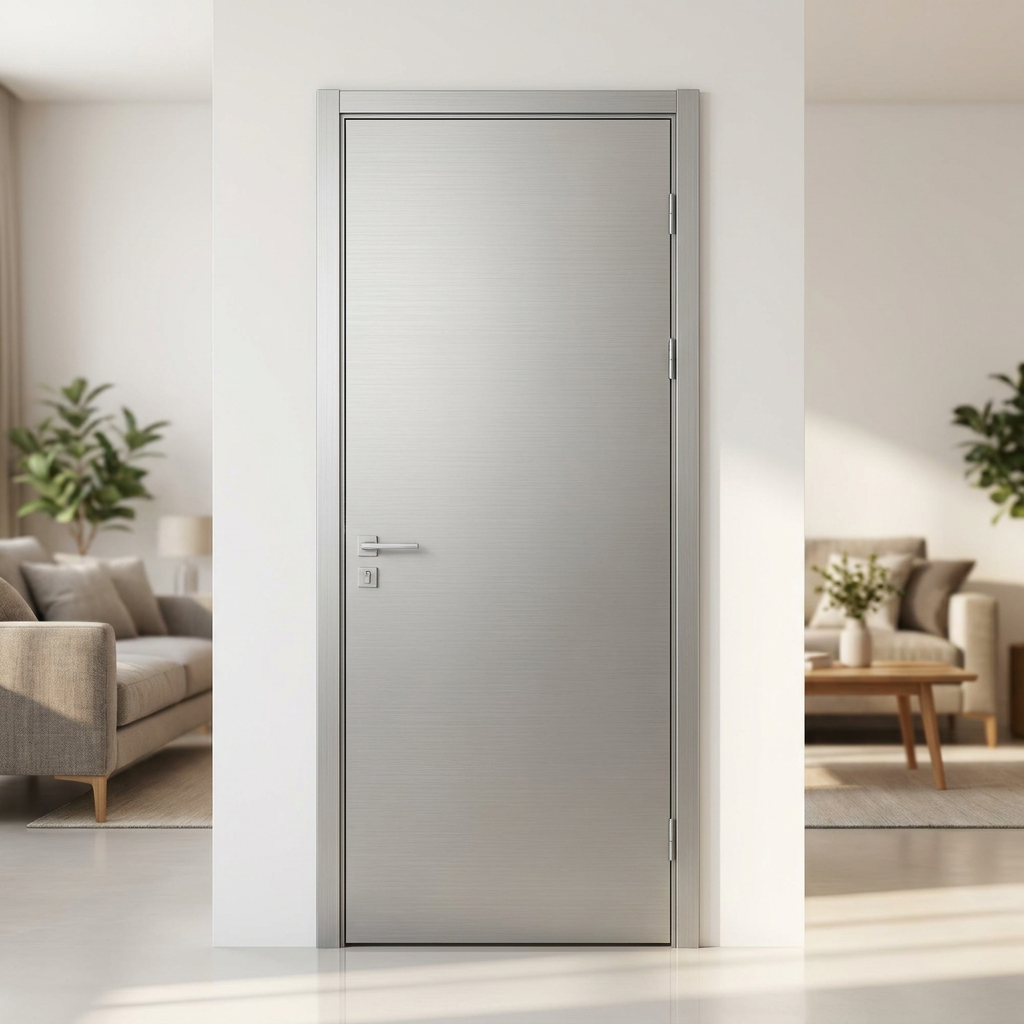

Ordering Custom Wood Aluminum Doors involves more than choosing a finish and confirming dimensions. Two quotations can look similar while covering different frame constructions, glass packages, hardware, and installation responsibilities. Those differences often become expensive only after the doors arrive.
For procurement teams, the priority is to turn design intent into a specification that suppliers can price consistently and installers can use confidently. Before releasing an order, settle the following details—and identify which changes would affect cost, performance, or delivery.
Define what “wood aluminum” means in your order
The term can describe different constructions: a timber door with exterior aluminum cladding, an aluminum system with interior wood components, or an aluminum door carrying a wood-look finish. These are not interchangeable. They have different maintenance needs, thermal characteristics, fabrication methods, and prices.
Ask for a cross-sectional drawing showing the location and function of each material. Confirm whether the wood is structural, decorative, solid timber, or engineered material. For genuine timber components, specify the species, grade, visible grain expectations, and moisture condition appropriate to the installation environment.
The connection between wood and aluminum also matters. The assembly needs to accommodate their different responses to temperature and humidity. Request details of attachment, drainage, seals, and treatment of exposed timber edges rather than accepting a surface photograph as evidence of construction.
Make the opening schedule the commercial reference
A drawing marked “custom size” is not enough for a purchase order. Each door should have a unique identification number linked to its location, quantity, dimensions, configuration, and approved drawing revision.
Separate the structural opening size from the overall frame size and required clear passage. The allowance between frame and opening must suit the wall construction, fixing method, waterproofing approach, and installation instructions—not a generic deduction applied to every project.
- Opening arrangement: Single or double leaf, inward or outward opening, fixed sidelights, transoms, and active leaf where applicable.
- Handing: Show hinge and handle positions on a drawing, with the viewing direction clearly identified.
- Threshold: Specify sill height, finished floor levels, drainage provisions, and any applicable accessibility requirement.
- Site interfaces: Record wall depth, reveal details, trim requirements, fixing zones, and clearance from nearby furniture or fittings.
Low thresholds deserve particular attention on exterior patio doors. A cleaner transition may require additional drainage and careful site detailing. Confirm the complete installation arrangement before selecting the threshold on appearance alone.
Specify performance that can be checked
For exterior Custom Wood Aluminum Doors, procurement decisions should reflect climate, exposure, door size, and local building requirements. An entrance protected by a deep porch does not face the same conditions as a large patio opening exposed to wind-driven rain.
State the required thermal, air leakage, water penetration, and wind-load performance using standards applicable to the destination market. Ask whether supporting test reports cover the proposed system, opening arrangement, size range, glazing, and threshold. A report for a different configuration may not substantiate the supplied door.
Thermal-break construction is worth examining, but the label alone does not establish whole-door insulation. Frame geometry, insulating strips, glass, edge spacers, seals, and installation all influence the result. Likewise, a bare acoustic figure such as “45” is not a usable specification without its unit, rating method, test standard, and tested assembly.
If security is important, define the required hardware and evidence of performance. An unexplained rating abbreviation should be clarified before it becomes part of an approved submittal.
Choose glazing, profiles, and hardware as one system
Glass weight affects hinges, frame reinforcement, operating effort, and long-term alignment. Specify the insulated glass build-up, safety treatment, coatings, spacer, cavity fill where required, and any privacy treatment. Safety glazing requirements depend on location and local regulations.
For example, 5mm+12A+5mm and 6mm+12A+6mm are double-glazing build-ups commonly offered in door quotations. Confirm how the supplier defines the cavity notation and whether the complete unit meets your requirements. Glass thickness alone does not establish thermal, acoustic, or security performance.
Profile thickness should also be assessed against the actual design. A thicker aluminum wall is not automatically the best purchase; suitability depends on section geometry, leaf dimensions, loads, and hardware fixing details.
Weihai Gensheng Trading Co., Ltd. supplies aluminum and wood-aluminum door and window products. Its New Design Double Glass Entry Swing Exterior Patio Doors Thermal Break Aluminum Hinged Door for Sale provides a relevant aluminum hinged-door option for comparison, with listed profile thicknesses from 1.4mm to 3.0mm and customizable glazing. However, this aluminum model should not be treated as a confirmed wood-aluminum assembly. Buyers requiring genuine timber components should request the corresponding construction details and quotation.
For hardware, record the manufacturer and model where agreed, hinge capacity, lock type, cylinder arrangement, handle finish, and corrosion suitability. Include door closers, restrictors, stops, and replacement seals where needed. Any proposed substitution should require written approval.
Approve finishes physically, not just on screen
Wood introduces natural variation. Decide whether procurement approval covers a single sample or an acceptable range of grain and color. For multiple doors installed side by side, discuss visual matching and how components will be grouped.
For aluminum, define the coating process, color reference, gloss, texture, and suitability for the exposure conditions. “Finished” or “painted” leaves too much open to interpretation. Coastal applications, for instance, may need a different coating specification from sheltered interior installations.
Request samples of both materials together. A wood tone that looks warm in isolation can look quite different beside a cool metallic finish. Keep an approved reference sample and agree on inspection conditions and acceptable variation before production.
Compare total delivered cost, not just the door price
The lowest unit price can lose its advantage if it excludes essential hardware, export packaging, or installation accessories. Issue the same scope to each supplier and ask for exclusions to be stated explicitly.
Standardizing repeated sizes, finishes, and hardware can reduce purchasing complexity. Keep customization where it serves the project, rather than creating small variations that add cost without a practical benefit.
Set approval and delivery gates before paying the deposit
A delivery date needs a defined starting point. Clarify whether lead time begins after deposit receipt, final measurements, drawing approval, or finish approval. Separate production completion from dispatch and arrival, and agree how late design changes will be handled.
Weihai Gensheng describes German production equipment and window software in its factory operations. For buyers, the useful follow-up is to request controlled shop drawings, dimensional inspection records, and a clear approval workflow. Equipment supports production; documented checks establish what will be accepted.
Specify packaging for the actual transport route, including corner protection, separation of finished surfaces, moisture precautions for timber, and labels matching the opening schedule. Confirm shipping orientation and lifting instructions for large glazed units.
Before release, require evidence that dimensions, finish, glass, hardware operation, and supplied accessories match the approved order. Retain the final drawings, samples, warranty terms, and packing list together. A well-specified order gives purchasing, production, and installation teams the same reference—and makes disagreements easier to resolve before they become site delays.
Leave A Reply
Need More Details?
Contact me for details on creating and managing design projects, project features, and services and prices