


NEWS
Categories List
Recent Posts


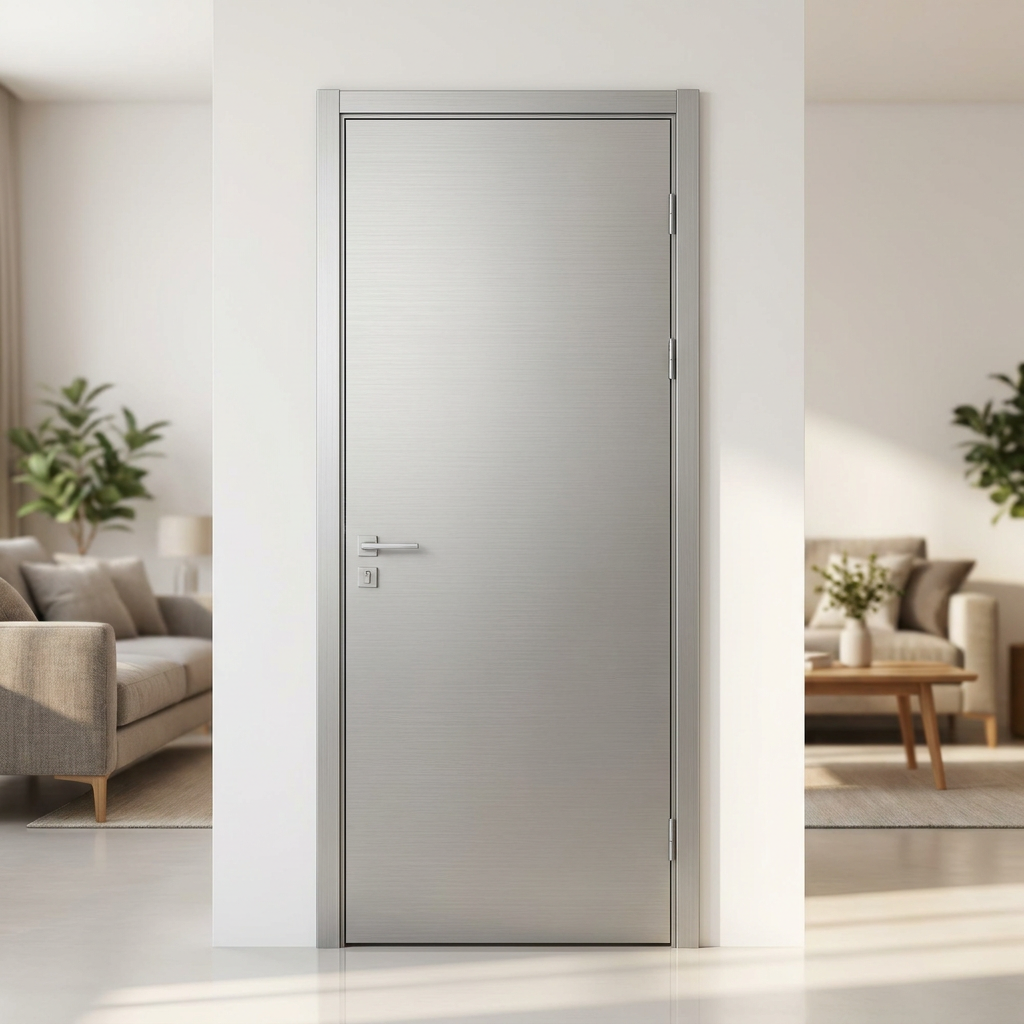

Start with the environment, not the unit price
Bulk buying Affordable PVC Washroom Doors with Simple Interior Door styling usually goes wrong in a very predictable way: the quote looks attractive, the sample seems fine, and the trouble only shows up after installation. For procurement teams, the real question is not whether the door is cheap. It is whether it will stay stable in a wet room, match the opening, work with the chosen hardware, and avoid replacement costs six months later.
Before you compare suppliers, pin down the use case. A washroom door in a dry guest room and one beside a high-use family bathroom do not face the same moisture load. That affects what you should inspect: edge sealing, core stability, hinge area strength, surface finish, and how the frame-to-door set is supplied. If the site has poor ventilation, your tolerance for swelling, surface bubbling, or hardware loosening should be very low.
Check what the door is actually made of
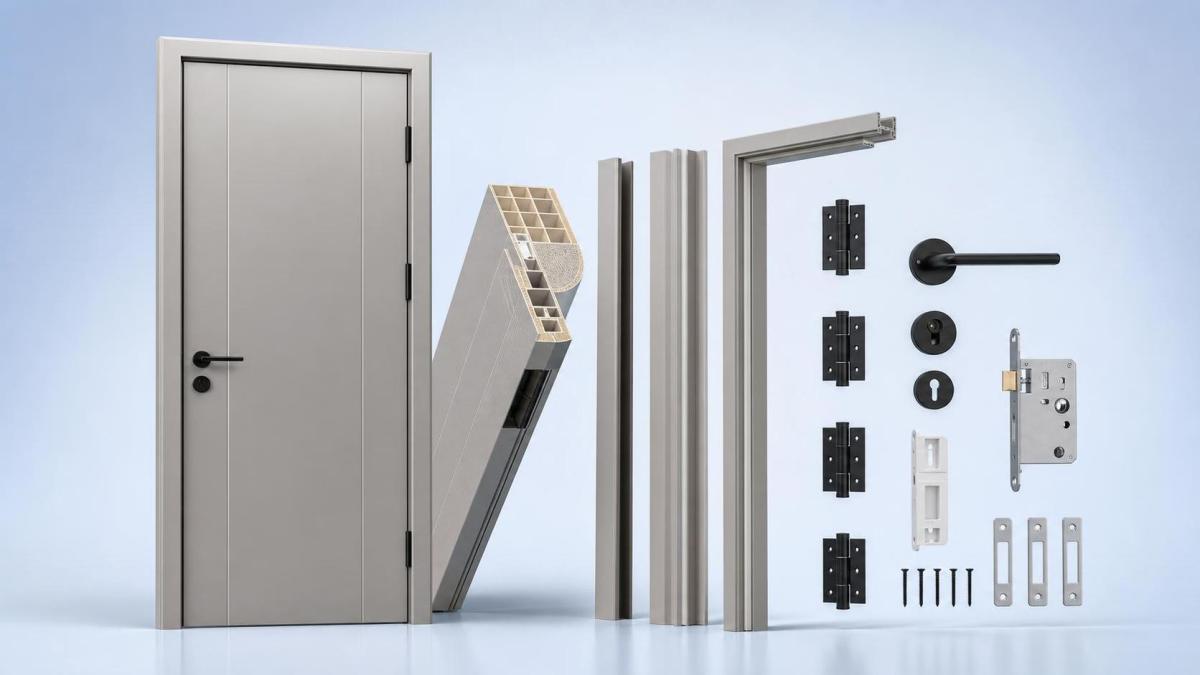
Do not treat “PVC door” as a complete specification. In bulk purchasing, that label can cover very different constructions. Some doors use PVC mainly as a surface layer, while the inner structure determines how well the panel resists warping, splitting, and long-term moisture exposure. Ask for the door structure in plain terms: surface material, core material, edge treatment, leaf thickness, and whether the door is supplied as slab only or as a matched door set.
This is where buyers often miss hidden cost. A low-priced slab may still require extra edge finishing, different hinges, or frame adjustments on site. If you are comparing multiple offers, put them on the same basis. Compare leaf thickness against thickness, core against core, and finished size against finished size. Otherwise the cheapest quote is often just the least complete one.
Inspect moisture resistance where failures usually begin
For washroom use, the bottom edge, lock area, and hinge side deserve more attention than the front face. The visible surface may look clean while the weak points are sitting on the edges. Ask for close-up photos or a physical sample showing edge finishing and cut sections. You want to see whether the surface layer is well bonded, whether the corners are clean, and whether the structure looks dense enough for repeated daily use.
If the supplier offers WPC and PVC combinations for interior wet areas, that can be worth checking because dimensional stability matters more than a decorative finish alone. For example, Modern WPC Interior Frameless Invisible Door with Hidden Hinge is presented with WPC and PVC materials, waterproof and damp-proof features, and a stated humidity range of 8-12%. That does not automatically make it the right choice for every project, but it gives you specific points to inspect instead of relying on a generic “water-resistant” claim.
Do a hardware compatibility check before placing the order
Procurement problems often start when the door leaf and the hardware were priced separately by different people. A simple interior washroom door still needs the hinge type, lock preparation, opening direction, frame detail, and wall finish condition settled in advance. If the project uses concealed hinges, magnetic locks, or frameless detailing, the machining on the leaf has to match. If it does not, the site team ends up modifying finished material, which raises both waste and labor cost.
Ask for a pre-order hardware schedule with these points listed clearly:
- Left-hand or right-hand opening
- Leaf thickness and hinge specification
- Lock body size and handle drilling position
- Frame included or excluded
- Whether the door arrives pre-machined
- Required clearance at floor and frame edges
A one-page approval sheet before production is far cheaper than sorting mixed swing directions after delivery.
Measure consistency matters more than one perfect sample
One sample door can look excellent. A bulk lot can still cause trouble if sizing drifts. Check whether the supplier works to standard dimensions only or can control customized production across the whole batch. This matters for residential furniture and interior fit-out projects where repeated openings need clean alignment.
Use a short comparison table during review:
Look at the finish like a buyer, not like a showroom visitor
A washroom door has to survive fingerprints, cleaning, splashes, and repeated opening in a tight space. So inspect the finish under practical light, not just polished sample-room lighting. Look for surface flatness, edge neatness, consistency across color options, and whether the film or laminate shows weak adhesion around corners.
If your project needs simple interior styling, keep the finish selection disciplined. A wide decorative range can be useful, but every additional color or woodgrain increases batch control pressure. When the supplier offers finishes such as white, oak, teak, walnut, cherry, ebony, or other wood tones, narrow the order to the fewest practical variants. Fewer finish changes usually means fewer avoidable mismatches.
Ask for the documents that affect procurement risk
For purchasing teams, documents are part of inspection, not paperwork after the fact. If a supplier references ISO9001, ISO14001, CE, or similar credentials, check the certificate copy and make sure the company name matches the trading or manufacturing party you are buying from. The point is not to collect logos. It is to confirm that the supplier identity and claimed production system line up with the transaction you are approving.
Also request the product specification sheet used for production release. That sheet should state dimensions, material description, color, quantity split, hardware preparation, and packing method. If the order is customized, the approved drawing matters more than the brochure.
Do not ignore packing and batch labeling
Many bulk door orders are technically fine but become expensive because site sorting is a mess. Ask how each unit is labeled and whether the mark links to room type, swing direction, size, or finish. For mixed residential projects, clear labeling saves installation time and reduces handling damage.
Packing deserves a quick check too. Washroom doors with finished faces can be damaged by edge impact long before they reach site. Corner protection, film protection, and pallet stability are not minor details when you are buying in quantity.
Evaluate the supplier’s production fit for your order size
A supplier may offer a good-looking product yet still be the wrong fit for your batch. For bulk procurement, ask how they handle customized sizes, repeated designs, and production consistency. A factory working with advanced equipment and production software may be better positioned to keep dimensions and machining more stable across a run, but you still need that reflected in the order documents and sample approval process.
That is also the right moment to test response quality. Send a marked-up drawing, ask a specific technical question, and see whether the answer comes back clear. Suppliers who reply only with price usually create more work later.
The practical order sequence
Keep the process simple. Lock the application and door type first. Then confirm material construction, dimensions, hardware prep, finish, documents, and packaging. Only after those points are aligned should you compare landed cost across suppliers.
For bulk buying, the best decision is usually the offer that gives you the fewest unknowns per unit, not the lowest number on the first quotation. That is how you keep Affordable PVC Washroom Doors with Simple Interior Door designs affordable after installation, not just before purchase.
Leave A Reply
Need More Details?
Contact me for details on creating and managing design projects, project features, and services and prices