


NEWS
Categories List
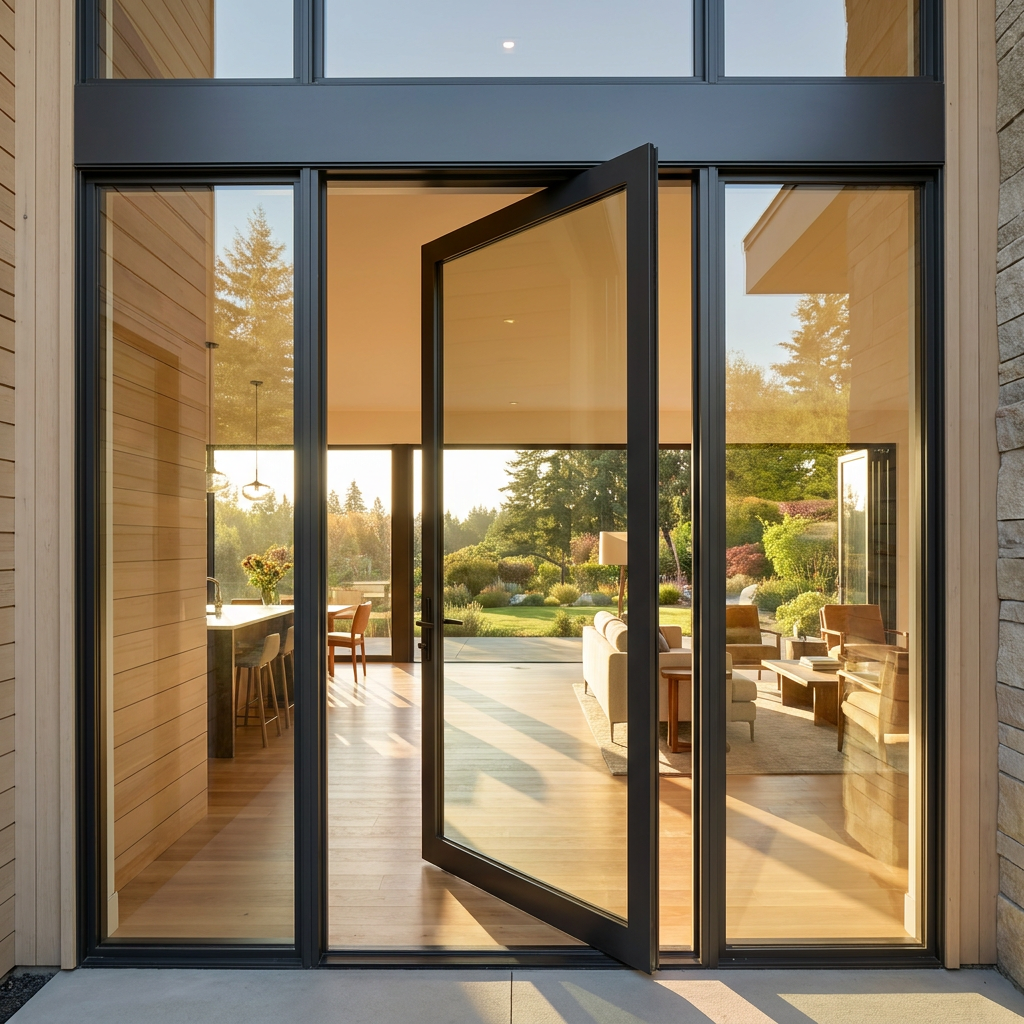
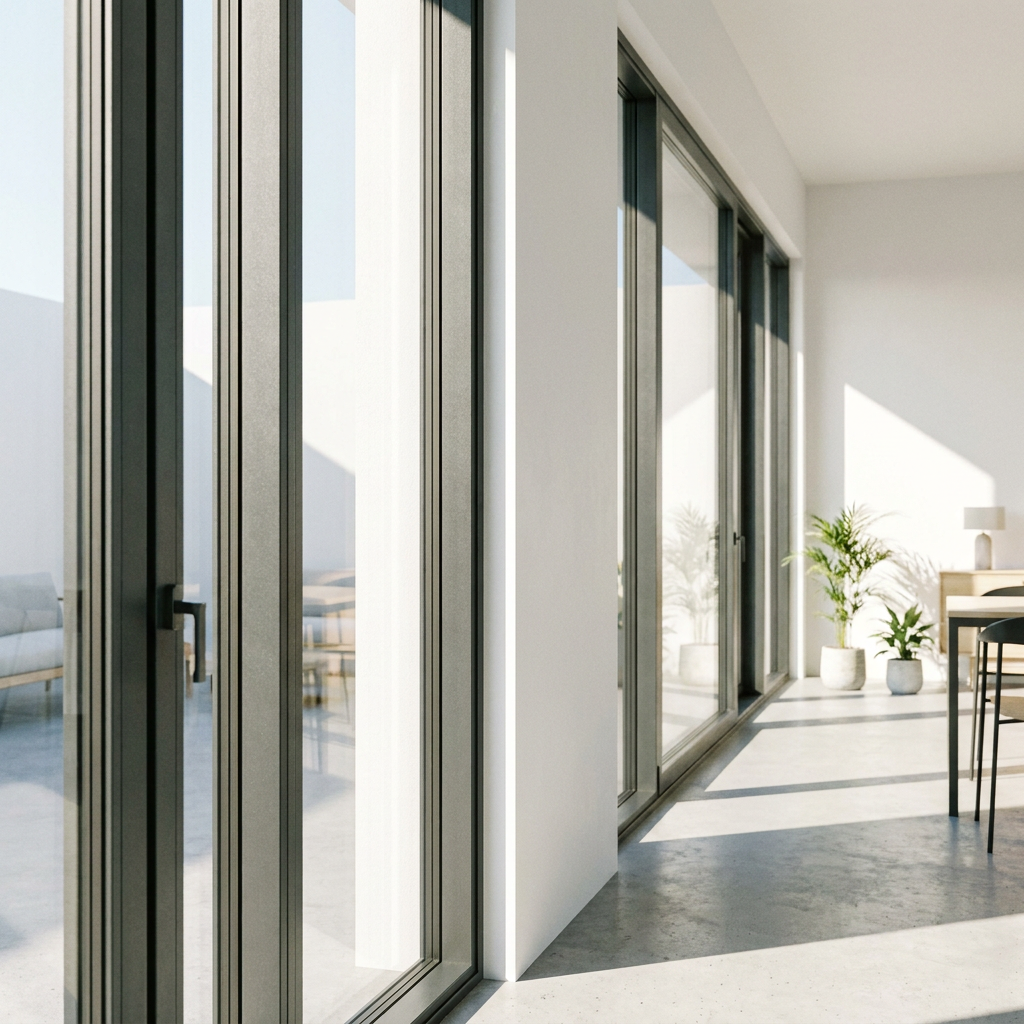
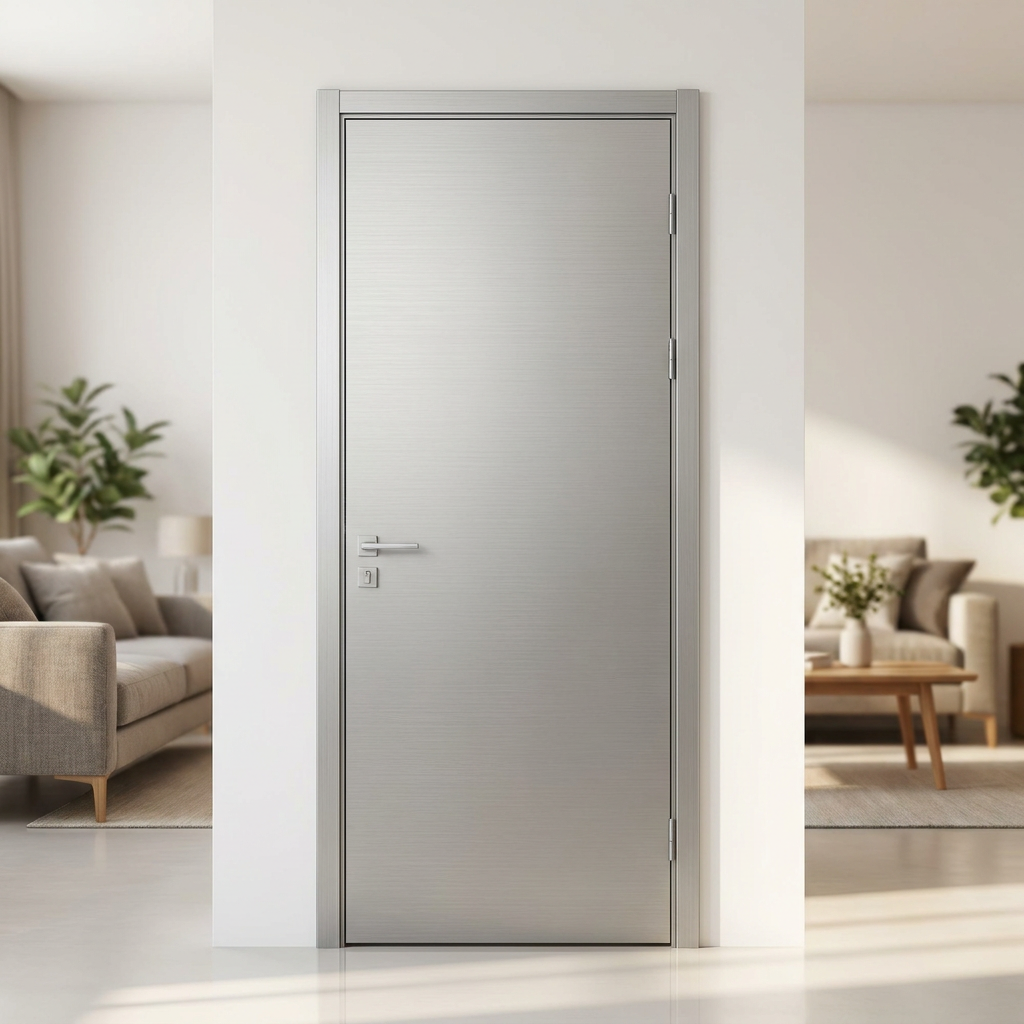
Buying Aluminum Doors for a residential project usually goes wrong in predictable ways. The door looks fine in a catalog, the price seems competitive, and then the trouble starts at site level: frame sizes are off, hardware feels light, drainage is poorly designed, or the finish does not hold up after one rainy season. For procurement buyers, the real job is not picking a good-looking model. It is reducing risk before the order is placed.
When you compare Aluminum Doors, start with the use case, not the brochure. A balcony sliding door, a main entrance door, and a folding patio system do not carry the same load, exposure, or security demand. If the supplier is quoting one series for all openings, that is the first thing to question.
Check the door type against the actual opening
This sounds basic, but it is where many buying mistakes begin. Sliding doors save space and suit wider openings, but they do not seal the same way as a well-made casement or hinged system. Folding doors create a large clear opening, though they depend heavily on track quality and installation accuracy. For a residential entrance, a spring door or light sliding system may be the wrong choice even if the price is attractive.
Ask for the door configuration by room or elevation. Procurement gets easier when each opening is tied to a function: ventilation, access frequency, security, weather exposure, and cleaning access. That prevents overbuying on low-risk openings and under-specifying the doors residents will use every day.
Look closely at profile quality and wall thickness
Not all aluminum profiles feel the same once fabricated. A door can look solid in a rendering and still perform poorly if the profile structure is weak. What matters is whether the section is appropriate for the sash size, glass weight, and opening style. Large panels need stronger profiles and better corner stability. If the quotation only says “aluminum door” without a clear profile series or section details, you do not have enough information to compare offers.
Request shop drawings or section drawings, not just a product photo. Review the visible dimensions, reinforcement points, corner assembly method, and how the frame connects to the wall. A cheap frame often shows up later as sash drop, misalignment, or difficulty locking.
Do not treat hardware as a minor accessory
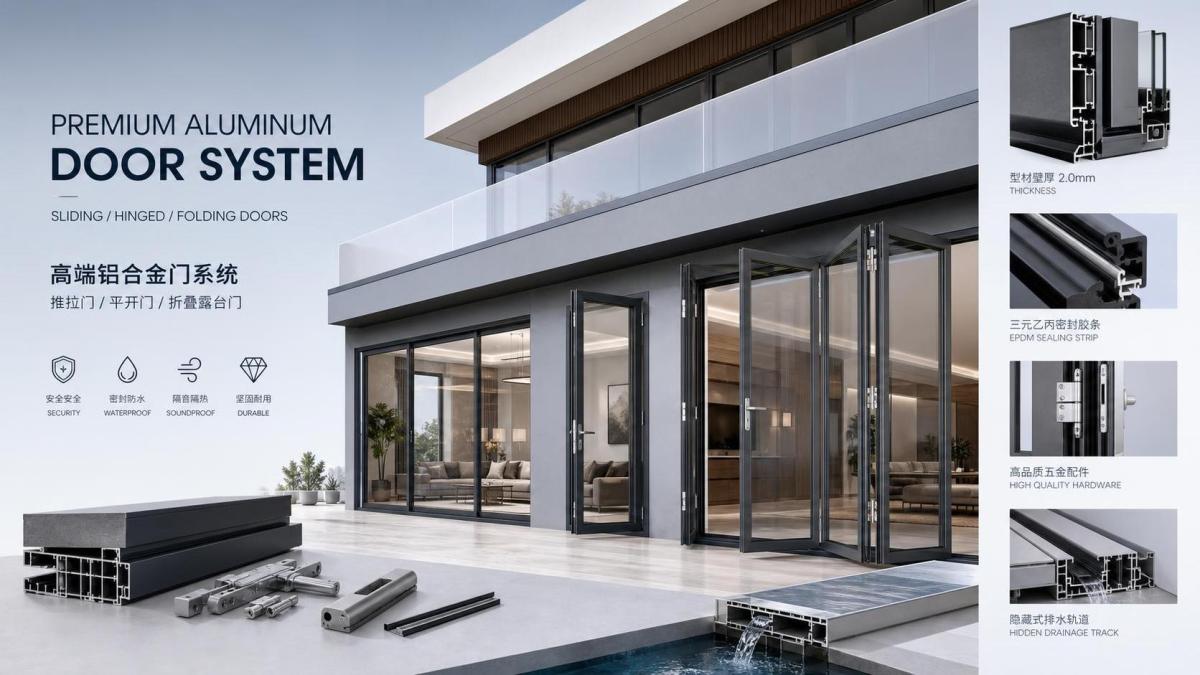
In residential doors, hardware failure is one of the fastest ways to turn a new installation into a maintenance problem. Rollers, hinges, handles, locks, guides, and friction stays need to match both door weight and frequency of use. This is especially important for sliding and folding systems. A door leaf can be acceptable, but poor rollers will still make the whole set feel bad within months.
Ask the supplier to break out the hardware brand or specification in the quote. If it is bundled into one line item with no details, you have no control over downgrade risk. Also check replacement practicality. Buyers often focus on first cost and miss the fact that unusual or unbranded hardware is harder to source later.
Review sealing, drainage, and water management
This is where residential performance is won or lost. A door installed on an exposed facade needs more than a neat frame and a lock. It needs a drainage path, gasket continuity, and sensible track design. For coastal, rainy, or windy locations, you should pay extra attention to corner sealing and whether water can escape the bottom track without backing up indoors.
A useful review point is simple: ask how the system handles wind-driven rain and where water goes once it enters the outer chamber. If the answer stays at sales language level, push for drawings or fabrication details.
Match insulation and glazing to the project target
Procurement buyers should not assume every residential project needs the highest available thermal specification, but they should know what the building is trying to achieve. In some markets, thermal comfort, condensation control, and sound reduction matter as much as basic weather resistance. The right question is not “Is this insulated?” but “What glazing and frame combination is being offered, and is it suitable for this climate and room use?”
If the supplier also offers wood-aluminum systems or adjacent interior materials, coordination may matter. For example, where door packages sit next to timber-based interior finishes or built-in joinery, buyers sometimes review substrate compatibility and emission standards together. In that context, materials such as Hot Selling and High Quality Cedar Edge Glued Boards may come into the broader finish schedule because they are supplied with E0 formaldehyde emission standard, moisture content of 8-10%, and customization options. That does not make them a substitute for door performance review, but it helps keep the interior package aligned when wood components are part of the same procurement stream.
Check fabrication accuracy before you talk about scale
A supplier may have an attractive product range, but residential door quality depends on production discipline. Clean corner joints, consistent cutting, hole position accuracy, gasket fitting, and assembly control make a visible difference on site. This is where manufacturing capability matters more than broad promises.
Ask for recent production photos of the exact door type, close-up images of corners and tracks, and details of how dimensions are controlled from drawing to finished unit. If advanced equipment and production software are part of the supplier’s process, that is relevant only if it results in repeatable accuracy. Procurement should still verify the output, not just the equipment list.
Confirm finish quality and environmental fit
Surface finish problems are expensive because they are hard to hide after installation. Check what finish is being quoted, what color consistency can reasonably be expected across batches, and whether the environment is aggressive. Coastal projects, high-sun elevations, and high-traffic entries are tougher on finishes than sheltered internal courtyards.
A practical habit: approve a physical finish sample before mass production if color matching matters. Digital color references are useful for discussion, not final judgment.
Make the quote harder to misunderstand
A good procurement checklist always includes quote clarity. Most disputes come from scope gaps, not dramatic technical failure. At minimum, your quotation review should cover:
- Door type and opening method for each location
- Frame and sash dimensions
- Glass specification and whether it is included
- Hardware specification
- Finish type and color reference
- Screens, louvers, thresholds, trims, and accessories
- Packing method, labeling, and delivery sequence
If one supplier includes these details and another does not, the cheaper offer may simply be less complete.
Use a short document check before releasing the order
This is also the moment to ask how replacements are handled for damaged units, missing hardware, or production defects. A residential project can tolerate very little confusion once the installation sequence starts.
Check whether the supplier can support the whole package
Buyers often prefer fewer interfaces. If the same source can support aluminum casement, folding, and sliding doors, along with louvers, handrails, wooden doors, or wood-aluminum door and window systems, coordination tends to improve. That said, wider product range is only useful when documentation, production control, and technical response stay clear. Breadth without control adds risk instead of removing it.
Before placing the order, run the checks in this order: opening function, profile and hardware suitability, sealing and drainage logic, finish and glazing alignment, then document completeness. That sequence catches most expensive mistakes early. The best Aluminum Doors purchase is rarely the lowest unit price. It is the one that arrives correctly built, installs without improvisation, and stays trouble-free after handover.
Leave A Reply
Need More Details?
Contact me for details on creating and managing design projects, project features, and services and prices