


NEWS
Categories List
Recent Posts

What makes wood aluminum windows quieter than standard windows
2026-08-14
# What Makes Wood Aluminum Windows Quieter Than Standard Windows
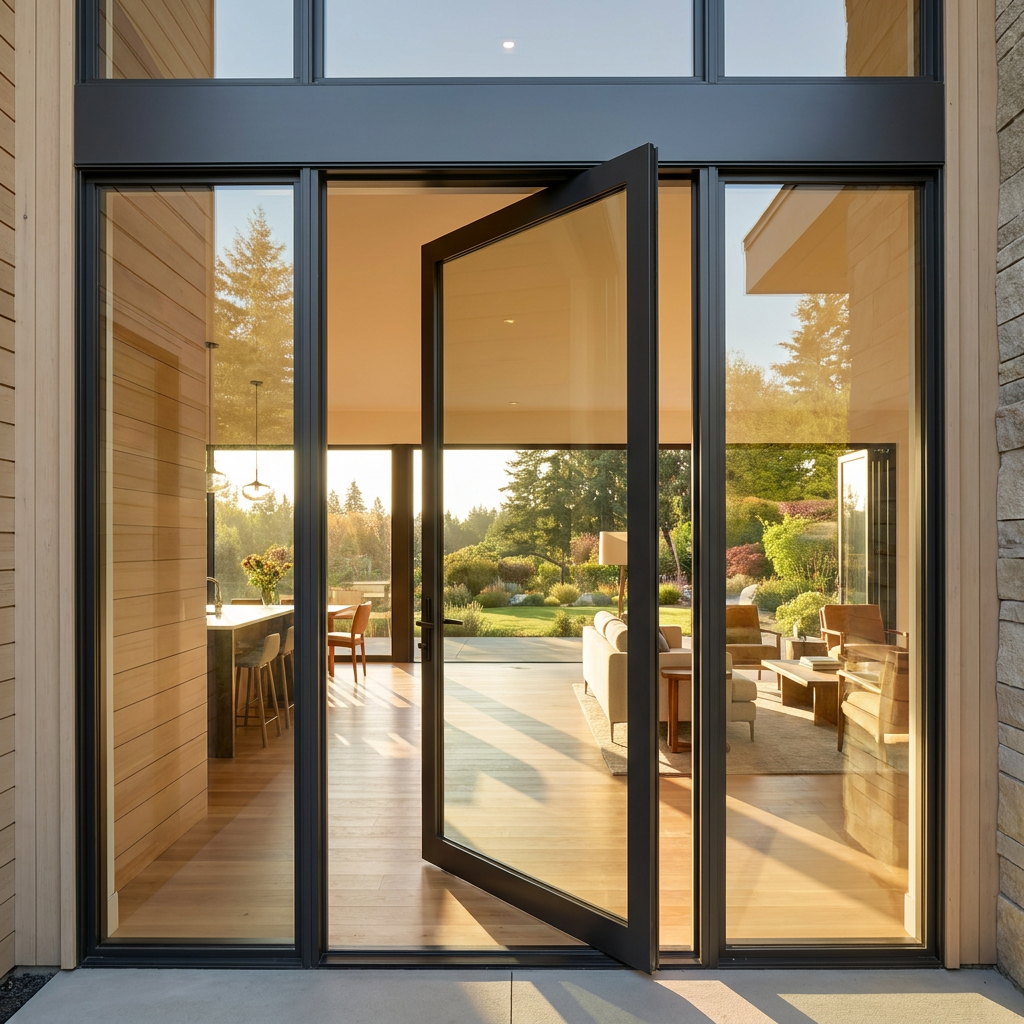
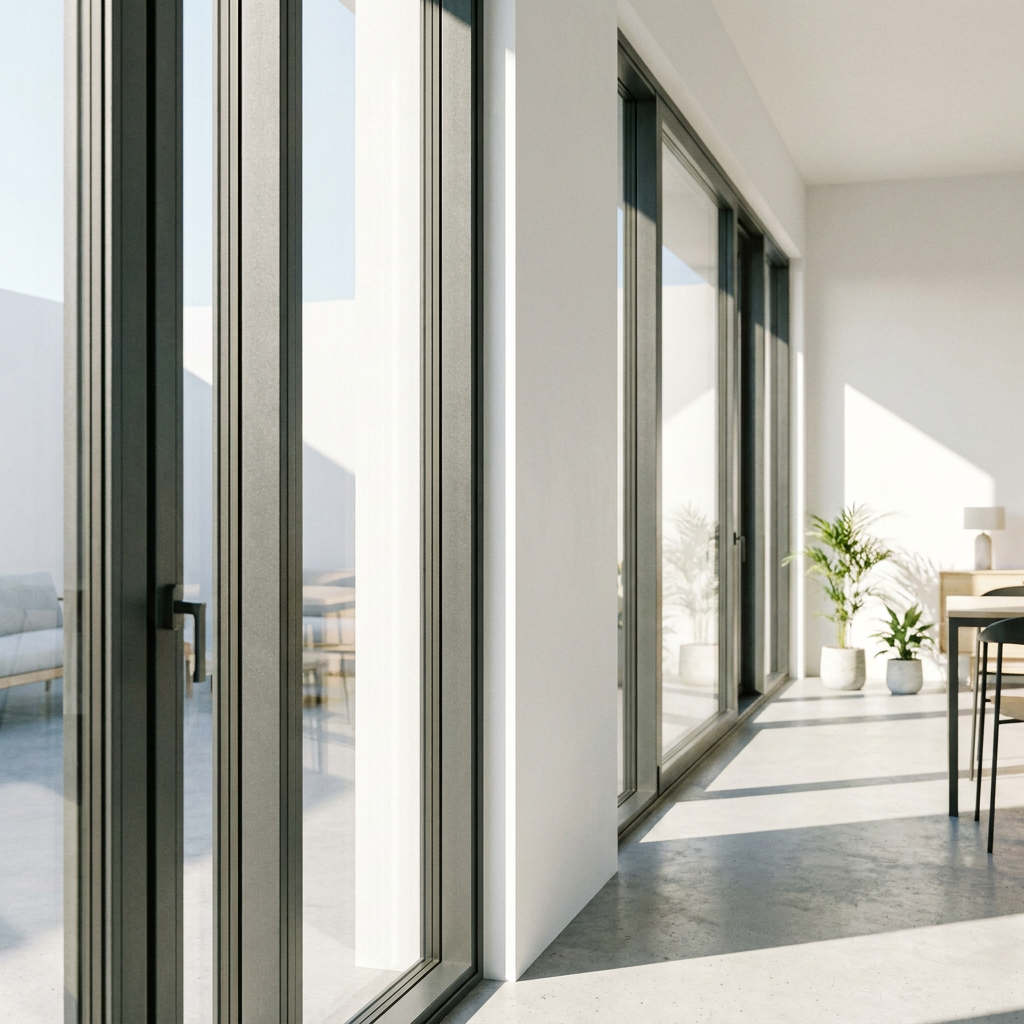
Wood Aluminum Windows are increasingly chosen by homeowners who want a quieter, more comfortable living space without giving up a clean, modern look. If you live near traffic, a school, a busy courtyard, or even just noisy neighbors, the difference between a standard window and a well-made wood-aluminum system can be easy to notice. The reason is not one single feature, but the way the whole window is built: layered materials, stable framing, tight sealing, and smarter performance at the edges where noise usually enters.
## Noise usually gets in through the weak points
When people think about soundproofing, they often focus on the glass. Glass matters, of course, but the frame, sash fit, seals, and installation quality are just as important. Standard windows often have simpler constructions and looser tolerances, which means tiny gaps can become clear pathways for sound.
Wood Aluminum Windows are designed differently. Wood brings natural density and helps dampen vibration, while aluminum adds structural strength and weather resistance on the outside. This combination makes the window more stable over time, so the seals stay aligned and effective instead of slowly loosening as the frame ages.
That stability is one reason they tend to feel quieter in everyday use. Less movement means fewer air leaks. Fewer air leaks mean less noise.
## Why layered materials make a real difference
Sound travels in waves, and different materials respond to those waves in different ways. A single-material window often passes vibration more easily than a composite structure. Wood aluminum windows use a layered approach, which helps break up and absorb sound instead of letting it move straight indoors.
The wood component acts as a natural buffer. The aluminum exterior protects the window from rain, sun, and deformation. Together, they create a frame that performs well in both comfort and durability. For homeowners, that often translates into a calmer room and fewer outside distractions.
This is also why many renovation projects choose wood-aluminum systems when the goal is not only appearance, but a more peaceful indoor atmosphere.
## Tight sealing matters more than many people expect
A quiet window is rarely just “thick.” It is tight. Even a strong frame can underperform if the window does not close properly or if the sealing system is weak.
Wood Aluminum Windows are often preferred because the frame structure supports more precise closing and better long-term sealing. In practical terms, that helps reduce the sharp sounds that come from wind, street traffic, and sudden outdoor activity. It also improves comfort in another way: a better seal usually helps with heat insulation too, so the room feels more balanced throughout the day.
For people comparing options, this is where details matter most. A window that looks solid but leaves gaps around the edges will never feel as quiet as one that is engineered carefully from frame to finish.
## The frame also affects how the room feels
Noise reduction is only part of the story. Many homeowners notice that quieter windows also change the overall mood of a room. Bedrooms feel more restful. Living rooms feel less exposed. Even home offices become easier to focus in.
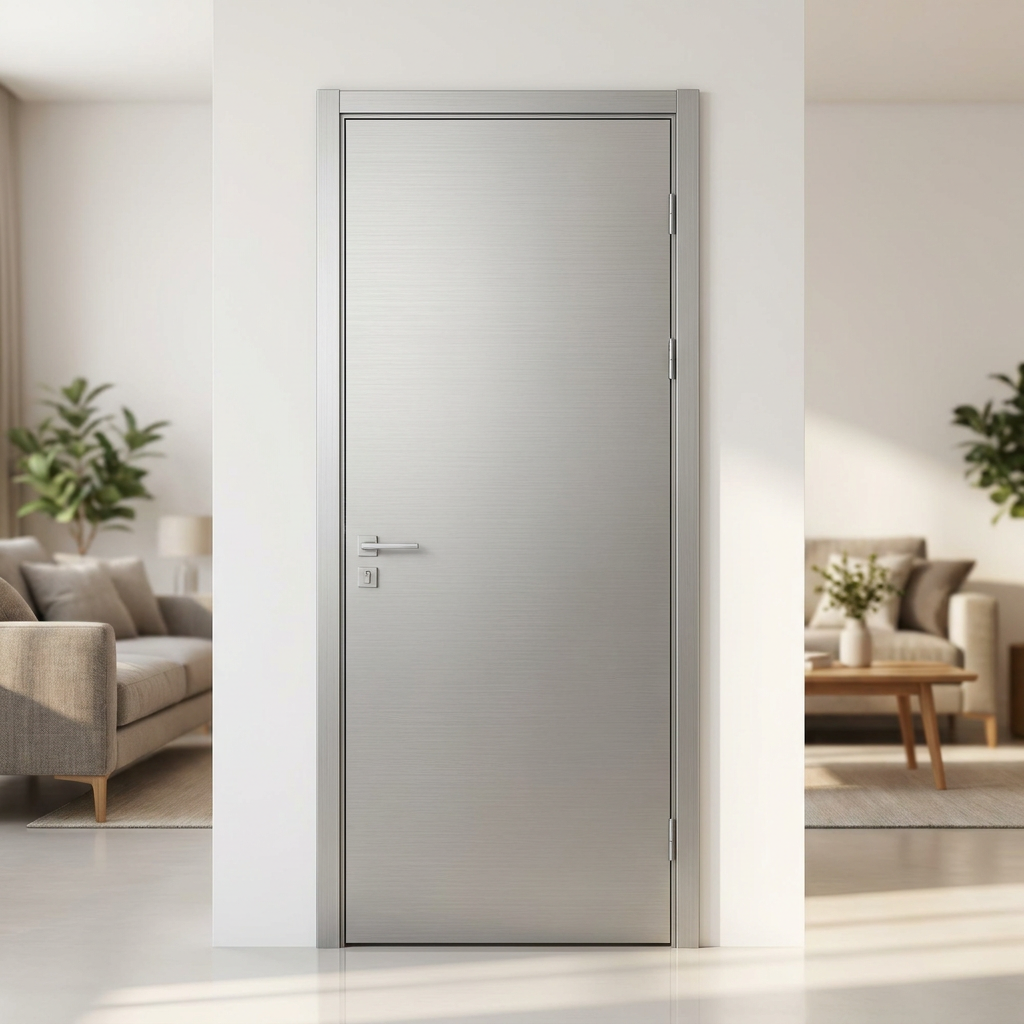
If you are choosing products for interior renovation or modern home design, it helps to think beyond one performance claim. For example, solutions like Premium MDF PVC Interior Doors for Modern Home Design show how material layering and construction details can improve everyday comfort inside the home. The same idea applies to windows: the structure behind the surface is what shapes the experience.
## What standard windows often miss
Many standard windows do a decent job in fair weather, but their limitations become obvious in noisy environments. Common issues include:
- thinner or less stable frame structures
- weaker sealing around the sash
- faster aging of components under sun and moisture
- more vibration transfer through the frame
- inconsistent performance after years of use
Wood aluminum windows address these issues by combining different materials for different jobs. Wood contributes comfort and acoustic damping. Aluminum contributes protection and rigidity. The result is a window that can stay aligned and functional for longer, which is important because soundproofing depends heavily on consistency.
## Choosing the right window is really about daily life
If you are researching window options, it helps to ask a simple question: what problem do you want to solve in the room? If the answer is “less noise,” then the conversation should include frame construction, sealing quality, and long-term stability—not only glass type or price.
Wood Aluminum Windows are a practical choice for homeowners who want a quieter indoor environment without sacrificing the character of the house. They are especially appealing in spaces where comfort matters every day: bedrooms, study rooms, apartments facing busy streets, and renovation projects that aim for a more refined finish.
At Weihai Gensheng Trading Co., Ltd., the focus is always on careful production and detail control. With advanced German equipment and skilled craftsmanship, window and door products are made with attention to the small things that affect real performance—because quietness, after all, is often built in the smallest details.
## A quieter home starts with better structure
If you have ever shut a window and still felt the sound of the street, you already understand why construction matters. Wood aluminum windows are quieter than many standard windows because they combine density, strength, and sealing performance in one system. They do not just block noise by chance; they are built to resist it.
For homeowners who want a better everyday living experience, that difference is worth noticing.
Previous:No more content
Next:No more content
Leave A Reply
Need More Details?
info@example.com
Contact me for details on creating and managing design projects, project features, and services and prices