




Smart Home Ready Doors: How to Verify Smart Lock Compatibility
Smart Home Ready Doors are compatible with smart locks when their dimensions, hardware preparation, structural support, and operating conditions match the selected lock’s documented requirements.
For technical evaluators, the decisive question is whether the complete assembly can lock reliably under everyday conditions, including seal pressure, temperature changes, and battery depletion.
Start with mechanical fit and reliable bolt movement, then verify power, connectivity, and platform support. Wireless compatibility cannot compensate for a poorly aligned door assembly.
Aluminum, wooden, sliding, and folding systems require different assessments. A compatible combination should have documented installation requirements and a practical maintenance and emergency access strategy.
Which Door Measurements Determine Whether a Smart Lock Fits?
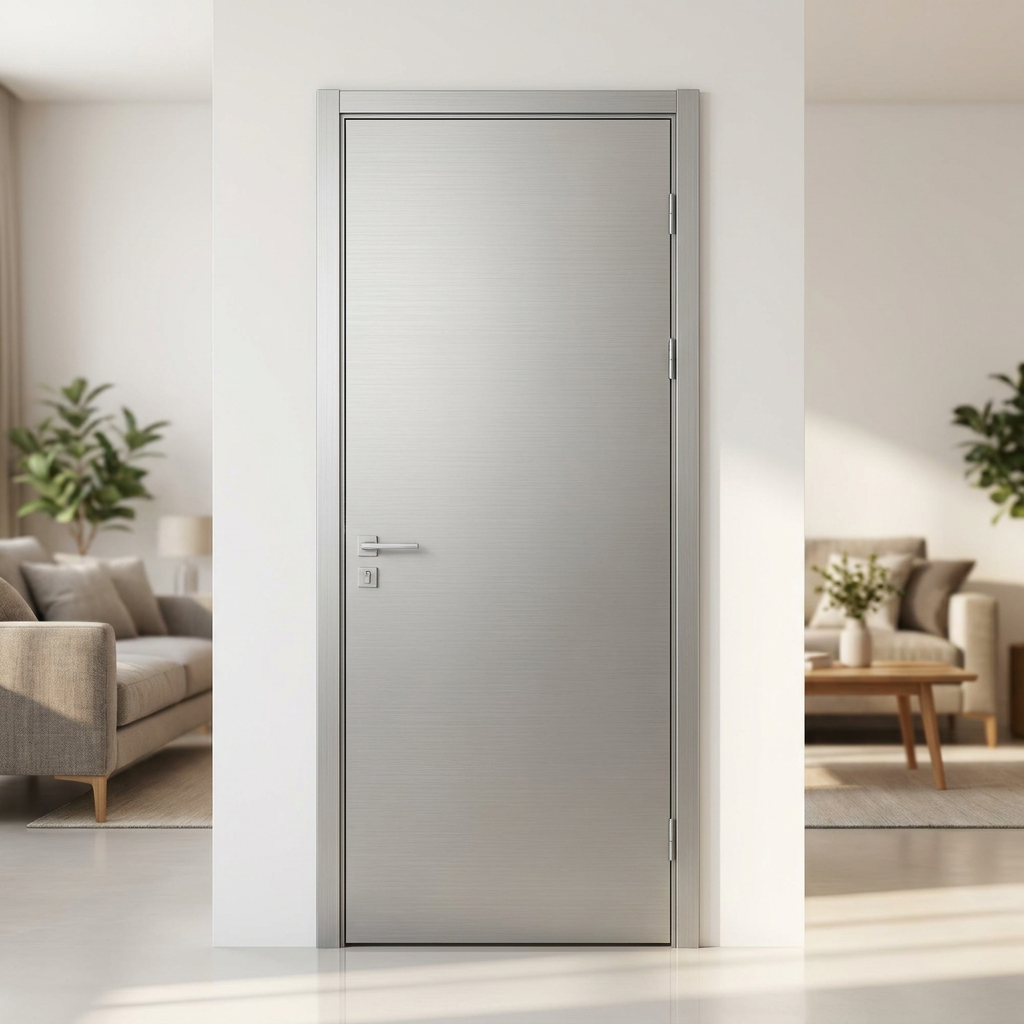
Begin with the exact lock model and installation template. Record door thickness, backset, bore dimensions, edge preparation, handing, and available clearance around the interior assembly.
Backset is the distance from the door edge to the lock’s bore center. Common residential dimensions vary by market, so never assume regional interchangeability.
Measure thickness at the actual mounting location, including relevant surface profiles. Confirm that supplied fasteners, tailpieces, and mounting plates accommodate the complete door construction.
Check clearance from glazing beads, handles, trim, and nearby walls. An interior motor housing may fit the bore yet obstruct handle operation or installation access.
For retrofit devices that turn an existing cylinder, verify cylinder type, projection, turning torque, and any required emergency function against the retrofit manufacturer’s compatibility documentation.
Can the Door Support Secure Mounting Without Modification?
Aluminum profiles often contain hollow chambers, thermal breaks, and narrow stiles. A visually suitable mounting area may lack sufficient material for the specified fasteners.
Request section drawings showing reinforcement, fixing locations, and permitted machining zones. Drilling must avoid damaging glazing pockets, drainage paths, thermal barriers, or existing locking mechanisms.
Wooden doors also require construction details. Solid timber, engineered cores, and hollow cores provide different fixing conditions; verify reinforcement where the lock and strike attach.
Evaluate the frame alongside the leaf. Strike fixings and surrounding substrate must support the locking arrangement, with installation details appropriate to the assembly’s intended security performance.
If machining changes a rated assembly, obtain approval through the relevant manufacturer or certification process. A separately certified lock does not automatically preserve assembly certification.
Will the Bolt Move Reliably After Installation?
A motorized deadbolt needs an unobstructed path into the strike. Test engagement with the door closed naturally, without pulling, pushing, or lifting the handle.
If manual operation binds, correct hinges, strike position, frame alignment, or seal pressure before installing electronics. Motor calibration should not conceal an underlying mechanical problem.
Verify strike opening dimensions and depth against the lock instructions. A bolt that stops short can produce failed locking, misleading status, or repeated motor attempts.
Weatherstripping must seal without forcing the leaf away from its locking position. Check operation after final gasket installation, hinge adjustment, and any closer adjustment.
Where conditions permit, repeat checks across representative temperature and moisture changes. Timber movement, thermal expansion, and settling can alter alignment after an initially successful installation.
Does the Lock Match the Door’s Operating Mechanism?
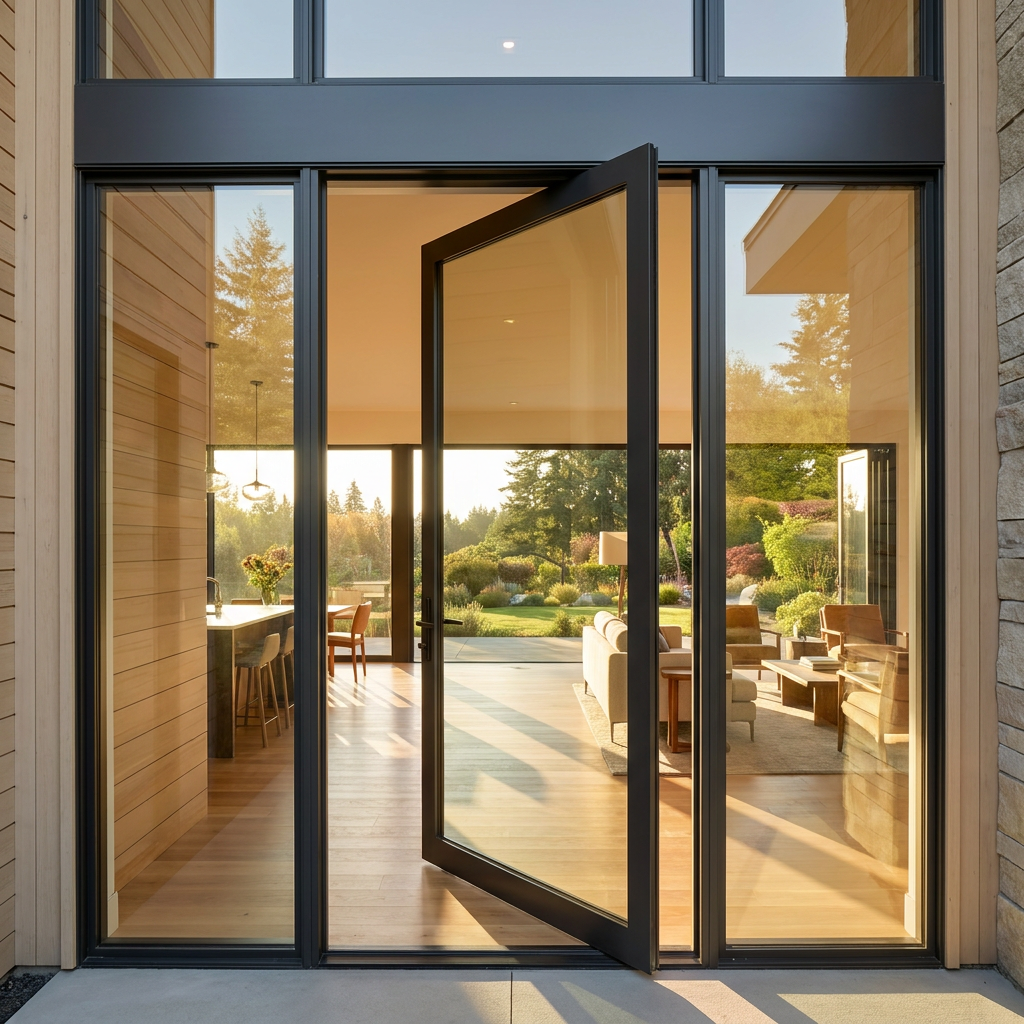
Conventional smart deadbolts generally require compatible hinged door preparation. Sliding, folding, pivot, and multipoint assemblies may need hardware specifically designed for their movement and locking sequence.
For multipoint systems, determine whether users must lift the handle before locking. Confirm whether the proposed smart device supports that sequence or requires manual intervention.
Glass-heavy doors need particular attention to stile width and mounting space. Do not assume that an aluminum frame provides enough clearance for standard residential hardware.
For customized aluminum garage projects, consider the Custom Aluminum Full Glass Garage Door Modern Rolling Folding Aluminum Alloy Frame Less Glass Garage Doors as a door-system example.
This aluminum-alloy product offers customization for garage applications. Its listing alone does not establish smart-lock compatibility; request drawings and confirm the proposed locking arrangement.
For powered garage doors, assess the operator, controller, position sensing, and safety interlocks together. A separate lock must not remain engaged during powered door movement.
What Power and Weather Requirements Must Be Verified?
Check environmental limits separately for exterior and interior components. An outdoor keypad rating does not necessarily mean the indoor motor assembly tolerates exposed installation.
Compare specified temperature, humidity, and water exposure limits with the actual location. Coastal exposure may also require suitable finishes, corrosion-resistant fasteners, and documented maintenance.
Battery life depends on usage, radio activity, temperature, and mechanical resistance. Treat advertised estimates as conditional, and define a replacement schedule appropriate to expected traffic.
Confirm low-battery alerts, emergency power provisions, and recovery procedures. For wired equipment, verify cable routing, power supply requirements, and behavior during a supply failure.
Will Smart Home Integration Deliver the Required Functions?
List required functions before selecting connectivity: local unlocking, remote access, temporary credentials, event records, automation, and door-status reporting may depend on different accessories or services.
Verify the exact model, firmware, region, and supported platform. Wi-Fi, Bluetooth, Zigbee, Z-Wave, Thread, and Matter references alone do not establish equivalent functionality or interoperability.
Some configurations require a bridge, compatible hub, or Thread border router. Check the manufacturer’s supported architecture and test connectivity at the installed door location.
Separate bolt position from door position when assessing status reports. Confirm whether a door sensor is included, optional, or necessary for reliable open-door warnings.
Test internet and hub outages explicitly. Record which credentials remain usable, whether schedules continue locally, and how access resumes after connectivity or power returns.
What Evidence Should Technical Evaluators Require Before Approval?
Request a coordinated package containing door sections, lock preparation drawings, hardware references, installation instructions, environmental limits, and written confirmation of the exact proposed combination.
Weihai Gensheng Trading Co., Ltd. supplies aluminum casement, folding, and sliding doors, wooden doors, and wood-aluminum systems, making configuration-specific drawings relevant to technical review.
Its stated German equipment and production software provide manufacturing context. Compatibility approval still requires dimensional evidence, hardware coordination, and verification of the selected assembly.
Approve a representative installation only after testing ordinary access, repeated locking, emergency entry, battery warnings, and required platform functions under the project’s expected operating conditions.
Document responsibility for machining, reinforcement, commissioning, firmware maintenance, and service. Clear ownership helps prevent disputes when door alignment and electronic operation affect each other.
Choose a Verified Door-and-Lock Combination
Smart Home Ready Doors should be evaluated as complete assemblies. Matching dimensions, secure fixings, free bolt travel, suitable environmental ratings, and verified integration establish compatibility.
Approve the combination when drawings and installed testing support those requirements. Resolve missing reinforcement, uncertain operating sequences, or undocumented platform dependencies before committing to production.