


NEWS
Categories List
Recent Posts

What Makes a Door Smart-Home Ready Before You Add Locks and Sensors?
Smart Home Ready Doors begin with more than locks, cameras, or sensors. The right door structure, frame strength, insulation, wiring access, and opening style all influence reliable smart-hardware performance.
For homeowners, the best starting point is not choosing a lock app. It is choosing a door system that supports security hardware without weakening weather protection, operation, or appearance.
A smart lock can only perform well when the door closes consistently, the frame remains stable, and the installation surface provides enough strength for accurate alignment.
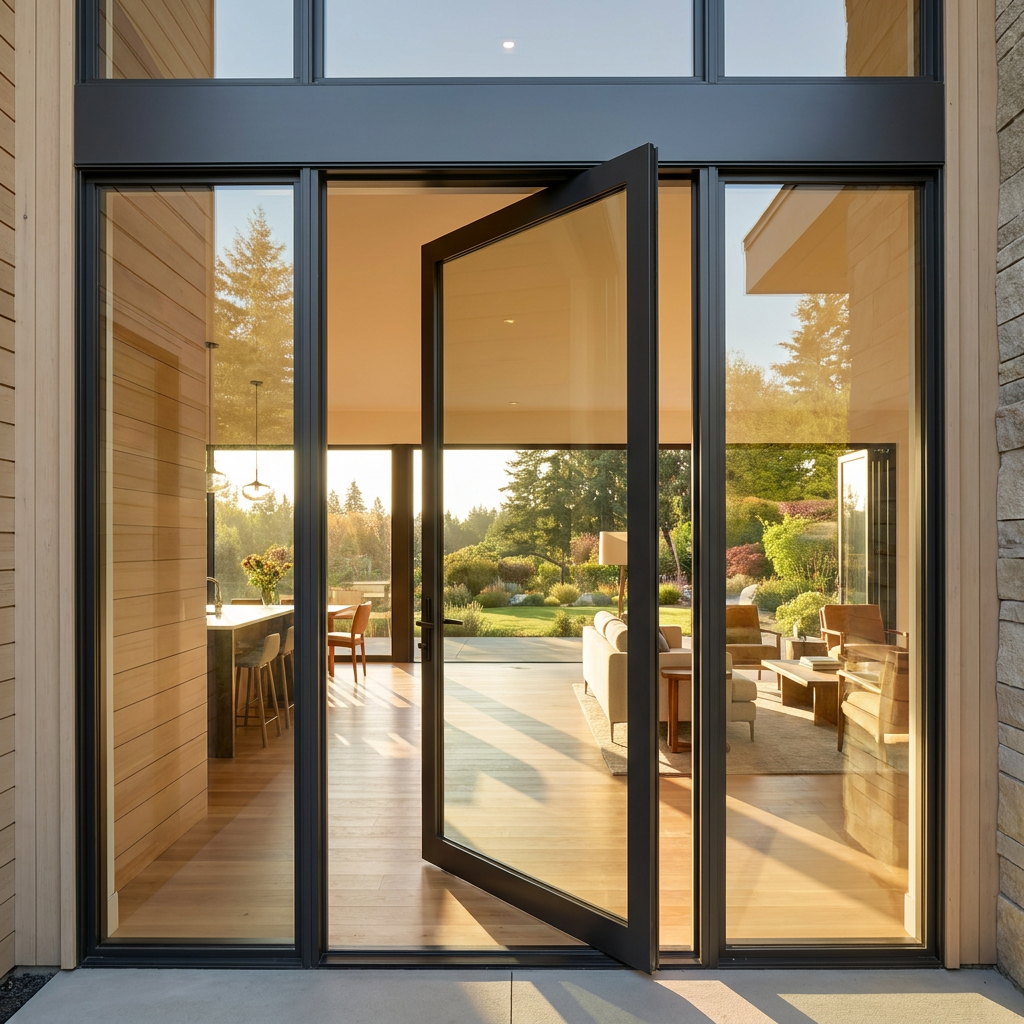
Whether you prefer aluminum sliding doors, casement doors, folding doors, or wood-aluminum options, early planning reduces installation compromises and makes future upgrades much easier.
This guide explains what consumers should inspect before buying Smart Home Ready Doors, helping you compare practical details that product photos and basic specifications often overlook.
Start With a Stable Door Leaf and Frame
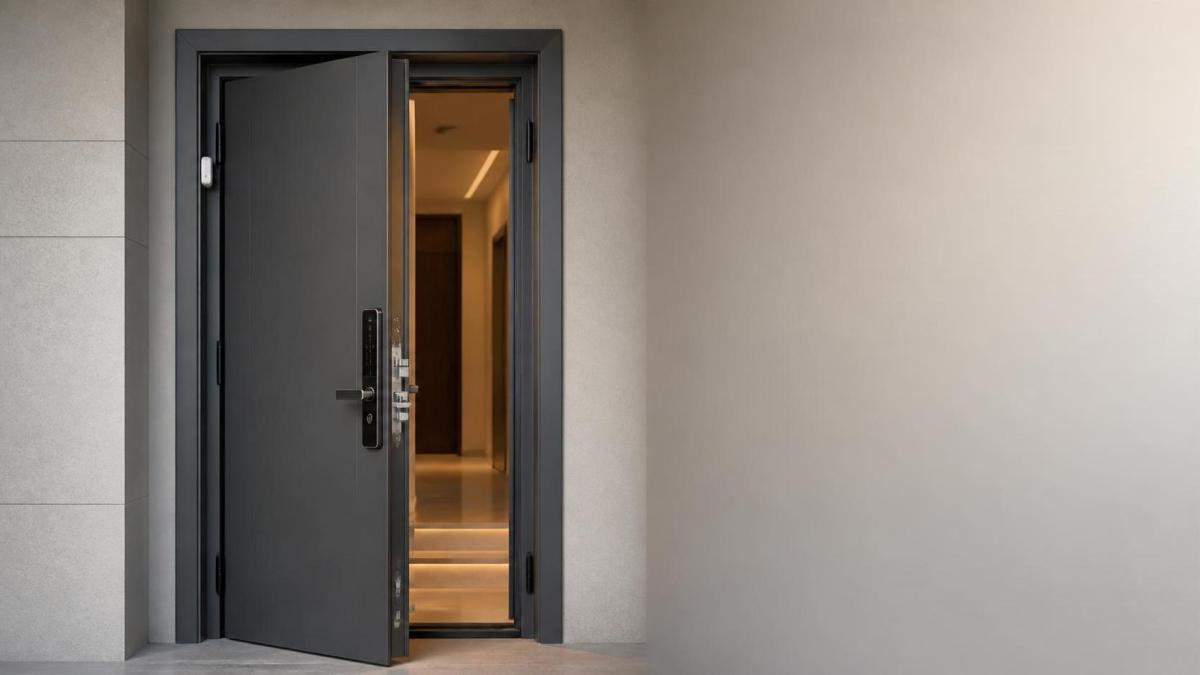
The foundation of a smart-ready entrance is structural stability. A door leaf that twists, sags, or shifts seasonally can cause lock bolts and sensors to misalign.
Electronic locks depend on consistent spacing between the latch, strike plate, and frame. Even minor movement may create failed locking attempts, battery drain, or unreliable alerts.
Ask whether the door profile, hinges, rollers, and fixing points are designed for the actual panel weight. Large glazed doors need especially careful structural planning.
Aluminum doors are often suitable for smart-home integration because quality aluminum profiles can provide strength without making the moving panel excessively bulky or difficult to operate.
However, material alone does not guarantee stability. Profile thickness, internal reinforcement, corner construction, hardware quality, and professional installation all affect long-term performance.
For hinged doors, check that the frame has sufficient depth and reinforcement around the lock area. This prevents repeated bolt movement from loosening screws or deforming surfaces.
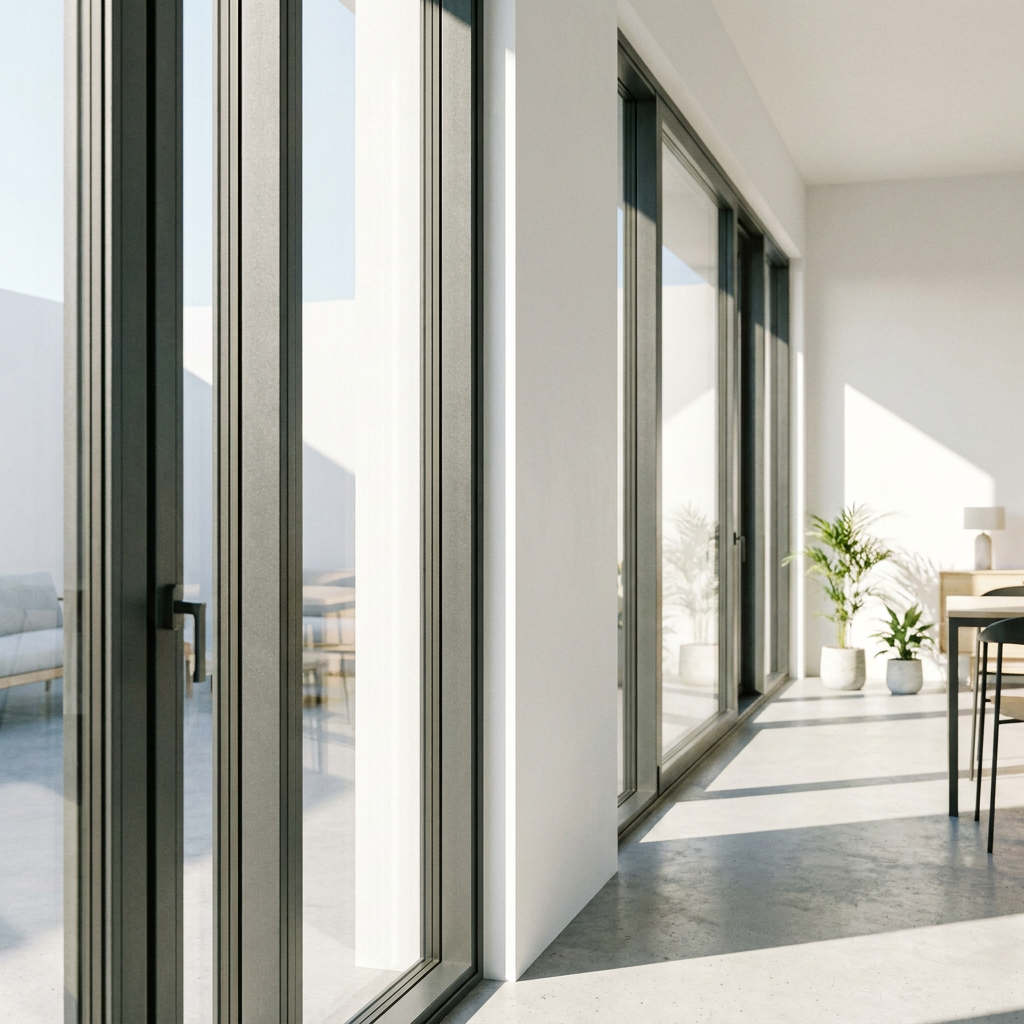
For sliding and folding systems, stability also depends on track alignment. A smart contact sensor cannot work consistently if a panel moves vertically or laterally during closing.
Homeowners should open and close a showroom door several times. Listen for rubbing, watch panel gaps, and confirm that the closing position feels repeatable without force.
Make Sure the Door Can Accept Smart Lock Hardware
Before selecting a smart lock, measure the available installation area. Door thickness, backset distance, handle position, glazing location, and internal construction determine compatible hardware options.
Many smart locks are designed for standard solid hinged doors. A narrow aluminum profile or glass-heavy panel may require a purpose-built lock body instead.
Do not assume every exterior door can accept a retrofit deadbolt. Some systems use multipoint locking, concealed locking rods, narrow stile hardware, or specialized handles.
Multipoint locks can offer strong security and better compression against weather seals. Yet they need a compatible smart actuator or carefully planned integration, rather than a universal retrofit.
Ask the door supplier where lock cylinders, handles, and locking gearboxes sit inside the profile. This information helps an installer avoid drilling into reinforcement, glass, or drainage channels.
Consider access needs before selecting hardware. A primary entrance may need keypad access, fingerprint recognition, temporary codes, remote unlocking, or a mechanical backup cylinder.
A patio door may need simpler contact sensors, motorized blinds, or an integrated alarm connection. Matching the technology to the entry point avoids paying for unused features.
Smart Home Ready Doors should also retain reliable manual operation. Batteries fail, networks go offline, and every household needs a straightforward way to enter or secure the home.
Protect Energy Efficiency Before Adding Electronics
Smart devices should improve convenience without undermining thermal performance. Exterior doors are part of the home envelope, so insulation, glazing, seals, and installation details remain essential.
Poorly insulated frames can create cold edges around the opening. This may lead to condensation, uncomfortable drafts, and higher heating or cooling costs near connected hardware.
For aluminum systems, thermal-break construction is important. It reduces heat transfer through the metal profile and supports more consistent indoor temperatures across changing seasons.
Glass selection matters as much as frame design. Insulating glass units, Low-E coatings, and appropriate cavity spacing can reduce heat loss while maintaining useful daylight.
Weather seals should compress evenly when the door closes. An uneven seal not only wastes energy but can also affect sensor accuracy when wind moves the panel.
Ask how the door drains rainwater. Exterior systems need carefully designed drainage paths, because blocked channels or incorrect drilling can lead to moisture damage around smart components.
For humid climates, consider condensation management near electronics. Devices installed on interior surfaces are generally better protected, but moisture can still travel through poorly sealed openings.
A well-insulated door makes home automation more meaningful. Temperature sensors, climate controls, and energy routines work best when the door itself is not creating avoidable heat loss.
Plan Power, Wiring, and Wireless Signal Early
Battery-powered products are convenient, but they are not the only option. Early planning gives homeowners more flexibility for wired power, concealed cabling, and future smart upgrades.
Low-voltage wiring can support electric strikes, access panels, cameras, intercoms, doorbells, sensors, and motorized opening systems without relying on multiple disposable batteries.
Discuss cable routes before the frame is installed. Running wiring through walls, headers, or concealed frame areas is usually cleaner and less expensive during construction or renovation.
Where wiring is impractical, choose devices with clear battery replacement access. Avoid installations that require removing trim, handles, glass components, or door panels for routine maintenance.
Wireless communication also deserves attention. Metal profiles, insulated glazing, masonry walls, and long distances can weaken Bluetooth, Wi-Fi, Zigbee, Thread, or proprietary radio signals.
Test your chosen ecosystem near the intended door location. A strong signal inside the living room does not always mean a lock or sensor will connect reliably outdoors.
Some smart locks use hubs or bridges to connect remotely. Confirm whether that extra equipment is required, where it will sit, and whether it needs a nearby power outlet.
Homeowners should also think about privacy. Cameras, video doorbells, and connected locks should use strong passwords, regular firmware updates, and sensible account-sharing controls.
Choose an Opening Style That Supports Your Routine
Door operation affects which smart features make sense. Hinged, sliding, folding, and casement-style systems create different access patterns, locking points, and sensor locations.
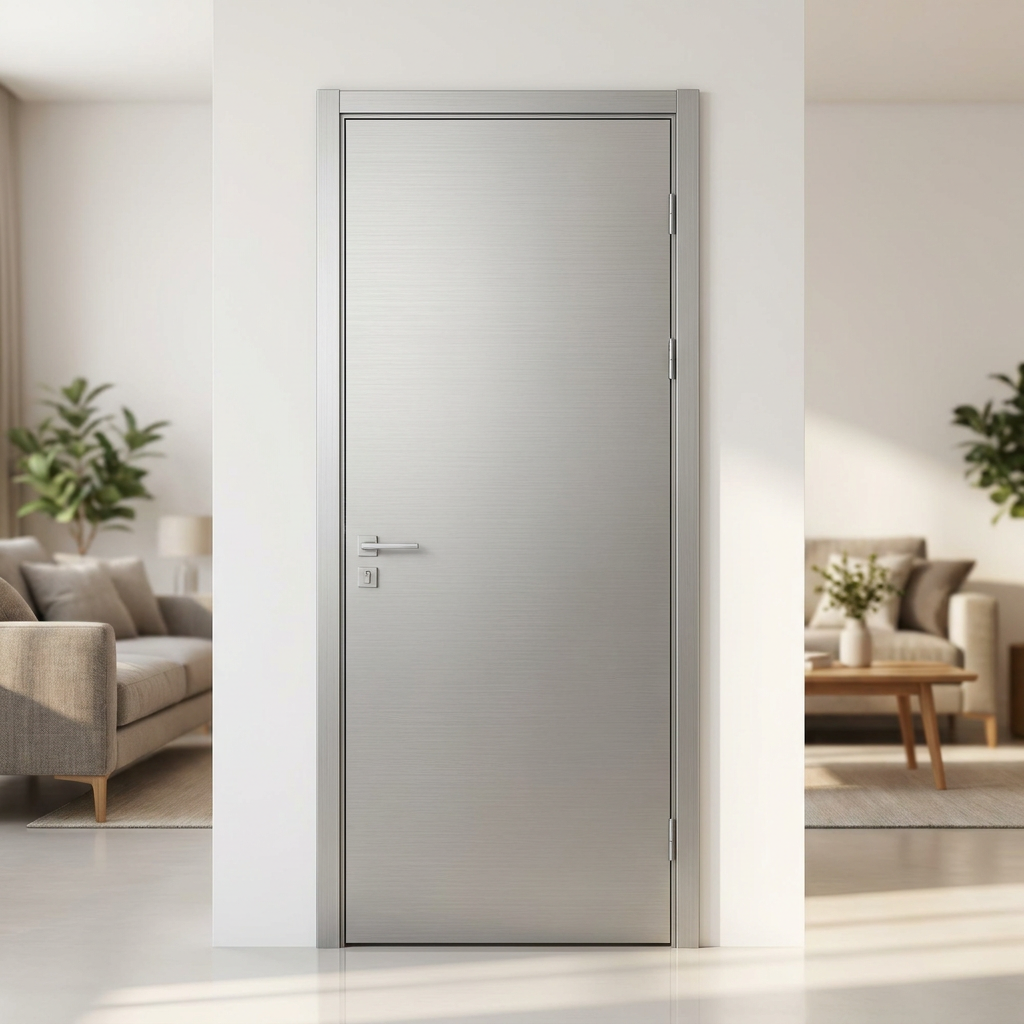
A hinged entrance door is usually the simplest platform for a keypad or biometric smart lock. Its locking edge remains fixed, and standard hardware options are widely available.
Sliding doors often benefit from contact sensors, glass-break detection, motorized blinds, and integrated security monitoring. Their lock mechanisms may require specialized smart solutions.
Folding doors create wide openings for terraces, gardens, and entertaining areas. Because several panels move together, homeowners should prioritize secure locking and stable panel alignment.
Think about who uses the door and when. Children, older relatives, guests, delivery drivers, and household staff may each require different levels of access and control.
A front door may need frequent code changes and visitor notifications. A rear garden door may need quick daily access, weather resistance, and alerts when left open.
Do not overlook threshold design. A low threshold improves accessibility, but it must still manage drainage, sealing, security, and the placement of sensors near the floor.
The most effective Smart Home Ready Doors fit everyday movement patterns first. Technology should remove friction from ordinary routines instead of adding complicated steps at every entry.
Use Glass and Security Features Together
Large glass areas bring daylight and outdoor views, but they require thoughtful security planning. Smart monitoring works best when the door system already has strong physical protection.
Laminated glass can improve safety because its interlayer helps hold fragments together after impact. It may also provide additional resistance compared with basic single-pane glazing.
For exterior glass doors, consider the location, privacy needs, and nearby access routes. Visible doors facing public areas may benefit from additional shading, alarms, or camera coverage.
Door sensors can report whether a panel is open or closed, but they do not replace strong locks. A secure frame, quality hardware, and reinforced glazing remain primary defenses.
Glass-break sensors may be useful for broad glazed areas, especially where a contact sensor alone cannot identify forced-entry attempts through a damaged panel.
When selecting a folding system for an exterior wall, look for balanced performance across insulation, sealing, sound control, visibility, and dependable locking rather than focusing on glass alone.
For example, a Full View Bi-Fold Glass Door System with Laminated Low-E Glass, Warm Edge Spacer and Custom Sizing for Exterior Walls can support a bright exterior opening while addressing thermal and glazing considerations.
Its laminated Low-E glass and warm-edge spacer approach are especially relevant when homeowners want a large opening that supports comfort, security, and connected-home planning together.
Check Installation Quality and Future Service Access
Even a well-designed door can perform poorly when installed incorrectly. Smart functions depend on precise alignment, so installation quality should be treated as part of the technology decision.
The opening must be level, plumb, and structurally sound. Incorrect shimming or poor anchoring can cause the frame to move, creating gaps that affect locks and weather seals.
Ask the installer to verify operation after all finishing work is complete. Flooring, trim, cladding, and paint can alter clearances around handles, thresholds, and sensors.
Make sure you can access adjustment points, batteries, lock cylinders, and electronic modules later. A clean-looking installation should not make ordinary maintenance unnecessarily difficult.
Keep records of lock models, key codes, wiring routes, device accounts, and warranty information. This makes troubleshooting easier when ownership, household members, or technology changes.
Exterior doors face rain, sunlight, temperature changes, dust, and repeated use. Choose finishes and seals that suit local exposure, especially around high-touch electronic hardware.
Ask who handles service if the door, lock, and automation components come from different suppliers. Clear responsibility prevents delays when an issue involves both mechanical and electronic parts.
A future-ready installation leaves room for replacement. Select standardized hardware where possible, protect cable paths, and avoid permanent modifications that limit later upgrades.
A Practical Checklist Before You Buy
Before ordering, confirm the door type, panel weight, frame construction, opening direction, lock style, glass specification, threshold detail, and intended smart-home ecosystem.
Measure the lock area carefully and compare it with the manufacturer’s requirements. Include interior clearances for thumb turns, keypads, handles, trim, and battery compartments.
Ask whether the system uses a standard single-point lock, a multipoint lock, or proprietary hardware. This answer directly affects your choice of smart locking solution.
Review insulation and weather-performance details before drilling for accessories. A poorly placed hole can damage seals, thermal breaks, drainage paths, or the integrity of the frame.
Decide whether you need wired power now, even if you plan to start with battery devices. Installing a cable route during construction is a valuable long-term option.
Test wireless coverage at the door location and consider a hub, repeater, or mesh device where needed. Reliable communication matters more than an impressive feature list.
Finally, request installation guidance and maintenance instructions. The right supplier should explain how the door, locking hardware, glazing, seals, and smart components work together.
Smart Home Ready Doors are not defined by one device. They are stable, secure, insulated, serviceable door systems designed to accept technology without sacrificing everyday performance.
Leave A Reply
Need More Details?
Contact me for details on creating and managing design projects, project features, and services and prices