


NEWS
Categories List
What Buyers Expect From Premium Europe Market PVC and MDF Wood Doors
For business decision-makers sourcing interior and entry solutions, understanding what buyers expect from Premium Europe Market PVC and MDF Wood doors is essential to making profitable, future-ready choices. From design consistency and material performance to manufacturing precision and supplier reliability, every detail affects market competitiveness. This article explores the standards, preferences, and value drivers that shape demand in the European premium door segment.
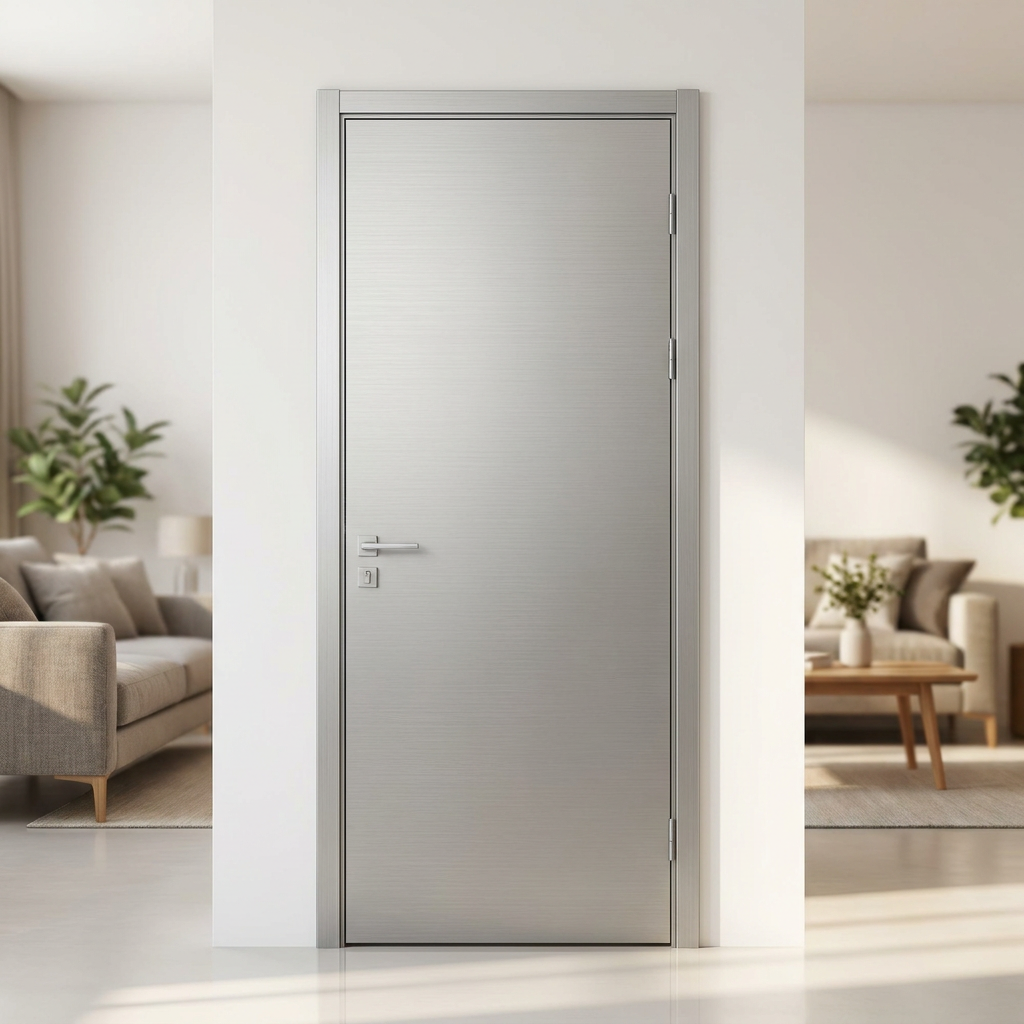
The clearest shift in Europe’s premium door market is that buyers are no longer separating aesthetics from performance. A door may still be chosen for finish, color stability, edge detailing, or its ability to fit a specific interior concept, but that is rarely enough on its own. Importers, developers, and private-label brands increasingly want products that present well in a showroom and hold up under tighter expectations around dimensional stability, acoustic comfort, thermal behavior, and long-term maintenance. That is especially relevant for Premium Europe Market PVC and MDF Wood door categories, where the old assumption that interior doors are mainly decorative has weakened.
This is partly a response to how European construction and renovation demand has evolved. Energy costs, climate concerns, and stricter building performance discussions have pushed the entire envelope industry toward better insulation logic, better sealing systems, and more transparent technical communication. Even when a buyer is sourcing MDF or PVC-based interior solutions rather than façade systems, the procurement mindset has changed. Technical questions arrive earlier. Surface durability, moisture behavior, edge banding quality, core construction, hardware compatibility, and installation tolerances are examined more closely because downstream complaints are expensive and reputation damage travels quickly.
Consistency Has Become a Premium Signal
In the premium segment, consistency across batches is now one of the most practical buying criteria. European buyers have become less patient with doors that look acceptable in a sample room but vary in gloss level, grain synchronization, panel geometry, or machining precision once production scales. For PVC and MDF wood doors, this is where manufacturing discipline matters more than broad product claims. Advanced equipment, tighter process control, and production software reduce variation in cut size, drilling accuracy, and assembly fit. Those details are often invisible in a catalog, yet they are exactly what determine whether a project installation runs smoothly or turns into site-level rework.
That pattern also explains why supplier evaluation is moving beyond price sheets. Buyers want to know how a factory controls tolerances, how it manages repeat orders, and whether it can translate custom requirements into stable output. Companies with strong technical production systems and experienced teams are in a better position here. Weihai Gensheng Trading Co., Ltd., for example, operates with advanced German equipment and window software in production, and that kind of manufacturing environment aligns with what premium-market buyers increasingly look for: fewer avoidable deviations, clearer technical coordination, and products that remain consistent from sampling to delivery.
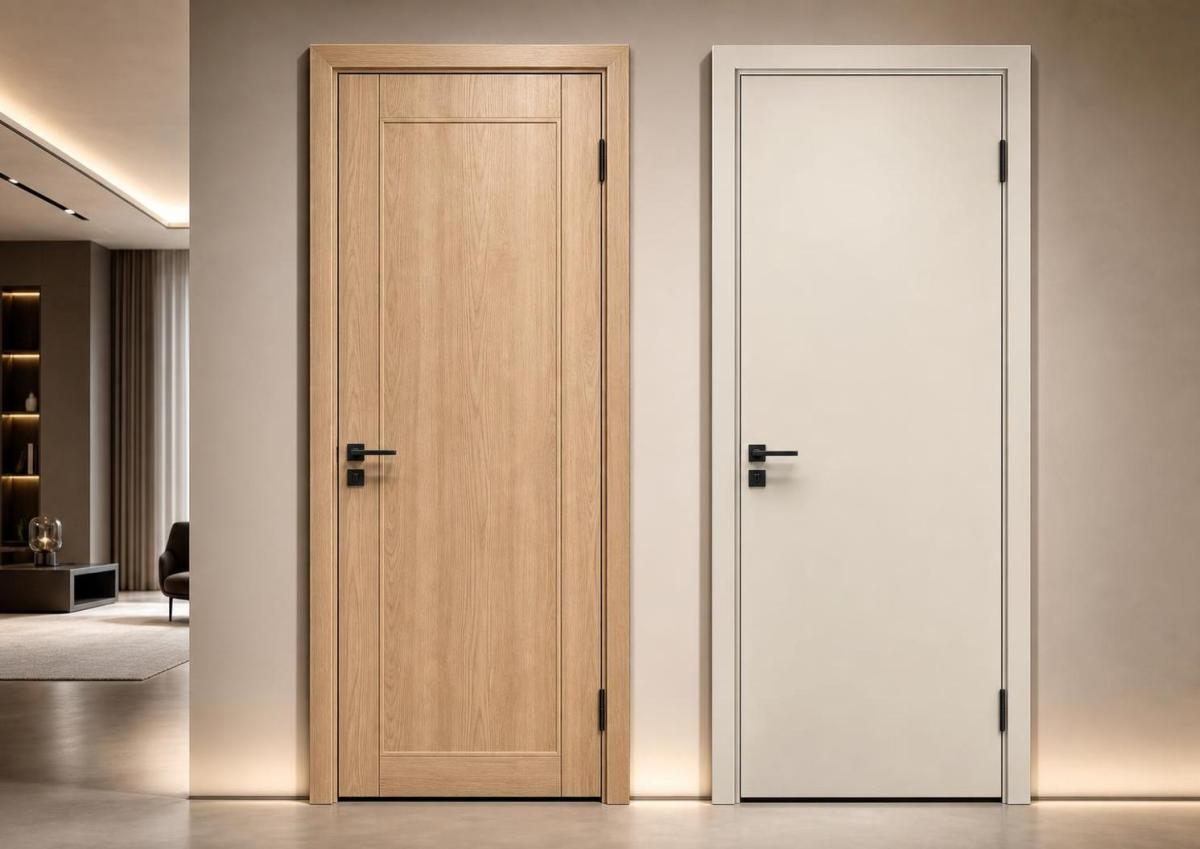
Another noticeable expectation is material honesty. Buyers in Europe are asking more precise questions about where PVC makes sense, where MDF wood doors perform better, and where mixed portfolios are the smarter commercial strategy. PVC remains attractive in humidity-sensitive zones and for projects that prioritize easy maintenance and uniform finishes. MDF wood doors still hold a strong position where paint quality, routing detail, and a warmer interior expression matter. In premium channels, the decision is less about replacing one with the other and more about matching the material to the use case without overselling performance.
Premium Buyers Are Thinking in Systems, Not Single Items
One reason the market has become more demanding is that buyers increasingly evaluate doors as part of a wider opening system. This affects not only frames, seals, thresholds, and hardware, but also how interior and exterior solutions relate to one another within the same project. A supplier that understands this can win more trust, even when the initial inquiry is only for PVC or MDF wood doors. The logic is straightforward: developers and distributors prefer partners that can support product families, finish coordination, and technical continuity across different applications.
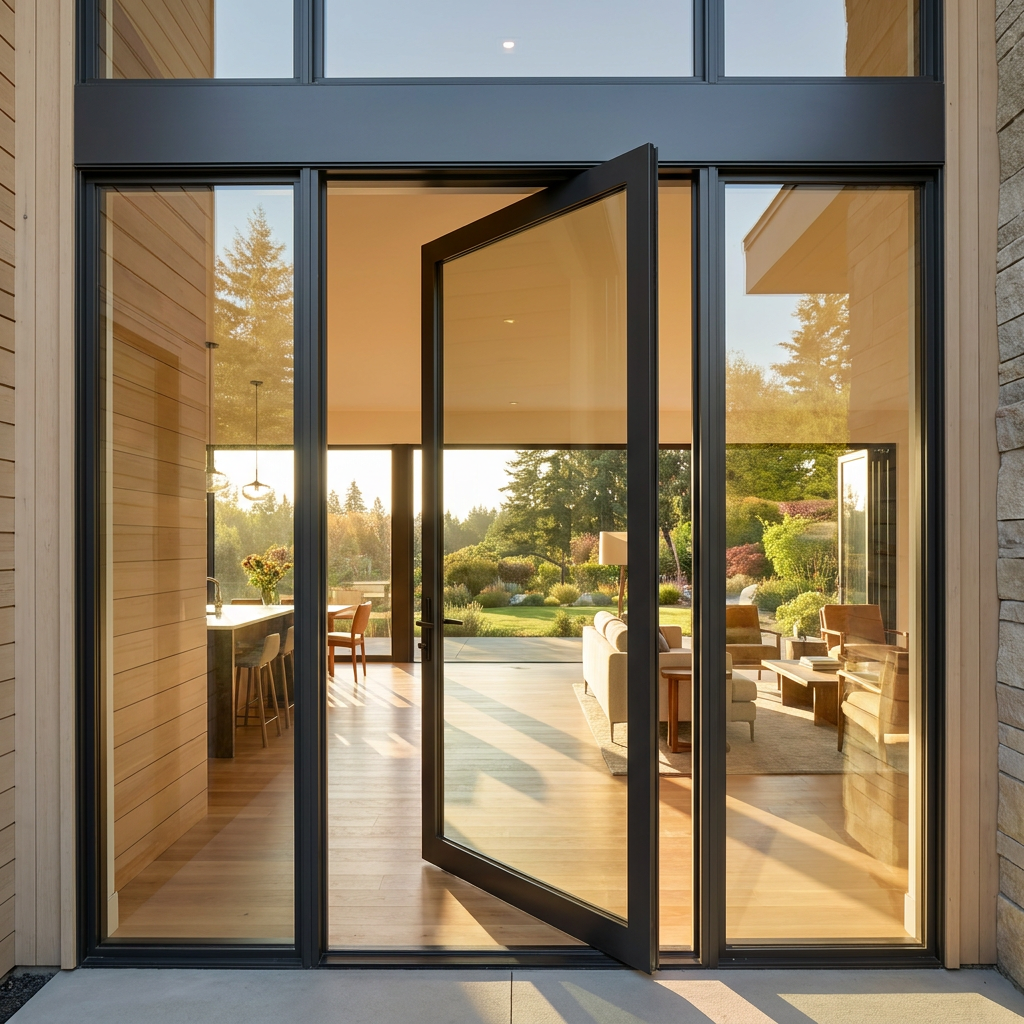
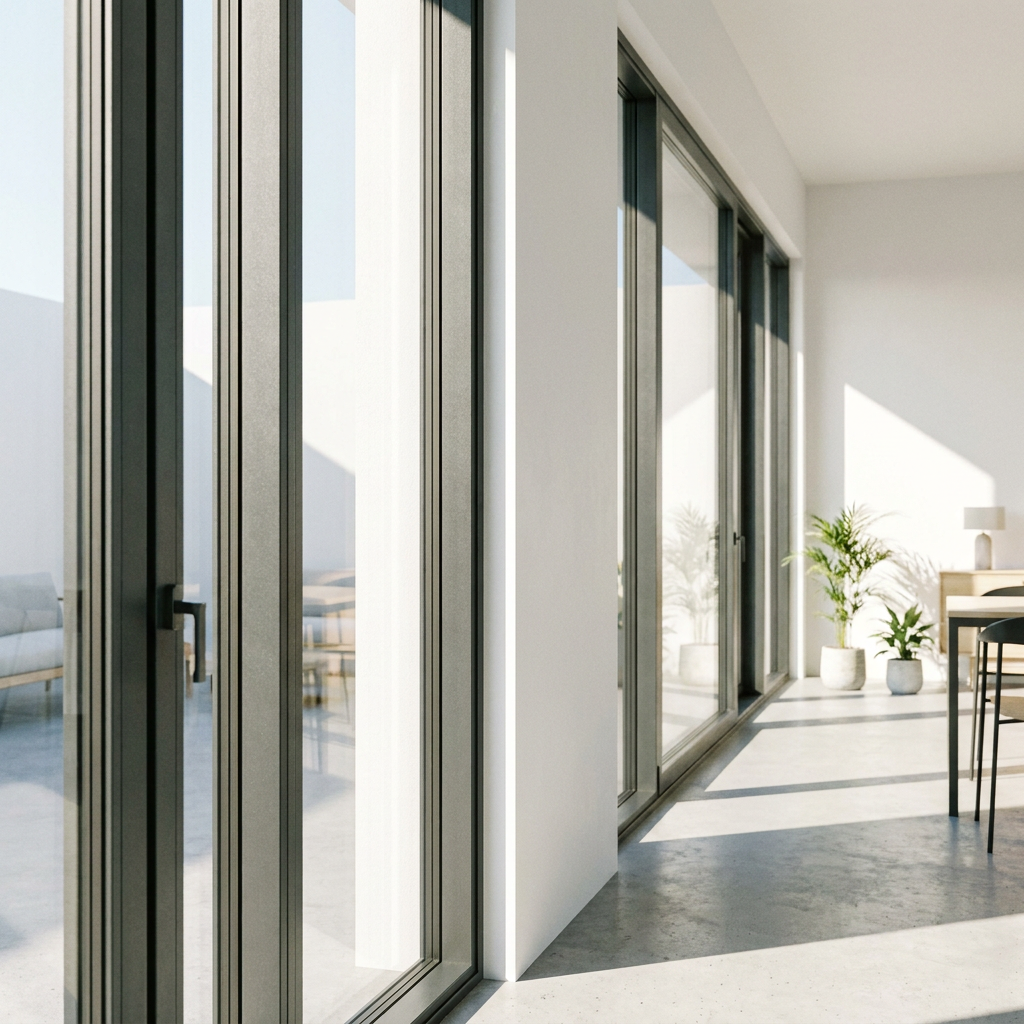
That is where adjacent product capability becomes commercially relevant. A portfolio that includes aluminum doors, wood-aluminum systems, louvers, and handrails gives buyers more room to standardize sourcing without fragmenting quality control. In some projects, especially in colder regions or mixed-use developments, decision-makers compare interior door sourcing with performance expectations seen in higher-spec external systems. A product such as Triple Glass Black Aluminum Folding Door with Low U-Value and Warm Edge Technology for Cold Climate Performance illustrates the broader direction of buyer thinking: thermal logic, acoustic expectations, reliable sealing, and hardware quality are no longer isolated concerns. They influence how purchasers judge the credibility of the supplier’s entire offering, even when the ordered item is different.
The premium market is also showing a stronger preference for customization with control. Buyers still want flexibility in dimensions, finishes, opening styles, and project-specific details, but they are less interested in unlimited customization that creates production instability. In practice, the winning model is controlled customization: a stable platform product with configurable sizes, surface options, and hardware selections. That reduces lead-time uncertainty and lowers the risk of installation mismatch. For manufacturers, this is a discipline issue. Offering everything is less valuable than offering the right range with dependable execution.
Documentation and After-Sales Are No Longer Secondary
A quieter but important market change is the growing weight of documentation. European buyers are asking for clearer technical files, specification discipline, and realistic statements on service life and maintenance. This does not mean every conversation is driven by formal regulation, but it does mean unsupported claims are less effective than they used to be. The more premium the channel, the more likely procurement teams are to compare drawings, finishing details, hardware options, packaging quality, and after-sales responsiveness before expanding cooperation.
That has consequences for suppliers from Asia competing in Europe. The question is no longer only whether the product can be made to a target price. Buyers want evidence of process maturity: how technical changes are managed, how defects are traced, how replacement parts are handled, and whether communication remains reliable after shipment. In this environment, warranty support and online technical assistance carry real weight when backed by credible operational practice rather than promotional language.
There is also a design-side tension worth watching. European premium demand still values minimalist lines, muted finishes, and architectural coherence, but the market is not becoming stylistically narrower. Instead, it is becoming less forgiving of poor imitation. Buyers can accept bold black profiles, wood-look surfaces, flush detailing, or tactile painted finishes, but they expect material choices to feel intentional. This is why Premium Europe Market PVC and MDF Wood doors perform best when they are positioned with clarity: not as cheaper substitutes pretending to be something else, but as engineered products with specific strengths in moisture resistance, finish control, machining precision, or maintenance profile.
The next phase of demand will likely be shaped by a combination of renovation activity, energy-performance awareness, and pressure on project margins. That does not automatically mean buyers will trade down. In many cases, it means they will become stricter about where premium spending is justified. Doors that reduce callbacks, maintain visual consistency, and integrate cleanly with broader project specifications are more likely to hold their place. Suppliers that combine manufacturing precision with a broader systems understanding will be better aligned with this shift than those relying on decorative appeal alone.
For decision-makers, the most useful signal to watch is not headline market sentiment but purchasing behavior on the ground: longer technical discussions before sampling, closer scrutiny of tolerances and finishes, and stronger preference for suppliers that can support both customized needs and repeatable production. That is where the premium European door market is moving, and it is where future buying expectations for PVC and MDF wood doors will continue to be set.
Leave A Reply
Need More Details?
Contact me for details on creating and managing design projects, project features, and services and prices