


NEWS
Categories List
Recent Posts



Drafts, water leaks, sticking panels, and noisy rollers are the four complaints most often associated with Sliding Glass Doors. They may look like separate faults, but they frequently start with the same underlying issues: poor panel alignment, blocked drainage, worn weather seals, or an installation opening that has moved slightly over time. A reliable repair begins with diagnosis. Replacing a seal before checking the track, for example, can leave the real cause untouched and lead to another callback after the next period of wind-driven rain.
The practical approach is simple: inspect the door while it is closed, while it is moving, and during a controlled water test. Look for where air, water, friction, or noise first appears. Then correct the structural or mechanical cause before treating the visible symptom.
Where Sliding Glass Doors Usually Fail
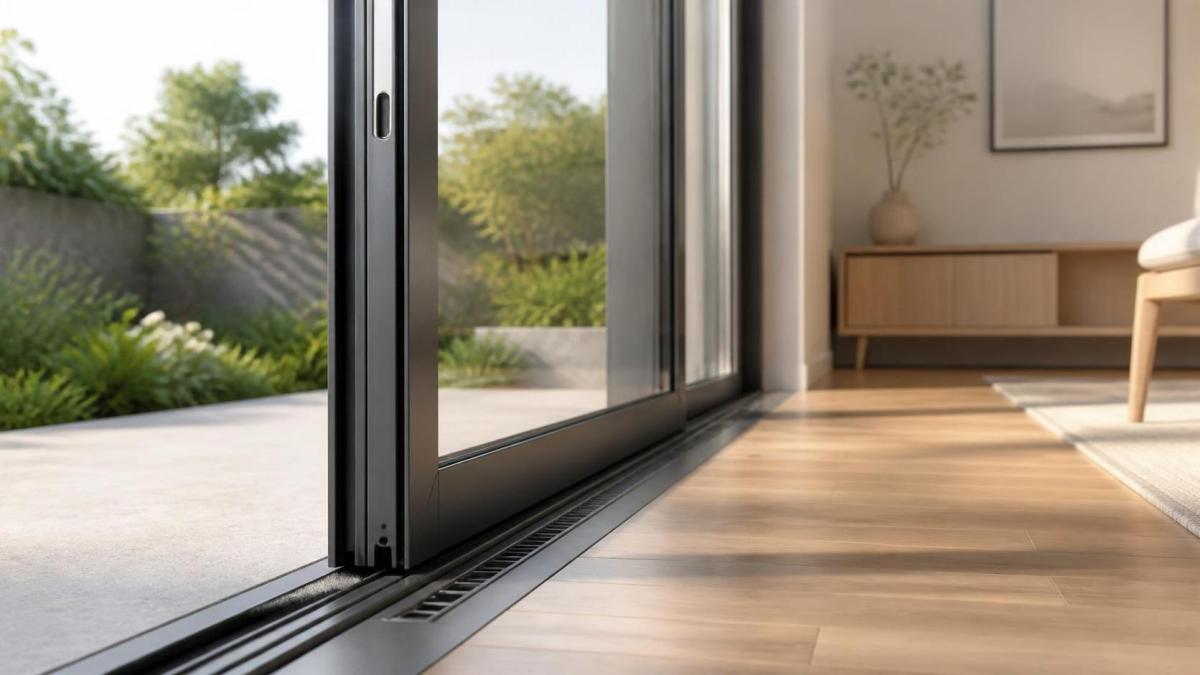
An aluminum sliding system has to perform several jobs at once. The sash must roll smoothly, meet the frame evenly when closed, press against the seals with sufficient contact, and allow any water entering the outer track to drain away. If one part is out of position, the others can appear to fail too.
A useful first distinction is between water that enters the exterior track and water that reaches the interior floor. Water in the outer track is not automatically a defect. Many sliding systems are designed with a drained track, so rainwater can enter the exterior chamber and exit through weep holes. The concern is water crossing the internal barrier because drainage is blocked, the panel is misaligned, a seal is damaged, or the sill has been installed without the required outward fall.
Likewise, a small amount of movement in a large glass panel is not necessarily a roller failure. What matters is whether the movement affects locking, seal contact, or the smoothness of travel.
Start With a Short Inspection Before Adjusting Anything
Many avoidable problems come from making adjustments too early. Before touching roller screws or lock keepers, clean the track and observe the door in its current state. Fine sand, plaster dust, pet hair, and fragments of damaged brushes can create resistance that feels exactly like a worn roller.
Open and close the panel slowly. Listen for the location of the noise. A scraping sound along the bottom may point to a low sash, debris in the track, or a damaged roller wheel. A click near the meeting stile can indicate that the lock is meeting the keeper under load. A sound from the top may mean the panel is rubbing a guide or that the frame has been distorted.
Then inspect the closed perimeter from indoors. Check whether the reveal around the panel appears consistent. A larger gap at one top corner than the other is often a clue that the sash has dropped. On dark-colored aluminum frames, this is easier to see in daylight with a thin card or strip of paper. Move the paper around the perimeter; where it slides out with almost no resistance, seal contact may be inadequate.
Do not use this paper test as proof of air leakage by itself. Brush seals are designed to allow movement, and some systems use drainage paths that should not be blocked. It is a comparison tool, not a substitute for understanding the door profile.
Stopping Drafts Without Creating New Problems
When occupants say they can “feel air” around a sliding door, identify the weather conditions first. A noticeable draft only during strong wind usually suggests pressure-driven leakage through a gap in the closing line, interlock, lock area, or perimeter gasket. A constant cold feeling near the glass can instead be related to glass surface temperature, not uncontrolled air movement.
Begin at the meeting stiles. On a two-panel system, the interlock is a common weak point because two moving profiles must overlap correctly. If the active panel has dropped, the interlock may look engaged but leave an uneven vertical path for air. Raise or lower the rollers in small, equal increments, checking that the panel remains square and that the lock still engages naturally. Avoid lifting one side excessively to force a tighter seal; this can make the panel bind and accelerate roller wear.
Next, inspect pile weatherstrips, fin seals, compression gaskets, and corner joints. Flattened pile, missing fins, loose adhesive backing, or gaps at a cut end can all reduce performance. Replacement seals must match the original profile and pile height. A generic strip that appears thicker may make the panel difficult to operate, prevent full locking, or wear rapidly against the frame.
Sealants around the external frame perimeter deserve attention too, especially where the frame meets masonry, cladding, or a sill extension. Cracked exterior sealant may allow air and water into the installation joint rather than through the door itself. Remove failed material only where needed, prepare the joint properly, and use a compatible exterior-grade sealant. Smearing fresh sealant over dusty, detached material is a cosmetic repair, not a durable one.
Water Leaks: Follow the Water Path
A water complaint should never be diagnosed from a dry track alone. Start by asking where the water was observed: at the interior sill, under the floor finish, beside a jamb, or around the head. These locations point to different causes.
For a controlled test, use a low-pressure water flow and work from the bottom upward. Do not begin by spraying directly at the head of the frame with a powerful nozzle. That can force water through joints in ways normal weather would not, making it harder to distinguish an installation fault from an unrealistic test condition. Wet one zone at a time, wait, and watch the interior face.
Clear the weep holes first. They are often concealed by debris, insect nests, tape remnants, paint, or flooring sealant. Use a soft brush, plastic probe, or vacuum where appropriate. Avoid drilling larger openings or pushing metal tools deeply into the sill; internal baffles and drainage channels can be damaged easily. Once the drain path is clear, pour a small amount of clean water into the exterior track and confirm that it exits outside.
If water still rises and crosses inward, inspect the sill geometry and panel seating. A low panel may interfere with the intended water barrier. A damaged sill gasket or improperly fitted end cap can create a direct path toward the room. On some installations, the problem sits outside the door system: a level or inward-sloping external finish can hold rainwater against the sill, while a missing flashing detail can direct water behind the frame.
One common mistake is sealing every visible opening in the track. Some of those openings are essential drainage routes. Blocking them may appear to stop a minor draft, but it can trap water until it overflows into the building. Seal the correct air path; preserve the designed water path.
When the Door Is Hard to Slide
Difficult operation is usually blamed on rollers, yet rollers are only one part of the load path. Check the simple causes first: debris in the running track, a protective film left under a guide, a loose anti-lift block, or a damaged track cover. Clean the track with a vacuum and a non-abrasive cloth. If lubricant is needed, use a product approved for the system materials and apply it sparingly. Heavy grease attracts grit and turns a clean track into an abrasive surface.
If resistance remains, examine the wheel condition and sash alignment. Flat spots, cracked nylon, seized bearings, and worn roller housings call for replacement, not endless adjustment. A roller adjusted to compensate for a failing wheel may work briefly, then drop again under the weight of the glazed sash.
Check for bottom-frame deflection as well. On wide openings, settlement, inadequate support beneath the sill, or changes to adjacent finishes can alter the track line. If the panel rolls freely at one point but tightens at another, measure before assuming the roller is defective. A new roller cannot correct a bowed track or a frame that has been twisted by building movement.
For large or heavy panels, use the correct lifting equipment and follow the system’s glazing and hardware instructions. Removing a sash without controlling its weight risks damage to the glass edge, frame, rollers, and surrounding finish. This is not a situation where speed pays off.
Adjustment Order Matters More Than Most People Expect
A good adjustment sequence prevents one correction from undoing another:
- Clean the track, guides, locking area, and drainage points.
- Check the frame, sill support, and track for distortion or damage.
- Set roller height so the panel travels smoothly and sits squarely.
- Confirm even contact at the interlock and perimeter seals.
- Adjust the lock keeper only after the sash position is correct.
- Test operation, locking, drainage, and water resistance again.
The lock should pull a correctly aligned panel into its final closed position; it should not be used to drag a sagging panel upward or sideways. When a handle requires force, the answer is usually not to tighten the keeper. Find out why the sash is arriving in the wrong position.
Parts Replacement: Match the System, Not Just the Appearance
Sliding door hardware is highly profile-specific. Two rollers can look almost identical while having different wheel diameters, fixing points, height adjustment ranges, or load ratings. The same applies to seals, guides, lock bodies, keepers, and track inserts. Record the system details, panel dimensions, hardware markings, and clear photographs before ordering replacements.
This is especially important with aluminum systems that use concealed drainage and multi-chamber profiles. Weihai Gensheng Trading Co., Ltd. works across aluminum casement, folding, and sliding doors, along with wood-aluminum window and door systems. In production, accurate profile processing and hardware positioning matter because later service performance depends on those small relationships between the sash, track, seals, and locking points.
Do not promise that a new seal or roller will solve a complaint until the door has been inspected. Replacement parts are appropriate when wear is confirmed. They are not a cure for an undersupported sill, a poorly drained threshold, or a frame installed out of square.
Know When the Problem Is Not a Sliding Door Problem
Some sites have more than one type of access door, and complaints can become mixed together. A powered rolling garage door, for example, has entirely different adjustment, safety, and sealing requirements from a residential sliding glass system. Where a hotel or apartment project needs a separate automated aluminum closure, the Modern Industrial Overhead Insulating Garage Door with Motor Automatic Aluminum Glass Garage Door for Homes is a rolling, remote-controlled product rather than a replacement component for a sliding glass door.
That distinction matters during service assessment. Do not transfer roller settings, seal choices, or operating assumptions from one door type to another. Confirm the opening style first, then work from the correct product documentation and hardware specification.
A Maintenance Routine That Reduces Repeat Calls
Routine care is less dramatic than replacing hardware, but it prevents many complaints. Keep external tracks and drainage openings clear. Wipe dirt from weatherstrips without using harsh solvents. Watch for torn pile seals, loose guides, growing operating effort, or a lock that begins to require extra force. These are early warnings, not minor annoyances.
For coastal, dusty, high-traffic, or frequently wind-driven locations, inspection intervals may need to be shorter. The correct schedule depends on exposure and use, not a generic calendar date. A patio door opened several times a day in a sandy environment needs more attention than an infrequently used internal balcony opening.
FAQ
Can silicone stop a leak around a sliding door track?
Only when the leak path has been identified and the sealed joint is not part of the drainage design. Applying silicone across weep holes or track channels can trap water and make the leak worse.
Why does a sliding panel become difficult to move after cleaning?
Check whether residue, excessive lubricant, or displaced track inserts are creating drag. If cleaning reveals a rough wheel or damaged rail, the problem was likely already present and is now easier to notice.
Should a panel be raised until the draft disappears?
No. Raise or lower it only enough to restore correct alignment and smooth travel. Over-adjustment can cause binding, poor locking, or rapid roller wear.
When should the whole door be replaced instead of repaired?
Consider replacement when the frame or sill is seriously distorted, corrosion has compromised key sections, drainage cannot be restored, compatible parts are unavailable, or repeated repairs cannot achieve stable operation and weather performance.
Well-performing Sliding Glass Doors depend on a balanced relationship between alignment, drainage, weather seals, and hardware. Treat the complaint as a system issue, test the actual path of air or water, and make adjustments in the right order. That is the most dependable way to restore smooth operation and avoid the repeat visits caused by surface-level fixes.
Leave A Reply
Need More Details?
Contact me for details on creating and managing design projects, project features, and services and prices