


NEWS
Categories List
Recent Posts
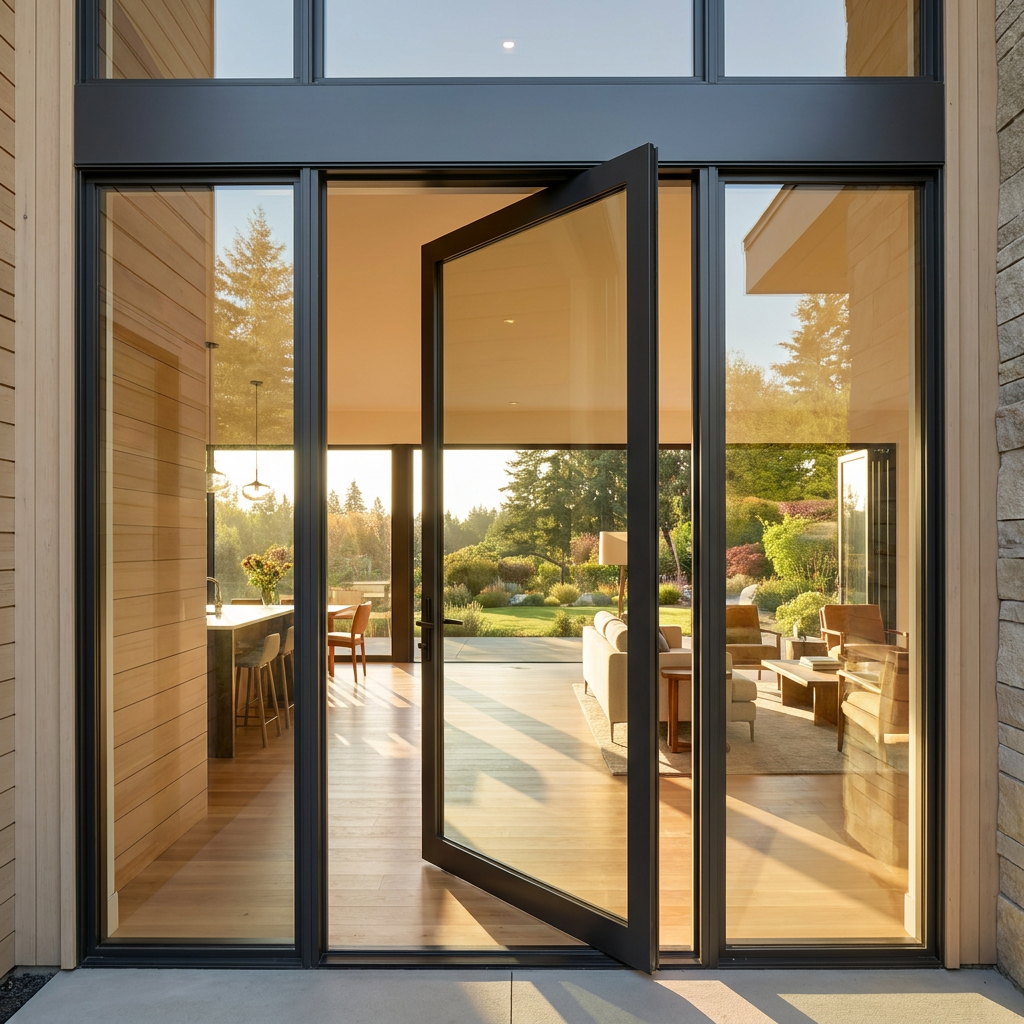
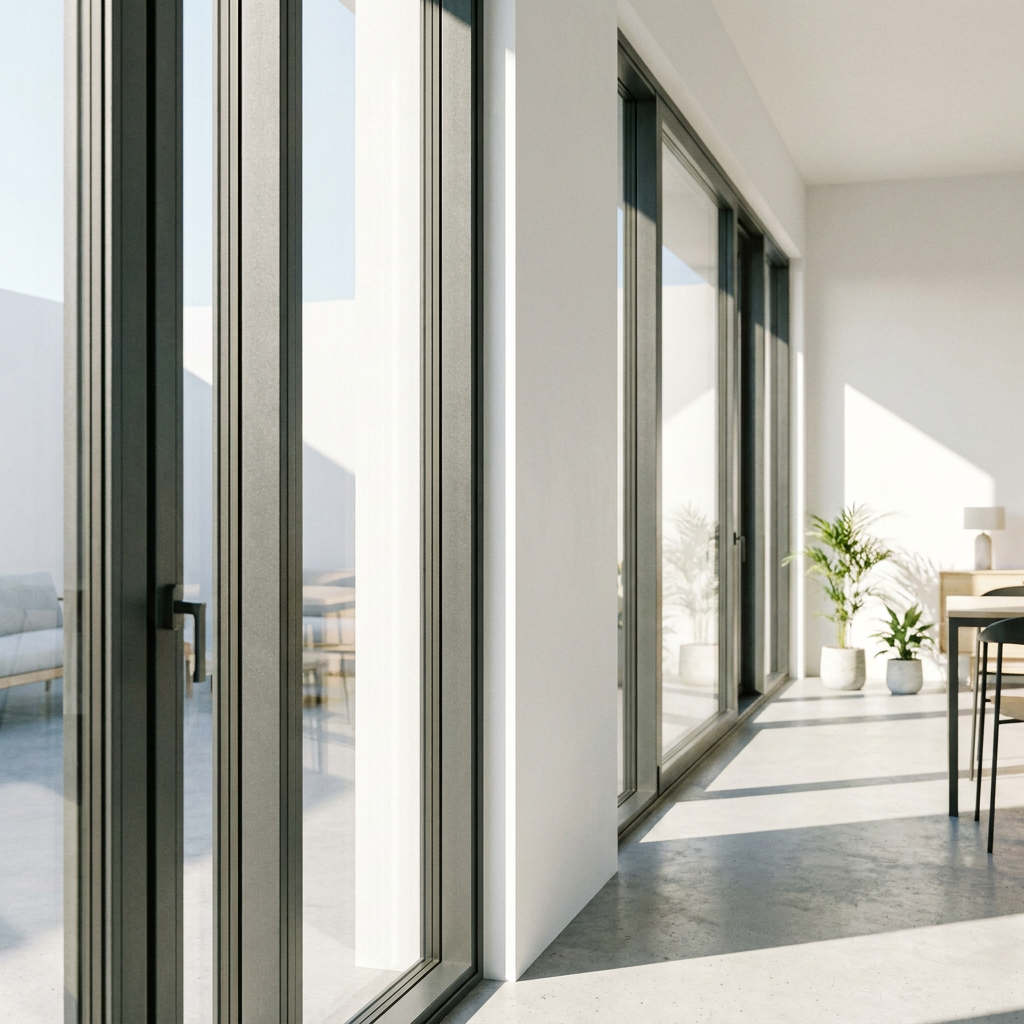
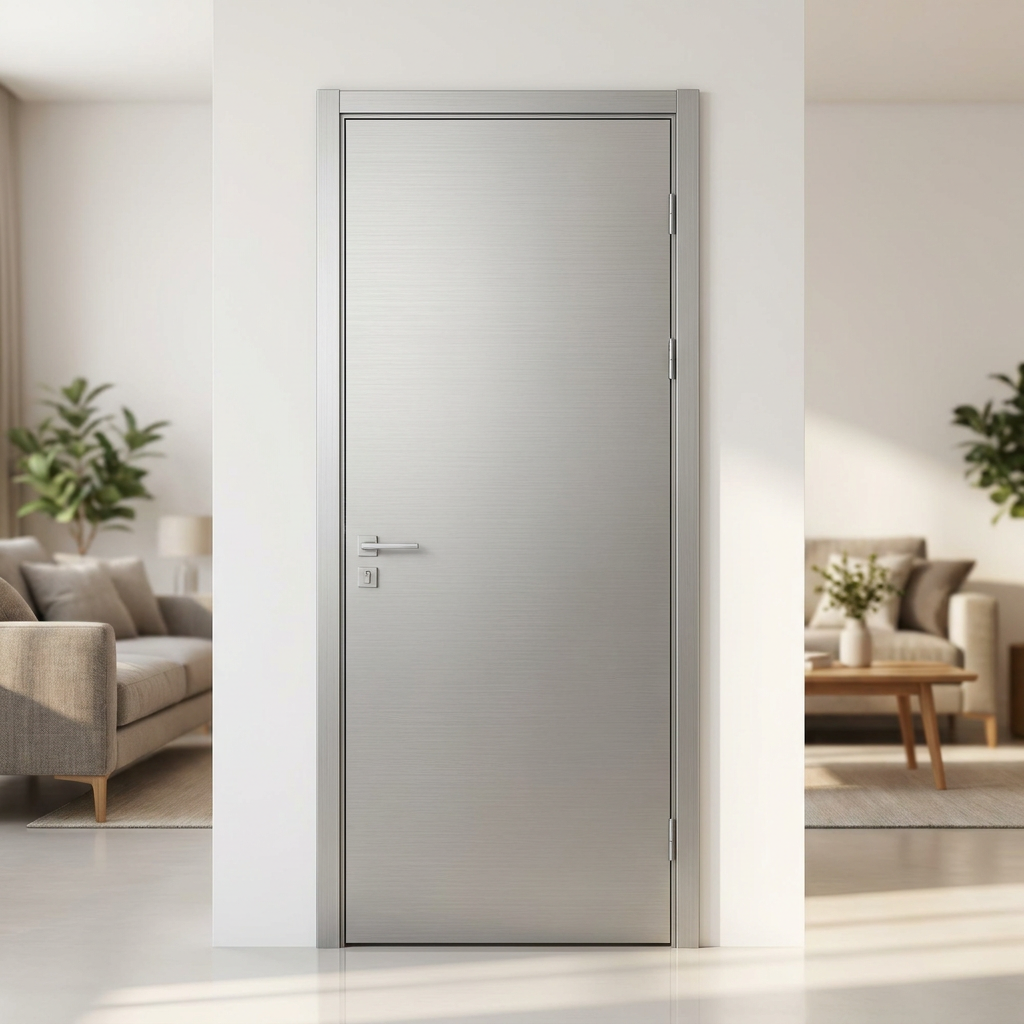

Choosing between Premium Europe Market PVC and MDF Wood has become a practical issue in home furniture and architectural interiors, not just a material preference. For specification work, budget control, and long-term product value, the difference between these two materials affects durability, finish quality, maintenance needs, and how well a design performs in daily use.
That matters even more when projects combine furniture elements with doors, frames, or integrated interior systems. In European-facing markets, buyers often compare Premium Europe Market PVC and MDF Wood across appearance, moisture resistance, machining stability, and suitability for different living environments.
Why the comparison matters now
Material decisions are under closer review because customers expect cleaner finishes, lower maintenance, and more consistent quality across batches. At the same time, interior products must meet aesthetic expectations without creating avoidable replacement costs later.
In home furniture, the wrong choice can show up quickly. Swelling edges, unstable coatings, visible joint movement, or premature wear all create downstream cost. That is why Premium Europe Market PVC and MDF Wood should be assessed by application, not by headline price alone.
Understanding the two materials in context
PVC in this context usually refers to a polymer-based material used for profiles, wrapped surfaces, panels, or decorative and structural components. It is widely valued for moisture resistance, stable color options, and easier cleaning.
MDF Wood refers to medium-density fiberboard, an engineered wood product made from wood fibers and resin under pressure. It is often selected for its smooth surface, strong paint performance, and reliable shaping for interior furniture and door skins.
Both can support attractive interior results. The real question is where each material performs best, and where its limitations start to affect lifecycle value.
Key differences buyers should weigh
A side-by-side view is usually more useful than broad claims.
In many residential interior applications, PVC gains attention where humidity, cleaning frequency, or surface consistency are priorities. MDF Wood remains highly relevant where a refined painted finish or shaped decorative detail is central to the design.
How this affects home furniture and door systems
Cabinet fronts, wardrobe components, decorative wall panels, interior doors, and mixed-material room dividers all rely on predictable material behavior. Premium Europe Market PVC and MDF Wood influence not only appearance but also installation outcomes and after-sales performance.
For example, PVC can be the stronger option in kitchens, utility areas, and spaces with repeated cleaning. MDF Wood can be the better fit in bedrooms, living spaces, or custom painted furniture where edge detailing and visual depth matter more.
The same logic extends to door-related products. A supplier working across aluminum casement, folding, and sliding doors, wooden doors, handrails, louvers, and wood-aluminum systems must evaluate substrate choice in relation to finish standards and usage conditions.
That is where production discipline also matters. Weihai Gensheng Trading Co., Ltd. operates with advanced German equipment and window software, which is relevant because better processing control often reduces visible defects, dimensional variation, and fit issues across finished components.
Where each material usually performs best
- PVC: bathroom cabinetry, utility furniture, wrapped panels, moisture-prone door surfaces, easy-clean decorative applications.
- MDF Wood: painted cabinet doors, interior furniture fronts, routed decorative panels, premium interior door facings.
- Hybrid use: projects combining aluminum framing, glass, and interior wood-style elements often benefit from mixing materials by zone.
What the market is paying attention to
European-market projects are increasingly sensitive to finish stability, moisture behavior, repeatable manufacturing, and visual consistency between samples and delivered goods. Premium Europe Market PVC and MDF Wood are often judged through those operational details.
More buyers are also looking at how a material fits larger system design. A door, cabinet, partition, and frame package should not feel like disconnected purchases. Material coordination affects lead time, installation accuracy, and the final perception of quality.
In that broader specification approach, even products outside core furniture lines can provide useful reference. A project considering aluminum-framed glazed openings, for instance, may also review solutions such as Modern Sectional Tempered Glass Aluminum Frame Garage Door Glass Roller Shutter Garage Door to understand how glass, metal framing, and finish integration are handled across visible architectural elements.
Practical checks before making a decision
A material comparison becomes more reliable when it moves beyond catalog language. Several checkpoints help clarify whether Premium Europe Market PVC and MDF Wood align with actual project conditions.
- Review moisture exposure by room, not by product category alone.
- Check edge treatment and surface sealing details.
- Ask for finish samples under realistic lighting.
- Compare machining quality on corners, routed profiles, and joint lines.
- Confirm whether consistency is maintained across multiple batches.
- Evaluate cleaning demands and likely wear patterns over time.
It also helps to consider whether the supplier has experience across both furniture and architectural products. That wider perspective often improves recommendations when a project includes wooden doors, aluminum systems, and coordinated interior finishes.
A useful way to move forward
The best choice between Premium Europe Market PVC and MDF Wood is rarely universal. It depends on where the material sits, how it is finished, what conditions it faces, and how tightly quality needs to be controlled from sample to installation.
A sensible next step is to build a comparison around three things: exposure conditions, finish expectations, and production consistency. Once those are clear, Premium Europe Market PVC and MDF Wood can be evaluated with fewer assumptions and better commercial confidence.
For interior furniture, door systems, and mixed residential applications, that approach usually leads to a more accurate specification and a more reliable sourcing outcome.
Leave A Reply
Need More Details?
Contact me for details on creating and managing design projects, project features, and services and prices