


NEWS
Categories List
Recent Posts
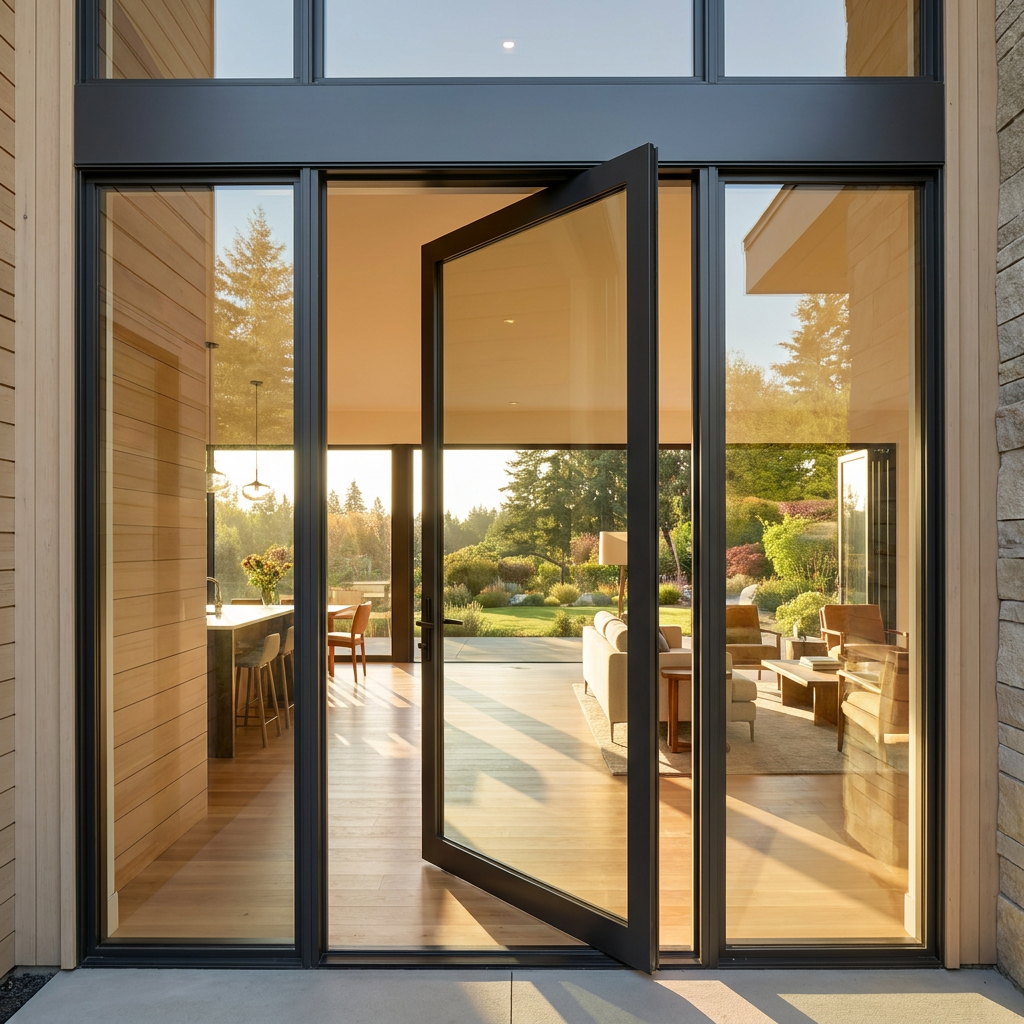
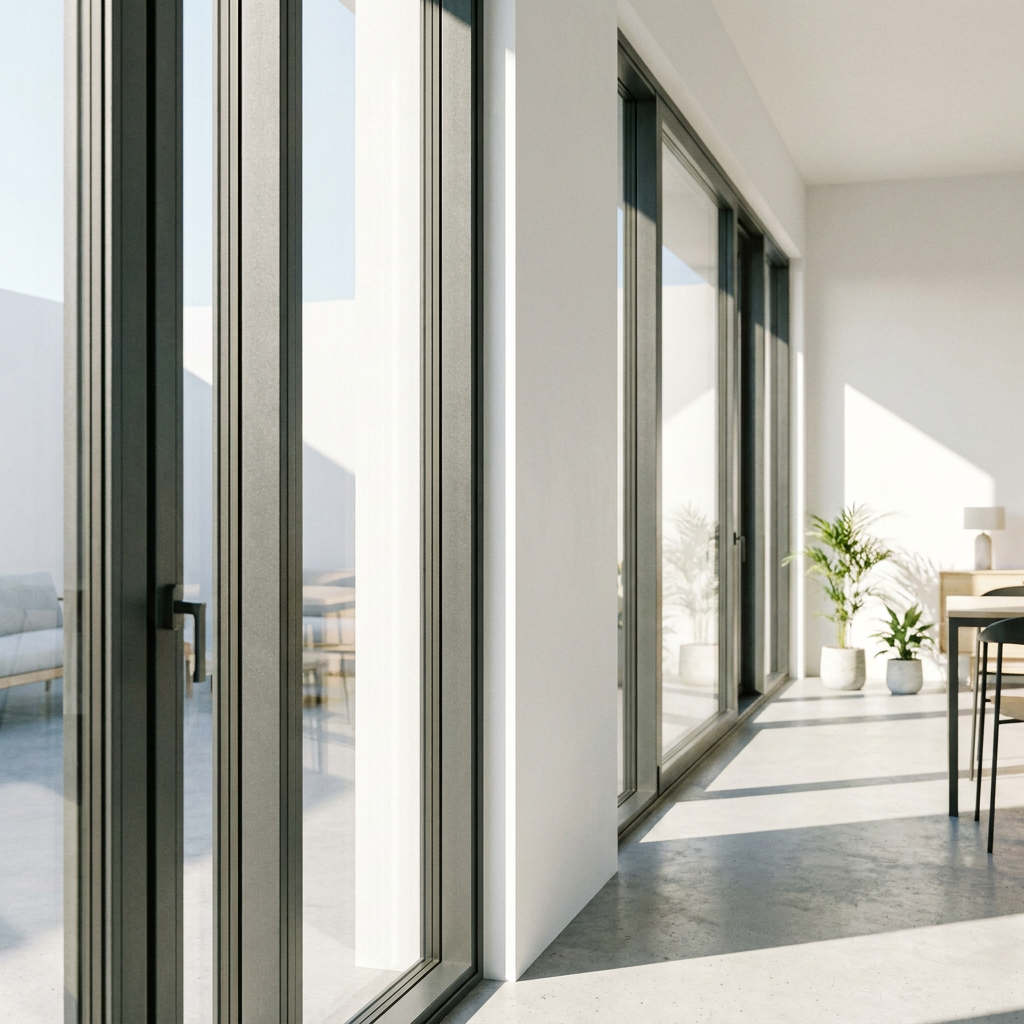
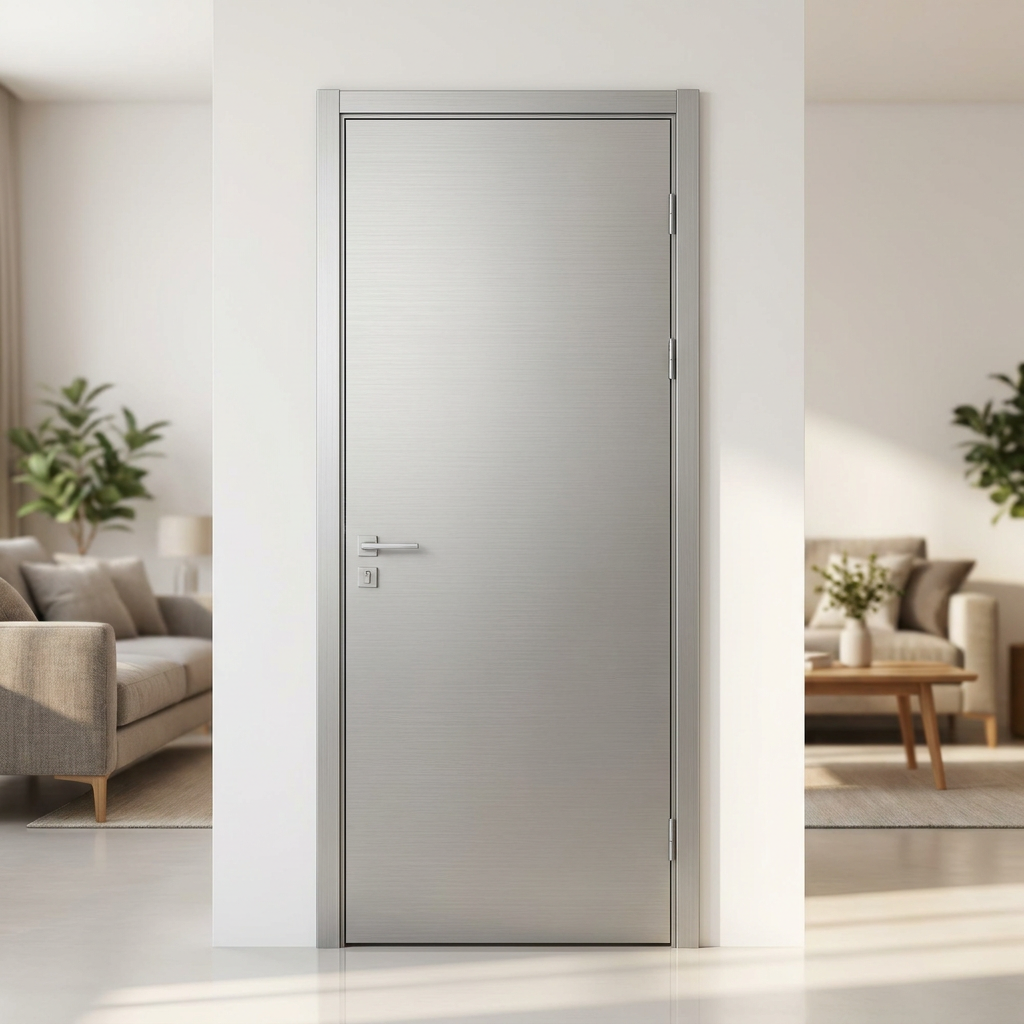

Selecting between PVC and MDF wood is rarely a simple material choice in premium residential door projects. It affects visual consistency, acoustic comfort, maintenance cycles, and budget discipline. In the context of Premium Europe Market PVC and MDF Wood, the right decision depends less on trends and more on how the door will perform in real interior conditions, how the finish must look over time, and how closely the product aligns with the quality expectations of a high-end build.
Why this comparison matters in premium door design
Interior doors are visible every day and used constantly. Even small weaknesses in surface stability, edge finishing, or dimensional accuracy become obvious after handover.
That is why Premium Europe Market PVC and MDF Wood remains a practical decision topic for developers, villa projects, apartments, and refined home furniture packages.
A premium result is not defined by appearance alone. It also depends on production control, fit tolerance, hardware compatibility, and how well the selected material supports the design language.
This is also where experienced manufacturing matters. Weihai Gensheng Trading Co., Ltd. works across aluminum doors, wooden doors, handrails, louvers, and wood-aluminum systems, supported by advanced German equipment and window software. That production background is relevant because premium projects need repeatable quality, not one-off visual appeal.
Understanding PVC and MDF wood in door applications
PVC in this discussion usually refers to a decorative and protective surface solution used on interior door panels or skins. It is valued for moisture resistance, easy cleaning, and stable finish performance.
MDF wood generally refers to medium-density fiberboard used as a core or main substrate. It offers a smooth, dense surface that supports paint, veneer, and detailed profiling.
In many premium door programs, the real comparison is not raw PVC versus raw MDF alone. It is often PVC-laminated door construction versus MDF-based painted or veneered door construction.
That distinction matters because performance depends on the full assembly, including core structure, edge treatment, adhesive quality, machining accuracy, and finishing process.
Where Premium Europe Market PVC and MDF Wood differ most
The most useful comparison points are not generic claims. They are the factors that usually create cost overruns, callback issues, or finish dissatisfaction after installation.
For many residential developments, PVC supports cleaner delivery on schedule. MDF wood often wins where the architectural brief prioritizes texture, depth, and a more traditional premium feel.
How material choice affects residential furniture and door packages
Door selection does not sit alone. It must match cabinetry tones, skirting lines, wall finishes, and the wider home furniture concept.
PVC doors often suit contemporary apartments, rental-upgrade projects, and family homes that need a neat, durable, easy-care interior solution.
MDF wood is often preferred in boutique residences, model homes, and projects where painted surfaces or wood veneers must feel warmer and more tailored.
When the design intent includes custom bedroom or interior layouts, a made-to-size solution can simplify alignment with wall openings and furniture proportions. A product such as High Quality Wooden Wood Door Custom Size Interior Bedroom Door Wholesale fits naturally into that kind of specification review.
Current industry concerns behind the PVC vs MDF decision
Projects in the premium segment are under pressure from tighter schedules and higher finish expectations. Material decisions now need to reduce risk across procurement, installation, and after-sales performance.
In Premium Europe Market PVC and MDF Wood discussions, four concerns appear repeatedly:
- Whether the finish remains stable in changing indoor humidity.
- Whether color and texture stay consistent across batch production.
- Whether the door system supports precise hardware installation.
- Whether the chosen material lowers long-term maintenance complaints.
These issues explain why supplier capability should be reviewed alongside the material itself. Precision equipment, process discipline, and detail control often decide the final outcome more than the headline material label.
A practical way to decide between Premium Europe Market PVC and MDF Wood
Choose PVC when consistency and maintenance matter most
PVC is usually the stronger option for projects needing repeatable finish quality across many units. It performs well where cleaning frequency is high and usage is intensive.
It is also useful when visual language leans minimalist. Smooth, controlled surfaces often match modern residential interiors better than highly expressive grain patterns.
Choose MDF wood when design detail leads the brief
MDF wood works well when the door needs routed shapes, premium painted faces, or veneer treatments that support a more crafted interior style.
This route deserves closer review of sealing, finishing, and site conditions. Premium appearance can be excellent, but execution standards must stay high from factory to installation.
What to check before locking the specification
Before confirming Premium Europe Market PVC and MDF Wood for a project, it helps to test the decision against a short checklist.
- Confirm the required finish style, including gloss level, grain direction, and color consistency.
- Review humidity exposure in bedrooms, corridors, and transition zones.
- Check door leaf size, hardware weight, and frame compatibility.
- Request sample corners and edge details, not only flat swatches.
- Verify production tolerance and batch control for multi-unit delivery.
- Compare lifecycle maintenance, not just initial unit price.
If a project includes custom interior doors, one useful step is to compare a PVC solution with a tailored MDF wood offering such as High Quality Wooden Wood Door Custom Size Interior Bedroom Door Wholesale against the actual room design package, not in isolation.
A balanced conclusion for premium projects
There is no universal winner in PVC vs MDF wood. The better option depends on whether the project places more value on maintenance stability, finish uniformity, shaped detailing, or a specific premium interior expression.
Premium Europe Market PVC and MDF Wood should be judged as part of a full door solution, including production precision, finishing control, and fit with the wider home furniture scheme.
A solid next step is to map each door location by usage intensity, moisture exposure, and design intent, then compare material samples and manufacturing standards side by side. That approach usually leads to a clearer, more defensible specification.
Leave A Reply
Need More Details?
Contact me for details on creating and managing design projects, project features, and services and prices