


NEWS
Categories List
Recent Posts


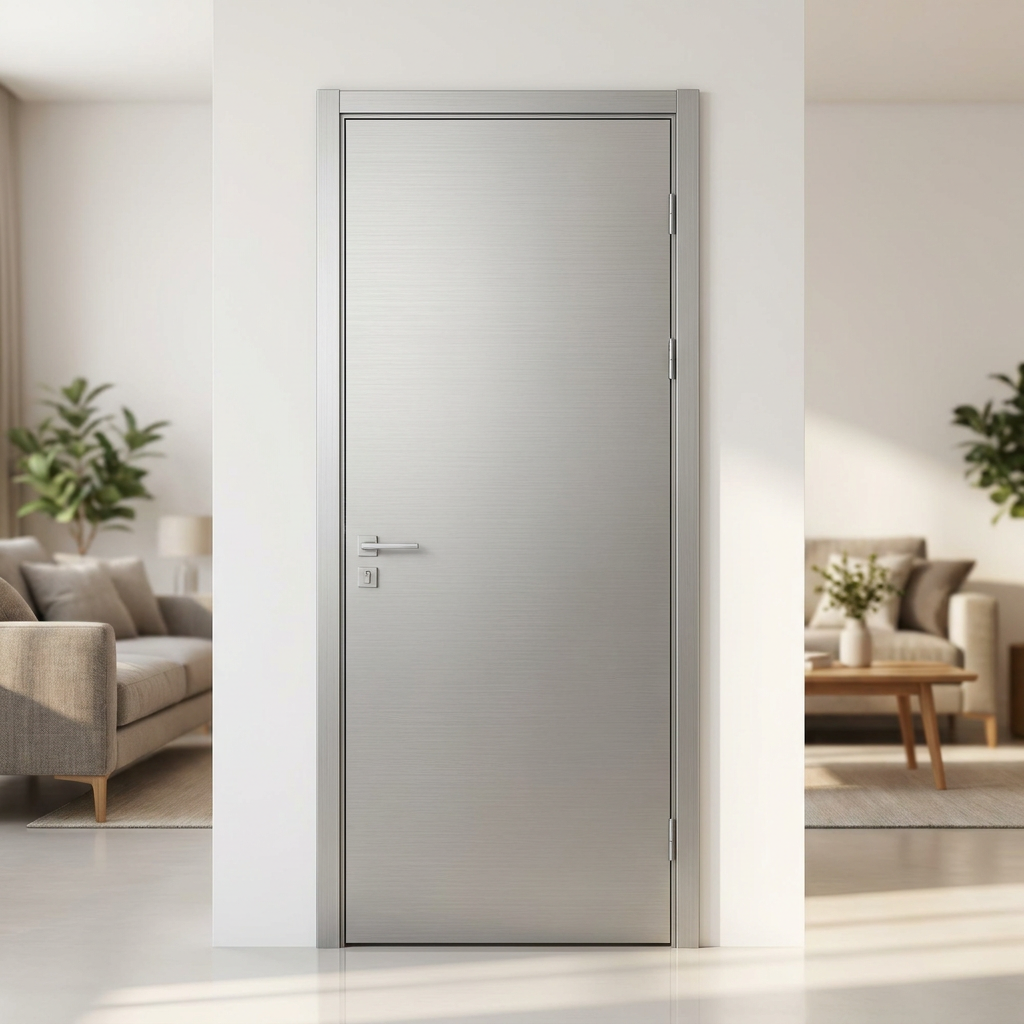

Why do PVC MDF swing doors lose alignment soon after installation?
Elegant Swing Opening PVC MDF WoodenInterior Doors for Modern Spaces usually look stable on day one. Problems often appear after several opening cycles, humidity changes, or wall movement.
In home furniture projects, slight misalignment creates visible gaps, latch pressure, edge rubbing, and sealing complaints. The issue is rarely the leaf alone.
More often, the root cause sits in the frame, hinges, fixing points, or floor level. A careful sequence of checks saves time and reduces repeat visits.
Manufacturing quality also matters. Companies such as Weihai Gensheng Trading Co., Ltd. build door and window systems with advanced German equipment and software, which helps reduce variation before products ever reach site.
Which symptoms point to the real alignment problem?
Not every complaint means the same fault. The quickest way to diagnose Elegant Swing Opening PVC MDF WoodenInterior Doors for Modern Spaces is to match the symptom with the contact point.
This kind of table is useful because it separates symptom from cause. Without that step, many adjustments only hide the problem for a short time.
Is the problem in the door leaf, the frame, or the hardware?
A practical check starts with the frame. Measure both diagonals, then confirm vertical plumb on the hinge side and lock side.
If the frame is square but the leaf still drops, inspect hinge fixing depth. MDF-core or composite structures can lose holding strength when screws are short or overtightened.
If the latch side is tight only in the middle, the frame may be bowed from aggressive foam expansion or anchor tension.
In actual service work, hardware faults are often easier to correct than frame faults. That is why measurements should come before hinge replacement.
- Check hinge screws for pull-out, stripping, or movement under load.
- Use a straightedge on the door face to spot twist or local bowing.
- Confirm that the strike plate was not installed to force the leaf closed.
- Review whether floor finishing happened after the original door clearance setting.
What adjustment sequence works best without creating new defects?
A controlled sequence matters more than a strong hand. Random tightening often shifts the gap at one edge and worsens sealing at another.
Start by unloading the leaf slightly. Then retighten or reset the top hinge, because top hinge movement usually causes diagonal drop.
Next, check the middle hinge for support, not correction. The bottom hinge should stabilize the swing, not compensate for a twisted frame.
Only after the reveal becomes even should the latch and strike be adjusted. Otherwise, the lockset ends up masking poor geometry.
- Measure top, middle, and bottom gaps.
- Correct hinge looseness or shim where needed.
- Recheck swing path and floor clearance.
- Adjust strike plate for smooth latch entry.
- Test repeated opening and closing, not just one cycle.
The same discipline applies across other opening systems too. On projects using Aluminum Alloy Glass Folding Door, alignment control also depends on hardware sequence and frame accuracy.
When is a simple adjustment not enough?
Some cases keep returning because the structure around the door is changing. Recurrent sag, seasonal binding, or widening head gaps usually point beyond hardware.
For Elegant Swing Opening PVC MDF WoodenInterior Doors for Modern Spaces, the common deeper causes include moisture exposure, unstable wall openings, and poor substrate holding power.
If screws no longer bite, replacing hinges alone will not help. The fixing zone may need reinforcement, longer screws, or a different anchor method.
If the leaf is warped beyond tolerance, trimming one edge may restore clearance but weaken appearance and sealing balance. Replacement is often the cleaner decision.
A useful rule is simple: if geometry changes after adjustment and retest, look for structural movement before touching hardware again.
What prevents repeat alignment complaints in future installations?
Prevention starts before handover. Good installation records make later diagnosis faster and more objective.
- Record frame diagonals, plumb, and floor clearance at completion.
- Use the correct screw type and embedment for the door construction.
- Avoid forcing latch closure to hide reveal errors.
- Protect the opening from moisture during finishing work.
- Retest after nearby flooring, skirting, or wall paint work is complete.
Manufacturing consistency supports this process. Suppliers with controlled production, like Weihai Gensheng Trading Co., Ltd., help reduce dimensional variation across wooden doors, aluminum systems, and mixed-material openings.
If a project includes multiple door types, from interior swing leaves to a second Aluminum Alloy Glass Folding Door, using the same inspection logic keeps maintenance standards consistent.
What should be checked before closing the service case?
A door is not finished when it merely closes once. It should open freely, latch without force, keep even reveals, and seal without visible stress marks.
For Elegant Swing Opening PVC MDF WoodenInterior Doors for Modern Spaces, the most reliable close-out includes measurement notes, repeated cycle testing, and a quick review of surrounding conditions.
That approach reduces callbacks and makes later comparisons easier if movement appears again. In practice, a short checklist usually prevents the longest arguments.
The next step is straightforward: document the current gap values, confirm hardware holding strength, and note any moisture or wall issues that could change alignment later.
Leave A Reply
Need More Details?
Contact me for details on creating and managing design projects, project features, and services and prices