


NEWS
Categories List
Modern Wooden Interior Doors: Selecting Core Materials for Everyday Durability
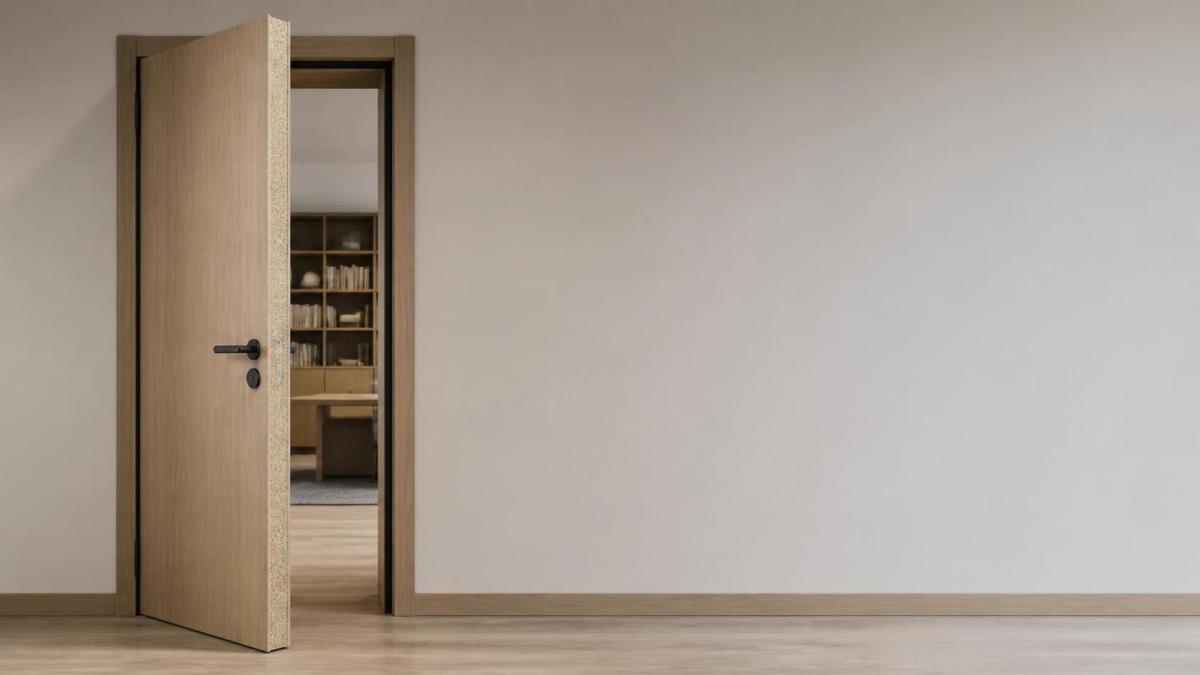
A Modern Wooden Interior Room Door with Stylish Design can improve privacy, comfort, and visual continuity, but its core material determines whether it performs well after years of use.
Homeowners usually focus first on color, grain, and hardware. Those details matter, yet the construction inside the door affects sound control, stability, weight, and resistance to impact.
For bedrooms, bathrooms, offices, and busy family spaces, the best choice is rarely the cheapest available option. It is the core that matches the room’s traffic, moisture exposure, and privacy needs.
Before comparing finishes, understand how solid wood, engineered cores, particleboard cores, and hollow-core construction behave in real homes. This knowledge prevents disappointing replacements and unnecessary repair costs.
Start With the Room, Not the Door Finish
Every interior room has different demands. A guest bedroom door may only need basic privacy, while a home office door should reduce conversations, meetings, and household noise.
Children’s bedrooms, kitchens, laundry areas, and hallway doors experience frequent opening, closing, bumps, fingerprints, and changing humidity. These locations benefit from stronger, more stable construction.
Bathrooms require special attention because steam can affect unprotected wood products. A moisture-resistant finish and properly sealed edges matter as much as the core itself.
Consider the opening size before selecting a heavy door. Wider or taller doors place more stress on hinges, frames, and hardware, especially when opened repeatedly each day.
For most households, medium-density engineered cores offer the best balance between daily durability, cost control, stable performance, and a substantial feel when the door closes.
A stylish surface cannot correct a weak structure. If the door is installed in a high-use location, choose construction quality first and treat decorative details as the finishing layer.
Solid Wood Cores: Natural Character With Specific Care Needs
Solid wood doors are built from natural timber components and are valued for their authentic grain, warmth, repairability, and premium appearance in traditional or contemporary interiors.
They generally feel substantial, resist minor dents better than lightweight doors, and provide respectable sound reduction because their mass limits vibration passing through the panel.
However, solid wood responds to environmental changes. Seasonal humidity can cause expansion, contraction, or slight movement, particularly when indoor climate control is inconsistent.
Well-manufactured solid wood doors use carefully dried lumber and engineered joinery to manage movement. Even so, homeowners should avoid installing them near persistent moisture without suitable protection.
Solid wood is a strong choice for master bedrooms, studies, formal living spaces, and homes where natural material variation is considered part of the design appeal.
It may be less practical for a tight budget, a poorly ventilated bathroom, or an installation where the existing frame cannot support a heavier door panel.
Ask suppliers which species is used, how the timber was dried, and whether the construction includes laminated sections. These details reveal more than a generic “solid wood” label.
Engineered Solid Cores: The Most Practical Everyday Option
Engineered solid-core doors typically combine timber fibers, composite materials, or layered wood products beneath a veneer, laminate, painted skin, or decorative molded surface.
These doors are designed to provide weight and durability without relying on a single piece of natural timber. Their layered structure often improves dimensional stability.
A quality solid-core engineered door closes with a reassuring feel, supports durable hardware, and reduces more airborne sound than standard hollow-core alternatives.
This construction is especially useful for bedrooms, shared bathrooms, home offices, media rooms, and hallways where privacy and everyday resilience are more important than visible natural grain.
Look for products using low-emission materials, particularly when installing multiple doors during a renovation. Ask about formaldehyde classifications and the manufacturer’s indoor air-quality standards.
Density matters, but excessive weight is not automatically better. The door should be matched with correctly sized hinges, reinforced fixings, and a frame built to carry it.
For many families, an engineered solid core is the most dependable answer when selecting a Modern Wooden Interior Room Door with Stylish Design for long-term household use.
Particleboard and Composite Cores: Value Depends on Construction Quality
Particleboard or composite-core doors use compressed wood particles and resin-based binders. They are usually denser than hollow doors and more economical than premium timber options.
When sealed correctly, these doors can offer solid everyday performance in dry interior locations. They also provide a smoother substrate for paint, laminate, or decorative veneer finishes.
The main concern is moisture exposure. Damaged edges, poorly drilled hardware holes, or prolonged humidity can allow water into the core and cause swelling.
Choose composite-core doors for closets, bedrooms, corridors, and low-to-medium traffic rooms where you want a more substantial feel without paying for natural solid wood.
Inspect the edge finishing carefully. A door with neat, sealed edges and consistent surface bonding will perform more reliably than a low-cost panel with exposed core material.
For family homes, composite doors are worthwhile when the manufacturer provides clear specifications, durable skins, compatible hardware recommendations, and a finish appropriate for the installation environment.
Hollow-Core Doors: Where They Work and Where They Fall Short
Hollow-core doors are lightweight panels with a timber perimeter frame and internal honeycomb or minimal support structure. They are widely used because they are affordable and easy to install.
For closets, pantries, utility areas, and rarely used rooms, hollow-core doors can be a reasonable solution. Their lighter weight also reduces strain on basic hinges.
They are less suitable for rooms needing sound privacy. Conversations, television audio, and everyday activity transfer through lightweight construction much more easily than through solid-core doors.
Hollow doors can also dent more easily when hit by furniture, toys, or moving equipment. Repairs may be cosmetic rather than structural, depending on the damage location.
Do not choose a hollow-core door simply because it looks identical to a solid model in a showroom. Ask to handle the sample and confirm the internal construction.
If budget limits require hollow-core doors in some locations, reserve stronger doors for bedrooms, bathrooms, offices, and other rooms where comfort and privacy are most valuable.
Sound Control Is About More Than Door Weight
A dense door core improves sound reduction, but gaps around the edges can undermine performance. Even an excellent solid-core door will leak sound through poorly fitted openings.
For a quieter bedroom or office, combine a solid-core door with quality perimeter seals, an appropriate threshold solution, and a correctly aligned latch that pulls the panel closed.
Door thickness also influences acoustic performance. Thicker panels generally provide more mass, though frame quality and sealing still determine how much sound enters or leaves the room.
Acoustic comfort should be considered across the entire interior, not only at the doorway. Wall finishes can reduce echo and make shared spaces feel calmer.
For example, Wooden Slat Acoustic Wall Panels can complement a solid interior door in offices, studios, corridors, or media-focused rooms where reflected sound is also a concern.
When evaluating acoustic claims, ask whether figures refer to sound absorption or sound transmission reduction. These measurements describe different benefits and should not be treated as interchangeable.
Moisture, Temperature, and Seasonal Movement
Interior doors live in changing conditions. Showers create steam, kitchens create heat, and exterior weather can influence rooms near entryways, laundry spaces, and poorly insulated walls.
Solid timber can move naturally, while composite materials may swell if moisture reaches an unprotected core. The right finish and installation clearance help prevent operational problems.
Bathroom doors should have sealed top, bottom, and lock edges where possible. These exposed areas are often overlooked during finishing but are vulnerable to moisture absorption.
Allow appropriate clearance around the panel so seasonal movement does not create rubbing. Excessive gaps, however, reduce privacy and acoustic performance, so fitting must remain precise.
Ventilation is part of door durability. Use exhaust fans after showers, repair leaks promptly, and avoid repeatedly exposing wood-based doors to standing water or saturated air.
For humid climates, ask whether the selected model is recommended for bathroom use. A supplier should be able to explain its substrate, coating system, and maintenance requirements clearly.
Matching Surface Finishes to Daily Living
Veneer finishes provide the appearance of real wood while using a thinner natural layer over an engineered substrate. They suit homeowners who want warmth with improved core stability.
Painted doors create a clean, flexible look and work well in minimalist interiors. Choose durable paint systems that resist scuffs and can be touched up without obvious color variation.
Melamine and high-pressure laminate finishes are practical for busy households because they resist stains, minor scratches, and routine cleaning better than many delicate wood coatings.
Natural oil or lacquered timber finishes reveal grain beautifully, but they may require more careful maintenance. Direct sunlight and abrasion can gradually alter their appearance.
Match the finish to the lifestyle of the household. A busy home with children, pets, or frequent visitors usually benefits from a forgiving surface with simple cleaning requirements.
Sample boards should be viewed under the home’s actual lighting. Warm artificial light, daylight direction, and nearby flooring can all change how wood tones appear after installation.
Hardware and Installation Can Shorten or Extend Door Life
A durable core still depends on correct hardware. Heavy doors need sufficient hinges, secure screws, and properly reinforced fixing points to avoid sagging over time.
For wider panels, consider three or more high-quality hinges according to the manufacturer’s guidance. Soft-close mechanisms should also be rated for the door’s actual weight.
Handle placement affects long-term use. Hardware installed too close to a weak edge or drilled without care can damage the face material and loosen through repeated operation.
Check the frame before ordering a replacement door. A warped frame, uneven floor, or incorrect jamb depth may cause rubbing problems that are wrongly blamed on the door itself.
Professional installation is particularly valuable for solid-core and solid wood products. Accurate shimming, hinge alignment, and consistent reveal gaps help maintain smooth operation and better sound control.
After installation, test the latch, swing, clearance, and sealing from both sides. Small adjustments made immediately are easier than correcting wear caused by months of misalignment.
Questions to Ask Before You Buy
Start by asking what the core is made from and whether the door is hollow, composite, engineered solid-core, or natural solid wood. Clear answers indicate reliable product knowledge.
Next, ask about thickness, approximate weight, recommended hinge quantity, moisture suitability, surface finish, emissions classification, and warranty coverage for warping or manufacturing defects.
Request samples whenever possible. Touching an edge, viewing the finish in natural light, and comparing weight helps homeowners recognize meaningful differences between similar-looking products.
Confirm whether the price includes the door slab, frame, architraves, hinges, handles, seals, finishing, and installation. Door quotations can vary significantly because included components differ.
For renovations, measure every opening individually. Older homes often have inconsistent dimensions, and assuming all doorways are identical can create delays, trimming, or poor final alignment.
Finally, choose a supplier that can explain technical details without avoiding direct questions. Good support matters when coordinating finishes, hardware, custom sizes, and installation requirements.
Choose Durability That Fits How You Live
The most suitable wooden interior door is not defined by appearance alone. Its core should match the room’s moisture level, traffic, privacy needs, acoustic expectations, and supporting hardware.
Solid wood offers genuine character and lasting appeal, while engineered solid cores provide dependable stability and sound control for many modern households.
Composite cores can offer practical value in dry spaces, and hollow-core doors remain useful where low weight and economy matter more than acoustic privacy or impact resistance.
When comparing a Modern Wooden Interior Room Door with Stylish Design, prioritize the construction you cannot see. A well-chosen core makes the visible finish perform better for longer.
By evaluating materials, sealing, surface durability, installation quality, and room-specific demands together, homeowners can select interior doors that feel comfortable, function smoothly, and retain their appeal daily.
Leave A Reply
Need More Details?
Contact me for details on creating and managing design projects, project features, and services and prices