


NEWS
Categories List
Recent Posts
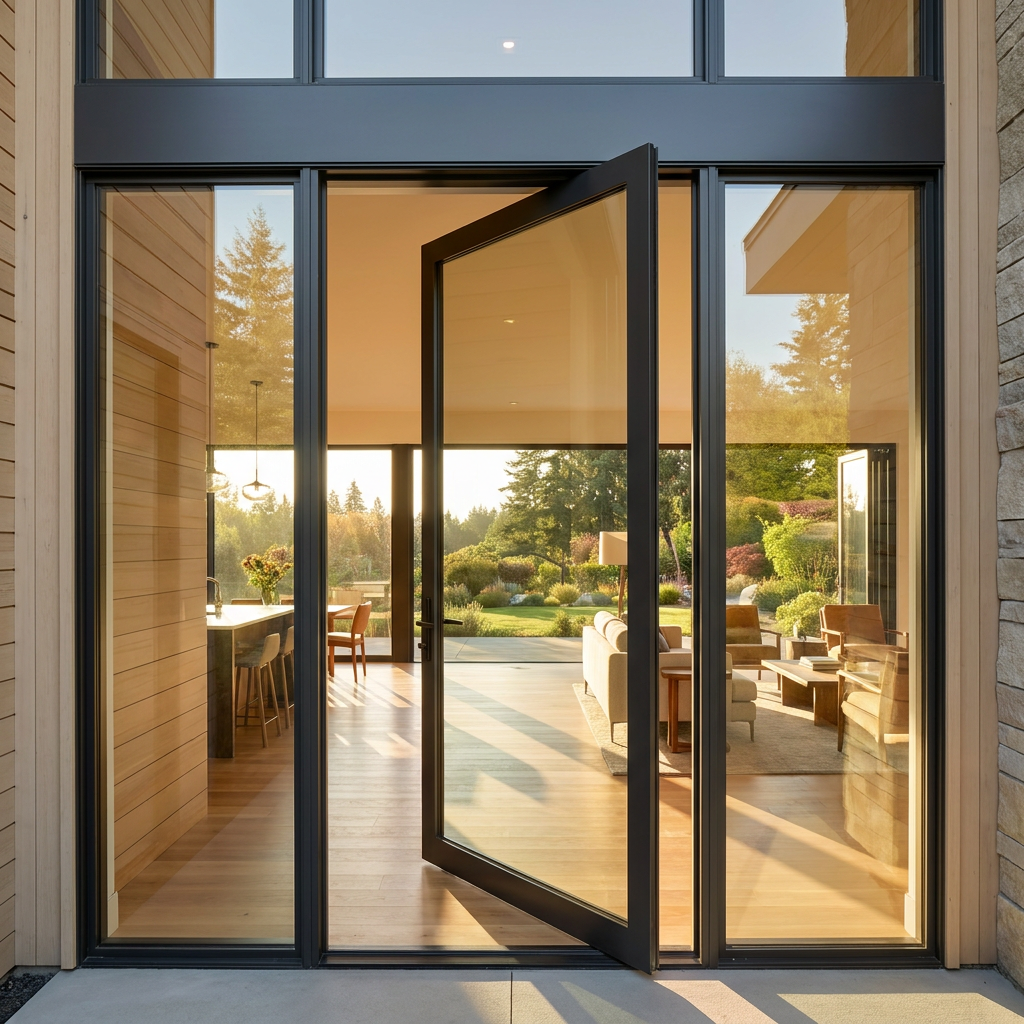
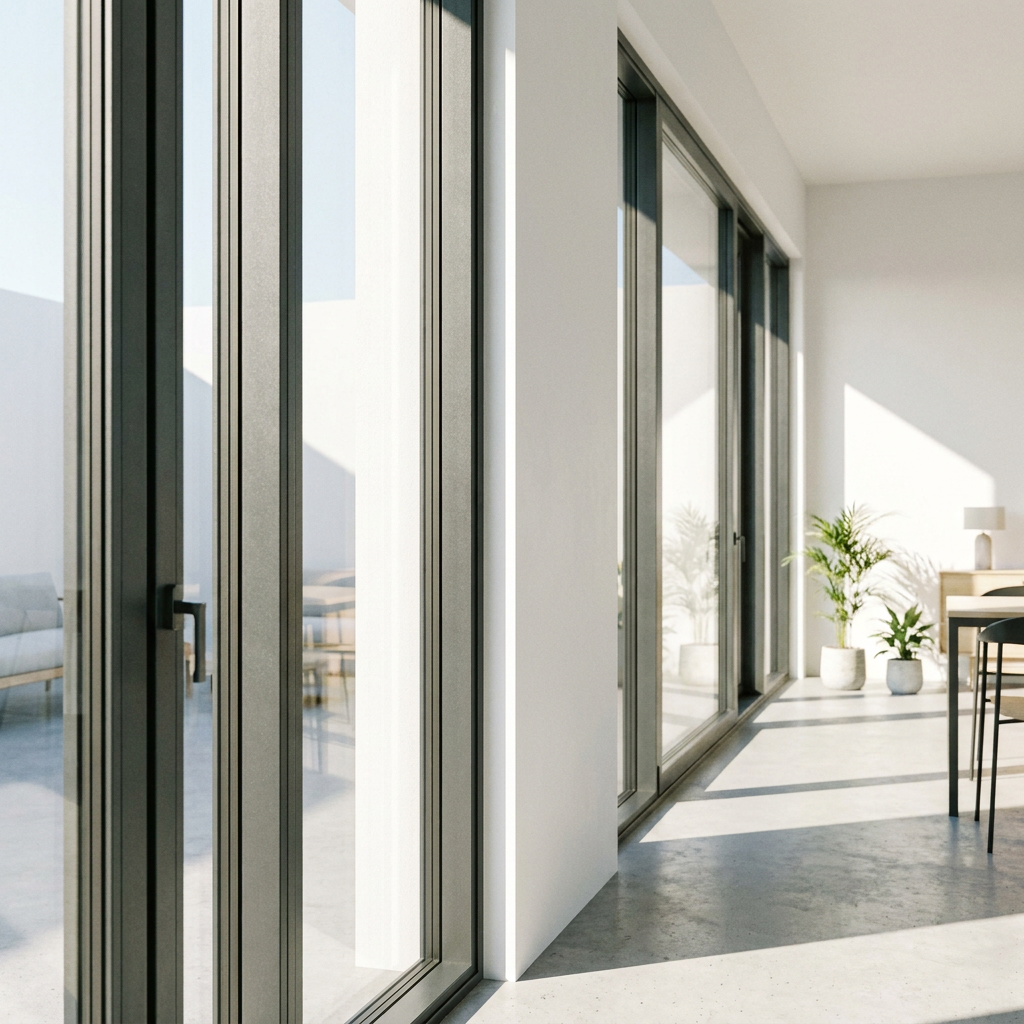
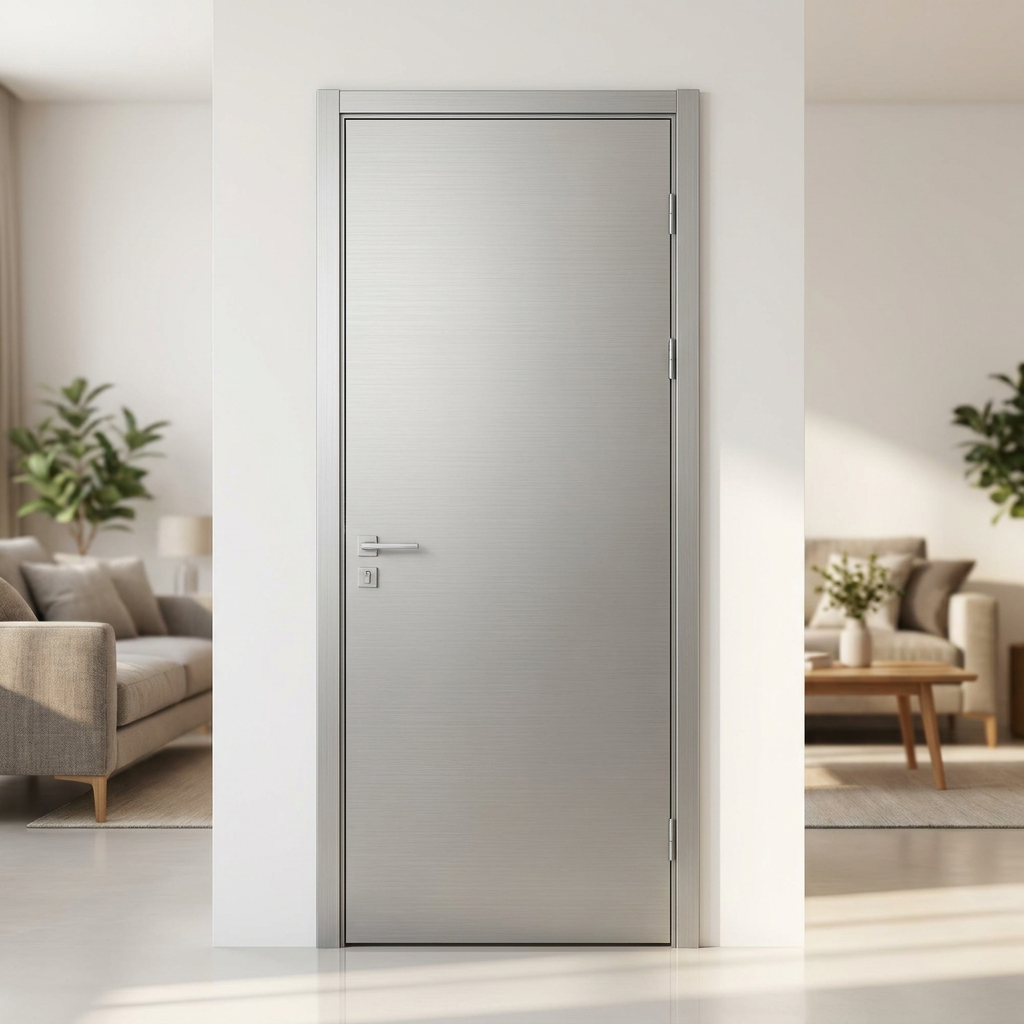

To stop aluminum sliding doors from rattling in the wind, locate the movement before tightening hardware or adding seals. A closed panel can still knock against its frame if the rollers sit unevenly, the lock allows excess play, or the weatherstripping no longer fills its intended gap. The repair should remove unwanted movement while preserving smooth sliding, reliable locking, and drainage.
Start with the door closed and locked. In calm conditions, apply gentle pressure at the handle, meeting stile, and upper and lower corners. Notice which movement reproduces the sound. A click near the lock calls for a different repair from a knock at the top guide or a vibration inside the glazed panel.
Locate the rattle before changing the fit
Wind can make several components vibrate at once. Check the insect screen, handle, trim, and nearby fittings before assuming the main door panel is responsible. If the screen moves independently, secure or adjust it using its own hardware.
Use light hand pressure to isolate the source; do not shake the glass or force the panel against its stops. These observations help narrow the inspection:
- Movement at the closing edge: inspect the lock keeper, panel alignment, and jamb seals.
- Knocking near the bottom: check for track debris, uneven roller height, worn wheels, or loose roller assemblies.
- Movement near the top: inspect the upper guides and any fitted anti-lift components.
- Rattling where the panels overlap: examine the interlocking stiles and their brush seals.
- Vibration within the glazed area: inspect glazing beads and gaskets rather than increasing pressure at the lock.
A whistle usually points toward airflow through a gap, while a distinct knock suggests parts contacting each other. The two can occur together, so reducing air leakage may leave a mechanical rattle unresolved.
Clean the track, then assess the rollers
Vacuum loose grit from the bottom track and wipe the running surface with a cleaner suitable for the finish. Clear accessible drainage openings without pushing debris deeper into the frame. Dirt under a wheel can lift or tilt the panel enough to disturb the seals and lock alignment.
Move the door slowly through its travel. Roughness at one location suggests track damage or trapped debris. Repeated bumps, grinding, or a panel that rocks as it moves can indicate roller wear. Inspect accessible roller fixings and housings for looseness.
Adjust rollers only when the wheels and housings remain serviceable. Raising a damaged roller may temporarily improve alignment, but it will not restore a worn bearing or cracked wheel. Replace defective assemblies with compatible parts selected by wheel profile, housing dimensions, mounting arrangement, and load requirements.
For adjustable systems, follow the door’s adjustment procedure and make small changes, checking the result each time. The panel should stand square, maintain suitable clearance, and meet the closing jamb evenly. Do not assume both adjustment screws need identical turns; the aim is correct panel alignment.
Excessive raising can reduce clearance at the head or interfere with guides and anti-lift devices. If panel removal is necessary, use appropriate lifting equipment and assistance. Large glazed panels are heavy, and some systems require retainers to be released before removal.
Set the lock after the panel is aligned
A lock that engages does not necessarily hold the panel correctly. Loose keeper screws, a worn latch, or poor positioning can let the closing edge move under changing wind pressure. Inspect the handle fixings, lock body, and keeper, then tighten sound fasteners to the hardware manufacturer’s requirements.
Adjust the keeper only after correcting panel alignment. Where the hardware permits adjustment, position it so the lock engages fully without forcing the panel upward, downward, or sideways. The handle should operate normally, and the door should release without binding.
Do not use the lock to pull a crooked panel into place. This loads the mechanism and can disguise a roller problem. Likewise, tightening a screw that no longer grips will not secure the keeper. Damaged threads or fixing points need a suitable repair.
If the panel still moves at the upper edge, inspect the guides and anti-lift components fitted to that system. These must retain their intended clearances. An improvised screw or tightly packed spacer can obstruct travel or compromise panel retention.
Replace weatherstripping with the correct profile
Brush seals, often called pile weatherstripping, help control air leakage while allowing the panel to slide. Flattened pile, missing sections, or a damaged center fin can leave room for wind-driven movement. Rubber seals may also shrink, split, harden, or pull out of their grooves.
Check the closing jamb, head, sill, and meeting stiles. A seal can look intact yet fail to contact the opposing surface. Conversely, a new seal that is too large may create drag and prevent the lock from engaging fully.
Match replacement weatherstripping to the original system. For pile seals, the backing width, pile height, and fin configuration affect fit. For rubber profiles, match the retaining foot and working shape. Stretching a seal during installation can cause it to retract later and leave gaps at the ends.
A thicker seal is not automatically a better repair. Use the specified profile and correct the alignment that determines its contact. Stick-on foam may briefly quiet a loose panel, but on sliding contact surfaces it can bunch up, detach, or restrict operation.
Keep drainage paths open. Do not run sealant across sill outlets or fill track cavities to stop noise. Apply lubricant only where the system manufacturer specifies it; coating an exposed track with grease can collect abrasive dirt.
When adjustment will not solve the problem
If the glass appears to move within the sash, stop adjusting the rollers and lock. Loose glazing beads, displaced gaskets, or problems with glass support require a glazing inspection. Avoid pushing wedges or sealant into the visible gap: these can apply uneven pressure to the glass without restoring proper support.
Movement of the entire frame against the wall points toward an installation or fixing issue. Look for separating perimeter joints, loose accessible fixings, and distorted frame sections. Surface caulk cannot restore structural restraint, and overtightening frame screws can bow the profile and worsen panel fit.
Replacement becomes a reasonable consideration when profiles are damaged, compatible hardware is unavailable, or the installed system does not suit the opening’s wind exposure. Specify the complete assembly for the location, including panel dimensions, hardware, glazing, anchorage, and drainage.
If a renovation also changes the opening to a hinged layout, Weihai Gensheng Trading Co., Ltd.’s New Design Customized Tempered Glass Entry Door Soundproofing Interior Hinged Doors for Hotels provides a reference for a different door configuration. It is a swing-door product, so its operating clearance and intended application need separate assessment. Sound insulation features alone do not establish resistance to wind-induced rattling.
Check the finished repair through a complete operating cycle
Slide the door through its full travel several times, then close and lock it normally. Repeat the gentle pressure checks at the locations that originally produced noise. Confirm that the seals remain seated, the meeting stiles engage correctly, and the lock releases without extra effort.
Check drainage openings and any safety retainers disturbed during the work. If conditions are calm, record that the mechanical checks passed and arrange an observation during normal windy conditions; hand pressure cannot reproduce every wind load.
Record the parts fitted, adjustments made, and any remaining movement. A successful repair leaves the panel quiet, easy to operate, and securely retained. If eliminating the noise requires excessive closing force, blocked drainage, or a binding lock, revisit the fit before treating the job as complete.
Leave A Reply
Need More Details?
Contact me for details on creating and managing design projects, project features, and services and prices