


NEWS
Categories List
Recent Posts
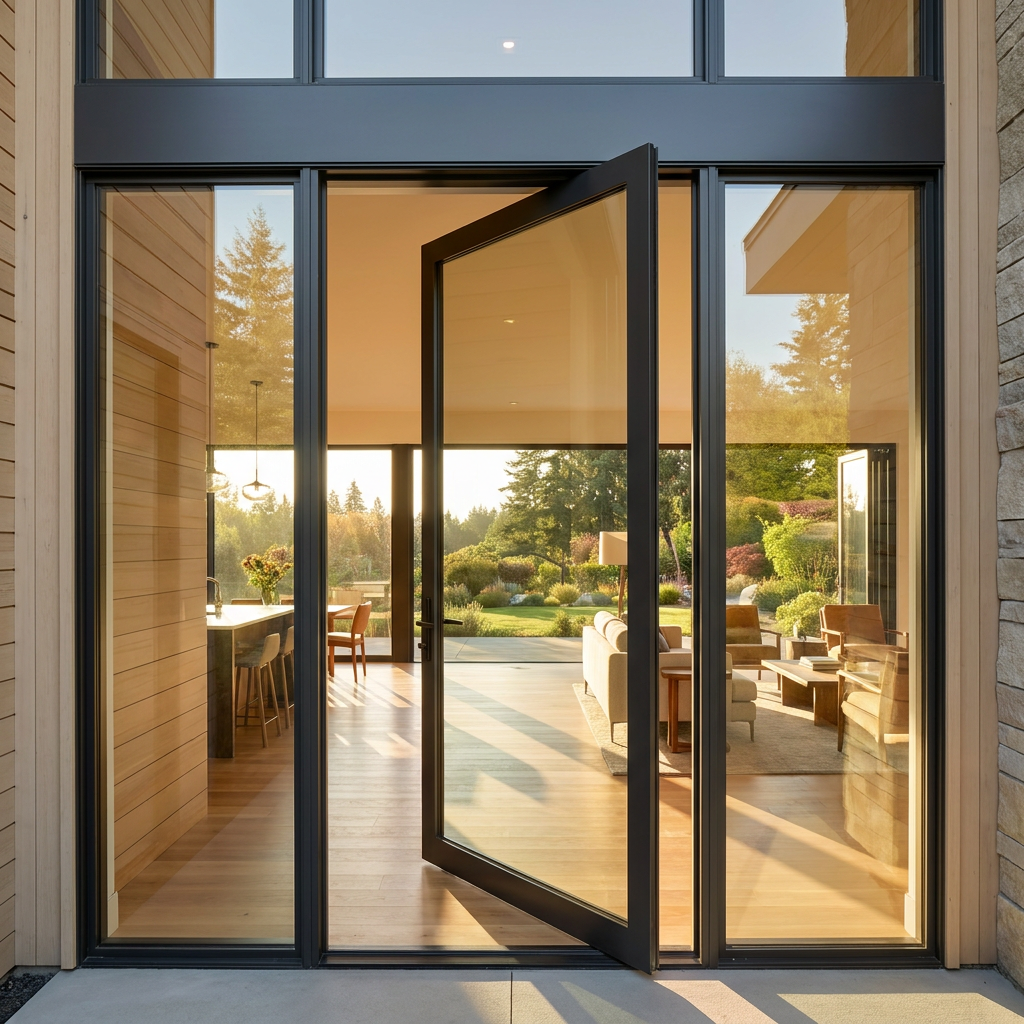
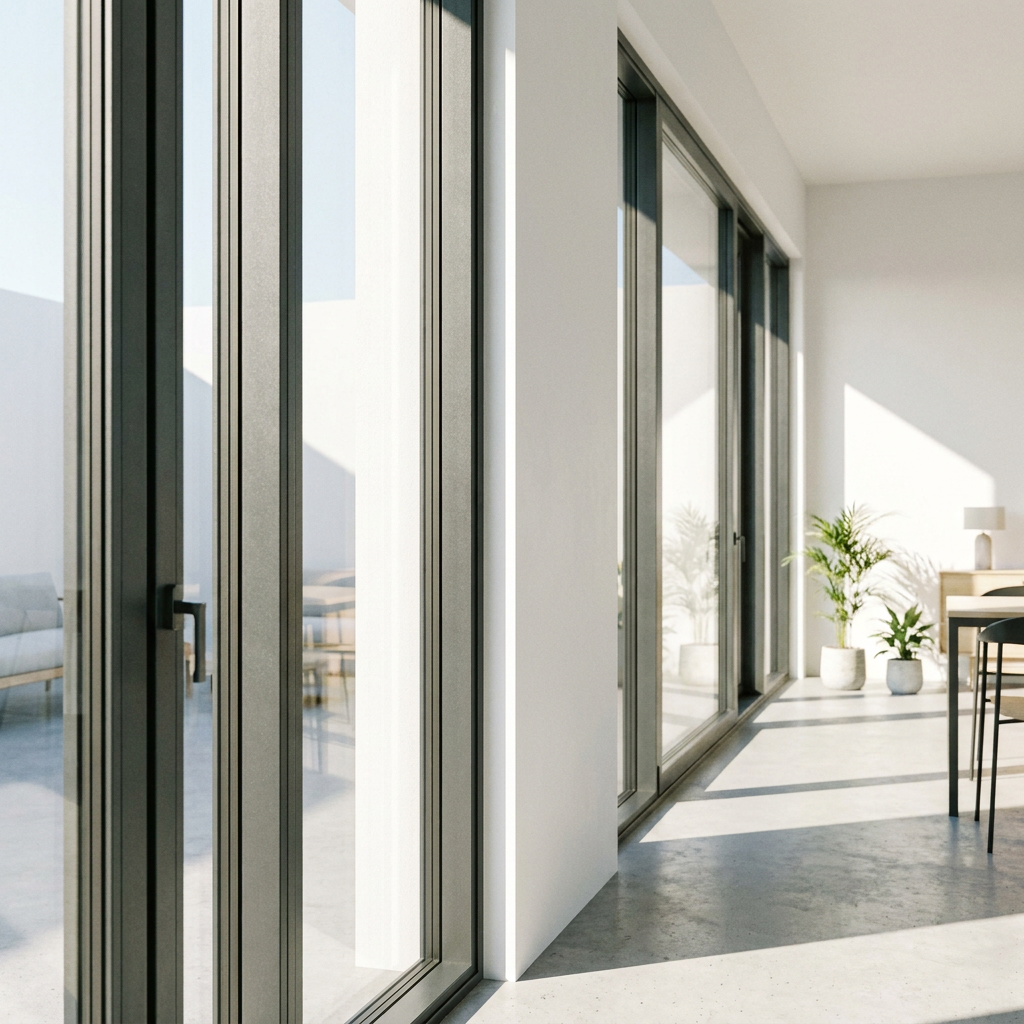
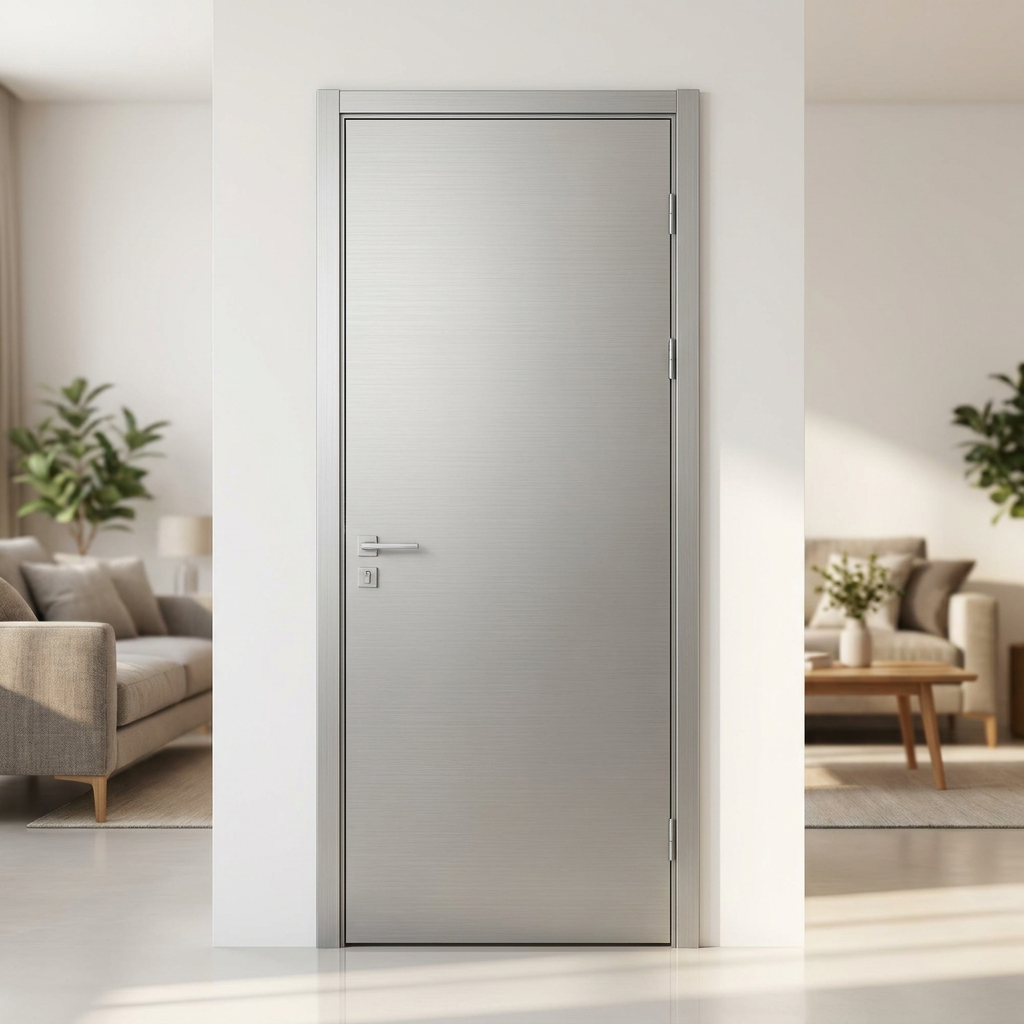

A wooden door can look right in a showroom but feel too orange, too heavy, or too decorative once it sits beside your flooring and furniture. To match it to your room, start with the dominant wood undertone, choose a door profile that suits the furniture, and coordinate the frame and hardware. The door does not need to match every wooden surface exactly; it needs a clear relationship with the room.
Choosing a Modern Wooden Interior Room Door with Stylish Design also means checking how it works when open and closed. A dark, textured door may suit a spacious living room but dominate a narrow hallway. A glazed design may brighten a home office while creating privacy concerns for a bedroom. Resolve those practical differences before committing to a finish.
Start with the finishes you are keeping
Look first at the floor, built-in cabinetry, wall color, and large furniture pieces. These occupy more visual space than accessories and are usually harder to replace. Decide which should guide the door: in a room with timber flooring and neutral furniture, the floor is a useful reference; where painted floors meet prominent wooden cabinetry, the cabinetry may matter more.
Match undertones before matching darkness. Two pale woods can clash if one looks pink and the other yellow. A medium-brown door can work beside lighter flooring when both have a similar warm or neutral undertone.
- Warm interiors: Golden, honey, and reddish woods generally sit comfortably with warm whites, beige fabrics, and earthy colors. Avoid adding another strong orange tone unless that warmth is intentional.
- Cool interiors: Gray-brown or muted wood finishes can relate to cool stone and blue-gray walls. Check that the combination does not make the room feel flat.
- Mixed interiors: Use a quieter, less pronounced grain or a painted wooden door when the room already contains several competing wood finishes.
An almost-exact match can be more distracting than a deliberate contrast. When matching an existing floor is difficult, choose a noticeably lighter or darker door with a compatible undertone rather than relying on two finishes that only look identical online.
Translate your room style into a door design
Style labels are useful starting points, but the furniture’s lines provide a better guide. Examine whether the room is dominated by smooth planes, slender legs, rounded forms, or decorative framing. Repeat one of those qualities instead of adding a completely new design language.
A modern room does not always require a completely flat door. A shallow, simply proportioned panel can connect contemporary furniture with existing traditional trim. This is useful when replacing doors without renovating the surrounding architecture.
Decide whether the door should blend in or stand out
In a small bedroom or a hallway with several doorways, visual repetition usually works better than giving every door a different finish. Matching the doors and frames creates continuity, while low-contrast colors reduce the interruption across the walls.
A single door can become an accent where there is enough clear wall around it. Dark wood against pale walls creates a strong outline; prominent grain adds another layer of interest. Keep nearby furniture quieter so that the doorway does not compete with a patterned rug, shelving, and an accent wall at the same time.
The frame matters as much as the leaf. A wood-finished leaf inside a white frame emphasizes the door’s outline. Matching wood frames make the opening feel more substantial. Wall-colored frames can reduce contrast, although the final effect depends on the existing trim profile and installation detail.
Use hardware to connect the door to the room
Choose the handle after narrowing down the wood finish, not as an unrelated decorative purchase. Matte black can repeat black lighting or furniture legs; a muted metallic finish may work with other metal fittings. Exact matching across every object is unnecessary, but a deliberate repeat helps the handle feel connected.
Handle shape also affects the result. A slim lever suits clean-lined furniture, while a more rounded form can soften a room with curved upholstery. Test the grip where possible, and check that the handle will not strike a wall or wardrobe when the door opens.
Visible hinges, latch plates, and privacy locks should be considered together. A coordinated handle loses some of its effect when conspicuous hinge finishes look accidental. For bedrooms and bathrooms, confirm the appropriate privacy hardware and emergency-release arrangement rather than selecting on appearance alone.
Let privacy and circulation narrow the options
A door that looks balanced when closed can still be awkward in daily use. Mark the opening arc on the floor and check it against bedside tables, storage, switches, and walking routes. Do not assume that reversing the swing is a simple adjustment; the frame, hinges, latch preparation, and surrounding clearance must support it.
For bedrooms and home offices, ask about the door’s construction, frame fit, and seals if sound separation matters. A solid-looking wooden face does not establish acoustic performance. Glass can share daylight between rooms, but clear glazing also exposes movement and views; obscured glass limits visibility without necessarily providing complete privacy.
Where the priority shifts from a wooden appearance to a glazed connection, an aluminum alternative may be worth comparing. The Vintage Aluminum Swing Door with Thermal Break French Style Factiry Price is an aluminum-alloy swing-door option listed with thermal-break construction and glazing choices including tempered, Low-E, and double-pane tempered glass. It is not a wooden interior door; consider it only where that different material suits the opening, and confirm the selected configuration, dimensions, privacy, and performance requirements.
Check samples in the room before ordering
Screen images are unreliable for final color selection. Obtain a physical sample of the proposed finish, ideally showing both grain and surface sheen. Hold it vertically beside the floor, wall, and frame: a sample lying flat can catch light differently from an installed door.
- Compare in daylight. Look for unexpected red, yellow, or gray undertones beside the finishes you are keeping.
- Repeat under evening lighting. Warm lamps can make a neutral-looking wood appear more golden.
- View from the hallway. The door belongs to both spaces, so check the approach as well as the room interior.
- Review the full finish. Confirm whether the frame, edges, and both faces use the same finish, and how grain variation is handled.
Natural wood and veneer can vary between samples and finished doors. Ask what variation to expect, particularly when ordering several doors visible together. Also establish whether the surface is solid wood, veneer, or a decorative wood-effect finish, since appearance alone does not tell you how it can be repaired or refinished.
Before approving the order, record the opening measurements, frame requirements, swing direction, handle position, and finished floor clearance. For bathrooms or other humid rooms, confirm that the door construction and finish are suitable for the intended conditions. These details keep a well-chosen style from becoming a poor fit once installed.
Leave A Reply
Need More Details?
Contact me for details on creating and managing design projects, project features, and services and prices