


NEWS
Categories List
Recent Posts


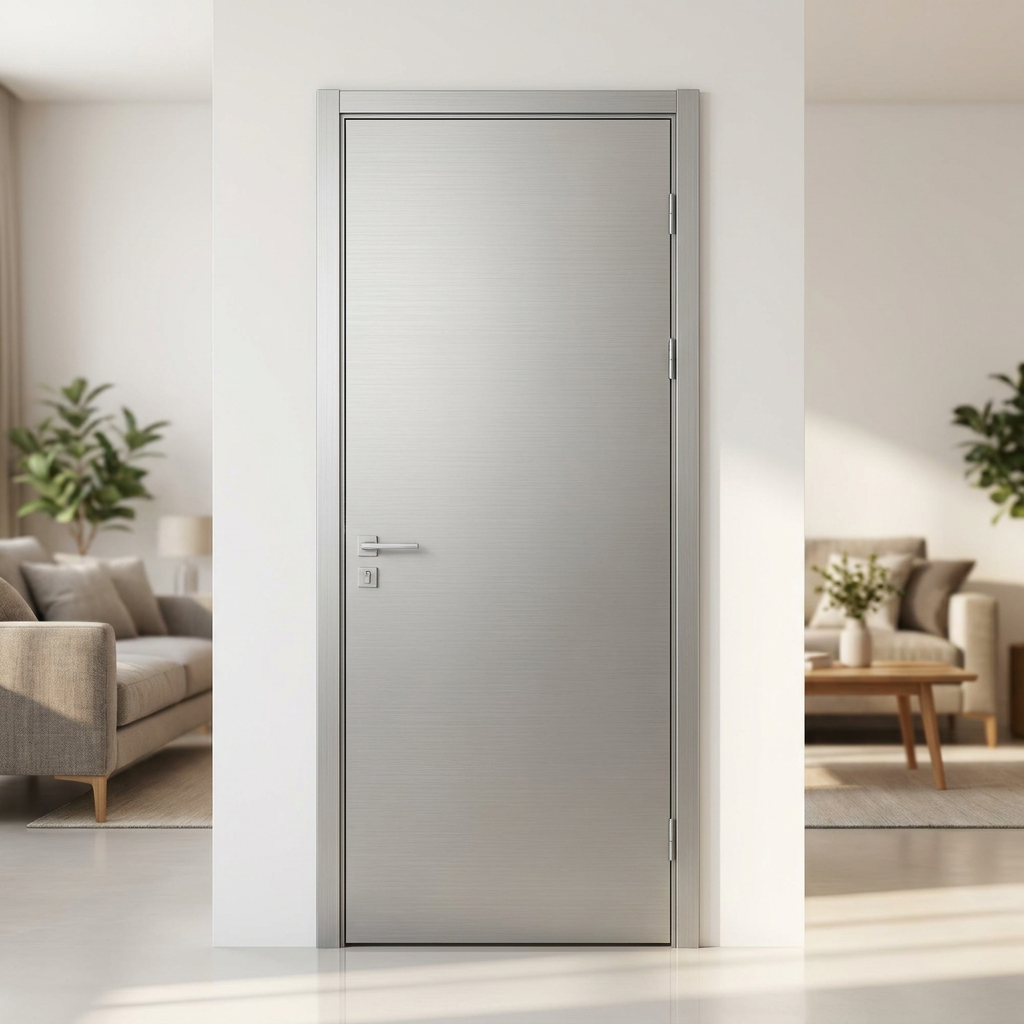

Clean low profile door tracks by vacuuming loose grit first, loosening trapped debris with a soft brush, and wiping accessible surfaces with a barely damp cloth. Dry the track before testing the door. Keep water, cleaner, and tools away from roller housings, and avoid adding lubricant unless the door manufacturer specifies the product and application point.
This approach works when dirt is causing the resistance. If the door scrapes, rocks, sits unevenly, or catches at the same point after cleaning, further scrubbing is unlikely to help. A damaged running surface, worn roller, displaced seal, or alignment problem needs inspection. Forcing the panel can increase wear and make a small fault harder to repair.
Before starting, identify where the rollers run and where water is intended to drain. Low Profile Track Doors can have a raised running rail, recessed channels, removable covers, or drainage openings, depending on the system. Some folding and sliding designs carry their weight through different hardware arrangements. Clean only accessible surfaces unless the maintenance instructions explain how to remove a cover or reach concealed components.
Choose a dry period for exterior doors and keep people clear of the opening. Move the panel using its normal handle and secure it against unintended movement using the manufacturer’s approved method. Keep fingers away from the gap beneath the panel. If the door is already difficult to control or appears unstable, stop before attempting maintenance around its lower edge.
Gather a vacuum with a narrow attachment, a clean soft nylon brush, several lint-free cloths, and lukewarm water. A small amount of mild, pH-neutral detergent may help with greasy marks if it is compatible with the track finish. Check the door’s care instructions first, especially where aluminum coatings, plastic parts, and flexible seals meet.
- Use a soft brush attachment or keep a hard vacuum nozzle clear of the finished surface.
- Avoid wire brushes, abrasive pads, steel wool, and scraper blades.
- Keep pressure washers, steam cleaners, and hoses away from the track and roller assemblies.
- Do not apply bleach, solvent cleaners, acidic descalers, or strong degreasers unless the manufacturer expressly permits them.
Start with the track dry. Vacuum the exposed section slowly, concentrating on corners, channel edges, and the ends where debris collects. Keep the nozzle above the surface rather than dragging it along the aluminum. Sand and grit can scratch a finish when trapped beneath a nozzle or cleaning cloth, so removing loose material before wiping matters.
Use the soft brush to draw remaining dirt toward the vacuum. Brush along accessible channels with light pressure. Avoid pushing debris beneath the panel or through drainage openings. Compressed air is a poor substitute here because it can drive particles into roller housings, seals, and cavities that are harder to clean.
Move the door to expose the section that was previously covered, then repeat the process. Only move it if it travels without excessive force. Several gentle passes are preferable to dragging the panel over a visible accumulation of grit. On a multi-panel system, follow the normal opening sequence so that panels and hardware remain properly supported.
Pet hair and threads need particular care. Lift loose strands from accessible areas with a cloth or soft brush. If a strand is wound around a roller axle, do not pull hard, cut blindly beneath the panel, or insert a hook into the housing. A trapped strand may require access to the roller assembly, which should follow the manufacturer’s service procedure.
After removing dry debris, dampen a cloth with clean water and wring it out thoroughly. Wipe the exposed running surface and channel edges, folding the cloth frequently to present a clean section. The cloth should leave only a light film of moisture. Pouring water into a shallow track makes it difficult to control where it travels, particularly around concealed fasteners and roller assemblies.
For stubborn grime, put a small amount of approved diluted detergent on the cloth rather than spraying it onto the door. Test an inconspicuous area first. Allow the damp cloth to soften the mark briefly, then wipe gently. If the residue does not release, identify it before trying a stronger cleaner. Paint, adhesive, mineral deposits, and construction sealant require different treatments, and an unsuitable remover can damage the finish or nearby seals.
Follow detergent cleaning with a separate cloth lightly dampened with plain water. This removes residue that could leave the running surface sticky. Finish with a dry cloth, including accessible corners and the edges beside the rail. Do not leave folded cloths or paper towels inside a channel, where fragments can become another obstruction.
Drainage openings deserve a visual check, but they should not become an invitation to probe the frame. Remove loose debris at an exposed opening with a soft brush or vacuum. Avoid inserting wire, screws, or rigid rods into concealed passages; these may contain components or follow a path that is not visible from above. If an exterior track repeatedly holds water after rain, have its drainage arrangement inspected. A dry-weather cleaning alone cannot establish that the system drains correctly.
The finish and seals affect cleaner choice more than the slim appearance of the frame. For example, the Slim Frame Low-E Double Glass High Efficiency Sliding Window for New Builds has aluminum profiles and specified sealing options including EPDM and silicone sealant. For a window assembly of this type, obtain care instructions for its actual finish, seals, and hardware. Its glazing specification does not establish which track cleaner or lubricant is suitable, and window maintenance instructions should not be assumed to cover a separate door system.
Once the track is dry, move the door slowly through its normal travel. Listen for grinding and note where resistance occurs. If the movement improves across the opening, loose contamination was probably contributing to the problem. A clean track may still reveal a separate hardware issue, so check that the panel travels evenly and closes without needing extra pressure on the handle.
Resistance at one repeatable location calls for a close visual check of the accessible running surface. Look for a dent, raised edge, lodged particle, or loose component. A repeating bump as the panel moves can also indicate a roller problem. These observations help describe the fault, but they do not justify hammering the rail, filing a high spot, or turning adjustment screws without instructions.
Lubrication should be a separate maintenance decision. Some roller bearings are sealed, and some systems specify particular products for particular contact points. Applying oil or grease across the track can retain grit, while a general-purpose spray may reach seals or finishes for which it was not intended. Even a product labeled “silicone lubricant” is not automatically suitable for every assembly. Use the specified lubricant only where the manufacturer directs.
Stop using the door if it lifts unexpectedly, tilts, develops a visibly damaged roller, or requires substantial force. Do not remove a heavy glazed panel simply to improve cleaning access. When requesting service, provide the door identification, photographs of the accessible track, and a description of whether the resistance occurs throughout travel or at one location. That gives the technician a useful starting point.
Set the cleaning interval by what reaches the opening. A door beside a sandy patio, a busy pet route, or ongoing building work needs closer attention than one in a clean interior. During construction or decorating, use an approved track protection method that preserves drainage and safe operation. Once grit becomes visible or audible, remove it before repeated opening carries it through the roller path.
Leave A Reply
Need More Details?
Contact me for details on creating and managing design projects, project features, and services and prices