


NEWS
Categories List
Recent Posts
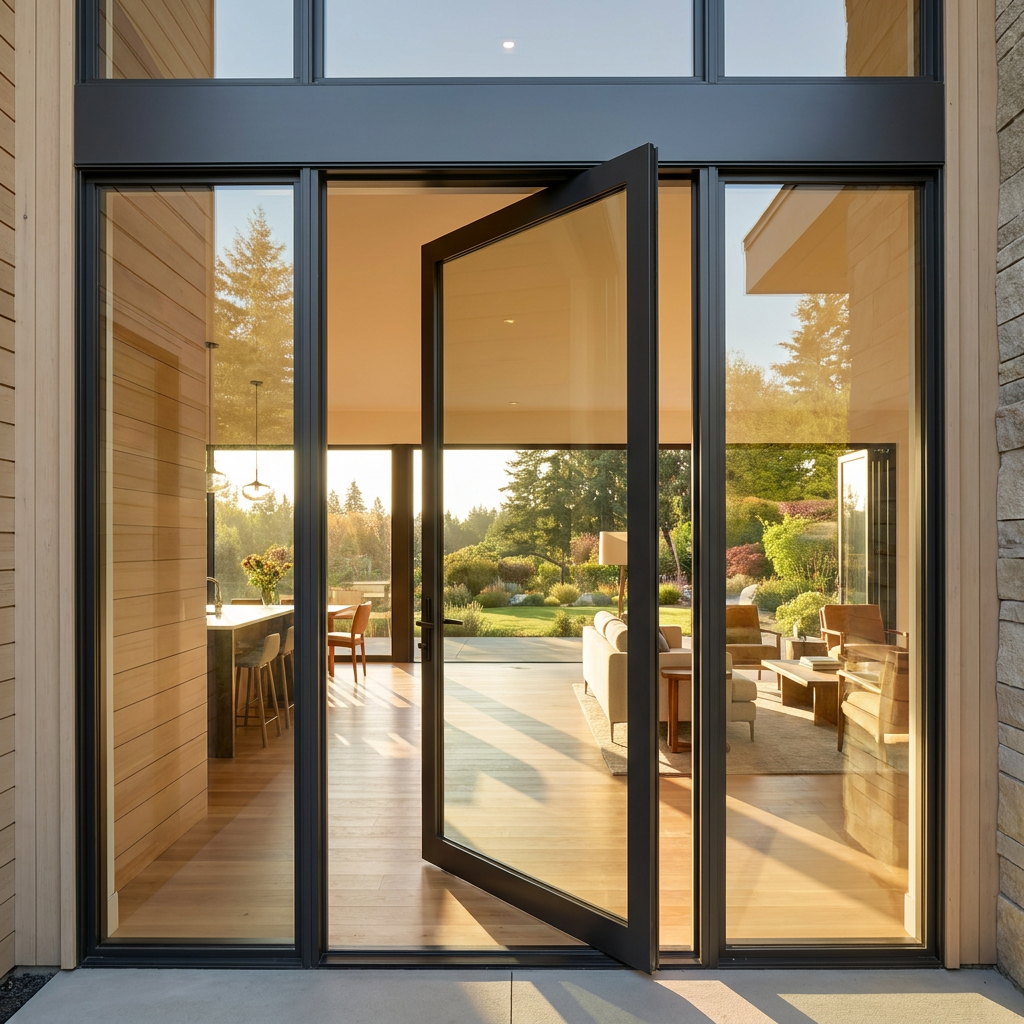
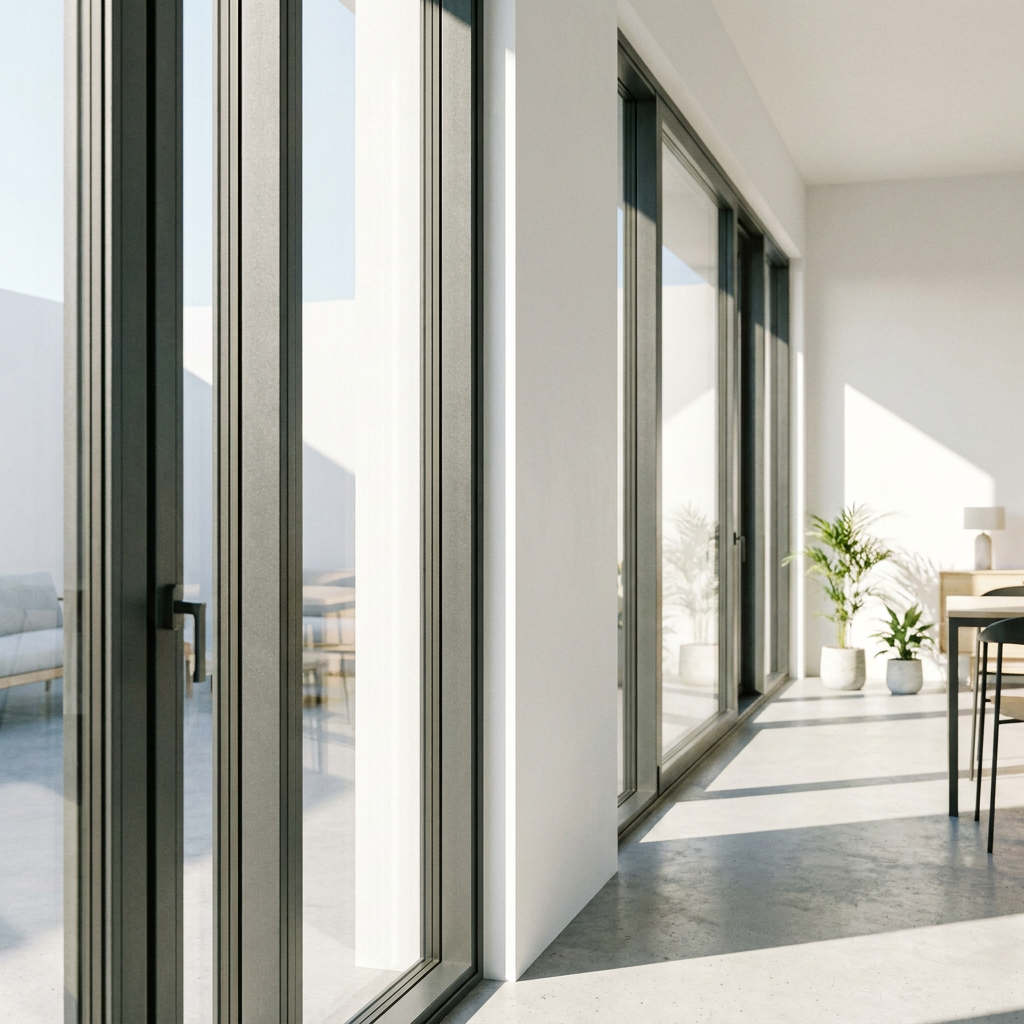

How to choose wood aluminum windows for bedrooms and living rooms
Choosing the right Wood Aluminum Windows for bedrooms and living rooms is rarely about one “best” product. In real homes, these two spaces ask for different things. A bedroom usually needs quieter operation, better privacy, and a calmer interior feel. A living room often needs more daylight, a wider opening view, and a window profile that looks clean from both inside and outside. The right choice sits somewhere between comfort, appearance, and long-term practicality.
That is where wood-aluminum construction makes sense for many homeowners. Wood brings warmth and a softer visual tone, while aluminum helps protect the exterior side from weather and daily wear. In projects handled by firms such as Weihai Gensheng Trading Co., Ltd., this kind of combination is often paired with modern production equipment and window software so the final fit is closer to the actual opening, which matters more than people think. A window can look premium on paper and still feel wrong if the proportions, opening direction, or hardware are not matched to the room.
Start with the room, not the catalog
For bedrooms, the first question is usually not style but how the room behaves at night. If the bedroom faces a noisy street, a courtyard with early activity, or a sunny side that gets hot quickly, the window specification should reflect that. Sound insulation, sealing quality, and opening method matter more than decorative grain. A fixed beautiful frame will not help much if the sash leaks air or makes the room feel restless.
Living rooms are different. Here, homeowners often want larger glass areas, easier cleaning, and a more open visual line. If the room connects to a balcony or garden, a window that opens inward or outward should be chosen with furniture placement in mind. It sounds basic, but a sofa too close to the window, or curtains that block the handle, can turn a good design into daily annoyance. That is why swing direction and handle position should be checked before ordering, not after installation.
Wood grain is nice, but the structure is what you live with
A common mistake is choosing Wood Aluminum Windows only by the interior finish. People see the wood tone and assume the product will age gracefully by default. In reality, what protects the home is the quality of the frame build, corner detail, sealing system, and the way the aluminum exterior handles moisture and sunlight. If your climate has strong seasonal changes, that outer layer is doing a lot of work.
The interior wood surface should also suit the room’s tone. Bedrooms usually benefit from deeper, quieter finishes that do not reflect too much light. Living rooms can handle slightly brighter wood shades if the furniture and flooring are simple. If the window is going into a home with a mixed material palette, wood-aluminum often feels more balanced than all-metal frames because it softens the hard edges common in modern interiors.
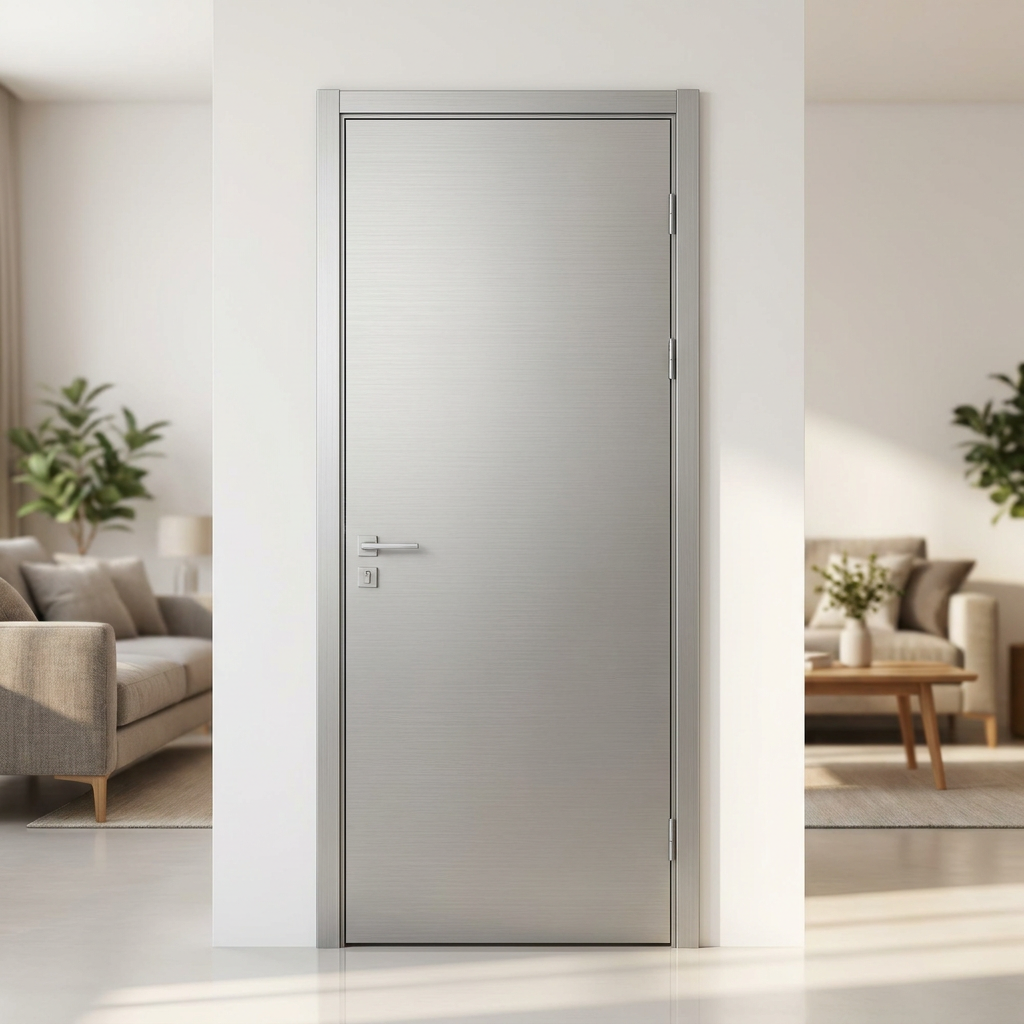
Customization is worth asking about early. A standard size may work in a new build, but older apartments and remodeled homes often need adjusted dimensions. A product such as Simple Customization Fashion Home Hotel Hospital Residential Interior Bedroom Kitchen Bath Room Fire Rated Timber Wood Door shows how custom work is often part of the same manufacturing mindset: size, opening direction, handle placement, and finish all need to be matched to the actual space, not just to a sample photo. That logic applies to windows too.
What to check before you place an order
A useful way to compare options is to focus on the details that affect daily use rather than brochure language. Ask how the window seals at the corners, how the hardware feels during repeated use, and whether the opening style makes cleaning practical. If the glass area is large, the frame should still feel stable when opened and closed. A good window should not require force.
Warranty is another point that deserves real attention. A 1-5 year warranty may sound simple, but the more important question is what it covers: finish issues, hardware, sealing, or installation-related concerns. After-sales service is not a slogan when you are trying to fix a misfit sash six months later. It is also worth asking about lead time, especially if your renovation schedule is tight. Some suppliers can produce quickly; others need longer coordination when custom sizes are involved.
Factory capacity can matter, but only if it comes with consistency. A high daily output is useful, yet bedroom and living room windows still need careful finishing. German equipment and dedicated window software may not be visible in the room, but they often show up in tighter tolerances and cleaner edges. That is the kind of detail homeowners usually notice only when something is off.
Bedroom and living room priorities are not identical
If you are choosing one design for both rooms, a middle-ground approach is often the safest. For the bedroom, prioritize quiet closure, privacy, and a calmer profile. For the living room, prioritize light, visibility, and easier operation. The same product family can still work in both spaces, but the configuration may need to change.
This is why it helps to think beyond “window type” and ask how each room is actually used. A bedroom used as a child’s room may need easier opening and safer handling. A living room used for hosting may benefit from a more generous view and a finish that looks refined in daytime and evening light. Small choices like left or right handle position can feel minor in the showroom and very important in a real floor plan.
The decision that ages well
The best Wood Aluminum Windows for bedrooms and living rooms are usually the ones that disappear into daily life. They open smoothly, keep the room comfortable, and still look good after the novelty wears off. If a window needs constant adjustment, creates glare, or conflicts with furniture, it was probably chosen for appearance alone.
When comparing suppliers, look for practical signs of maturity: clear customization options, sensible lead times, warranty terms that are not vague, and enough production discipline to keep dimensions consistent. That is especially important in home projects, where small mistakes are easier to live with on paper than in a finished room. If you are unsure, bring the room layout, opening direction, and daily habits into the conversation before you decide. That one step usually prevents the most expensive kind of regret.
Leave A Reply
Need More Details?
Contact me for details on creating and managing design projects, project features, and services and prices