




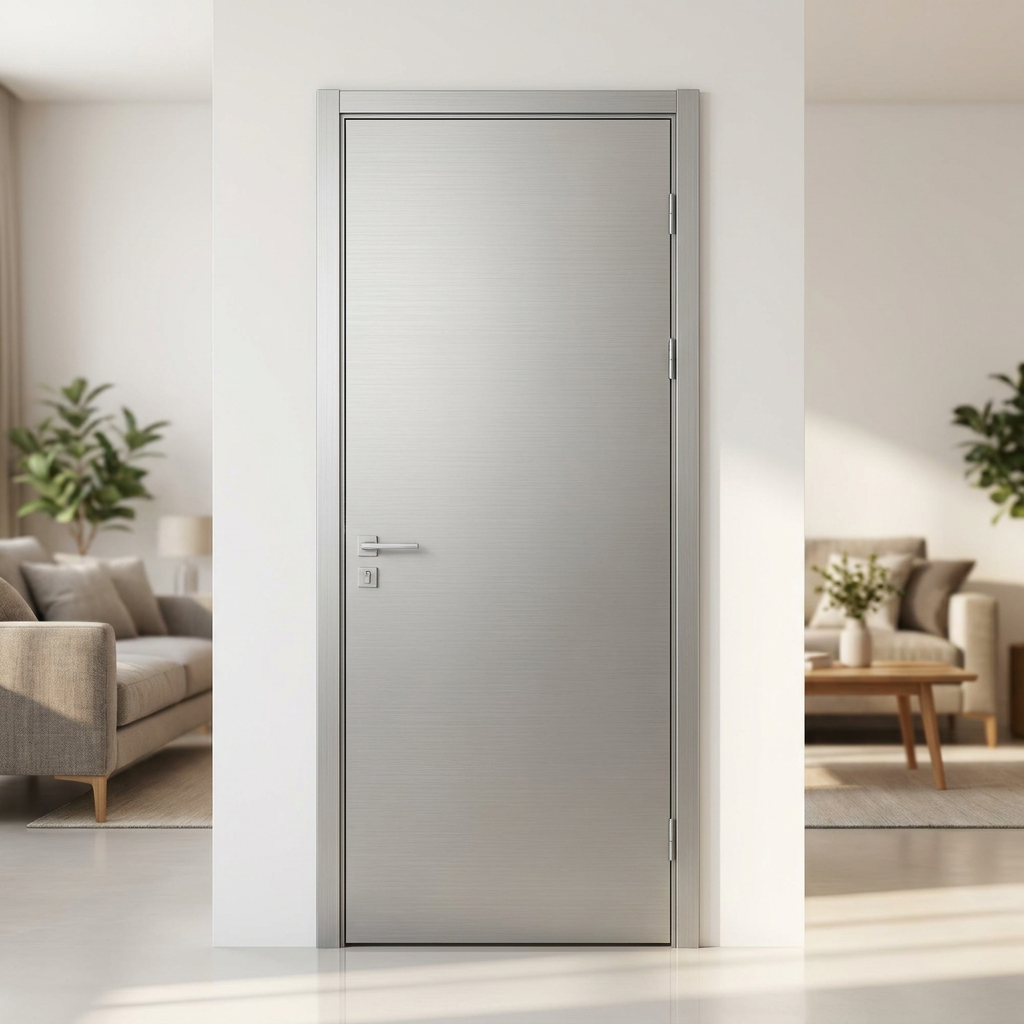

How to Adjust Spring-Loaded Doors That Slam Shut After Opening
Spring Doors that slam shut need diagnosis before adjustment. Identify whether spring hinges, a hydraulic closer, or a combined mechanism controls the door’s return movement.
Spring hinges control closing force; hydraulic closers also regulate speed. Reducing spring tension alone may prevent reliable latching without providing the controlled movement occupants need.
For after-sales maintenance technicians, the priorities are correcting alignment, identifying adjustable controls, and testing each change safely while preserving the door’s required closing and latching performance.
Identify What Controls the Door Before Touching Any Adjustment
Inspect the hinge barrels, door head, and frame. Spring hinges usually have adjustment sockets or tension pins; overhead hydraulic closers typically have an arm and body.
Some doors use concealed closers, floor springs, or spring hinges with integrated damping. Locate the manufacturer’s identification and instructions before assuming how any adjustment works.
A plain spring hinge stores energy as the door opens and releases it during closing. It generally cannot independently regulate sweep speed and final latching speed.
A hydraulic closer uses spring force to return the door and hydraulic resistance to control movement. Its adjustment valves may separately regulate sweep and latch speed.
Watch where the slam begins. Rapid movement throughout closing suggests insufficient speed control; acceleration near the frame points toward latch adjustment, resistance, or hardware problems.
Check Alignment and Resistance Before Changing Spring Tension
Secure the work area and keep occupants clear of the door’s swing. Control the leaf during inspection, especially where strong springs create sudden return movement.
Check for loose hinge screws, sagging leaves, rubbing edges, and uneven clearances. Look for fresh scrape marks around the threshold, latch, and frame before proceeding.
Repair loose fixings using a method suitable for the door and substrate. Repeatedly tightening stripped screws will not restore dependable alignment or support heavy leaves.
Inspect seals and the latch strike for excessive resistance. A technician may previously have increased closing force to overcome binding, leaving the door vulnerable to slamming.
Observe ventilation conditions and nearby openings. Pressure differences can accelerate closing or prevent latching, so test under normal operating conditions and investigate significant pressure changes.
If the leaf binds, correct the underlying fault first. Never compensate for distorted frames or misaligned strikes by continually increasing spring tension or latch speed.
Adjust Spring Hinges Without Losing Reliable Latching
Find the hinge instructions and confirm the permitted adjustment range, required tool, and specified door position. Different spring-hinge designs use different tension-setting and locking arrangements.
Restrain the door securely before working. Stored spring energy can rotate the adjustment mechanism unexpectedly, so keep fingers clear and maintain firm control throughout adjustment.
On tension-pin designs, the approved tool usually takes the spring load before the retaining pin is removed. Follow the documented sequence and keep the tool engaged.
Move only one permitted increment toward lower tension, then fully reseat the retaining pin or locking device. Never assume a universal clockwise or counterclockwise direction.
If several spring hinges are fitted, follow the manufacturer’s balancing sequence. Do not unload one hinge completely or exceed another hinge’s rated adjustment range limits.
Release the secured leaf carefully and test closing. Reduce tension only while the door still closes and latches reliably from the opening positions required for service.
If minimum reliable tension still produces a slam, the installation may need compatible damping or different hardware. Further tension reduction usually sacrifices dependable self-closing performance.
Adjust Hydraulic Closing Speed in Small, Controlled Steps
Inspect the closer body, arm connections, mounting points, and spindle area first. Oil leakage, loose brackets, or damaged arms require repair assessment before valve adjustment.
Identify each control from its label or model documentation. Sweep controls most of the closing travel; latch controls the final portion as the door approaches closure.
Backcheck cushions opening movement on equipped closers. It does not control closing speed and should not be adjusted as a remedy for a slamming door.
Record the starting settings, then adjust one identified valve at a time. Use the manufacturer’s specified increment; many closers respond to movements smaller than a quarter-turn.
Never loosen a valve beyond its documented limit or remove it during adjustment. Excessive withdrawal can release hydraulic fluid and leave the closer without effective control.
Adjust sweep speed first, then fine-tune latch speed so the latch engages without impact. Direction and adjustment limits vary, so follow the model’s instructions exactly.
If spring power is adjustable, assess it separately from speed. Use enough force for reliable closure while meeting applicable opening-force requirements for that door installation.
Test the Door Under Conditions That Reveal Remaining Faults
Test from a wide opening, an intermediate position, and a small opening near the latch. Let the door return without pushing or guiding it closed.
Repeat each test several times. Watch for consistent movement, positive latch engagement, rebound, scraping, and sudden acceleration as the leaf approaches the frame or stop.
Check operation with relevant ventilation systems running and nearby doors in their usual positions. Pressure-related faults may disappear during an isolated test and return afterward.
Use a stopwatch when closing-time requirements apply. Follow the relevant accessibility rules, fire-door requirements, and manufacturer instructions instead of adopting one universal closing-time target value.
Document the hardware model, adjustments made, observed closing behavior, and outstanding defects. Clear records help subsequent technicians identify recurring faults and avoid repeating ineffective adjustments.
Recognize When Adjustment Cannot Solve the Problem
Replace or professionally service a hydraulic closer that leaks or provides inconsistent resistance. Repeated valve adjustment cannot restore reliable damping when internal components have failed.
Assess spring hinges for damaged locking features, excessive play, corrosion, or lost tension. Stop adjusting hardware that cannot retain its setting securely during normal operation.
Verify that replacement hardware suits the leaf’s weight, width, mounting arrangement, and usage frequency. A physically compatible closer may still have unsuitable power or durability.
For fire-rated doors, preserve the approved assembly and use compatible, authorized components. Confirm relevant documentation before changing hinges, closers, fixings, seals, or mounting positions onsite.
Match Replacement Planning to the Actual Door Construction
Replacement planning should include the door leaf itself. Weihai Gensheng Trading Co., Ltd. supplies spring doors, wooden doors, and aluminum door systems for different applications.
For a wooden interior-door option, review the China Modern MDF PVC Interior Hotel Wooden Solid Wood Front Door with Metal Strips Inlay Design for Bedroom Meeting Room.
The WD-A004 listing specifies a solid-wood internal frame, graphite homogeneous board filling, and customized dimensions. These details inform hardware selection but do not establish compatibility.
Before specifying hinges or closers, obtain the finished leaf weight, reinforcement locations, and approved fixing details. Confirm any required fire or acoustic performance through assembly-specific documentation.
Restore Controlled Closing Without Compromising the Door’s Function
Successful adjustment starts with identifying the mechanism and removing mechanical resistance. Then change tension or hydraulic speed gradually, checking reliable latching after every meaningful adjustment.
Spring Doors that still slam at workable settings need further diagnosis, suitable damping, or replacement hardware. Finish only when repeated tests demonstrate controlled closure and dependable latching.