


NEWS
Categories List
Recent Posts

Start with the swing space, not the color
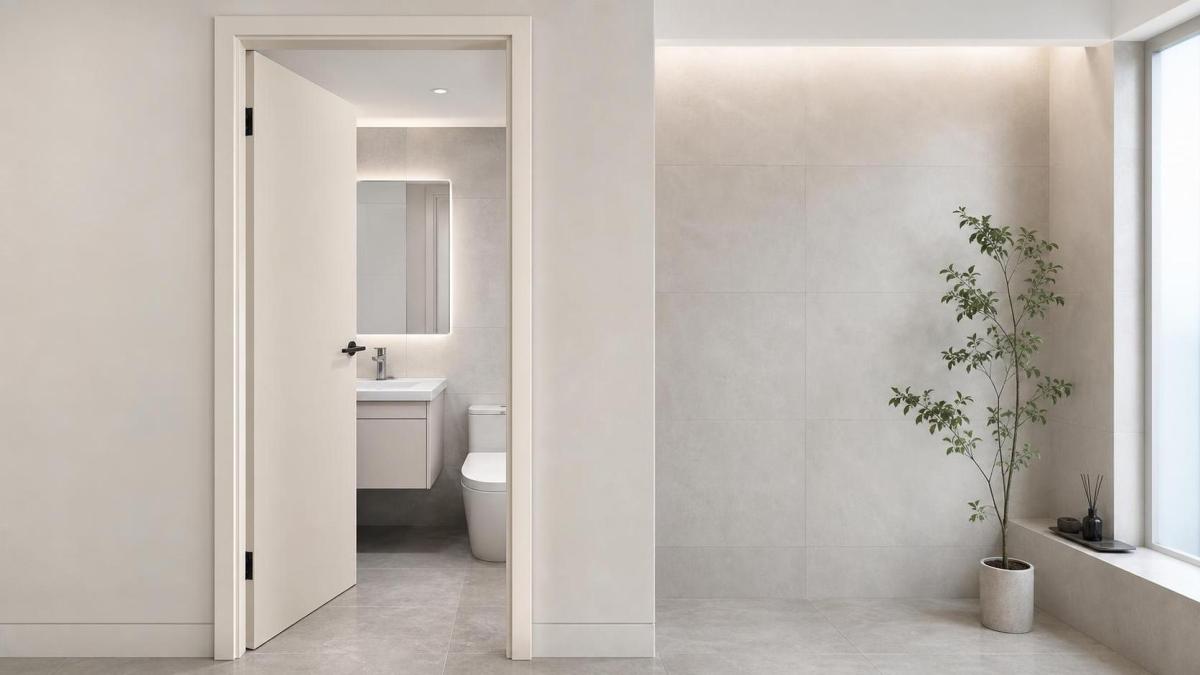
In a small bathroom, the wrong door usually causes trouble before anyone notices the finish. It clips the vanity, blocks the toilet, or forces you to step back just to close it. That is why the first check is simple: stand in the doorway and map the full door path. If a standard swing door eats up too much room, look at whether a narrower leaf, an outward swing, or a folding option makes more sense for the layout.
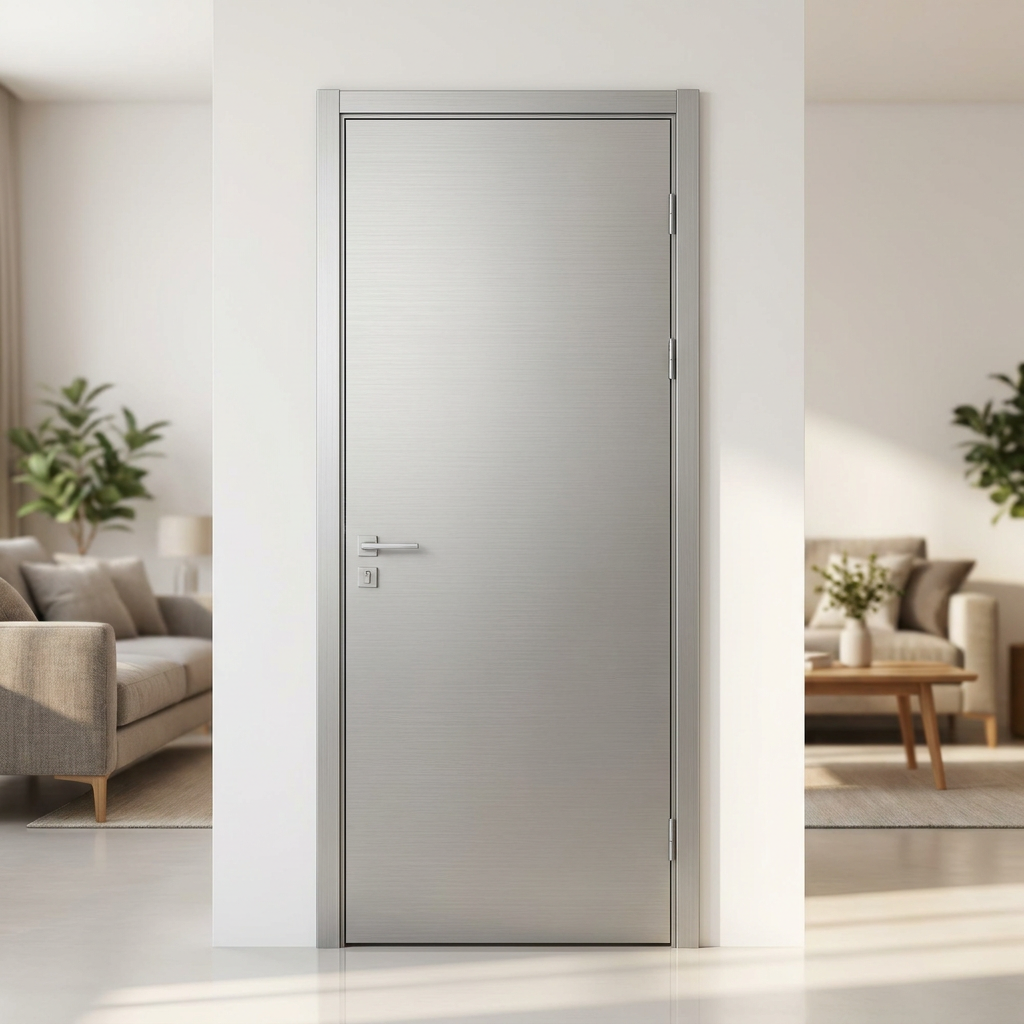
For many homeowners, Affordable PVC Washroom Doors with Simple Interior Door styling work well because they solve three problems at once: they resist bathroom moisture better than many untreated wood options, they are easy to wipe clean, and they can keep the visual line of the room lighter and less busy. But the layout still comes first. A nice-looking door that fights the room every day is a bad buy.
Measure the opening the way installers do
Do not rely on an old floor plan or a rough tape measure from the center of the opening. Measure width at the top, middle, and bottom. Measure height on both sides. Then check wall thickness. In older homes, bathroom openings are often a little out of square, and that affects whether an off-the-shelf PVC door will sit properly without shaving, packing, or frame adjustment.
- Measure after wall tile or wall panel decisions are final.
- Check floor buildup too, especially if new tile will raise the finished floor.
- Leave enough bottom clearance for airflow if your bathroom ventilation is limited.
A common mistake is ordering the slab size without confirming whether the quote includes the frame. That one detail changes the real fit.
Check whether PVC is the right fit for this bathroom
PVC makes sense in bathrooms where moisture, cleaning, and budget matter more than a heavy premium feel. If the room gets steamy every day, a practical surface is usually the smarter choice. That said, not all PVC washroom doors feel the same. Ask what the surface finish is like, how rigid the core feels, and whether the frame looks stable at the lock side and hinge side.
If your bathroom opens directly into a bedroom or hallway, sound control may matter more than buyers expect. Lightweight budget doors can feel hollow and let noise pass easily. That does not rule them out, but it means you should compare the full door set, not just the face material.
Pick a door style that visually calms the room
Small bathrooms usually look better with quieter door designs. Too many grooves, panels, or dark contrasting trim can make the wall feel chopped up. A simple interior door look tends to work because it keeps the eye moving. If the bathroom already has patterned tile, a plain door is almost always the safer call.
This is where “affordable” should not mean “visibly cheap.” Look closely at the edge finish, the corner joins, and how the hardware sits against the surface. Those are the places where low-end products usually give themselves away first.
Use this short comparison before you decide
Do not ignore the frame, seal, and hardware package
Homeowners often focus on the panel and forget the rest of the set. In practice, frame quality and hardware decide whether the door still works smoothly a year later. Ask whether the hinges are suitable for humid rooms, whether the latch is basic passage hardware or privacy hardware, and whether the frame material is matched to bathroom use.
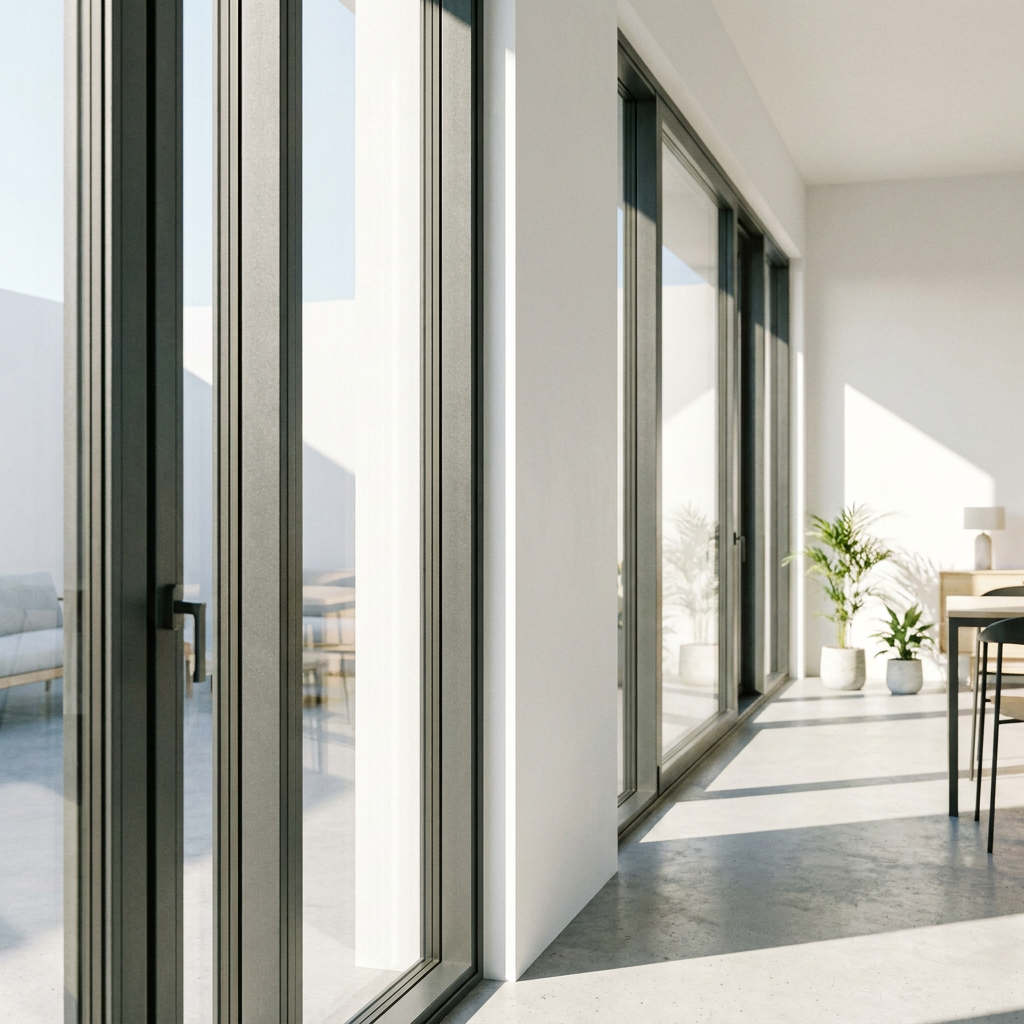
If you are already comparing openings, windows, and other joinery at the same time, it helps to keep the performance logic consistent. For example, products such as Aluminum EPDM Sealing System Double Triple Glass Casement Window are usually chosen around sealing, insulation, and fit options rather than appearance alone. The same buying habit improves bathroom door decisions too: ask what the sealing details are, what can be customized, and which parts of the package are standard versus optional.
Match the finish to how the bathroom is actually used
A guest bathroom that stays mostly dry can handle a wider range of finishes than a family bathroom used several times a day. In heavy-use spaces, smooth, easy-clean surfaces save time and stay presentable longer. Matte textures can look good, but if they trap grime around grooves or embossed patterns, you will feel that choice every week when cleaning.
Light colors usually help a tight bathroom feel less boxed in, especially when the door is visible from a short hallway. Just make sure the shade works with the wall tile and not against it. A slightly warm white and a cool gray tile can clash harder than people expect.
Ask better questions before you place the order
You do not need a long technical discussion, but you do need a clean scope. Before paying, get clear answers on these points:
- Is the quoted price for the leaf only, or leaf plus frame and hardware?
- What opening size is the product made for?
- Can the handing be chosen left or right?
- Is privacy hardware included?
- What finish and color are being supplied?
- What site conditions would void a smooth installation, such as uneven walls or unfinished flooring?
These are not small details. They are the difference between a neat replacement and a job that drags on because someone assumed too much.
Where buyers usually overspend
The usual trap is spending extra on decorative features that do nothing for a cramped bathroom. Frosted inserts, oversized handles, or complex profiles may look appealing in a showroom, but in a compact layout they can add cost without improving daily use. Put the budget into correct sizing, decent hardware, and a surface that can handle moisture and cleaning.
Another easy miss: buying a cheap door and then paying for fixes because the frame, swing direction, or hardware were wrong. A modest product that fits properly is often the better-value purchase.
A practical buying order that keeps mistakes down
Handle the decision in this order: confirm the finished opening, test the swing path, decide whether PVC suits the moisture level and maintenance expectations, then compare simple designs that match the room. After that, check the full package, especially frame and hardware. Leave color and minor styling until the end.
That sequence works because it deals with the hard-to-fix issues first. In a small bathroom, space, fit, and daily function matter more than showroom appeal. Get those right, and an affordable door can look right, work well, and stay easy to live with.
Leave A Reply
Need More Details?
Contact me for details on creating and managing design projects, project features, and services and prices