


NEWS
Categories List
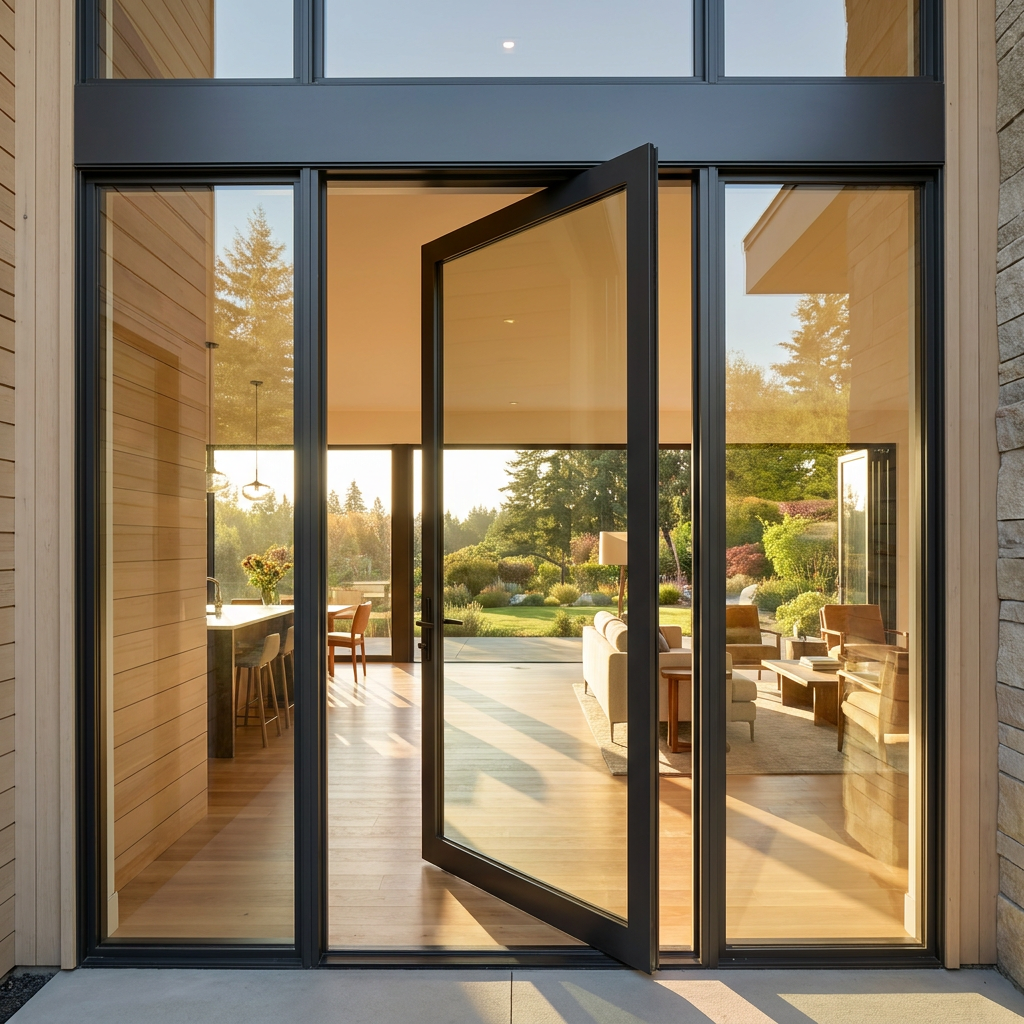
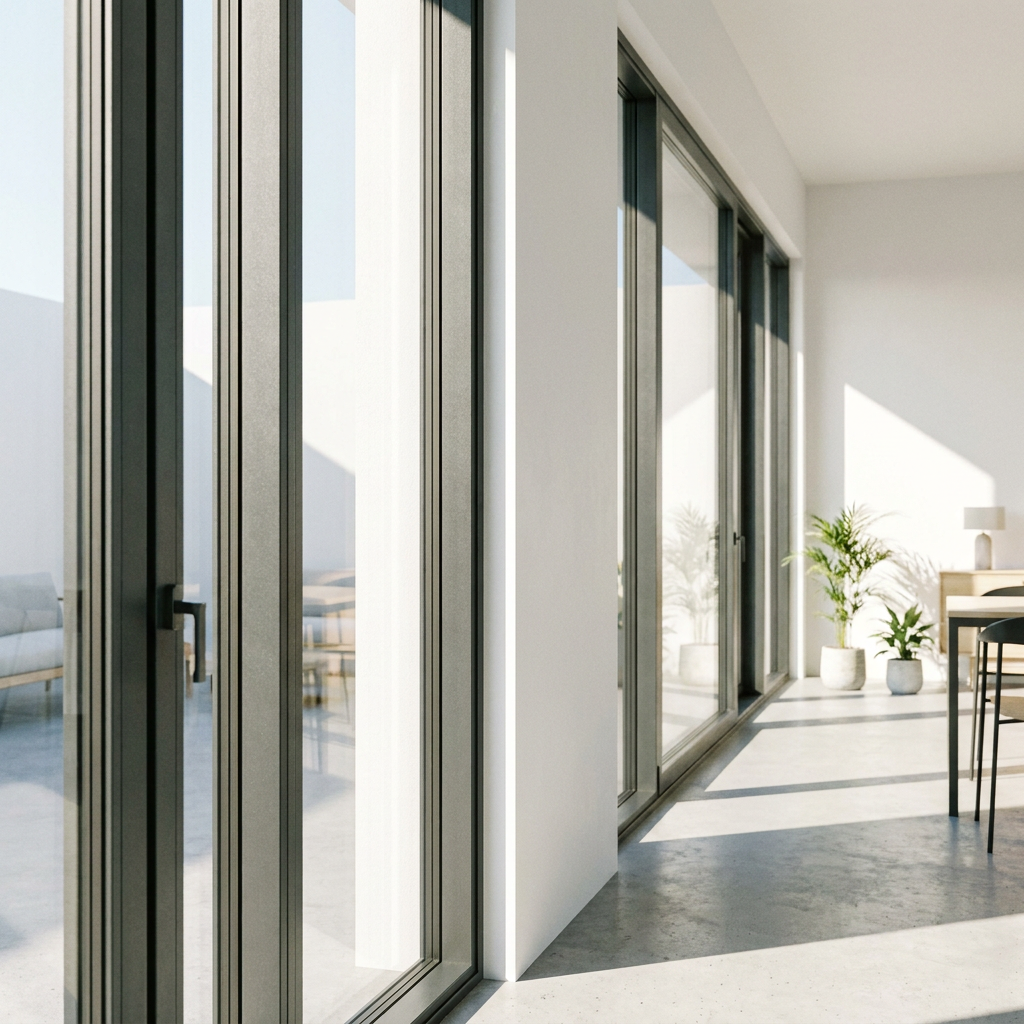
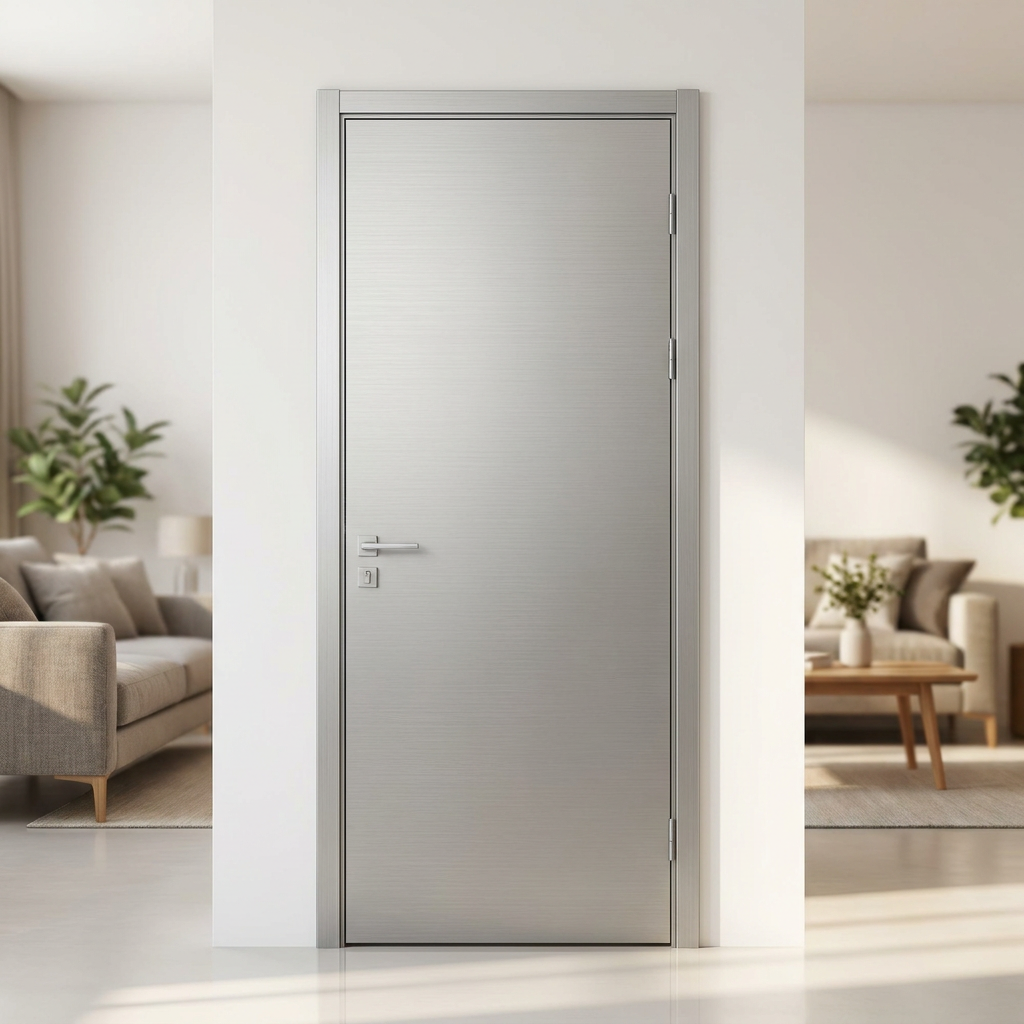
Most people start by looking at color and opening style. That is usually backwards. When you are choosing Aluminum Doors for a kitchen, bathroom, or balcony, the first job is to match the door to the way the space actually works: steam, grease, wet floors, wind, noise, sun, and how often the door gets opened in a normal week. Get that part right, and the finish and style choices become much easier.
A kitchen door needs airflow and easy cleaning. A bathroom door has to handle constant moisture and protect privacy. A balcony door has the hardest life of the three, because it sits between indoor comfort and outdoor weather. Treating all three the same is where many bad purchases begin.
Start with the room, not the catalog
Before comparing models, stand in the opening and answer a few practical questions.
- Does the door swing into a walkway, cabinet run, vanity area, or laundry zone?
- Do you need ventilation every day, or only occasionally?
- Is the opening exposed to direct rain, strong sun, or coastal air?
- Is sound control important because the balcony faces traffic or the bathroom is next to a bedroom?
- Will children or older family members use this door often?
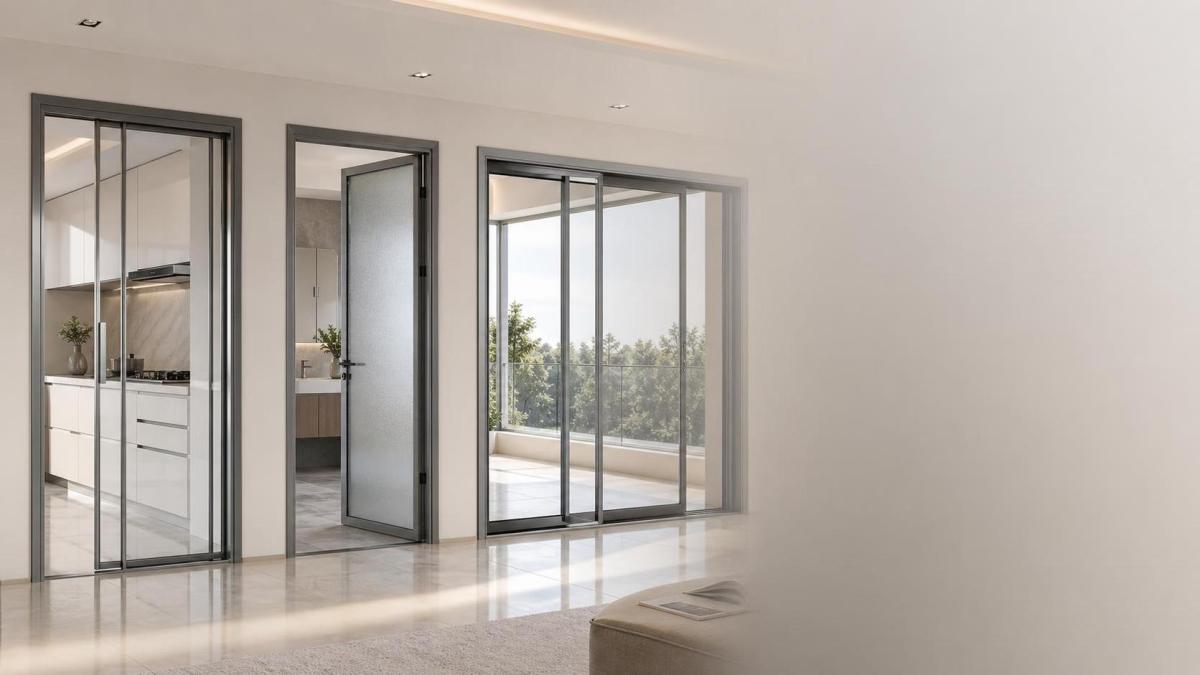
These answers narrow the field fast. Sliding doors save clearance space, but they do not always give the widest full opening. Casement doors seal well, but you need room for the leaf to move. Folding doors can open up a balcony nicely, though they ask for better hardware and cleaner track maintenance than many buyers expect.
Choose the opening style based on daily use
For kitchens, sliding Aluminum Doors are often the most forgiving choice when space is tight. They work well between a kitchen and utility balcony, especially where you do not want a swinging panel interrupting movement. If cooking odors are a constant issue, pay more attention to how tightly the frame and panels close than to the door style itself.
For bathrooms, swing or casement doors are common because they are simple and can close more firmly for privacy. The mistake here is choosing a door with poor moisture resistance around the lower edge, hardware, or frame joints. In a humid room, those weak points show up early.
For balconies, the best option depends on what the balcony does. If it is mainly for light and view, larger glazed sliding or casement systems make sense. If you want a broad opening for airflow, folding doors can be useful, but only when the track, rollers, and locking points are solid enough for frequent use.
Check the frame material and profile details
Not all aluminum profiles feel the same in use. Consumers often compare only thickness claims or surface color, but the more useful questions are these: what alloy is used, how the surface is finished, whether the profile includes a thermal break, and whether the system is built for doors and windows in the first place rather than adapted loosely.
If your balcony gets strong sun or seasonal temperature swings, a thermal break profile is worth real attention because it helps reduce heat transfer through the frame. That matters more on balcony openings than on many interior bathroom doors. In a product line such as Hot Sale Powder Coating 110 Series Thermal Break 6063 Aluminum Casement Window Alloy Extrusion Profile, the listed points that matter to a homeowner are clear enough: 6063 aluminum alloy, powder-sprayed surface treatment, thermal break construction, ISO-listed certification information, and a stated sound-control level below 40 decibels. Those are useful comparison fields when you are lining up several options side by side.
The practical takeaway is simple: for wet or exposed areas, look past appearance and ask for the exact profile specification and finish details. Powder-coated surfaces are commonly chosen because they are easier to maintain and tend to suit everyday residential use well.
Do not skip moisture, ventilation, and drainage checks
This is where buyers usually underestimate the difference between rooms.
For bathrooms and balconies especially, ask how water is meant to leave the system. A door exposed to splashing, condensation, or rain needs a sensible drainage path. If the seller cannot explain where water goes, that is a useful warning sign on its own.
Look closely at hardware, because that is where everyday frustration starts
Homeowners usually notice profile color on day one and hardware quality six months later. Rollers, hinges, locks, handles, and tracks decide whether the door still feels smooth after repeated use. In kitchens and balconies, poor rollers show up fast. In bathrooms, low-grade hardware tends to dislike steam.
When checking samples, do not just push the panel once. Open and close it several times. Lock it. Unlock it. Listen for scraping. Feel whether the handle has play in it. A door that already feels loose in a showroom or sample setting will not improve after installation.
Match glass and privacy level to the room
Glass choice changes the result more than many people expect. Clear glazing can make a small kitchen or balcony feel brighter and less closed in. Bathrooms usually need privacy glass or a less transparent treatment. The right answer depends on layout: a bathroom opening into a private dressing zone has different needs from one facing a hallway.
For noisy streets or dense apartment settings, sound reduction may matter on balcony doors. In that case, do not look at glass alone. Sound control depends on the full system, including frame, seals, and installation quality. That is one reason profile information such as thermal break structure and stated acoustic performance can be worth noting when comparing options like the 110-series casement profile linked above.
Measure the opening properly and leave room for installation reality
A clean catalog size does not mean a clean site condition. Wall plumb, floor level, tile build-up, threshold height, and finishing tolerances all affect the final fit. This matters even more in older homes, where openings are rarely as square as owners assume.
Take width and height measurements at multiple points, not just one. Check the floor finish on both sides of the opening. On balcony doors, pay attention to threshold height and how it meets water control. On bathroom doors, make sure the swing will clear the toilet, vanity, towel rail, and any raised floor transition.
Finish with a short buying checklist
- Pick the opening style based on movement space first.
- For balconies, give extra weight to thermal break, sealing, drainage, and noise control.
- For bathrooms, prioritize moisture resistance, privacy, and hardware durability.
- For kitchens, favor easy-clean tracks and practical ventilation.
- Ask for the actual profile, alloy, finish, and application details instead of buying on appearance alone.
- Test the hardware like a user, not like a browser.
- Measure the real opening conditions before locking in the order.
If you follow that order, the decision usually becomes much clearer. Good Aluminum Doors are not just about matching the decor. They should solve the specific problems of each room and keep doing that without constant adjustment, sticking, swelling, or premature wear.
Leave A Reply
Need More Details?
Contact me for details on creating and managing design projects, project features, and services and prices