


NEWS
Categories List
Recent Posts

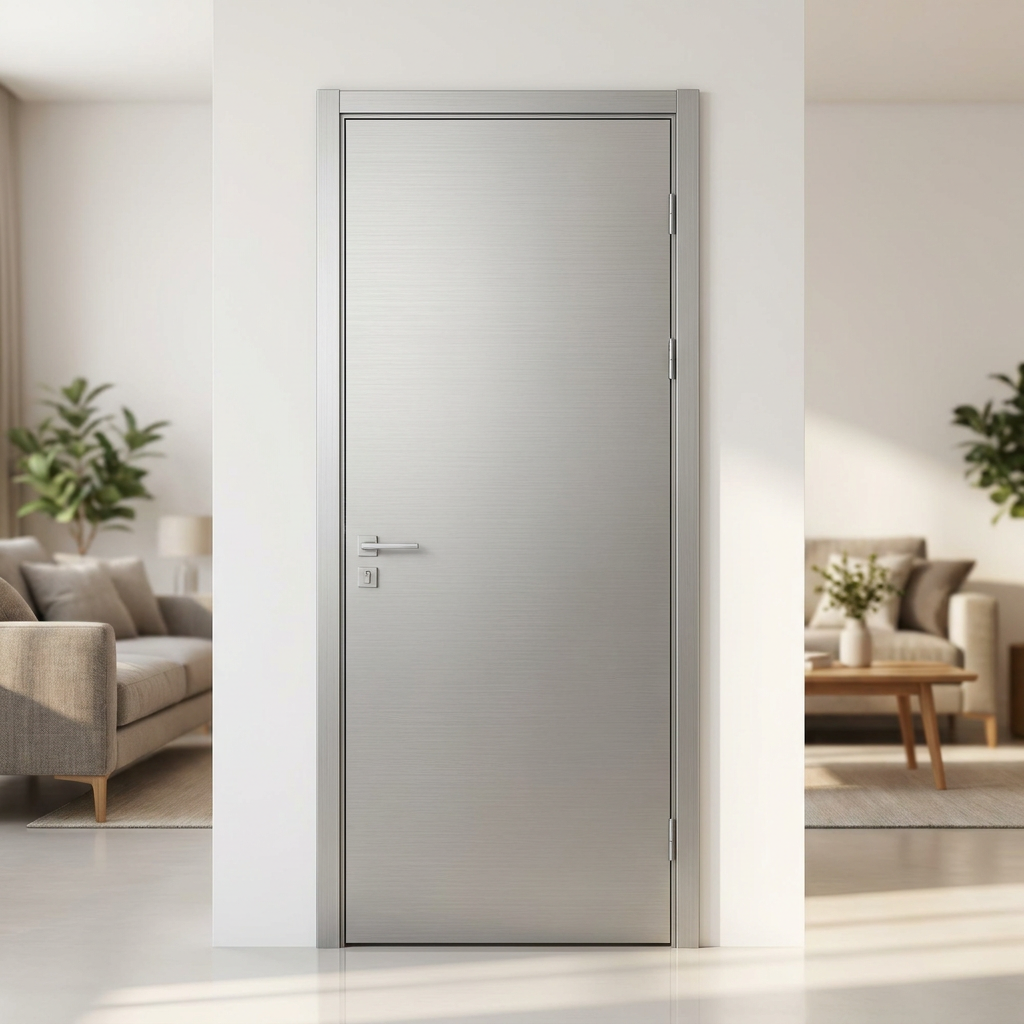

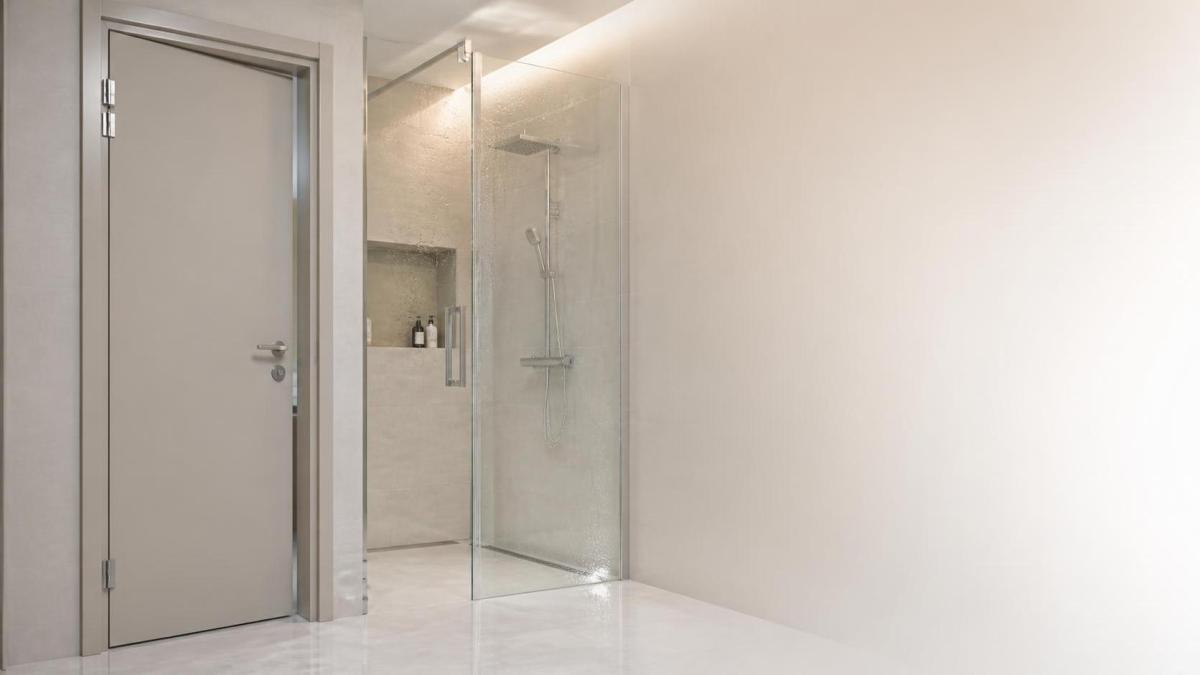
A bathroom door has to tolerate repeated humidity changes, direct splashes near the shower area, steam after bathing, and regular cleaning. Affordable PVC washroom doors are often a sensible choice where a painted timber door may swell at the bottom edge or where a veneer surface may deteriorate after prolonged exposure to moisture. The right option should still feel solid in daily use, close cleanly, allow privacy, and suit the visual language of nearby interior doors.
Start with the bathroom conditions rather than the door appearance. A well-ventilated guest bathroom with a separate shower enclosure places less stress on a door than a compact washroom where steam spreads through the room and dries slowly. If the threshold is often wet, the lower portion of the leaf, frame, architrave, hinges, and lock area all require closer attention. A low-cost door that is only moisture-resistant on its face can become an expensive replacement if its core, edge sealing, or frame material is unsuitable.
Understand What “PVC Door” Actually Describes
PVC washroom doors are not all made in the same way. The term can refer to a hollow PVC panel, a reinforced PVC leaf, a PVC-faced composite door, or a door with a different internal core and PVC surface layer. Surface appearance alone does not show how the door will respond to impact, heat, moisture, or screw fixing.
A lightweight hollow panel can work well for a secondary washroom when the opening is protected and traffic is light. It is easy to handle and generally less demanding on hinges. However, very thin skins may flex when pushed, and lightweight construction may give the lock or handle area less support. For a busy family bathroom, inspect whether the latch and hinge zones include internal reinforcement. A more rigid leaf is usually quieter when closing and less likely to feel unstable over time.
PVC-faced composite doors may offer a more substantial feel, but their suitability depends on the core and how thoroughly the edges are sealed. If the internal material can absorb water through a cut edge, poorly sealed lock cut-outs, or damaged corner, a water-resistant surface will not fully protect it. Ask which parts of the leaf are PVC, which parts are reinforced, and how the top, bottom, and hardware openings are finished.
Affordable PVC Washroom Doors with Simple Interior Door styling commonly use plain flush panels, shallow grooves, or restrained linear detailing. These designs are practical because they are easier to wipe down than deeply routed profiles. They also sit comfortably beside simple bedroom, laundry, or corridor doors without making a small bathroom feel visually crowded.
Look Beyond the Door Leaf
The frame is often the weak point in a moisture-prone installation. A PVC door leaf fitted into an absorbent frame can still lead to swelling, staining, or distorted trim around the opening. Match the frame material to the room conditions. PVC frames and adequately protected composite systems are common choices, while timber frames need a reliably sealed finish on every exposed edge, especially near the floor.
Examine the connection between the frame and wall as well. Gaps hidden behind architrave should be properly filled and sealed where moisture could enter. In tiled bathrooms, the transition between tile, wall finish, frame, and floor should leave no exposed absorbent material. Sealant is useful around vulnerable joints, but it should not be used to disguise a frame that is already twisted or an opening that has not been prepared correctly.
Hardware deserves the same attention as the panel. Choose hinges intended for humid rooms and confirm that screws can bite into a reinforced area rather than only a thin skin. A privacy lock should operate smoothly without forcing the leaf against the strike plate. Where frequent cleaning is expected, handles with simple shapes and fewer narrow recesses are easier to keep clean. Hardware finishes should be selected for resistance to the cleaning products likely to be used, since abrasive or highly chemical cleaners can dull some coated finishes.
Measure the Opening Before Comparing Sizes
Do not select a nominal door size until the finished opening is measured in several places. Measure width at the top, centre, and bottom, then measure height on both sides and through the middle where practical. Check diagonal measurements as an indication of whether the opening is square. In older homes, walls may lean slightly, floors may rise near the bathroom entrance, and tile build-up may reduce the available width.
The opening must allow for the frame, installation clearance, shims or packers, and the gap needed for the leaf to swing freely. A door sized only to the largest visible opening can become too tight once the frame is installed. Conversely, excessive gaps cannot be corrected merely by adding thick sealant. Give the installer the finished-opening dimensions, wall thickness, floor level, tile thickness, door handing, and the direction of the intended swing.
Door swing affects both safety and comfort. An inward-swinging leaf can save corridor space but may interfere with a vanity, toilet, towel rail, or a person inside a compact bathroom. An outward swing may keep the room clearer but requires a protected path outside the opening. Sliding systems can be useful where swing clearance is limited, although the track, guides, soft-close components, and wall pocket must be appropriate for a humid environment. A basic hinged PVC washroom door remains the simplest option when the layout allows it.
Choose a Surface That Stays Presentable
Glossy white PVC is widely available and can brighten a small washroom, but it may show fingerprints, water spotting, and scratches more readily than a soft matte or lightly textured finish. Textured woodgrain effects can coordinate with simple interior door schemes, yet very deep grain can collect dust around raised lines. Request a physical sample when possible, because colour under showroom lighting can differ from colour beside bathroom tile and natural daylight.
Pale neutral finishes usually make it easier to coordinate future changes to paint, fixtures, or towels. Dark finishes can create a strong contrast but show soap residue and dried water marks more clearly in some bathrooms. If the bathroom has warm wood-effect cabinetry, choose a PVC finish that is visibly intentional rather than one that imitates timber poorly. A plain solid colour often looks cleaner than an inexpensive printed grain placed beside real wood.
For a bathroom renovation that also includes acoustic treatment in an adjacent bedroom, study, or dressing area, finishes should be considered across the connected spaces. Materials such as High Quality Sound Absorbing MDF Akupanel Wood Slatted Wall Acoustic Felt Panels may be specified in dry interior zones with coordinated melamine, veneer, or HPL appearances. They should not be treated as a substitute for a bathroom door or installed where persistent direct moisture exceeds the panel system's stated application conditions. Keeping wet-zone materials and dry-zone decorative finishes distinct avoids a mismatch between appearance goals and material performance.
Where Affordable Options Can Become False Economy
The lowest quoted door may exclude the frame, hinges, lock, handles, architraves, transport protection, installation, or trimming work. Compare quotations on the same scope. A complete comparison should identify the leaf construction, leaf thickness, frame material, opening direction, hardware type, finish, accessories, and whether the price includes fitting. A door that appears inexpensive before hardware and installation can be less economical than a slightly higher-priced complete set.
Be cautious with a door that feels unusually light, has visibly uneven edges, or produces a hollow rattle around the lock area. These signs do not automatically prove poor quality, but they warrant further questions about reinforcement and intended use. Look at the corners and edges for consistent finishing. Confirm that the face film or surface layer is firmly bonded, with no lifted edges or bubbles. A surface defect near the bottom of the leaf is particularly relevant because that area receives the most splashed water and cleaning contact.
- Ask for the finished leaf thickness and the frame profile dimensions, rather than relying on a product photograph.
- Open and close a sample or display door several times. The latch should engage without lifting, dragging, or a sharp impact against the frame.
- Confirm how the bottom edge is protected, especially if the bathroom floor will be mopped frequently or has no separate shower screen.
- Review the delivery condition. Corners, frames, and hardware packs should be protected so that a door is not installed with concealed transport damage.
Installation Details That Affect Service Life
Allow the bathroom floor finish to be completed, or clearly account for its final level, before fixing the door height. A gap that is too small can cause rubbing after tile installation; a gap that is too large may reduce privacy and make the room feel unfinished. The required undercut may also depend on the ventilation arrangement, so it should be agreed before the leaf is cut.
The frame should be plumb and square before the leaf is hung. Fitters normally use packers at hinge and strike locations to prevent the frame from bending when fixed. Once the leaf is installed, test the reveal around all sides, lock engagement, handle return, and swing clearance. Any protective film should be removed according to the product instructions rather than left in place until it becomes difficult to peel away.
After installation, inspect the perimeter during the first periods of regular use. A door that begins to catch may indicate a settling frame, loose hinge screws, or a change in floor clearance. Address small alignment issues early. Forcing the handle or repeatedly slamming a misaligned door can damage hardware that would otherwise only need minor adjustment.
Keep Cleaning Simple and Consistent
PVC surfaces generally need only a soft cloth, warm water, and a mild non-abrasive cleaner suitable for the finish. Dry the lower edge and frame after heavy splashing instead of allowing moisture to sit in joints. Avoid scouring pads, aggressive solvents, and harsh alkaline products unless the door supplier has confirmed they are suitable; these may scratch, discolour, or weaken a surface layer.
Clean the hinge knuckles, latch faceplate, and threshold area periodically, where dust mixed with moisture can create gritty movement. Tighten loose handle or hinge screws using the correct tool, taking care not to overtighten fasteners in PVC components. Good extraction, a sensible shower screen arrangement, and prompt removal of standing water will do as much for door longevity as the material selection itself.
A well-chosen affordable PVC washroom door should have a moisture-tolerant leaf and frame, dependable hardware support, correct site measurements, and a finish that fits the rest of the home. When these practical details are confirmed before ordering, the simple interior door design can remain neat and functional without demanding frequent repair or refinishing.
Leave A Reply
Need More Details?
Contact me for details on creating and managing design projects, project features, and services and prices