


NEWS
Categories List
Recent Posts
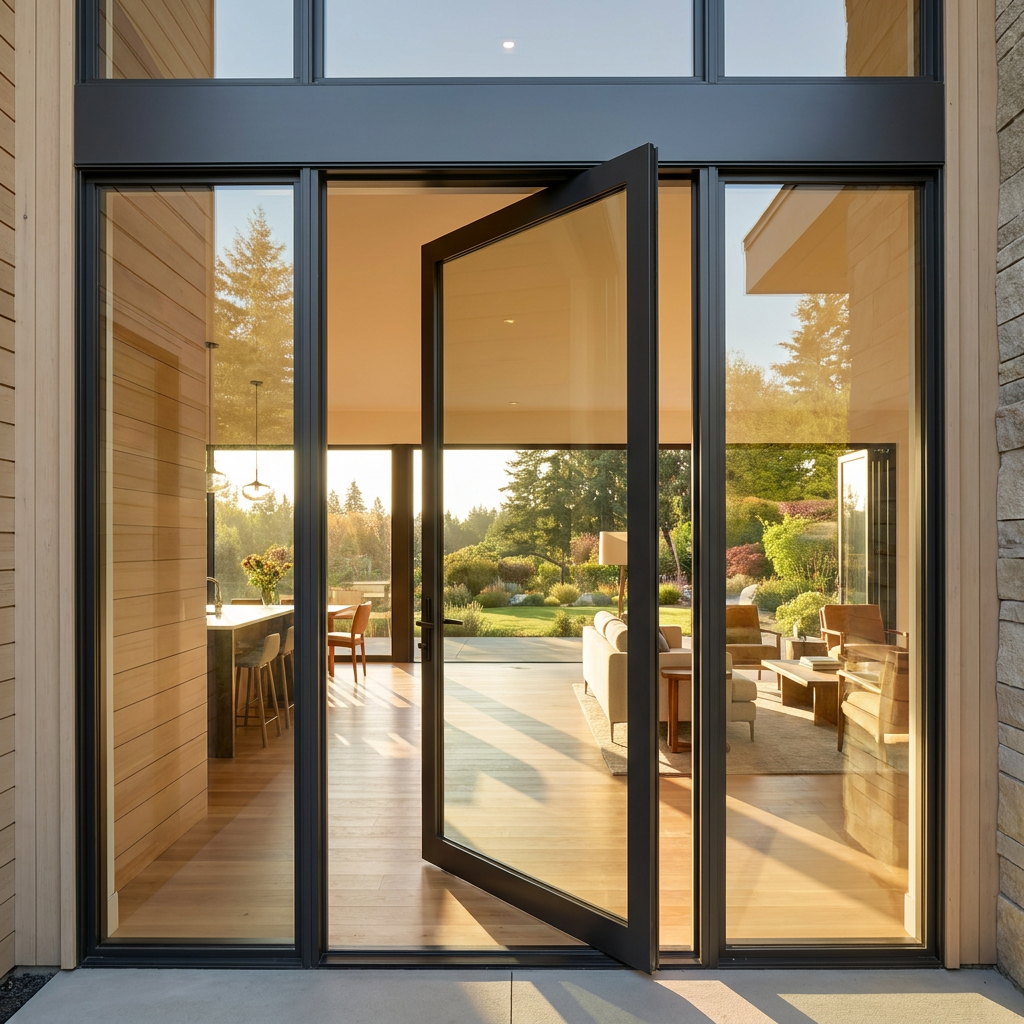
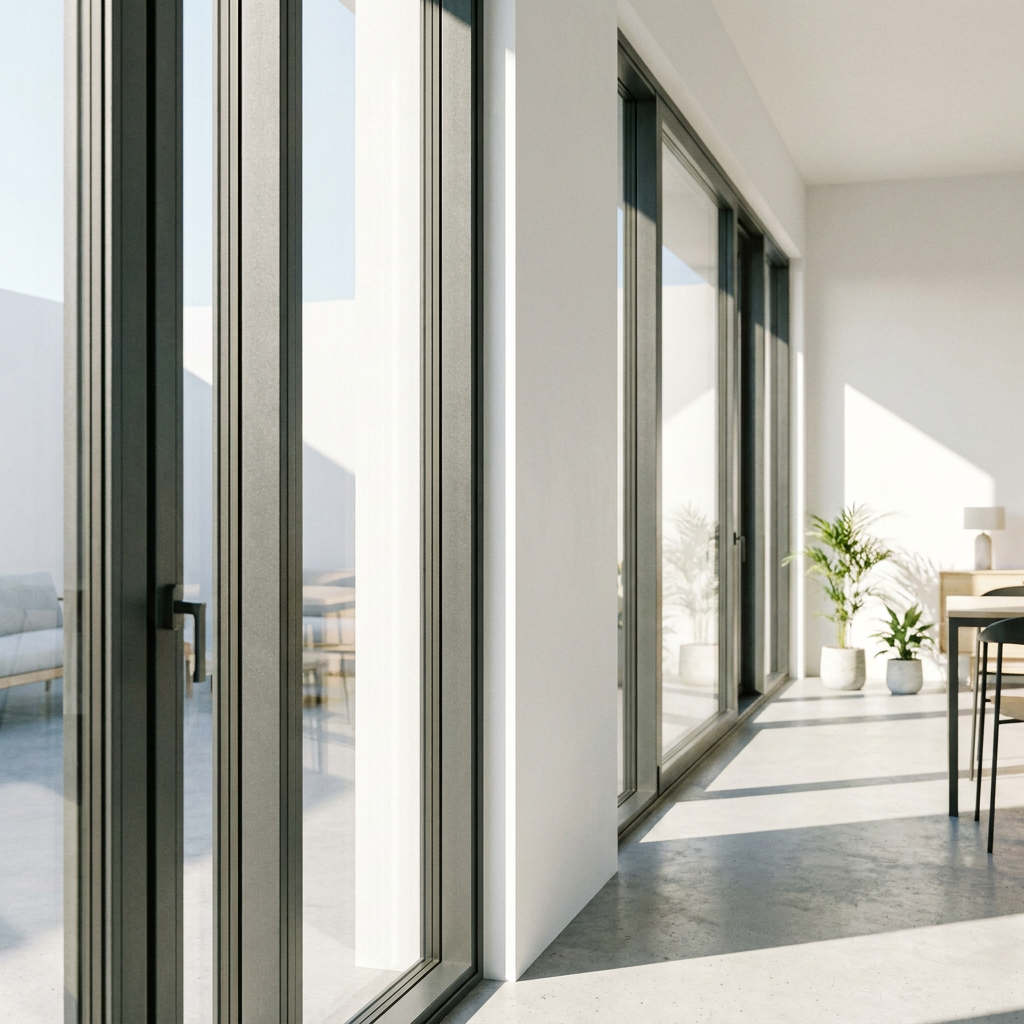
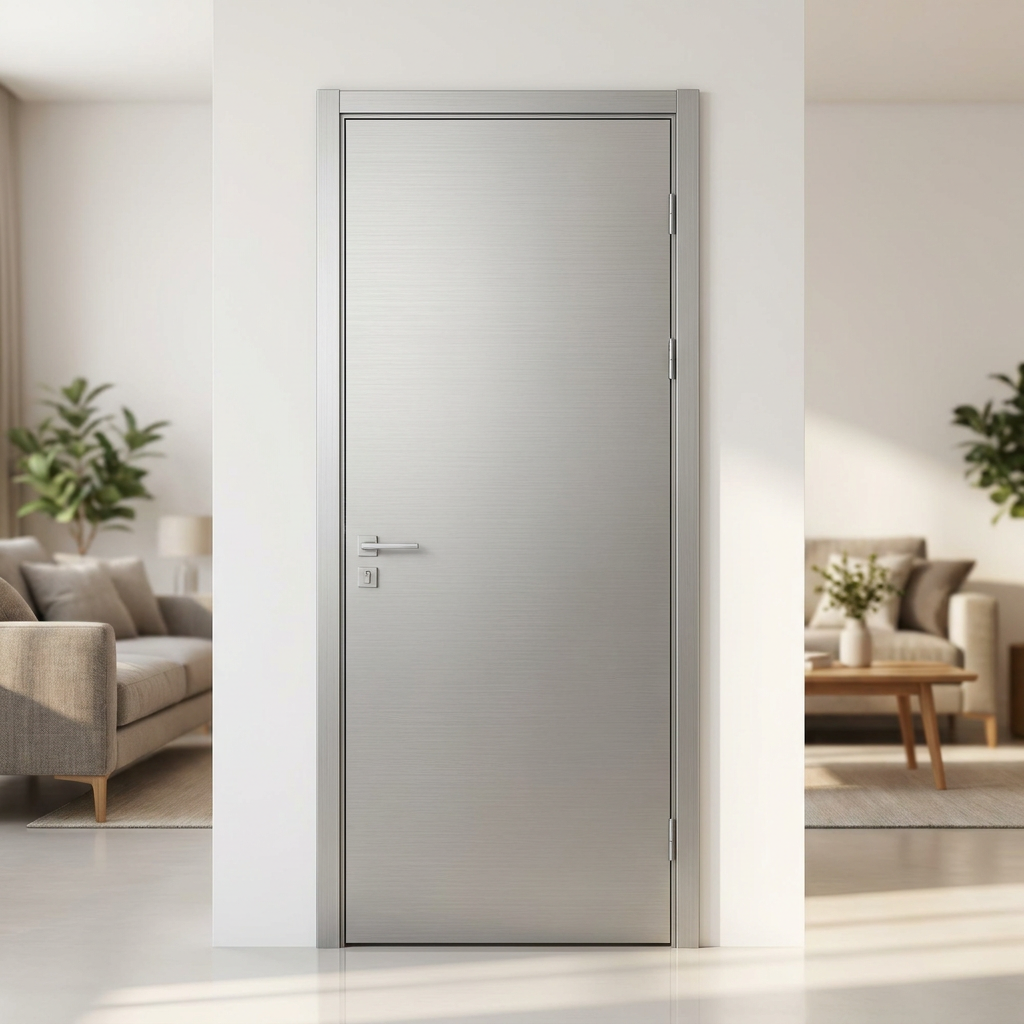

How aluminium door systems perform in coastal homes
2026-08-14
Aluminium Door Systems in Coastal Homes: What Holds Up, What Fails, and What to Check
If you are evaluating door systems for a coastal project, the short answer is this: aluminium door systems usually perform well near the sea, but only when the alloy, surface finish, sealing, hardware, and fabrication quality are all specified correctly. Salt air does not usually attack aluminium the way it attacks steel, but it will expose weak finishes, poor drainage, low-grade fasteners, and sloppy assembly very quickly. That is why coastal performance is less about the material label and more about the full system.
## Aluminium Door Systems and coastal exposure
Coastal homes create a harsh mix of salt spray, humidity, UV exposure, wind load, and repeated thermal movement. Aluminium has a clear advantage here because it does not rust in the usual sense, and it can stay dimensionally stable better than many alternatives. But that advantage only holds if the door system is built as a complete assembly, not as a profile alone.
For technical evaluators, the practical question is not “is aluminium suitable?” It is “is this aluminium door system engineered for the conditions it will actually face?” A frame can look fine on day one and still fail early if water collects in the wrong place, if the coating is thin or inconsistent, or if the hardware cannot survive continuous salt exposure.
## What actually affects performance
The biggest mistake I see in specification reviews is over-focusing on the profile alloy and under-focusing on the details that decide service life.
A few points matter more than most people expect:
- Surface protection. Powder coating, painting, or other finishes need to be consistent and properly cured. In coastal air, weak edge coverage or damaged coating becomes a corrosion entry point.
- Hardware quality. Hinges, locks, rollers, and fasteners should match the environment. A marine-adjacent opening can fail from a cheap screw long before the aluminium frame itself has any issue.
- Sealing system. EPDM and silicone sealant are common for good reason: they help the door hold out wind-driven rain and reduce air leakage. Poor sealing often shows up as drafts, staining, or complaints long before structural failure.
- Drainage and design. If the system traps water in corners or tracks, performance drops fast.
- Fabrication precision. Clean corners, tight tolerances, and smooth operation matter because coastal movement amplifies small defects.
This is where a manufacturer’s production discipline becomes visible. Weihai Gensheng Trading Co., Ltd. works across aluminum casement, folding, and sliding doors, plus wood-aluminum window and door systems, and that broader manufacturing range matters because coastal projects often need the same thing: repeatable accuracy, not just a nice sample. In a system like Black Aluminum Glass Accordion Door with German Hinges Multi Lock System and Soundproof Glazing for Living Rooms, the combination of German hinges, multi-lock hardware, soundproof glazing, and a sealing system built around EPDM or silicone is the kind of specification that makes sense when the opening has to do more than look good.
## Where aluminium performs well, and where it does not
In a coastal home, aluminium door systems are a strong choice for exterior openings, large glazed transitions, and interior-to-exterior spaces that need stable operation over time. Folding and sliding formats are especially common because they let designers open up living areas without giving up too much structure.
That said, not every coastal situation is the same.
If a house sits directly on the shoreline, with regular salt spray and high winds, you should be stricter about coating quality, profile thickness, and hardware grade. If the door is under a sheltered veranda, requirements can be less severe, though still above standard inland use. For interior openings, concerns shift more toward operation, sound control, and visual finish than weather resistance.
A black aluminium glass accordion door can be a practical option for living rooms where the owner wants wide opening capability but still expects everyday security and acoustic control. The sound insulation figure of 45, when verified in context, suggests the system is not just decorative. Still, evaluators should confirm what test method was used, because acoustic claims mean little without the test basis.
## What to ask before approving a system
For technical review, I would usually check these items first:
1. Profile thickness and wall consistency. Options such as 1.4mm, 1.6mm, 1.8mm, 2.0mm, or 3.0mm can all exist in the market, but the right choice depends on span, wind load, and opening size.
2. Glass build-up. Double glazing such as 5mm+12A+5mm or 6mm+12A+6mm is often used to improve thermal and acoustic performance, but the exact glass spec should match the project requirement.
3. Hardware origin and cycle expectations. Hinges and locks are not a detail to leave vague.
4. Seal design. Ask how the system handles water, air, and movement over time.
5. Finish type. Powder coating is common, but the key is uniform application and edge protection.
6. Packaging and transit protection. Coastal projects are often remote; damaged finishes on delivery can undo a good specification.
If the supplier can explain these points clearly, that is usually a better sign than a polished brochure.
## A practical decision rule
Here is the simplest way to think about it: aluminium door systems are a strong fit for coastal homes when the project values corrosion resistance, stable operation, and low maintenance, but they are only as good as the weakest part of the system. A high-quality profile with poor hinges, weak sealing, or sloppy installation will still perform badly.
That is why a factory with advanced equipment and careful production control can matter. Precision software and consistent manufacturing do not sound exciting, but they are often what keeps a coastal door operating smoothly after repeated humidity cycles and seasonal movement. For evaluators, that is the difference between a system that merely installs and one that keeps its alignment.
If you are comparing options, do not stop at material type. Ask for the finish specification, hardware list, sealing method, and test basis. That will tell you far more about real-world coastal performance than the product name ever will.
## FAQ
**Are aluminium door systems better than timber near the coast?**
Usually yes for exterior exposure, because aluminium is less vulnerable to swelling and rot. Timber can still work, but maintenance and detailing become much more demanding.
**Does thicker aluminium always mean better coastal performance?**
No. Thickness helps only when the rest of the system is designed well. A poorly finished thick profile can still fail early.
**What is the main failure point in coastal conditions?**
Often it is hardware, seal failure, or coating damage rather than the aluminium extrusion itself.
**Is sound insulation relevant for coastal homes?**
Yes, especially in living areas close to roads, wind, or active outdoor zones. Acoustic performance can be a real comfort factor, not just a side benefit.
**Should I specify custom dimensions for coastal projects?**
Only when needed. Custom sizing is useful, but it should not reduce the discipline around tolerances, drainage, and sealing.
**Suggested internal anchors**
- Aluminium casement door specification guide: frame thickness, hardware, and sealing
- Folding door vs sliding door for large openings
- Coastal corrosion resistance in home hardware
- How to read a glazing specification
- Door installation checklist for external openings
**External source directions**
- Industry association guidance on architectural aluminium and coastal durability
- Government or standards-body documents on wind load, air leakage, and water penetration testing
- Hardware manufacturer technical manuals for corrosion-rated hinges, locks, and fasteners
**SEO self-check**
- Technical/standard intent: yes
- Technical analysis style: yes
- Written for technical evaluators: yes
- Main keyword appears naturally: yes
- Keyword stuffing avoided: yes
- Template-like AI phrasing avoided: yes
- Structure varies naturally: yes
- Unverified facts used: limited; acoustic and capacity figures are framed cautiously
- Company and product information integrated naturally: yes
Previous:No more content
Next:No more content
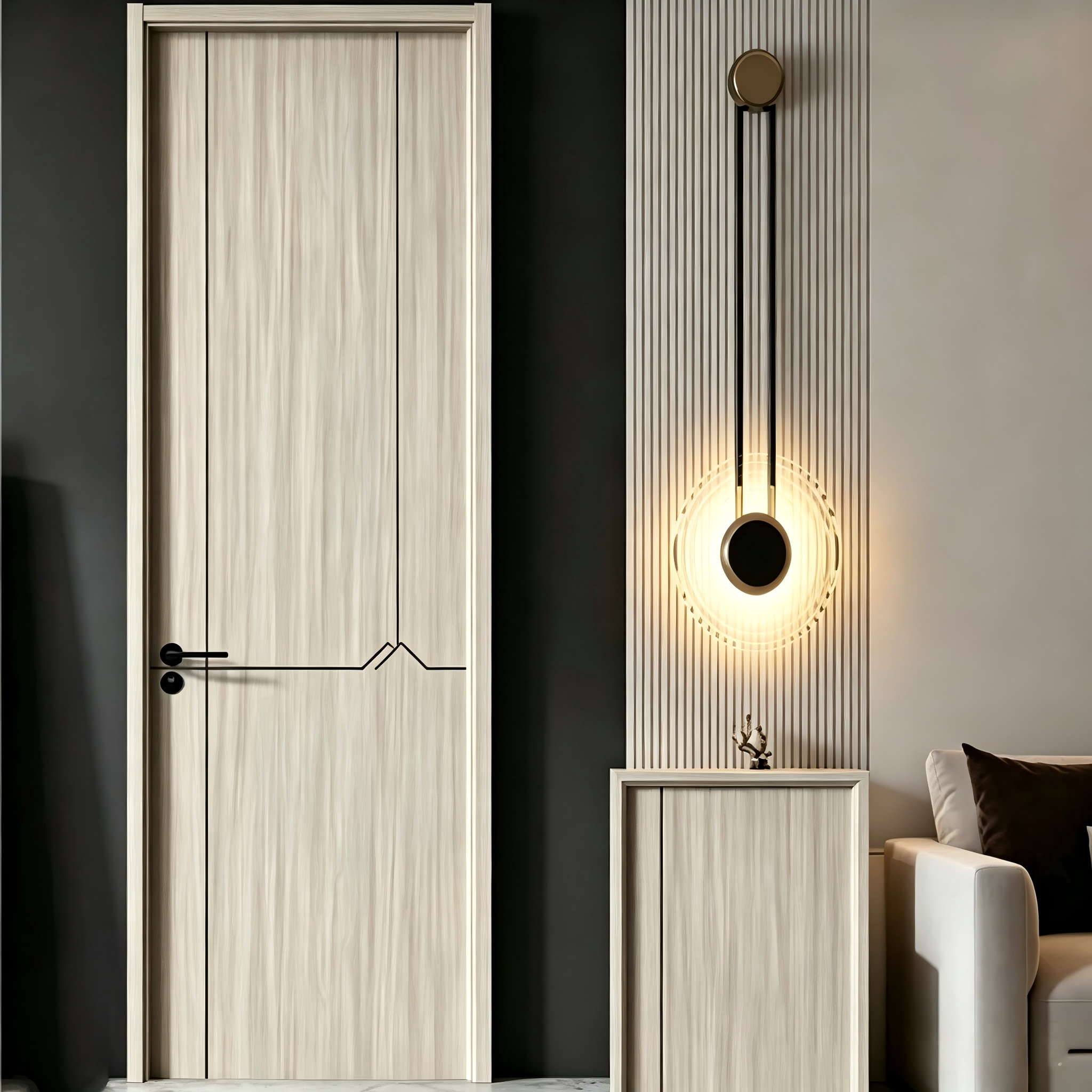
 Premium Waterproof WPC Door for Single RoomsProduct Attributes
Customization: Available
After-sales Service: Replacement
Warranty: One Year
Model NO.: KAL-003
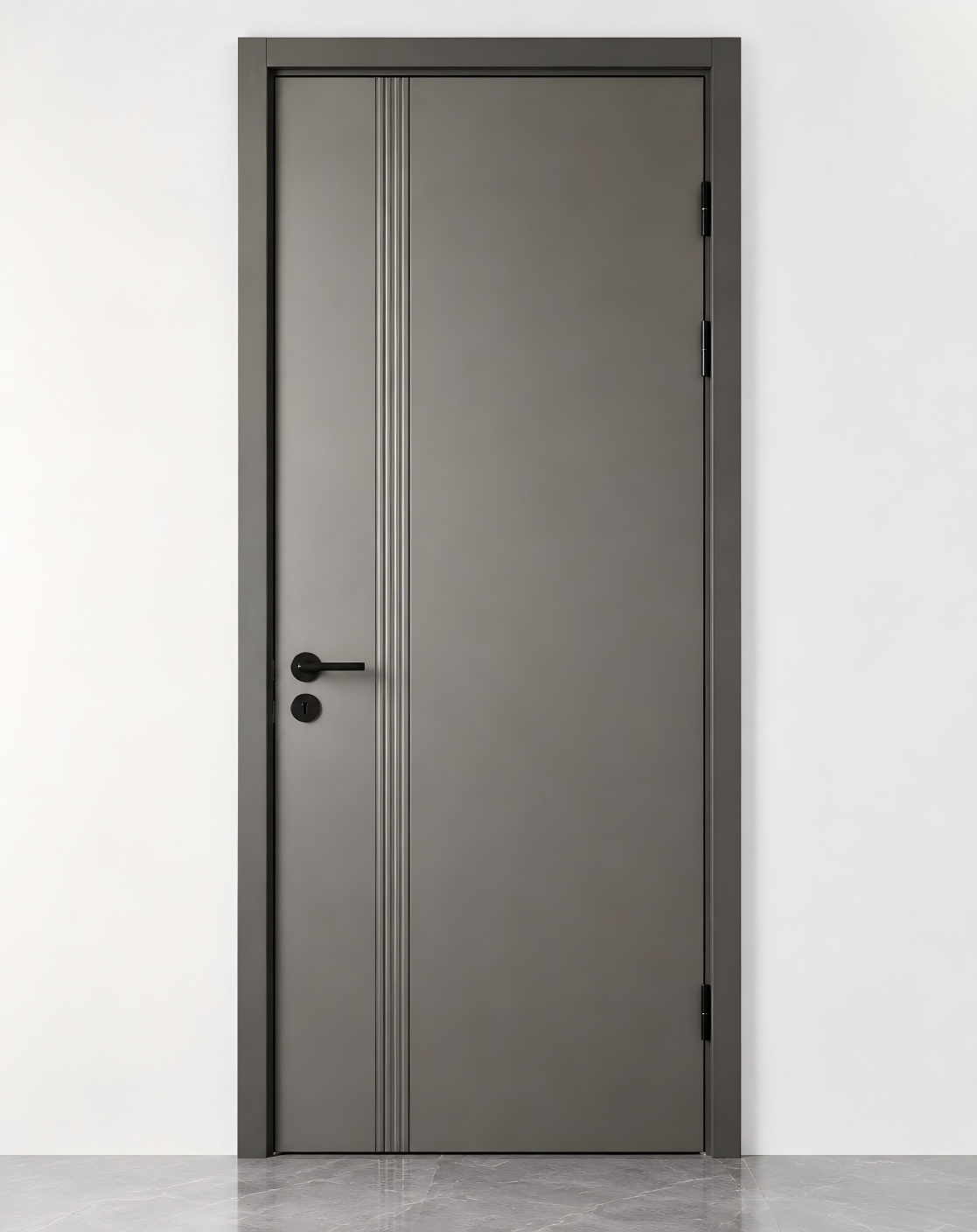
Product Material: WPC Premium WPC Door with PVC FinishProduct Details
Customization: Available
After-sales Service: Replacement
Warranty: One Year Modern WPC Interior Frameless Invisible Door with Hidden HingeProduct Attributes
Customization: Available
After-sales Service: Replacement
Warranty: One Year
Product Material:WPC
Leave A Reply
Need More Details?
info@example.com
Contact me for details on creating and managing design projects, project features, and services and prices