


NEWS
Categories List
Recent Posts
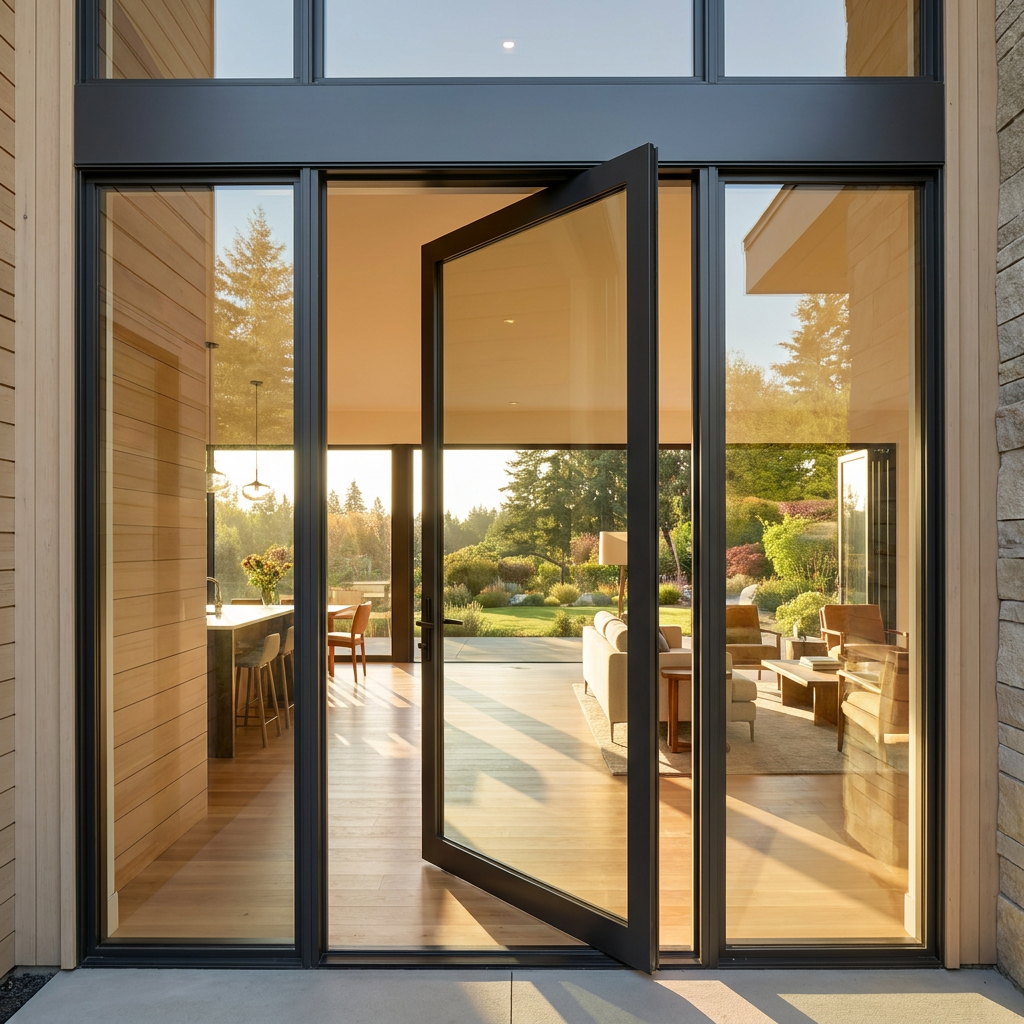
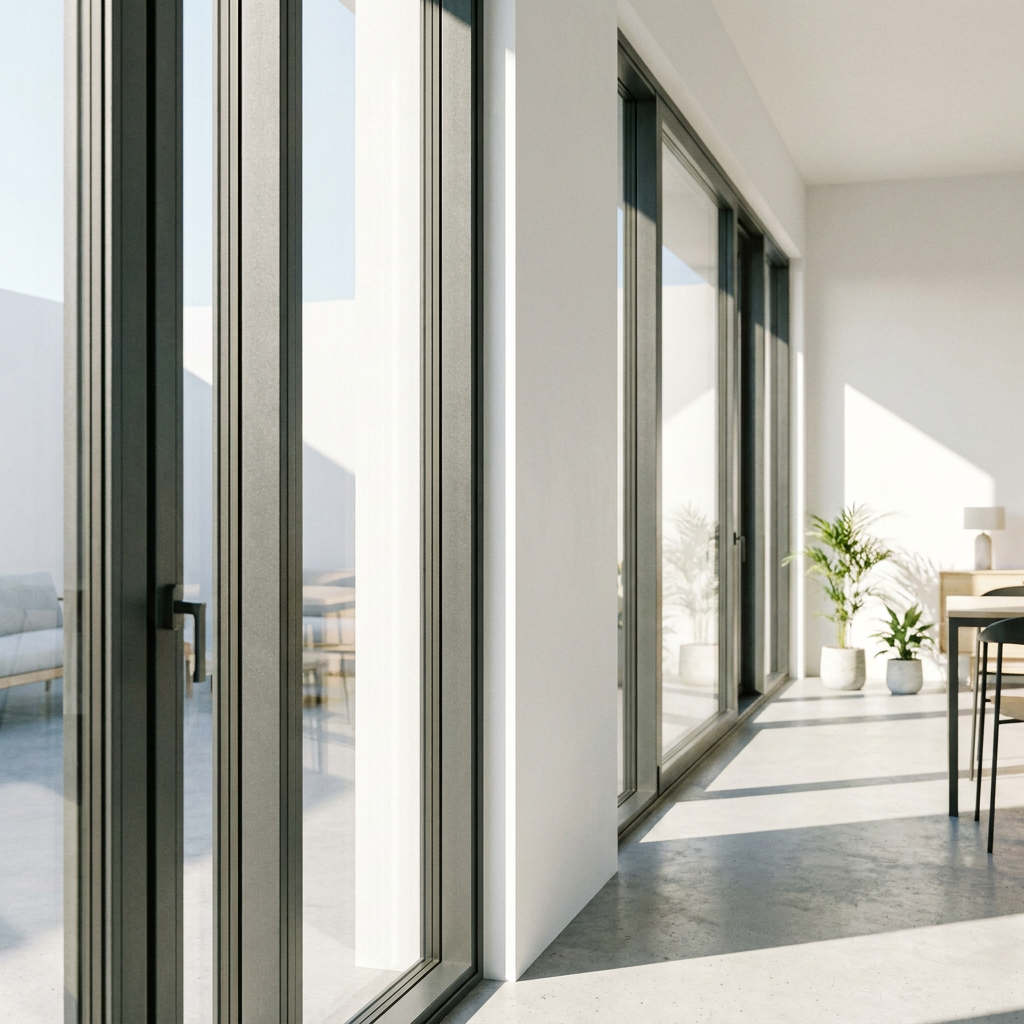
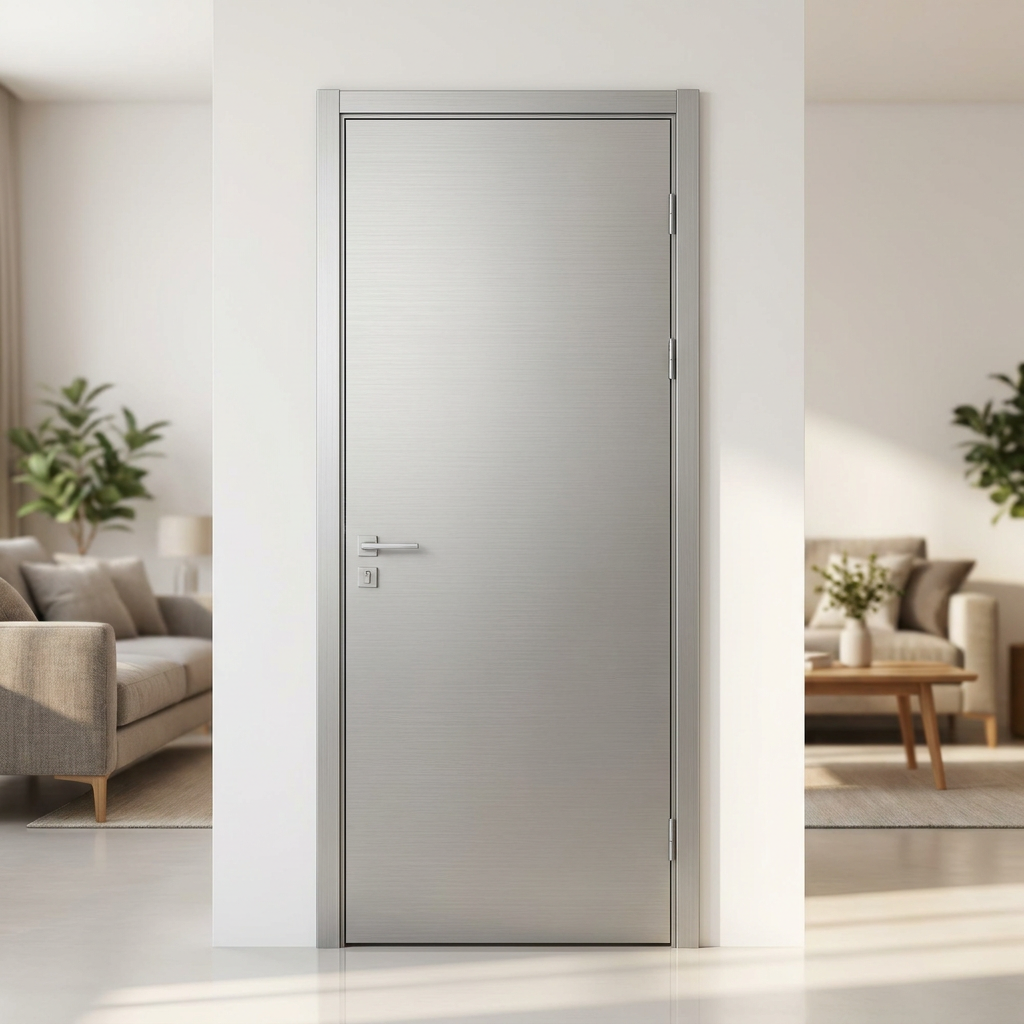

How Aluminium Door Systems Improve Heat Retention in Modern Homes
Aluminium Door Systems are a practical option for homeowners who want better indoor comfort without giving up a clean, modern look. The main value is simple: they can help reduce heat loss, support tighter seals, and work well in homes that aim to be more energy efficient.
For information-focused buyers, the real question is not whether aluminium looks good, but whether the system design can hold warmth effectively. In many modern homes, the answer depends on the frame construction, thermal break quality, glazing choice, and installation accuracy.
What buyers usually want to know first
Most readers compare aluminium doors with timber, uPVC, or composite options and ask which one performs best in daily use. Heat retention matters, but so do durability, maintenance, security, and whether the door suits the property style.
Modern aluminium systems are often selected because they can combine slim profiles with improved insulation technology. That makes them suitable for homes, apartments, villas, and renovation projects where both appearance and performance matter.
Why aluminium doors can retain heat better
The biggest improvement comes from thermal break technology. A thermal break separates the inner and outer parts of the frame, reducing the path that heat can travel through the metal.
Without this barrier, aluminium would conduct heat more easily. With it, the door system becomes far more effective at limiting warmth loss, especially in colder months or in homes with frequent temperature changes.
Sealing also matters. Well-made door systems reduce drafts around the edges, which helps maintain stable indoor temperatures and lowers the load on heating equipment.
Where product construction makes the difference
Heat retention is not just a material issue. It also depends on how the door is manufactured, how consistently the components fit together, and whether the frame and panel structure are engineered for tight closure.
That is why buyers should look closely at manufacturing quality, edge finishing, and hardware alignment. For example, products such as Hot Sale Modern Interior Entrance Door Fireproof Wooden Room Door Sound Insulated MDF Timber Solid Wood Doors for Hotel show how insulated construction and precision production are often positioned as part of the overall performance package.
In practical terms, better production control can reduce gaps, improve sealing consistency, and support a longer service life. Those details matter more than broad claims about “energy saving” alone.
Materials and performance trade-offs
Not every project needs the same door specification. Solid wood, MDF, HDF, plywood, composite boards, and soundproof board structures each bring different strengths depending on the building type and budget.
For residential use, the right choice often depends on whether the buyer prioritizes insulation, acoustic comfort, moisture resistance, or a particular finish. Modern doors are frequently customized to measure, which helps prevent performance loss caused by poor fit.
Color and surface treatment also matter less for heat retention directly, but they influence durability and maintenance. Laminated or painted finishes, including RAL-based color options, can help a door stay visually consistent over time.
How to judge whether a door system is worth the investment
Buyers should focus on measurable factors rather than general marketing language. Ask whether the door has CE or ISO certification, whether the size can be customized accurately, and whether the structure is designed for fireproofing, sound insulation, and moisture resistance where needed.
Production capacity can also signal supply reliability for larger projects. A factory with automated lines and higher output, such as 1000000 sets per year, is often better positioned to support repeat orders, commercial schedules, and consistent quality control.
For homes, the most useful test is simple: does the door close tightly, block drafts, and maintain comfort across seasons? If the answer is yes, the system is doing its job.
Best-fit scenarios for modern homes
Aluminium Door Systems are especially useful in new builds, high-spec apartments, and renovations where owners want a refined appearance with practical insulation benefits. They are also a strong choice where durability and low maintenance are important.
They may be less compelling if the buyer only wants the lowest upfront price. In that case, the long-term comfort and energy benefits may not justify the initial cost unless the home has clear insulation needs.
For hotels, schools, hospitals, villas, restaurants, and houses, the decision often comes down to balancing safety, sound control, appearance, and operating efficiency. That is where system quality becomes more important than material label alone.
Conclusion
Aluminium Door Systems improve heat retention when they are designed with thermal breaks, tight sealing, precise fabrication, and the right panel structure. They are not magic, but they are a serious upgrade for modern homes that value comfort and energy control.
For readers evaluating options, the best approach is to look beyond the frame material and examine the full system: construction, certification, customization, and real-world fit. That is what determines whether the door performs well over time.
Leave A Reply
Need More Details?
Contact me for details on creating and managing design projects, project features, and services and prices