


NEWS
Categories List
For operators of single-room rentals, a door is rarely just a finishing detail. It is one of the most frequently touched, cleaned, slammed, locked, and inspected components in every unit. When a bathroom-adjacent door swells after repeated exposure to humidity, or a utility-room door begins peeling around the lower edge, the issue is not merely cosmetic. It can trigger maintenance calls, tenant complaints, emergency sourcing, and an unplanned interruption between occupancies.
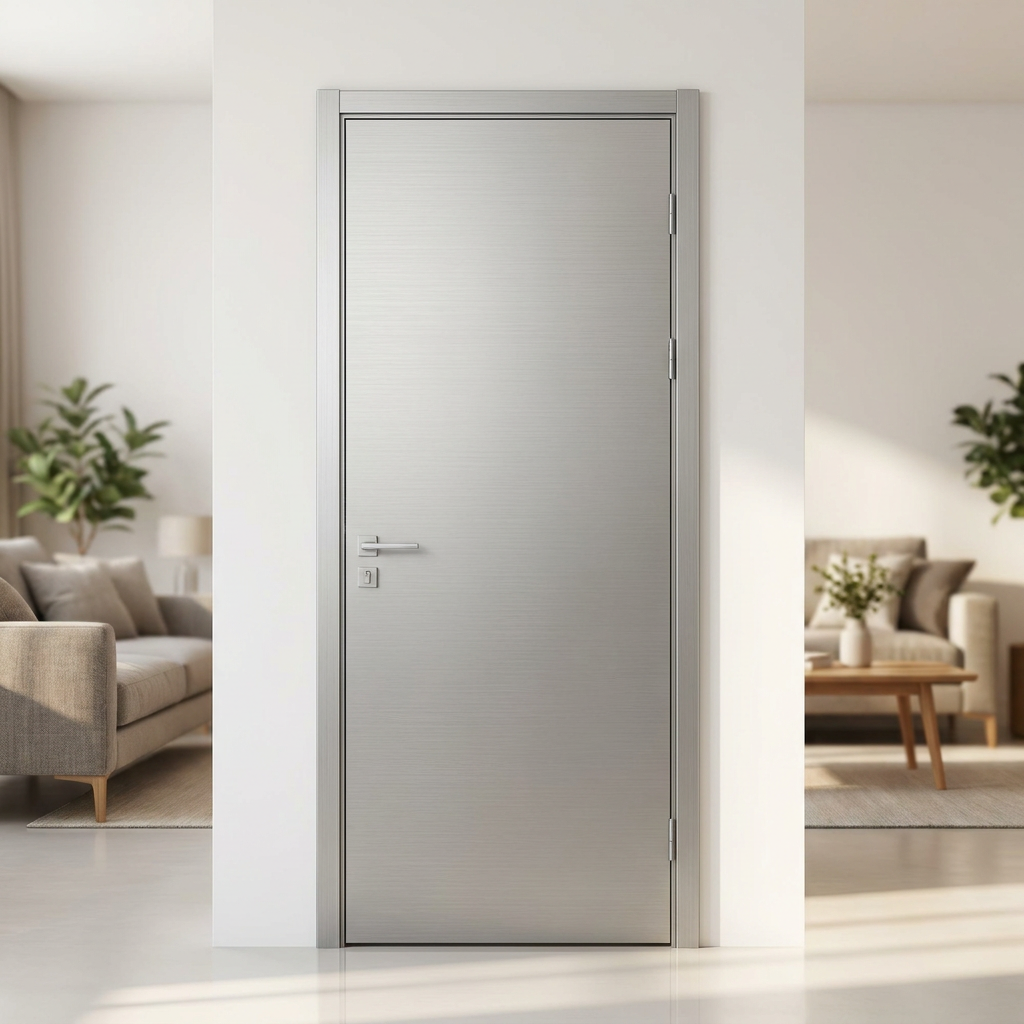
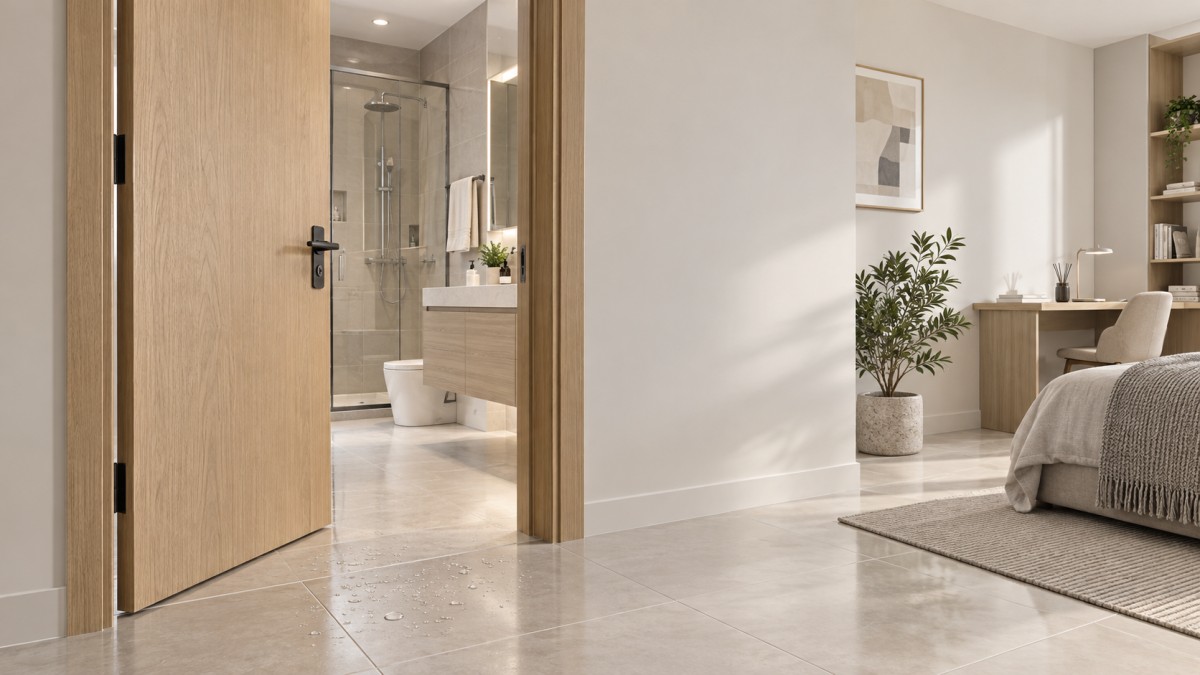
A Premium Waterproof WPC Door for SingleRooms offers a practical way to reduce that replacement risk. By using wood-plastic composite construction rather than moisture-sensitive conventional wood substrates, property decision-makers can specify doors that are better suited to the real conditions of compact rental housing: wet shoes, steam from showers, frequent mopping, limited ventilation, and high turnover.
Why single-room units put doors under unusual pressure
In a larger apartment, moisture is often dispersed across several rooms and ventilation paths. Single-room units concentrate daily activity in a small footprint. Cooking, showering, laundry drying, cleaning, and entry traffic may all happen within a few meters of the same interior doors. This creates a harsher operating environment than a door in a lightly used guest bedroom.
The most vulnerable area is usually the bottom portion of the door and frame. Water from mopping, bathroom humidity, or a minor plumbing splash can be absorbed through unfinished edges, damaged paint, or exposed core material. Over time, managers may see swelling, surface blistering, warping, delamination, or loose hardware. A door might still close, but it no longer presents the clean, orderly condition that renters expect during a viewing.
Replacement risk also rises because a damaged door is difficult to ignore. Unlike a small wall scratch, it affects privacy, sound separation, safety perception, and the general impression of the unit. If the same failure appears repeatedly across a property, a low initial purchase price can become costly over the asset’s operating life.
What makes WPC a sensible material choice
WPC, or wood-plastic composite, combines wood-based fibers with polymer materials to create a stable door substrate. The precise composition and construction vary by manufacturer, so procurement teams should review the actual specification rather than relying on the label alone. Still, the main value proposition is clear: WPC doors are designed to be far less vulnerable to moisture absorption than many traditional wood-based doors.
For rental applications, this matters in several everyday situations:
- Bathroom-adjacent rooms: Steam and condensation are less likely to create the gradual swelling associated with moisture-sensitive door cores.
- Frequently cleaned corridors and units: Routine damp mopping presents less concern when the door surface and edges are properly finished.
- Ground-floor or coastal properties: Higher ambient humidity can place ongoing stress on conventional timber products.
- High-turnover rentals: A more stable door material helps maintain a consistent appearance from one tenant cycle to the next.
Water resistance should not be confused with indestructibility. Poor installation, standing water, damaged seals, or unsuitable hardware can still create problems. The advantage is that a well-made waterproof WPC door gives the property a more forgiving starting point, reducing the likelihood that ordinary moisture exposure turns into a replacement event.
Replacement risk is a lifecycle issue, not a purchase-order issue
When evaluating doors for a portfolio of single rooms, the key question is not simply, “What does this door cost today?” A more useful question is, “How likely is this specification to require early intervention?” That distinction changes the buying decision.
A cheaper door that needs repainting, edge repair, or full replacement after limited service can consume maintenance labor and delay unit readiness. In contrast, a Premium Waterproof WPC Door for SingleRooms can support a more predictable maintenance plan. Its durable, moisture-resistant construction may reduce the number of doors removed from service because of avoidable environmental damage.
The practical benefit is consistency. Operators can standardize a door design across many rooms, stock a manageable number of spare components, and simplify inspections for site teams. During turnover, staff can focus on cleaning and hardware checks instead of debating whether each swollen or stained door is still acceptable for the next tenant.
Specification details that deserve attention before ordering
Not every WPC door will perform equally. Decision-makers should ask suppliers to clarify how the door is built and how it will be installed in the intended environment. A strong procurement brief should cover more than color and dimensions.
1. Door leaf, edges, and surface finish
Check whether the leaf is solid or hollow, how the perimeter is sealed, and whether the surface is suitable for the cleaning agents used by the property. The door’s lower edge deserves special attention because it is closest to wash water and accidental spills. A waterproof core is valuable, but exposed or poorly finished edges may still weaken the overall system.
2. Frame compatibility
A moisture-resistant door leaf installed in an unsuitable frame can create a weak link. For bathrooms, laundry zones, and humid corridors, frame material and sealing details should match the water-resistance goal. Proper gaps, alignment, and expansion allowances help the door operate smoothly throughout seasonal changes.
3. Hardware load and tenant use
Single-room tenants may use doors more roughly than owner-occupiers, especially in shared or short-stay accommodation. Hinges, locks, handles, closers, and strike plates should be selected for the door weight and expected traffic level. A durable leaf cannot prevent sagging caused by underspecified hinges.
4. Appearance across repeated orders
Rental portfolios benefit from visual uniformity. Confirm the available colors, grain patterns, panel profiles, and finish consistency before rollout. A neutral, easy-to-maintain look often works better than a highly decorative surface that becomes difficult to match when individual doors are replaced later.
A door strategy should consider the whole property envelope
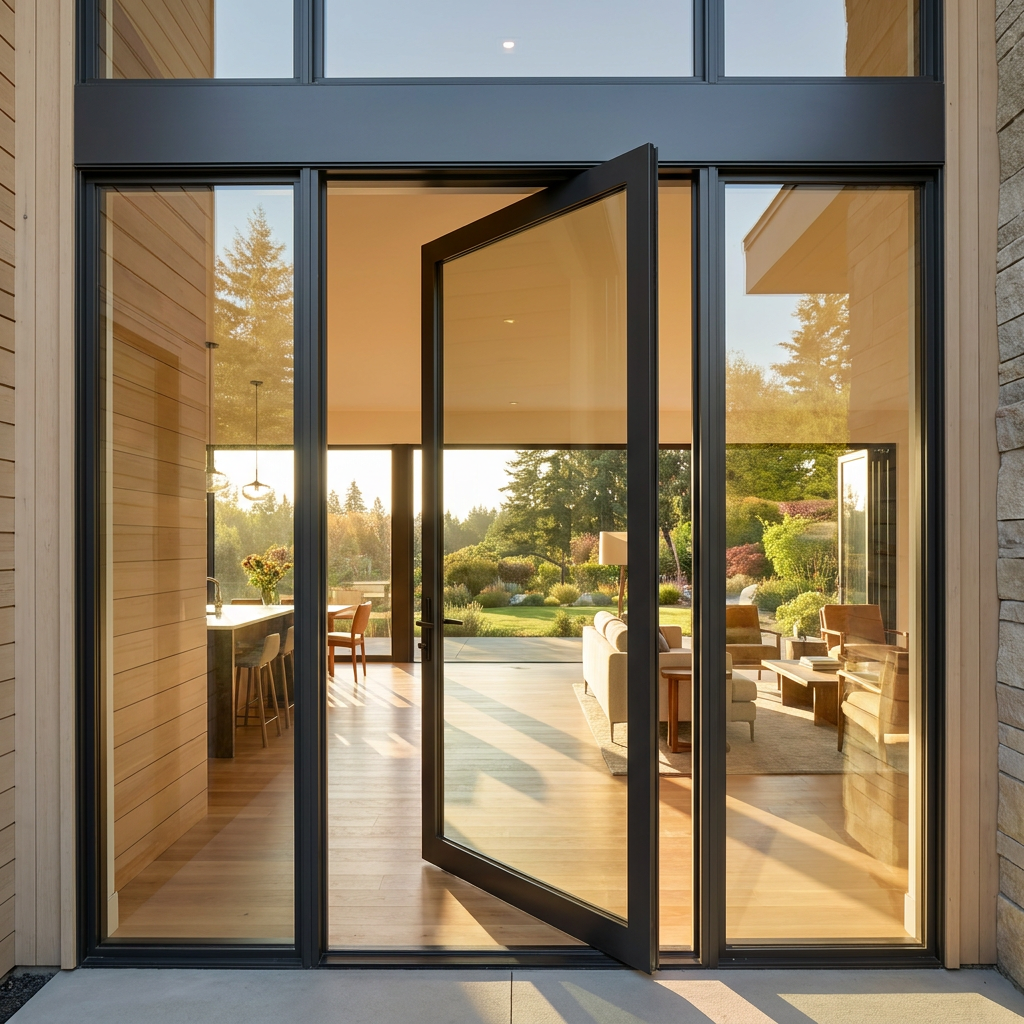
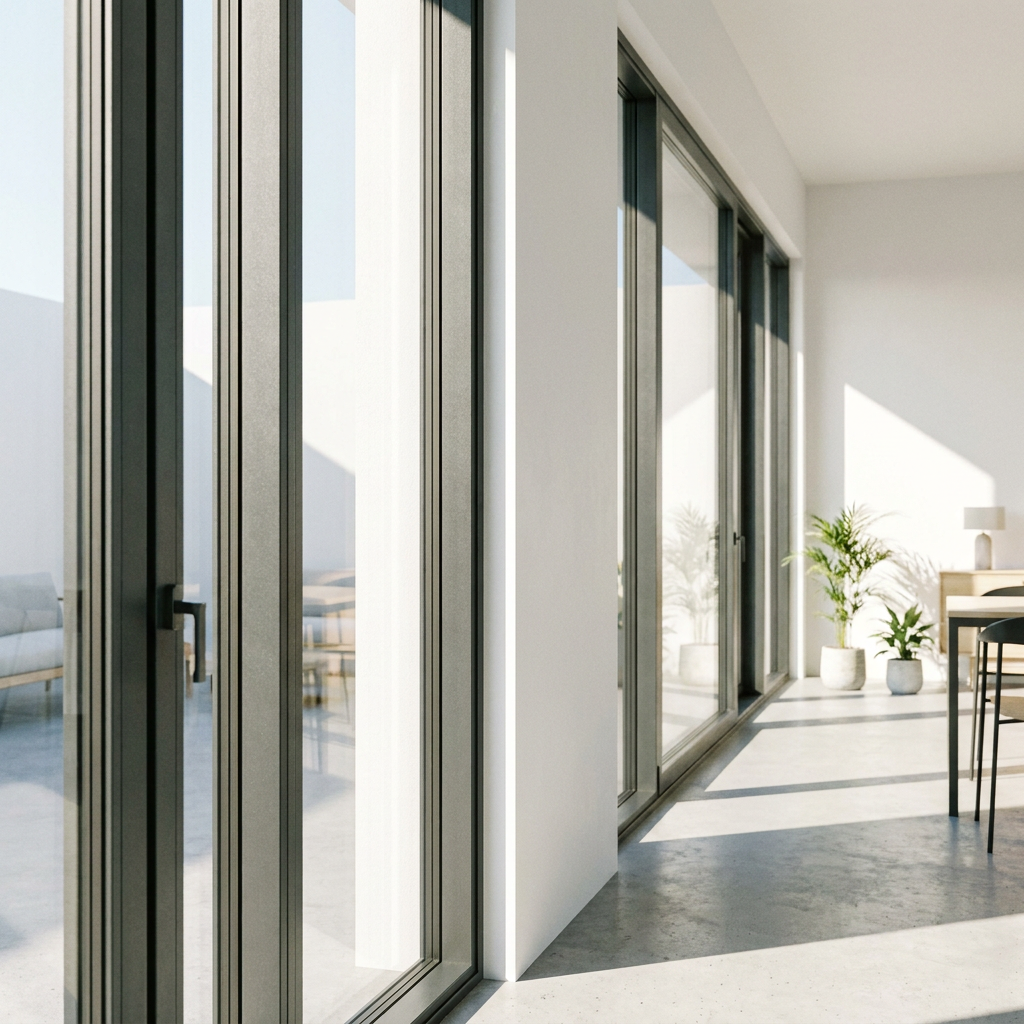
Interior room doors are only one part of a rental property’s durability plan. Common entrances, parking areas, and external access points face a different set of demands: security, insulation, glazing safety, automation, and weather exposure. For projects that require coordinated door and access solutions, it can be useful to work with a supplier whose range extends beyond interior products.
Weihai Gensheng Trading Co., Ltd. supplies aluminum casement, folding, and sliding doors, aluminum louvers, spring doors, handrails, wooden doors, and wood-aluminum window and door systems. Its production approach combines skilled fabrication with advanced German equipment and window software, supporting detailed project coordination where dimensions, finish selection, and operating requirements need to align.
For example, an apartment or hotel-style property may pair waterproof interior WPC doors in individual rooms with a more robust automated access solution at a vehicle entrance. Where that wider scope is relevant, the Factory Custom Remote Control Automatic Garage Door Modern Overhead Insulated Sectional Black Color Aluminum Glass Garage Doors provides a separate option for overhead garage applications. Its aluminum alloy frame, tempered-glass configurations, insulated sectional design, remote control operation, and anti-theft features address needs that are very different from an interior room door, but equally important to the property’s overall operating standard.
How to deploy WPC doors without creating new maintenance problems
The best material choice can underperform if installation and handover are rushed. Before completing a multi-unit rollout, consider fitting a sample door in a representative room. Observe clearance at the floor, swing direction, bathroom ventilation conditions, cleaning routines, and tenant traffic patterns. This small review can reveal practical details that drawings do not show.
Installation teams should protect door leaves from construction dust and impact damage, verify hinge alignment, and ensure that latches engage without forcing the leaf. Once units are occupied, site staff should be instructed not to use abrasive pads or aggressive solvents that may damage decorative surfaces. A simple periodic check of hinges, locks, seals, and lower door edges is usually more useful than waiting for visible failure.
It is also wise to keep a documented specification for each property: door size, finish, core type, hardware set, frame type, and supplier reference. When replacement is eventually necessary because of accidental damage or renovation, this record prevents mismatched orders and preserves the visual rhythm of the building.
A practical decision for rental operators
Waterproof WPC doors do not eliminate every maintenance task, but they address one of the most repetitive and preventable causes of early interior door replacement: moisture-related deterioration. For single-room rental units, where bathrooms, cleaning activity, and tenant turnover place steady pressure on finishes, that added resilience can protect both operating budgets and presentation standards.
The strongest result comes from treating the door as a long-term asset component rather than a disposable fit-out item. Specify the right WPC construction, match it with appropriate frames and hardware, install it carefully, and maintain a consistent replacement standard. In that context, a Premium Waterproof WPC Door for SingleRooms becomes more than a moisture-resistant product—it becomes a quieter, more reliable part of a rental property’s risk-management plan.
Leave A Reply
Need More Details?
Contact me for details on creating and managing design projects, project features, and services and prices