


Categories List
Recent Posts
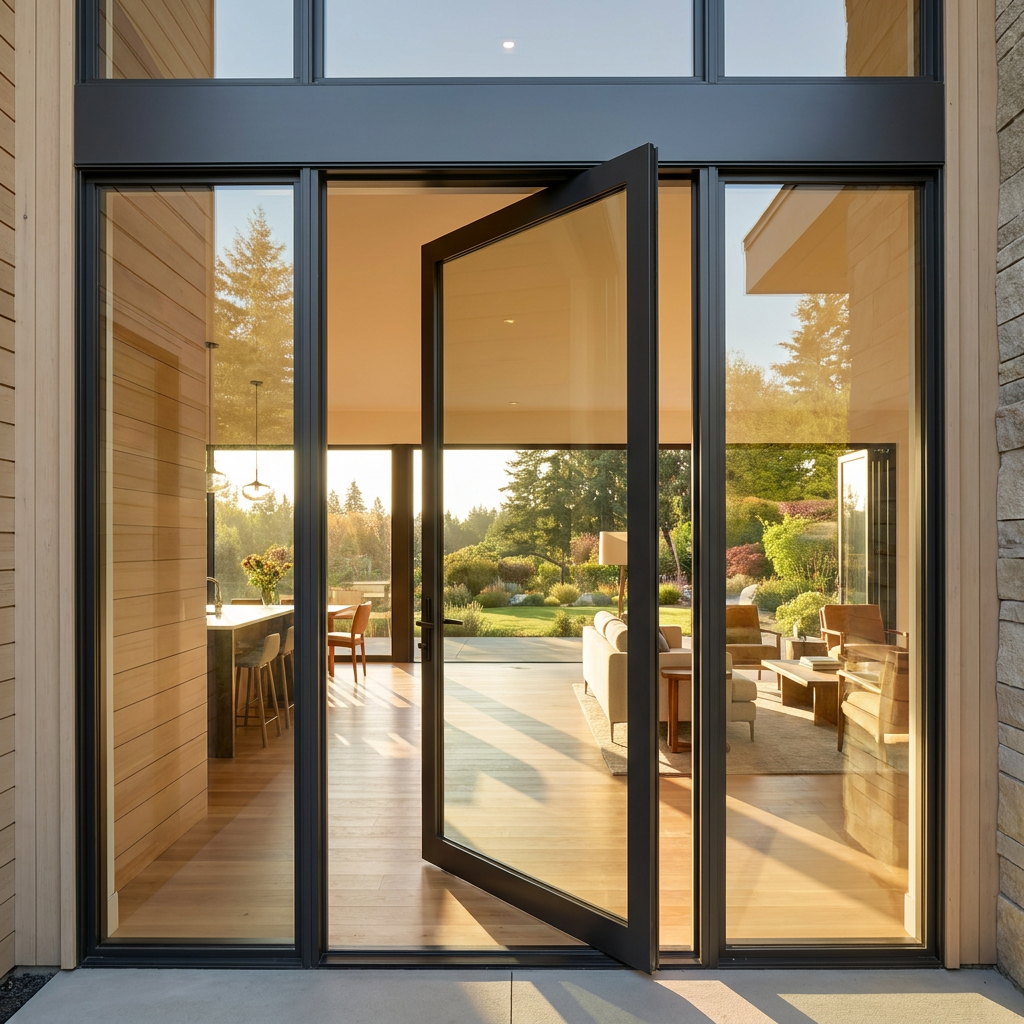
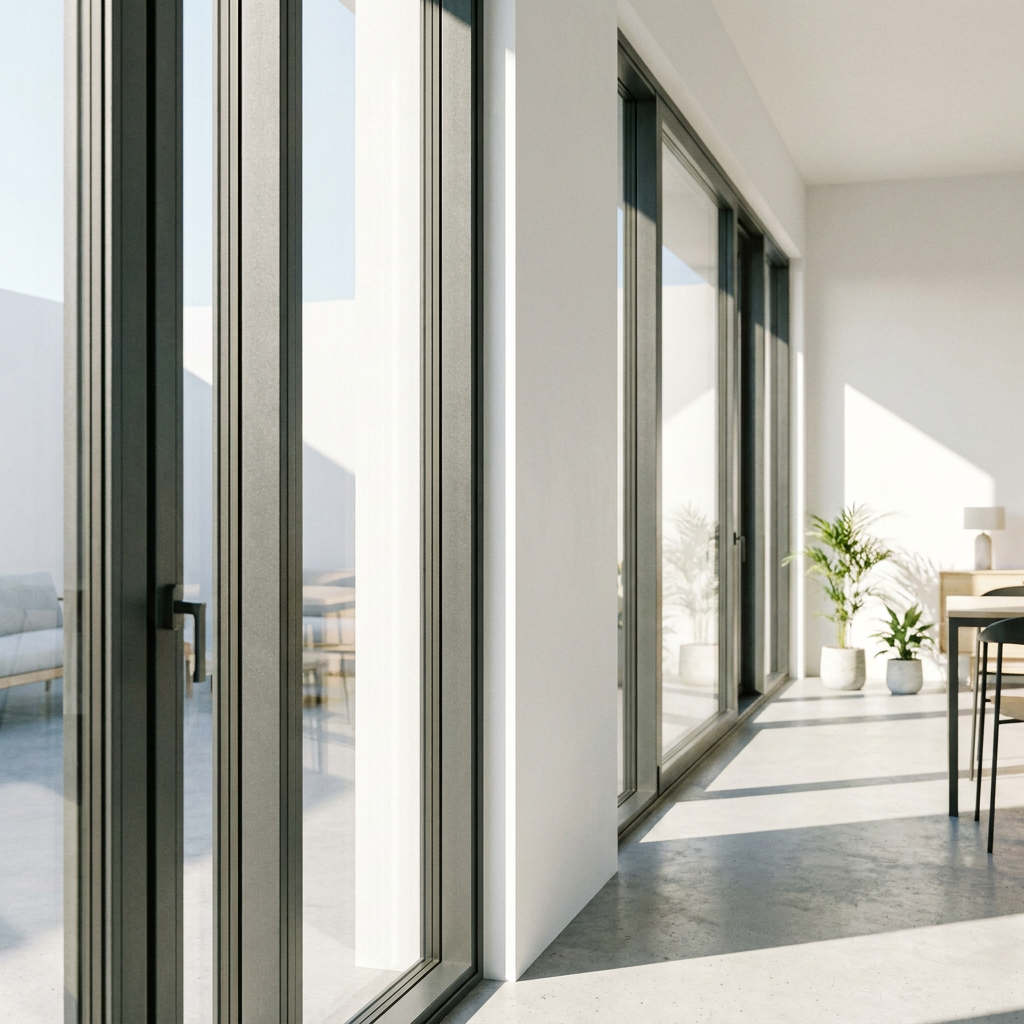
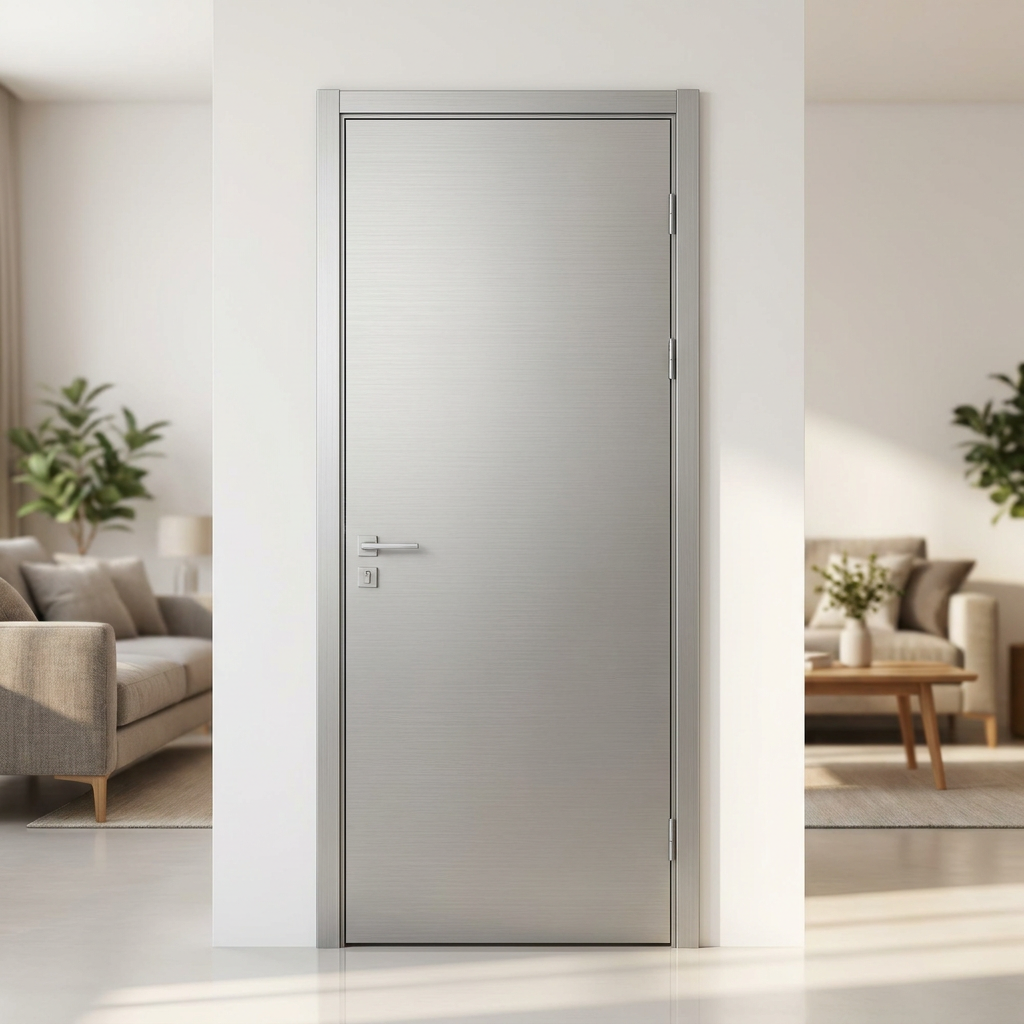

In residential projects, energy efficiency is rarely determined by one product alone. It is the result of how the envelope performs as a system: frame material, glazing, sealing, installation quality, and long-term maintenance. That is why aluminum profiles for doors and windows have moved from being a simple structural choice to a planning decision that affects thermal performance, occupant comfort, and operating cost.
For project managers and engineering leaders, the key question is not whether aluminum can be used in energy-efficient buildings. It is how to specify it so the system actually delivers the expected performance once installed on site. A well-designed aluminum profile can support tighter building envelopes, more stable openings, and better durability in demanding residential applications. A poorly selected system can do the opposite: create thermal bridges, increase air leakage, and leave a project with energy claims that are difficult to defend.
Why aluminum profiles matter in residential energy performance
Modern residential buildings are expected to reduce heating and cooling loads without compromising daylight, aesthetics, or ease of use. Doors and windows are often the weakest points in the envelope, so their frame design has an outsized impact on energy loss. Aluminum profiles help improve performance when they are engineered for thermal separation, accurate tolerances, and reliable sealing interfaces.
Compared with older metal frame systems, current aluminum profiles can be designed with thermal breaks that reduce heat transfer through the frame. This is especially important in apartments, multi-family housing, and hotel-style residential projects where exterior openings are repeated across many units. Even a small improvement per opening becomes meaningful when multiplied across an entire building.
Energy efficiency also depends on airtightness. A frame with good structural strength but weak assembly accuracy will still allow unwanted infiltration. That is why project teams should look beyond the profile material itself and evaluate the full system: corner joints, drainage design, gasket compatibility, hardware stability, and installation method. Aluminum profiles are valuable when they provide consistent geometry and stable performance over time.
What project teams should evaluate before specifying a system
The first decision is thermal design. For residential projects in climates with significant heating or cooling demand, the profile should be part of a thermally broken system rather than a basic aluminum section. The thermal break material, chamber design, and frame depth all influence energy performance. If the profile is too shallow or not properly matched to the glazing package, the overall window or door assembly may fail to meet the project’s energy target.
Glazing compatibility is equally important. A high-performance profile cannot compensate for weak glass selection. The frame and glass must be specified together, with attention to U-value targets, solar heat gain, condensation risk, and local climate conditions. This is where many projects lose efficiency on paper versus in practice: the profile is upgraded, but the glazing or installation details remain standard.
Airtightness and weather resistance are often underestimated during procurement. In residential projects, these factors influence both energy use and occupant complaints. Drafts, water penetration, and noise ingress are usually linked to the interface between the profile and the rest of the opening system, not the material alone. Project managers should request performance data where available and confirm that the supplier can support consistent fabrication quality.
For teams managing mixed-use residential developments, the operational side matters too. Openings in hotels and apartments often need to balance convenience, security, and energy control. In that context, product selection may extend beyond standard casement and sliding windows to other aluminum-based access solutions. A project may also consider products such as Factory Direct Sale Sectional Garage Door Modern Glass Barn Garage 2 Door Garage Door Aluminum Garage Door when the development includes parking or service areas that need controlled opening, secure closure, and a durable finish.
Where aluminum profiles deliver the most value
Aluminum profiles for doors and windows are most effective in projects where the developer expects long service life and low maintenance. Residential towers, serviced apartments, villas, and premium housing all benefit from stable framing that resists deformation better than many lower-grade alternatives. That stability helps maintain sealing performance, which is directly linked to energy efficiency over time.
They are also attractive in projects with complex design requirements. Large openings, slim sightlines, folding systems, and sliding configurations place higher structural demands on frames. Aluminum is often the practical choice because it combines strength with design flexibility. When properly engineered, it can support larger glazing areas without excessive frame bulk, allowing more daylight while still controlling heat loss.
In colder regions, the priority is limiting heat transfer and preventing condensation. In warmer regions, the focus shifts to solar control and maintaining indoor comfort under high cooling loads. The same aluminum profile system may be adapted differently depending on climate, but the project team should avoid assuming that one “energy-efficient” configuration works everywhere. Climate-specific specification is essential.
Common mistakes that reduce efficiency
One common mistake is focusing on the frame material while ignoring installation quality. Even a high-spec aluminum system can underperform if the surrounding wall connection is poorly sealed. Thermal bridging at the perimeter, gaps in insulation, and inconsistent anchor placement can erase much of the expected efficiency gain.
Another frequent issue is over-specifying appearance while under-specifying performance. Narrow frames and modern detailing are often prioritized for architectural reasons, but if the profile lacks enough thermal separation or structural capacity, the result is a visually attractive opening with weak energy performance. The better approach is to define the performance target first, then check whether the design can meet it without compromising durability.
Procurement teams also need to be careful with pricing comparisons. Two aluminum profiles may look similar in quotation documents, but one may include a proper thermal break, better coatings, and tighter fabrication tolerances while the other does not. For project managers, the relevant comparison is not unit price alone but lifecycle cost: energy savings, maintenance burden, replacement risk, and comfort performance.
How to judge supplier capability in practice
Supplier capability matters because residential projects require repeatable quality across many units, not just a sample window that performs well in a test. A reliable supplier should be able to explain the profile structure, fabrication process, coating system, and compatibility with the project’s glazing and hardware requirements. For engineering-led teams, production consistency is often more important than a marketing claim about “premium quality.”
It also helps to understand how the factory manages precision. Equipment, software, and workmanship affect the final fit of the opening system. A production line using advanced processing equipment and disciplined quality control is more likely to deliver consistent dimensions, cleaner assembly, and better on-site installation results. That matters directly for airtightness and long-term performance.
In residential projects, the best outcome usually comes from treating the door and window package as part of the building envelope strategy, not as a standalone purchase. When the supplier can support customization, stable delivery, and technical coordination, the project team is in a much better position to meet energy targets without schedule risk.
What to focus on next
If a project is still in the planning stage, the most useful step is to align the profile specification with the building’s climate, occupancy pattern, and envelope target. If the project is already in procurement, the priority is to verify whether the quoted aluminum system actually includes the thermal and sealing features needed for energy efficiency. If the project is in execution, the key issue becomes installation control, because field quality often determines whether the design intent is realized.
Aluminum profiles for doors and windows improve energy efficiency when they are selected as part of a complete system and installed with discipline. For residential projects, that makes them less of a commodity and more of a performance component. The projects that benefit most are usually the ones that define energy goals early, evaluate supplier capability carefully, and treat the opening system as part of long-term asset value rather than a short-term material cost.
Leave A Reply
Need More Details?
Contact me for details on creating and managing design projects, project features, and services and prices