


NEWS
Categories List
Recent Posts

When does a hotel room door upgrade really pay off?
An Interior Door upgrade matters when replacement cycles, cleaning pressure, and guest expectations start pushing operating costs upward.
In Hotel Interiors, the door is touched, cleaned, slammed, and exposed to humidity every day.
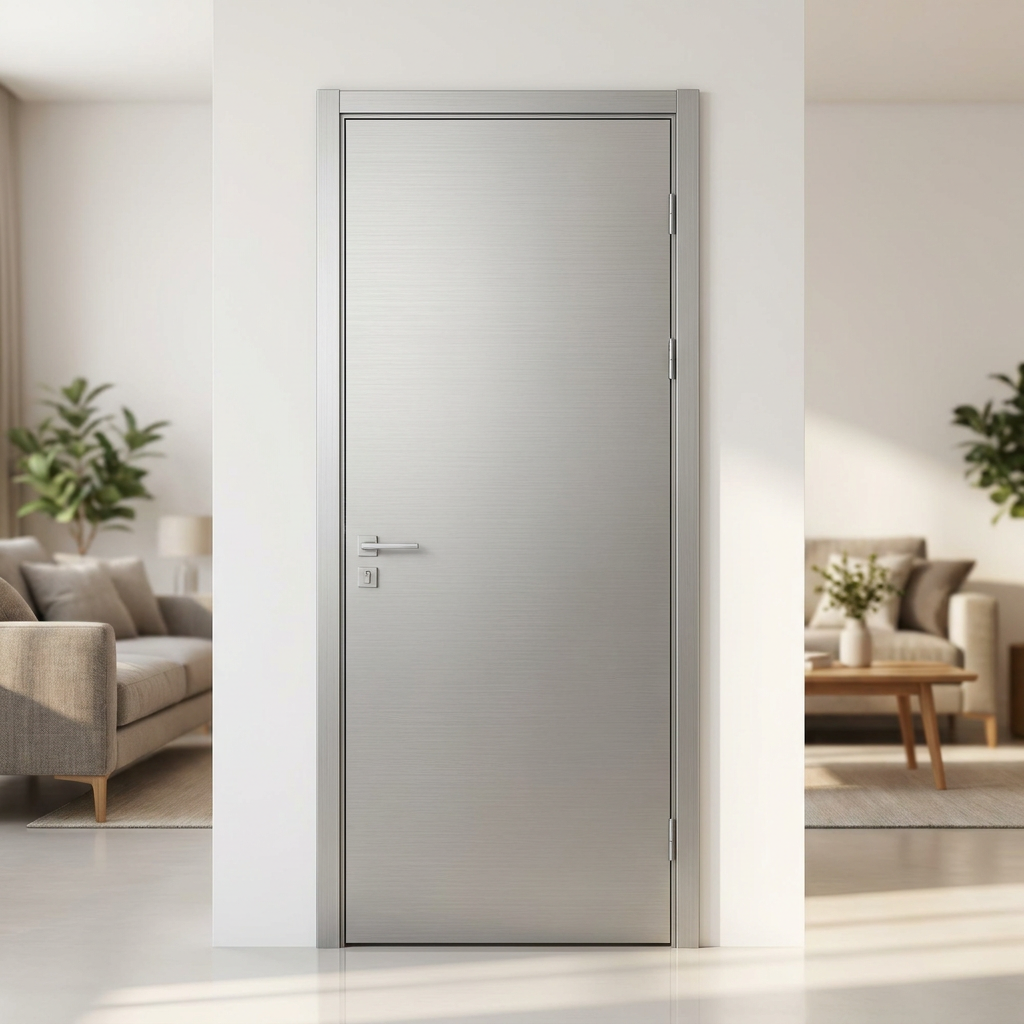
That is why many projects now compare timber options with a Premium Waterproof WPC Door for SingleRooms.
The key question is not only purchase price. It is service life, appearance retention, maintenance effort, and downtime.
For properties balancing renovation budgets with brand standards, waterproof WPC often becomes attractive when moisture and wear are persistent problems.
Is waterproof WPC really different from a standard Interior Door?
Yes, but the difference shows up most clearly in daily use rather than in a showroom sample.
A standard Interior Door may look acceptable at handover, yet bathroom-adjacent humidity can cause swelling, edge damage, or finish failure over time.
A Premium Waterproof WPC Door for SingleRooms is built to resist moisture absorption more effectively.
That helps reduce surface bubbling, deformation, and repeated repairs in guestroom corridors and wet-zone transitions.
In practical terms, WPC is often chosen for stable dimensions, easier cleaning, and a more consistent look across large room counts.
This matters when Hotel Interiors need to stay uniform across several years, not just at opening.
Which hotel conditions make waterproof WPC the smarter choice?
The better question is where conventional doors start failing too early.
Waterproof WPC tends to justify itself under these conditions:
- Guestrooms with compact bathrooms and limited ventilation.
- Coastal or high-humidity regions with year-round moisture exposure.
- Midscale and upscale projects requiring clean, repeatable door finishes.
- Properties with frequent room turnover and aggressive housekeeping schedules.
- Renovation projects where future maintenance access is costly or disruptive.
In these cases, a lower failure rate usually matters more than a small saving on initial procurement.
That is also why suppliers with broader door-system experience are worth reviewing.
Weihai Gensheng Trading Co., Ltd. works across aluminum doors, wooden doors, louvers, handrails, and wood-aluminum systems.
Its production setup uses advanced German equipment and window software, which is relevant when consistency and detail control are important.
How should cost be judged beyond the unit price?
A simple side-by-side price check rarely tells the full story.
For Hotel Interiors, the total cost usually includes replacement timing, labor, room downtime, finish touch-ups, and complaint risk.
The table below helps frame the decision more realistically.
If the project expects heavy use for five to eight years, lifecycle math often shifts in favor of waterproof WPC.
What should be checked before choosing a Premium Waterproof WPC Door for SingleRooms?
Material claims alone are not enough. The better approach is to verify performance around the actual installation details.
Focus on these checkpoints before confirming the Interior Door package:
- Door leaf structure and edge sealing quality.
- Surface finish durability under cleaning chemicals.
- Frame compatibility with wall conditions and hardware.
- Fire, acoustic, and privacy requirements for single rooms.
- Lead time consistency for phased renovation schedules.
- Mock-up approval under realistic corridor and bathroom lighting.
In some projects, a reference item such as Premium WPC Door with PVC Finish is useful for comparing finish quality and application fit.
The point is not to buy by name alone. It is to confirm whether the assembly suits the room type, cleaning routine, and brand standard.
Where do buyers misjudge Hotel Interiors door upgrades?
The most common mistake is assuming all moisture problems come from water splashes.
More often, damage builds slowly through steam, poor ventilation, and constant cleaning.
Another weak point is treating the Interior Door as a standalone item.
Door leaf, frame, hardware, installation tolerance, and finish maintenance all affect actual performance.
There is also a planning risk: choosing a premium-looking product without checking replacement efficiency for future phases.
That is why a Premium Waterproof WPC Door for SingleRooms should be assessed as part of the operating model, not only the fit-out budget.
So when is the upgrade worth moving forward?
It usually makes sense when repeated maintenance, finish deterioration, or humidity-related failures are already visible in guestroom stock.
It also makes sense when the project needs a cleaner, more durable Interior Door solution for long-term Hotel Interiors planning.
A sensible next step is to map room conditions, compare lifecycle cost assumptions, and request a sample review under actual use conditions.
From there, check finish stability, installation details, and phased delivery capability before final selection.
When those factors align, waterproof WPC is no longer a premium extra. It becomes a controlled cost decision with clearer long-term returns.
Leave A Reply
Need More Details?
Contact me for details on creating and managing design projects, project features, and services and prices