


NEWS
Categories List
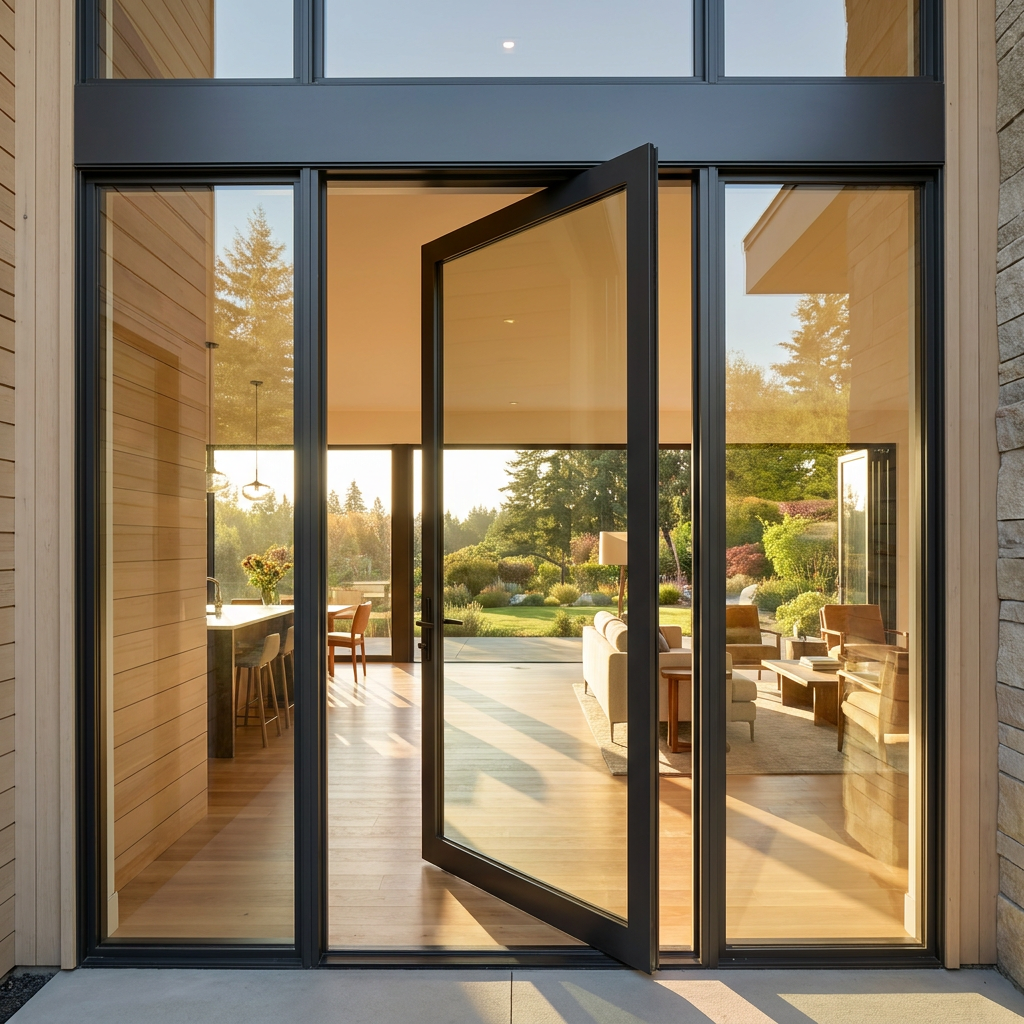
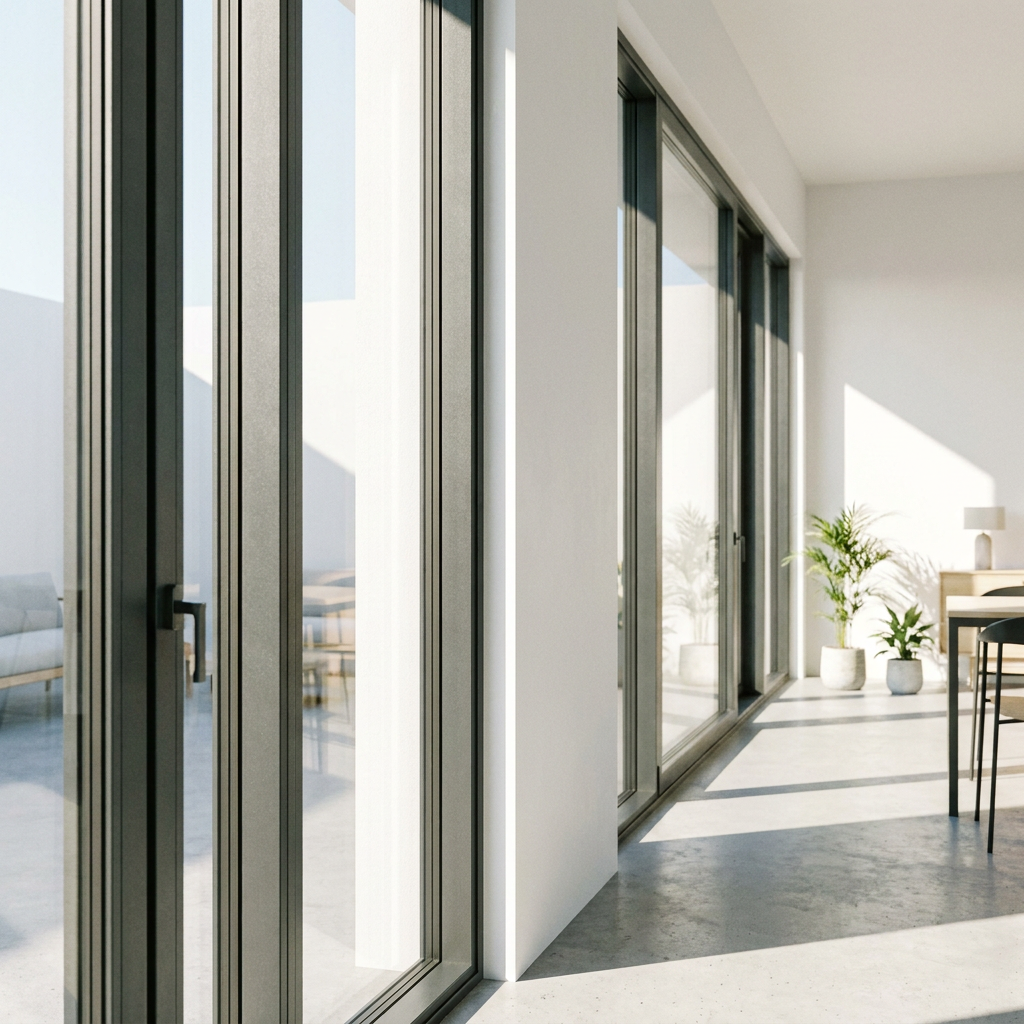
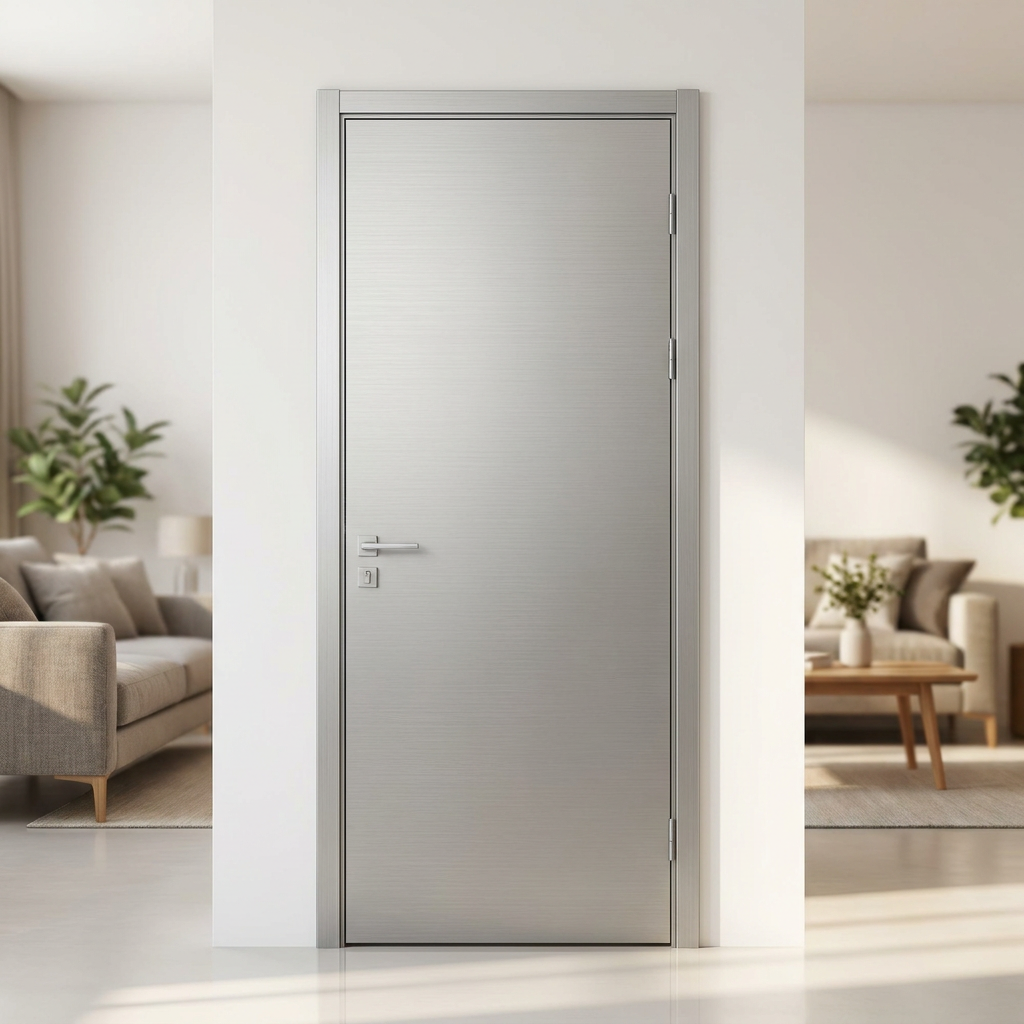
Custom Wood Aluminum Doors for High-End Homes: Cost Drivers and Long-Term Value
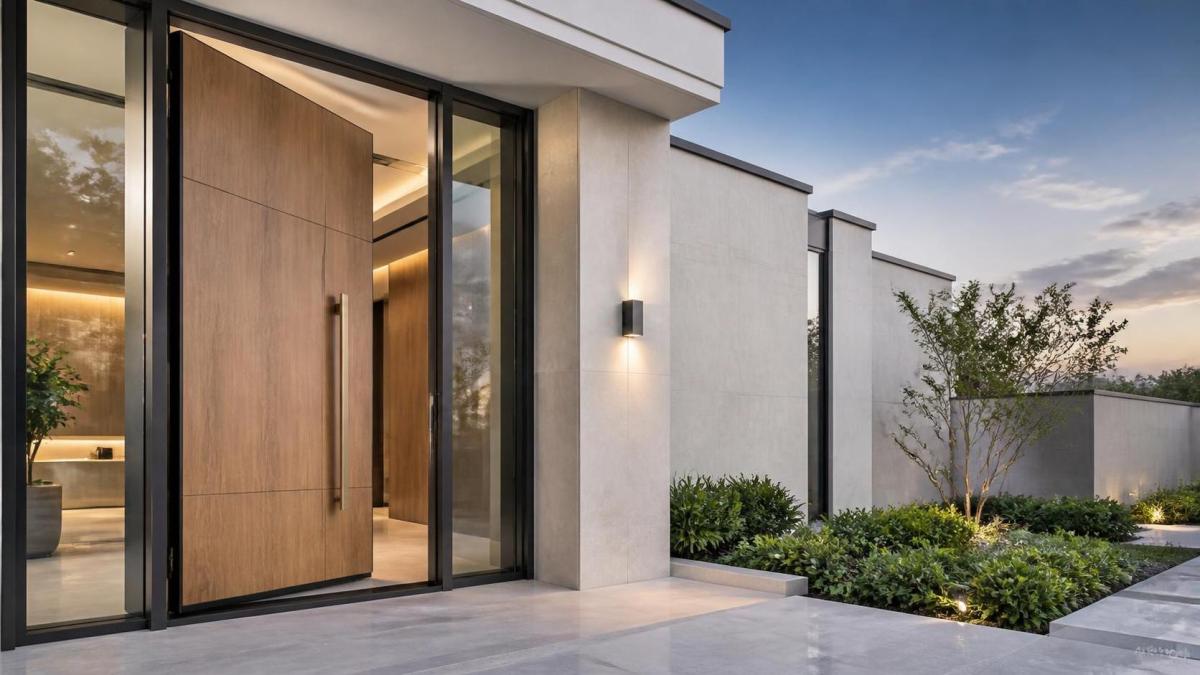
For high-end residential projects, Custom Wood Aluminum Doors balance architectural warmth with exterior durability, making them a strategic investment rather than a simple finish selection.
Total cost varies with timber species, aluminum profiles, glazing, hardware, dimensions, engineering, and installation quality. The strongest value case comes from lifecycle performance, not purchase price alone.
For developers, builders, distributors, and procurement leaders, the key question is whether the system protects premium positioning while reducing future maintenance, energy, and warranty exposure.
What Decision-Makers Are Really Evaluating
Searchers considering Custom Wood Aluminum Doors usually need more than design inspiration. They want a defensible procurement decision for projects where appearance, performance, and reputation carry financial consequences.
The primary intent is commercial evaluation: understanding what drives quotations, which specifications genuinely improve performance, and where lower initial pricing can create operational risk later.
High-end homeowners may choose the visible finish, but business decision-makers must manage broader issues, including supplier capacity, technical documentation, schedule reliability, installation coordination, and after-sales accountability.
They also need to compare wood-aluminum systems against all-wood, aluminum, steel, and uPVC alternatives without relying on marketing claims that overlook climate, opening size, and building details.
A useful evaluation therefore connects architectural value to measurable outcomes: thermal efficiency, water resistance, acoustic control, hardware lifespan, maintenance frequency, replacement risk, and resale appeal.
Generic descriptions of luxury materials offer limited help. A stronger procurement process examines the complete door assembly, because each component affects the delivered performance and total ownership cost.
Why the Hybrid Construction Has Premium Value
Wood-aluminum doors typically place finished timber on the interior and weather-resistant aluminum on the exterior. This construction gives occupants visual warmth without leaving wood exposed to harsh weather.
Inside the home, wood supports refined interior concepts, custom stains, natural grain, and a more residential feel than metal-only frames often provide.
Outside, aluminum cladding resists ultraviolet exposure, rain, temperature variation, and surface degradation. This is particularly valuable for coastal villas, mountain homes, and large glazed openings.
The materials serve different purposes rather than competing. Wood contributes tactile and visual quality, while aluminum acts as a protective shell designed for long-term environmental resistance.
That division can reduce repainting and refinishing demands compared with exposed timber systems. It also helps preserve a consistent façade appearance across large, visually prominent elevations.
For premium developments, this matters because exterior deterioration is not merely a maintenance issue. It can weaken brand perception, affect handover satisfaction, and trigger expensive remedial work.
The hybrid format is especially appropriate where projects require broad glass areas, slim sightlines, warm interiors, and performance expectations that exceed conventional decorative wooden doors.
What Actually Drives the Initial Cost
The first quotation for Custom Wood Aluminum Doors should be treated as a specification map. Price differences often reflect meaningful changes in materials, engineering, and quality control.
Timber selection is a major variable. Oak, walnut, teak, ash, and engineered wood alternatives differ in availability, visual character, stability, finishing requirements, and long-term supply consistency.
Wood moisture content and lamination quality deserve careful review. Poorly conditioned or inadequately engineered timber may warp, split, or move over time, especially in variable climates.
Aluminum profile design also affects cost. Deeper sections, reinforced frames, thermal-break structures, drainage channels, and higher-grade surface treatments support performance but increase material and fabrication requirements.
Large-format pivot, sliding, folding, or lift-and-slide doors require more complex engineering than standard hinged openings. Frame stiffness, sash weight, rollers, locking points, and threshold design all matter.
Glazing often represents one of the largest cost categories. Double or triple insulating glass, laminated safety glass, low-emissivity coatings, acoustic interlayers, and oversized panes substantially alter the final price.
Hardware should never be treated as a minor upgrade. Premium hinges, multipoint locks, concealed systems, handles, rollers, and restrictors determine daily usability and strongly influence service requirements.
Custom colors, timber stains, unusual geometries, curved sections, integrated screens, decorative grids, smart locks, and special packaging can be justified, but each should have a project-based value case.
Finally, installation complexity changes the real delivered cost. Site access, wall tolerances, waterproofing interfaces, lifting equipment, sequencing, and local labor skills can exceed the impact of small factory price differences.
How to Compare Quotes Without Choosing the Wrong System
A low quotation is only meaningful when scope is identical. Decision-makers should request a structured comparison that separates frame, sash, glass, hardware, finish, accessories, delivery, and installation support.
Ask suppliers to identify aluminum wall thickness, thermal-break configuration, timber species, glass build-up, sealant system, hardware brand, locking configuration, and expected performance parameters in writing.
Glass descriptions require particular attention. “Double glazing” alone does not establish thermal, acoustic, safety, or solar-control capability because spacer type, coatings, gas fill, and pane thickness matter.
Similarly, a stated profile thickness does not reveal the entire structural picture. Reinforcement locations, chamber design, corner connections, and permitted sash dimensions should align with the actual opening schedule.
Procurement teams should ask what is excluded. Common omissions include flashing, trims, insect screens, site measurement, unloading, installation tools, commissioning, replacement glass, and extended warranty coverage.
Samples are useful, but full-scale performance evidence is more useful. Review corner joints, drainage paths, gasket compression, door operation, surface finish, locking engagement, and threshold transitions under realistic conditions.
Supplier production capability should be reviewed alongside specifications. Consistent quality requires accurate cutting, machining, glazing, assembly, packaging, and inspection rather than only attractive sample-room presentation.
Weihai Gensheng Trading Co., Ltd. uses advanced German equipment and window software to support precision manufacturing, helping align custom fabrication with the technical requirements of demanding residential projects.
Energy Performance and Comfort Create Measurable Returns
Energy efficiency is a major long-term value driver, especially when high-end homes use extensive glazing. Doors are part of the building envelope and must perform as a complete thermal system.
Thermal-break aluminum profiles reduce heat transfer through the metal frame. When paired with appropriate insulated glazing and controlled air leakage, they can improve comfort near door openings.
Better envelope performance can reduce heating and cooling demand, but decision-makers should avoid relying on broad claims. Local climate, orientation, shading, glass area, and HVAC design determine actual results.
Low-emissivity glass can improve thermal performance, while solar-control coatings may reduce overheating in sunny orientations. The correct specification depends on the building’s energy model and façade exposure.
Acoustic performance can also add commercial value. Laminated glass, suitable seals, rigid frames, and correct installation help reduce traffic, wind, neighborhood, and construction noise in premium locations.
Air and water tightness protect more than comfort. They reduce drafts, moisture intrusion, interior finish damage, mold risk, and callbacks that can become costly after project handover.
One relevant adjacent solution is the Customized Thermal Break Aluminum Double Tempered Glass Inward and Outward Casement Window, which can coordinate thermal-break profiles and double-tempered glazing across a broader façade package.
Coordinating doors and windows through compatible systems can simplify design review, improve visual consistency, and reduce the risk of mismatched performance at different envelope openings.
Installation Quality Determines Whether Value Reaches the Site
Even a well-engineered door can underperform when installation is poorly controlled. For high-end homes, the wall opening and perimeter connection are as important as the manufactured product.
Before fabrication, installers should verify opening dimensions, plumb, level, structural support, drainage strategy, floor build-up, and the relationship between exterior cladding and interior finishes.
Large panels need suitable lifting plans and protected staging areas. Improper handling can damage glass edges, distort frames, mark finished timber, or compromise carefully applied protective coatings.
Waterproofing should be designed as a continuous assembly, not improvised at installation. Sill pans, flashing, drainage paths, compatible membranes, and sealant joints must match local building conditions.
Operational testing should cover opening force, locking alignment, gasket contact, drainage, hardware adjustment, glass condition, and surface appearance before final acceptance by the project team.
For commercial buyers, a documented installation protocol reduces uncertainty. It clarifies who is responsible for measurement, site readiness, fitting, adjustment, defect reporting, and future maintenance obligations.
Factory packaging also matters for imported or long-distance projects. Multi-layer protection helps prevent damage during transit, but it must be paired with clear unloading and storage instructions onsite.
Calculating Lifecycle Cost Instead of Only Purchase Price
Lifecycle evaluation should compare initial procurement, installation, maintenance, repair probability, energy implications, and anticipated service life. This creates a more realistic basis for premium product selection.
Exposed wooden doors may require recurring refinishing, particularly in intense sun, rain, or salt-laden environments. Aluminum-clad exteriors can reduce this burden while maintaining timber where it is most appreciated.
Hardware durability influences lifecycle cost because large, heavy panels create repeated mechanical loads. Failure of rollers, hinges, locks, or seals can disrupt occupancy and lead to visible dissatisfaction.
Replacement costs deserve attention because custom openings are rarely simple to retrofit. A failed or poorly performing system may require interior repairs, façade work, glazing replacement, and temporary weather protection.
Energy savings should be assessed conservatively, but improved comfort can still support a premium sale proposition. Buyers notice drafts, condensation, noise, difficult operation, and uneven indoor temperatures.
Long-term appearance retention may be one of the strongest economic benefits. A façade that remains coherent and well maintained protects perceived asset quality in luxury residential markets.
Warranty terms should be examined by component. Separate coverage may apply to wood finish, aluminum coating, insulating glass, hardware, seals, manufacturing defects, and installation-related failures.
A warranty has practical value only when the supplier can respond. Verify production capacity, spare-part availability, technical communication, export experience, and defined procedures for resolving defects after delivery.
When Custom Wood Aluminum Doors Are the Right Choice
These systems are most compelling for villas, boutique residential developments, luxury apartments, hospitality residences, and renovation projects where visual quality and envelope performance must work together.
They are particularly suitable for projects with large openings, exposed façades, design-led interiors, and buyers who expect low-maintenance ownership without accepting an entirely metal interior aesthetic.
They may be less appropriate when the project budget is highly constrained, openings are standardized, the architectural brief does not require timber, or local maintenance capacity is limited.
In those circumstances, a high-quality thermally broken aluminum system may offer a more proportionate solution. The right choice depends on project value, climate, use pattern, and design intent.
Decision-makers should begin with performance requirements rather than a preferred finish. Define climate exposure, opening sizes, security needs, energy targets, acoustic demands, and operation frequency before requesting quotations.
Then select the level of customization that improves project outcomes. Not every color, hardware upgrade, or glass option produces equal value, particularly when it complicates sourcing or future servicing.
Final Decision Framework
Custom Wood Aluminum Doors justify their premium when they support the project’s architectural position, climate requirements, ownership expectations, and long-term maintenance strategy as one integrated decision.
The best procurement outcome comes from comparing complete systems, not headline prices. Materials, glazing, hardware, production controls, installation planning, and service commitments should be evaluated together.
For high-end residential stakeholders, the value is clear when the door system preserves interior character, withstands exterior exposure, improves comfort, and limits expensive post-handover corrections.
A disciplined specification and supplier review process turns a custom door purchase into a durable asset decision, protecting both the building’s performance and its premium market reputation.
Leave A Reply
Need More Details?
Contact me for details on creating and managing design projects, project features, and services and prices