


NEWS
Categories List
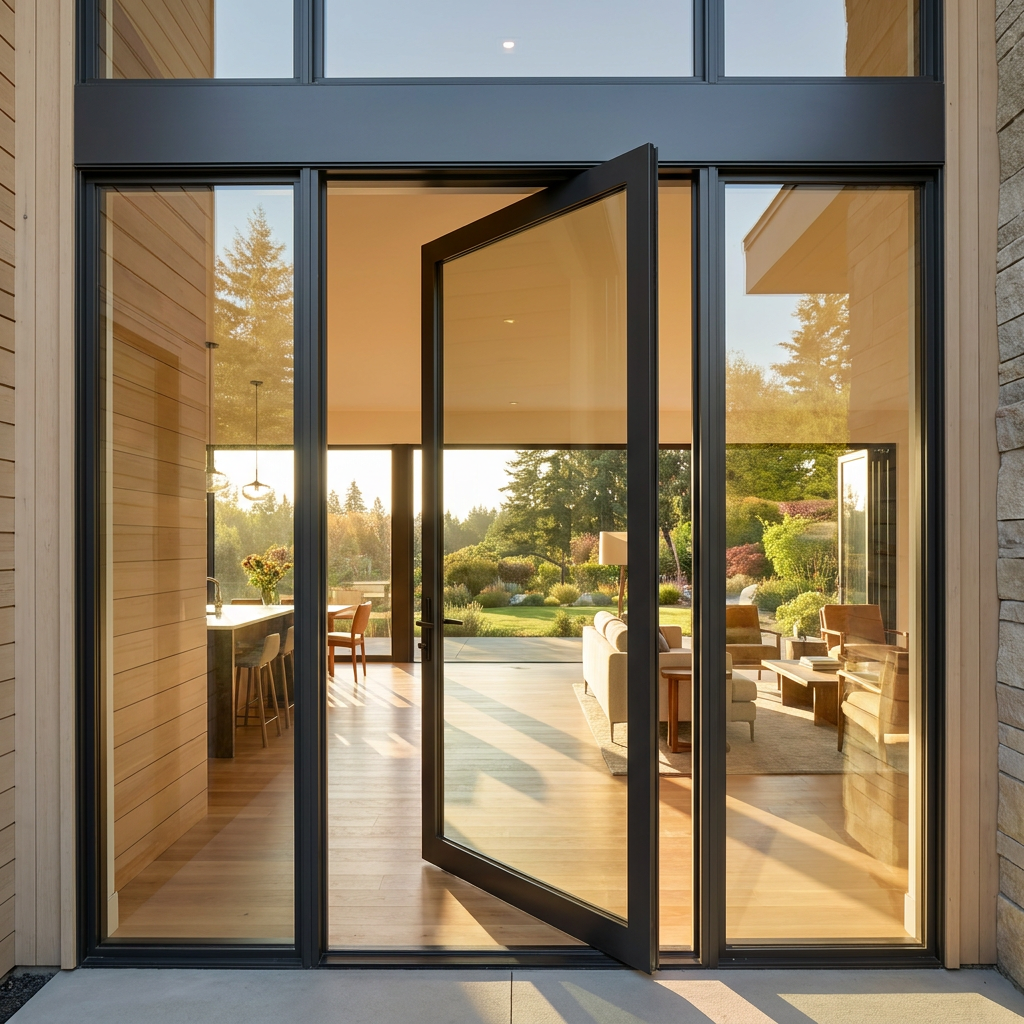
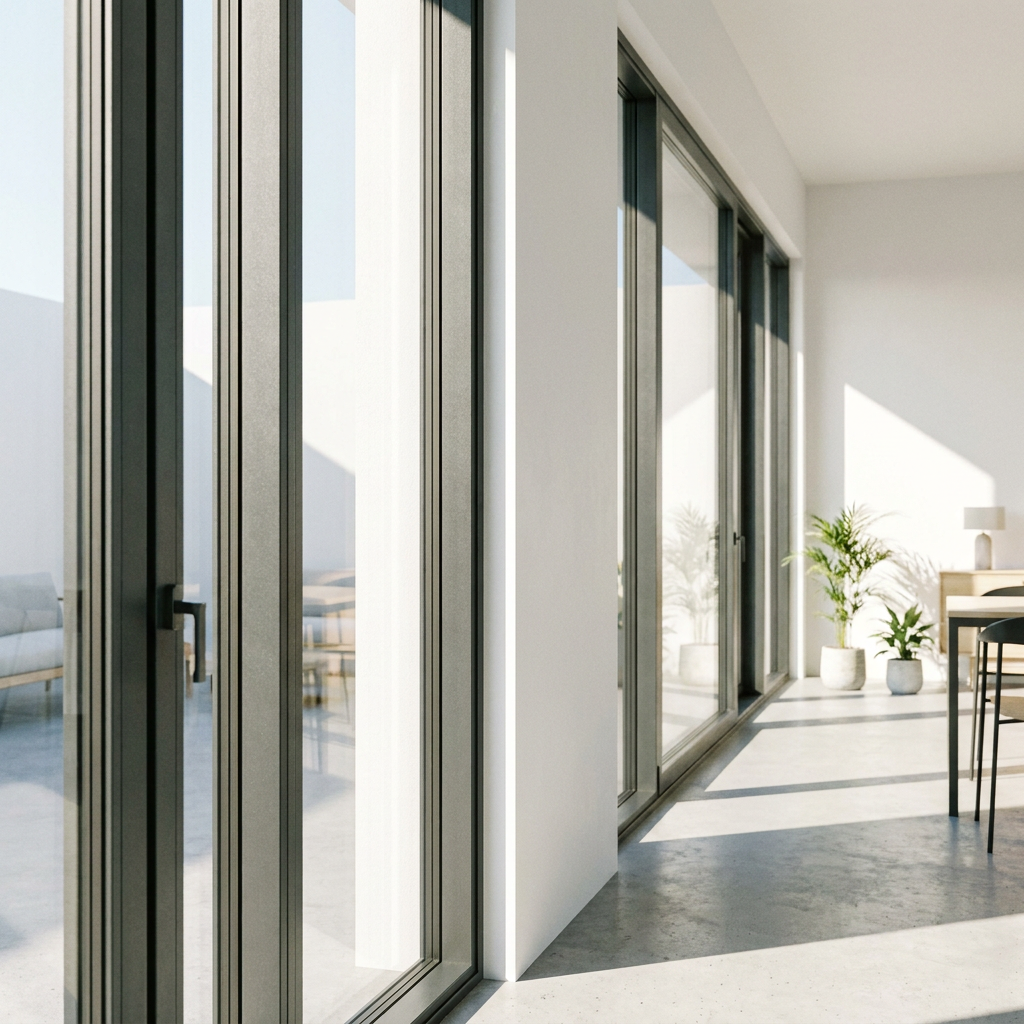
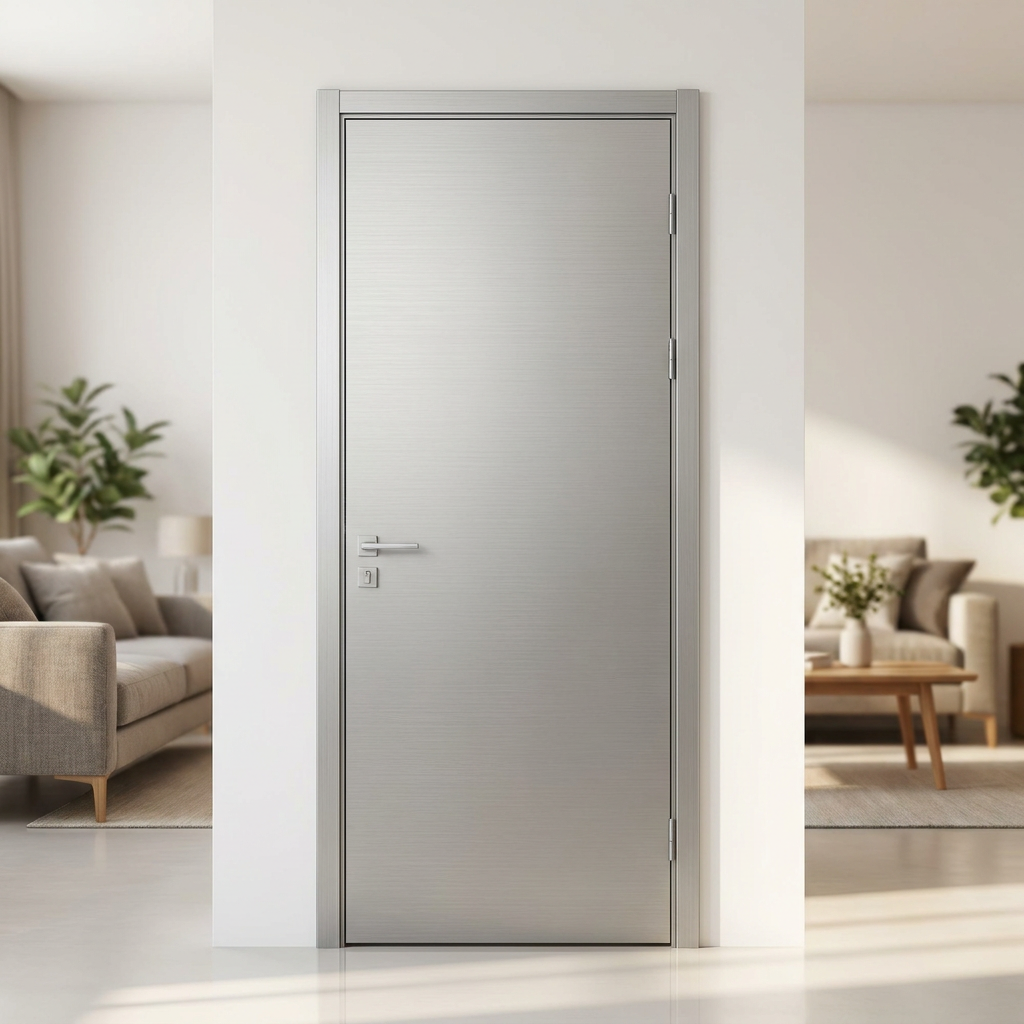
Buying Custom Aluminum Doors is rarely a simple matter of selecting a style and requesting a quotation. For procurement teams, the real work begins with the details behind the drawing: opening dimensions, profile thickness, glass configuration, hardware load limits, finish durability, packaging, lead time, and minimum order quantity. A door that looks correct in a catalog may still create installation delays, unexpected freight costs, or post-delivery complaints if those details are not aligned before production starts.
Whether the requirement is for sliding patio doors, casement doors, folding systems, spring doors, or wood-aluminum combinations, a practical buying process should connect the door specification to the building use, local climate, project schedule, and purchasing volume.
Start with the opening, not the door style
Buyers often receive a request such as “aluminum folding door, black finish, double glass.” That is not yet a production-ready specification. The supplier needs to know the finished opening size, wall condition, installation method, opening direction, threshold requirement, and whether dimensions refer to the rough opening, frame size, or clear passage size.
For Custom Aluminum Doors, width and height affect more than appearance. Larger sash sizes place greater demands on hinges, rollers, profiles, and glass selection. A wide folding panel can create an attractive indoor-outdoor transition, but only when panel widths, track capacity, and hardware are designed for the glass weight. Inadequate load calculation may lead to difficult operation or premature hardware wear.
Ask suppliers to confirm the following before issuing a purchase order:
- Overall frame width and height, including allowable fabrication tolerances;
- Number of panels, active panels, and folding or sliding direction;
- Finished floor level and threshold detail;
- Inside or outside opening configuration;
- Required clear opening after doors are fully opened;
- Wall interface, fixing method, and any required subframe or flashing detail.
It is also wise to request a shop drawing for approval. This step may feel routine, but it is where mismatched handing, incorrect mullion locations, and unclear panel sequencing are most often discovered.
Match the aluminum system to the project environment
Not every aluminum profile system is suited to every building. A sheltered interior partition has very different demands from an exterior door exposed to rain, heat, wind, dust, or salt air. Procurement specifications should identify the door’s position and anticipated exposure rather than relying only on profile appearance.
For exterior applications, review the system’s drainage design, sealing arrangement, thermal-break requirement where relevant, and glass retention method. Projects in warm climates may prioritize solar control and ventilation; colder regions may place more weight on insulation and condensation resistance. Coastal or high-humidity locations need particular attention to coating quality, stainless-steel hardware grades, and maintenance access.
Aluminum casement doors generally suit controlled openings and traditional swing operation. Sliding doors save interior and exterior space, although the clear opening is limited by the panel arrangement. Folding doors are often selected for balconies, patios, hospitality venues, and commercial frontage because they can open a large portion of the façade. The trade-off is a more complex track and hardware system that deserves closer technical review.
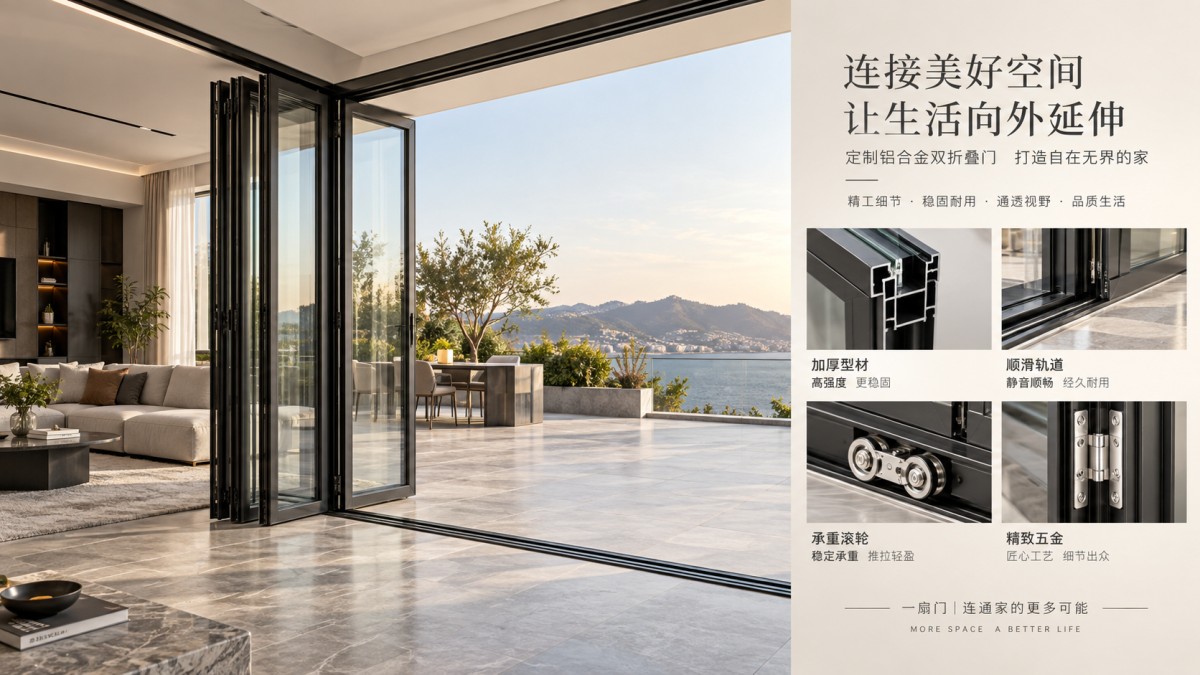
For example, the New Model Aluminum Accordion Victorian Fashion Bi Folding Glass Doors for Balcony is designed around a folding opening style for exterior balcony and patio use, with double tempered glass options and a stated sound-insulation value of 40. For a buyer, this type of product should be evaluated not only for its visual impact, but also for track layout, panel weight, drainage conditions, and the daily frequency of operation.
Hardware is where long-term cost often hides
A door system can have an attractive frame and still disappoint in use because of weak or poorly matched hardware. This is especially important for folding doors, large sliding units, and high-traffic commercial entrances. Hinges, rollers, handles, locks, friction stays, transmission rods, and track components should be reviewed as an integrated set rather than as separate decorative items.
During supplier discussions, ask which hardware brand or grade is proposed, the maximum permitted sash weight, and whether replacement parts can be supplied later. Clarify the material of exposed components in corrosive environments. If the door will be used frequently in a restaurant, showroom, or apartment common area, specify expected operating intensity so the supplier can recommend an appropriate configuration.
Buyers should also avoid treating handle selection as a final cosmetic decision. Handle type influences locking points, accessibility, security, and user experience. A single-point lock may be adequate for some internal doors, while an exterior balcony system may require multi-point locking and a more secure cylinder arrangement.
Finishes should be approved as samples, not just color names
Powder-coated aluminum offers broad visual flexibility, from black, grey, white, champagne, silver, and coffee tones to sand-texture surfaces, wood-grain effects, and more distinctive architectural colors. Yet names such as “Galaxy Gray” or “Sand-Texture Black” are not sufficient procurement language. Color perception changes with lighting, gloss level, texture, and surrounding materials.
Request physical color chips or finished profile samples for formal approval, especially when doors must coordinate with curtain wall, railings, louvers, cabinetry, or façade cladding. Confirm whether the selected finish applies to both interior and exterior faces, and whether different colors on each side are possible within the chosen system.
For projects with multiple phases, retain an approved control sample. This reduces the risk that later batches appear visibly different from the original installation. Surface protection during transport matters as well; a well-finished frame can be scratched long before it reaches the site if packaging is too light for the shipping route.
Glass selection changes performance, weight, and price
Glass is often the largest visual element in an aluminum door, and its specification directly affects cost. Tempered glass is widely used where safety is important. Insulated glass units may be selected for thermal or acoustic objectives, while laminated glass can be considered where additional safety, security, or sound control is required.
Do not request “double glass” without defining the build-up. Buyers should confirm glass thickness, spacer arrangement, tint or coating requirements, tempered or laminated construction, and decorative options such as grids or frosted sections. Heavier glass improves certain performance goals but may require stronger profiles and higher-capacity hardware. The lowest glass price is not always the lowest installed cost.
How MOQ affects the sourcing decision
Minimum order quantity is not merely a supplier policy; it is linked to production efficiency. Custom colors, special profile sections, non-standard glass, branded hardware, and unusual dimensions can all increase MOQ or setup costs. A small pilot order may be feasible, but it may carry a higher unit price or longer preparation time.
Instead of asking only, “What is your MOQ?”, provide a clear annual or phased demand forecast. Suppliers can often give more useful options when they understand whether a small first shipment may lead to repeat orders. For mixed container purchases, ask whether different door styles, colors, or sizes can be combined and how that affects pricing, lead time, and packing.
Weihai Gensheng Trading Co., Ltd. supplies aluminum casement, folding, sliding, and other door solutions alongside louvers, handrails, wooden doors, and wood-aluminum window and door products. For buyers managing a broader residential or commercial package, consolidating compatible items with one manufacturing partner may simplify coordination. However, each product category should still have its own approved drawings, inspection points, and packaging requirements.
A quotation comparison should go beyond the unit rate
When comparing offers for Custom Aluminum Doors, create a side-by-side schedule that records profile system, aluminum finish, glass make-up, hardware specification, door dimensions, opening configuration, accessories, packaging, delivery terms, and quoted lead time. If one quote is significantly lower, identify exactly what differs before deciding it is a saving.
Useful pre-shipment checks include frame dimensions, diagonal accuracy, color consistency, glass labels, lock operation, roller movement, drainage openings, corner assembly, protective film, and carton or crate condition. For large orders, a pre-production sample or first-article inspection can prevent a single misunderstanding from being repeated across every unit.
The best purchase is not necessarily the most elaborate door system. It is the system whose size, hardware, finish, glazing, MOQ, and delivery plan fit the project without leaving costly assumptions unresolved. Clear technical communication early in the sourcing process gives procurement teams more control over both budget and final installation quality.
Leave A Reply
Need More Details?
Contact me for details on creating and managing design projects, project features, and services and prices