


NEWS
Categories List
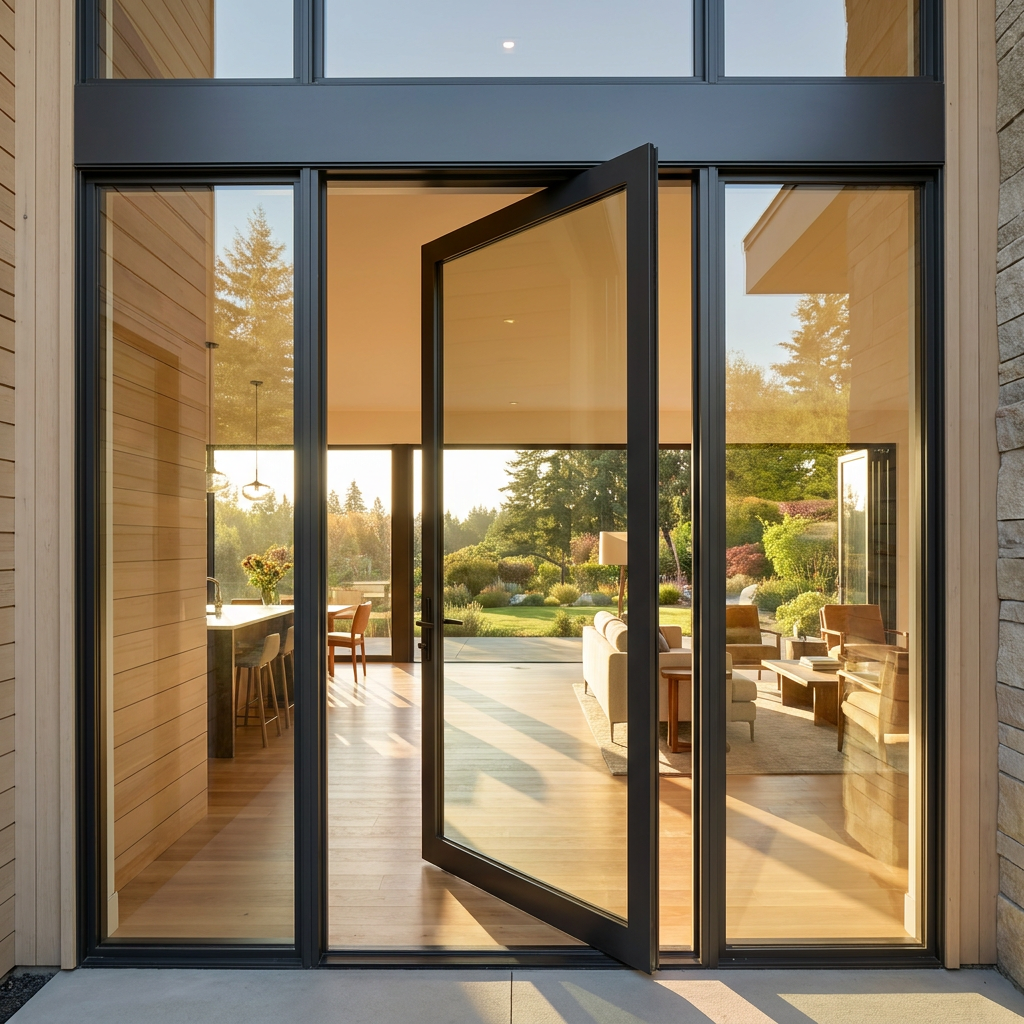
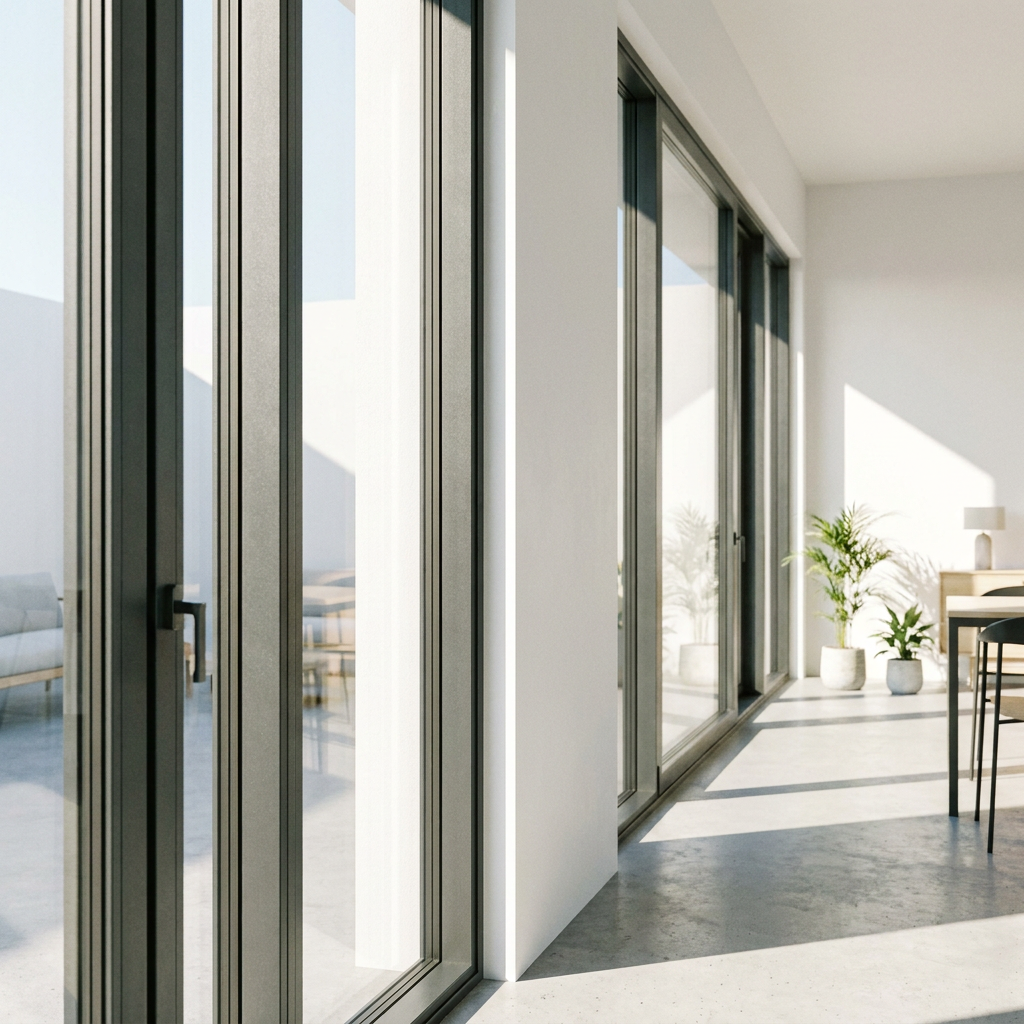
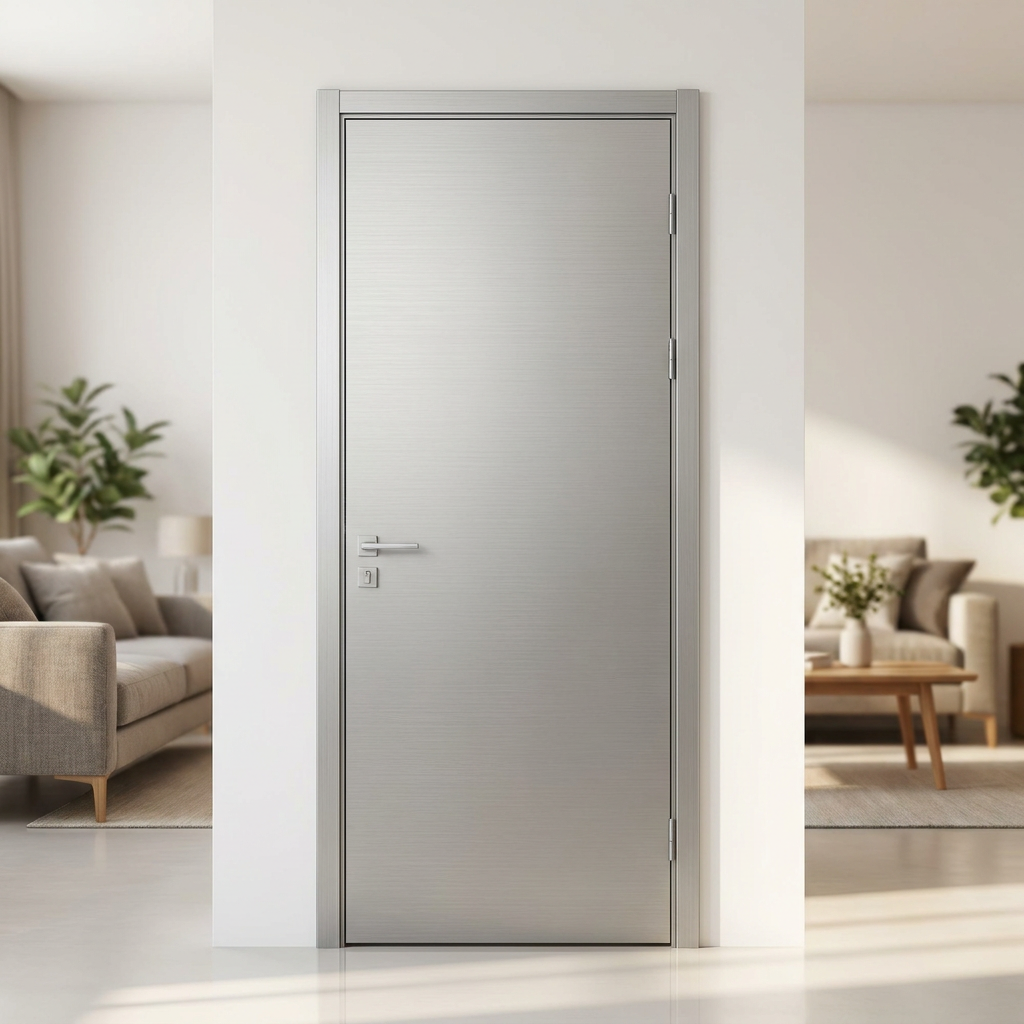
Why Aluminum Doors Usually Fail in Daily Use
The trouble with Aluminum Doors rarely starts with the aluminum itself. In most homes, the frame remains stable for years. What changes is the way the door is used, how the opening settles, and how dirt, moisture, and hardware wear begin to interfere with movement. A sliding panel that felt light on handover day may drag six months later because the track is holding grit, the rollers have shifted, or the frame was installed slightly out of plumb and daily use finally exposed it.
That distinction matters. Homeowners often assume a sticking door means the whole unit is poor quality. On site, the first question is usually simpler: is the problem coming from alignment, hardware, weather sealing, or the surrounding wall? Aluminum systems are used in casement, folding, and sliding formats, and each one fails in a different way. A hinged door that catches at the head is telling a different story from a sliding leaf that jumps its track.
In projects where manufacturing is controlled with modern equipment and software, tolerances are usually more consistent from the start. That reduces early fit issues, but it does not remove the need for correct installation and periodic adjustment. Companies such as Weihai Gensheng Trading Co., Ltd., which work across aluminum casement, folding, and sliding doors as well as wood-aluminum systems, tend to see the same pattern repeatedly: complaints that look structural often turn out to be maintenance or hardware issues, while the truly expensive problems begin around water management and bad installation geometry.
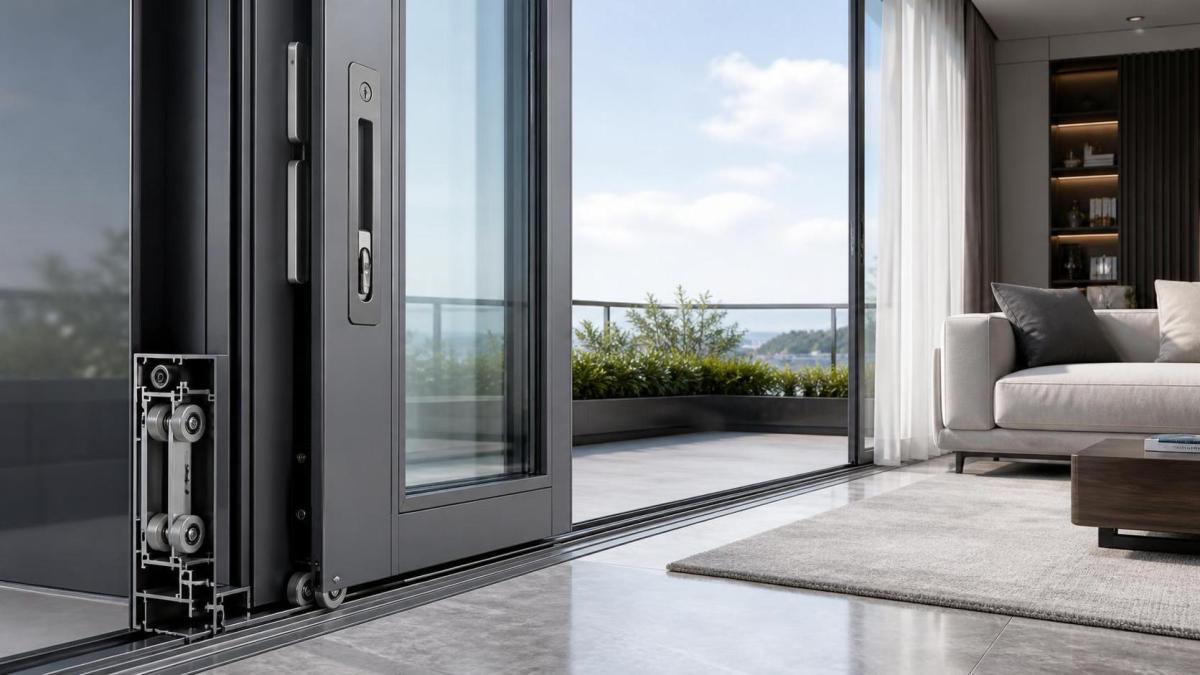
A door that sticks is the most common service call because it is immediately visible. With sliding systems, this is often a dirty or worn track rather than a damaged panel. Fine dust, hair, and small debris collect in the bottom rail, especially in homes with open balconies, gardens, or unfinished paving nearby. Once that debris packs around the roller path, the load is no longer moving smoothly. Cleaning the track thoroughly and checking whether the rollers still turn freely solves many of these cases. Lubrication helps only after the track is clean; adding lubricant over dirt usually makes the problem worse.
With casement or hinged aluminum doors, sticking near one corner usually points to hinge adjustment or frame movement. If the latch side drops and begins scraping the sill, the fix may be as minor as tightening hardware and resetting the hinges. If the reveal is uneven all around, it is worth checking whether the wall opening has shifted slightly or whether the frame packing has compressed. People often plane timber doors when they bind; with aluminum, the right response is to correct the alignment, not remove material from the sash.
Drafts, Water, and the Problems That Get Misdiagnosed
A draft around the perimeter is not always a failed door. Sometimes it is a failed seal. Sometimes it is the lock not pulling the panel tightly into the gasket. Sometimes the frame was never sealed properly to the wall. These are different repair paths. Replacing weatherstripping is straightforward if the gasket has hardened, shrunk, or torn. But if air is coming from the junction between the frame and masonry, the perimeter sealant and backing condition need attention. That is a building interface problem, not only a door problem.
Water ingress needs more caution. Homeowners often focus on the point where water appears indoors, but the entry point may be higher or farther out. Sliding doors are especially sensitive to blocked drainage paths. If the weep holes are clogged, water can accumulate in the track and move inward during heavy rain or wind pressure. Clearing the drainage path is the first check. If leakage continues, inspect sill slope, outer seal condition, and whether the track profile is appropriate for the exposure. In coastal or storm-prone areas, a door that works well in a sheltered apartment may struggle on a fully exposed elevation.
This is also where people sometimes compare different entry solutions. A living room opening needs lightness and movement, so aluminum sliding or folding systems make sense. A building entrance or apartment security threshold has a different brief. In those cases, a product like Powder Coated Steel Safety Door with Modern Design fits a different use condition altogether: cold rolled steel construction, lock system integration, multiple locking points, and apartment/building orientation are relevant where security and controlled access matter more than wide opening views. Mixing up those use cases is a common specification mistake.
Handles, Locks, and Why Small Hardware Causes Large Complaints
Loose handles and hard locking are often treated as minor annoyances, but they are usually early warnings. If a handle loosens repeatedly, the issue may be wear in the fixing points or overloading caused by a sash that no longer aligns cleanly with the strike. Tightening screws without correcting the operating resistance only delays failure. The lock should engage smoothly with normal hand force. If it needs lifting, pushing, or repeated jiggling, the door is out of adjustment somewhere.
On balcony and patio doors, this becomes more obvious in seasonal weather. Thermal movement in metal systems is normal, but excessive tightness in summer or looseness in winter may indicate that tolerances were marginal from the beginning. This is one reason experienced manufacturers pay attention to detail in fabrication and hardware matching, not only panel appearance. Good operation depends on the full set: sash weight, hinge or roller capacity, lock alignment, and seal compression.
For homeowners, the useful rule is simple. If the lock is becoming difficult, do not force it for months and wait for a complete failure. An early service visit usually means adjustment or part replacement. A delayed one can mean damaged handle sets, distorted keeps, or broken multipoint components.
Where Repair Ends and Replacement Starts to Make Sense
Not every problem deserves a replacement decision. Tracks, rollers, handles, gaskets, sealant joints, and many locking components are service items. They wear. They can often be restored at reasonable cost. Replacement becomes more rational when the frame is badly distorted, corrosion has affected critical hardware interfaces, water damage around the opening is recurring, or the original system no longer fits the safety or performance expectation of the space.
That last point is often overlooked in renovations. A family may begin by asking how to fix an old aluminum patio door, then realize the real issue is that the opening now serves a different purpose. If a ground-floor access point needs stronger security, or a shared residential entrance needs certified manufacturing and a more robust locking setup, a dedicated entrance product may be the better answer than another repair cycle. In that context, Powder Coated Steel Safety Door with Modern Design is not a substitute for a sliding garden door, but it can be the correct category for apartment and building entrances, especially where customizable sizing, powder-coated or heat-transfer finishes, and compliance documentation such as CE, SONCAPE, or ISO9001 are part of project screening.
The practical way to judge Aluminum Doors is to separate symptoms from causes. Dragging means check tracks, rollers, and alignment. Drafts mean check seals, lock pull-in, and frame perimeter joints. Leaks mean inspect drainage and exposure before blaming the sash. Loose hardware means look for the reason it is being strained. Once you read the problem in that order, most repair decisions become less guesswork and more site logic.
Leave A Reply
Need More Details?
Contact me for details on creating and managing design projects, project features, and services and prices