


Categories List
Recent Posts
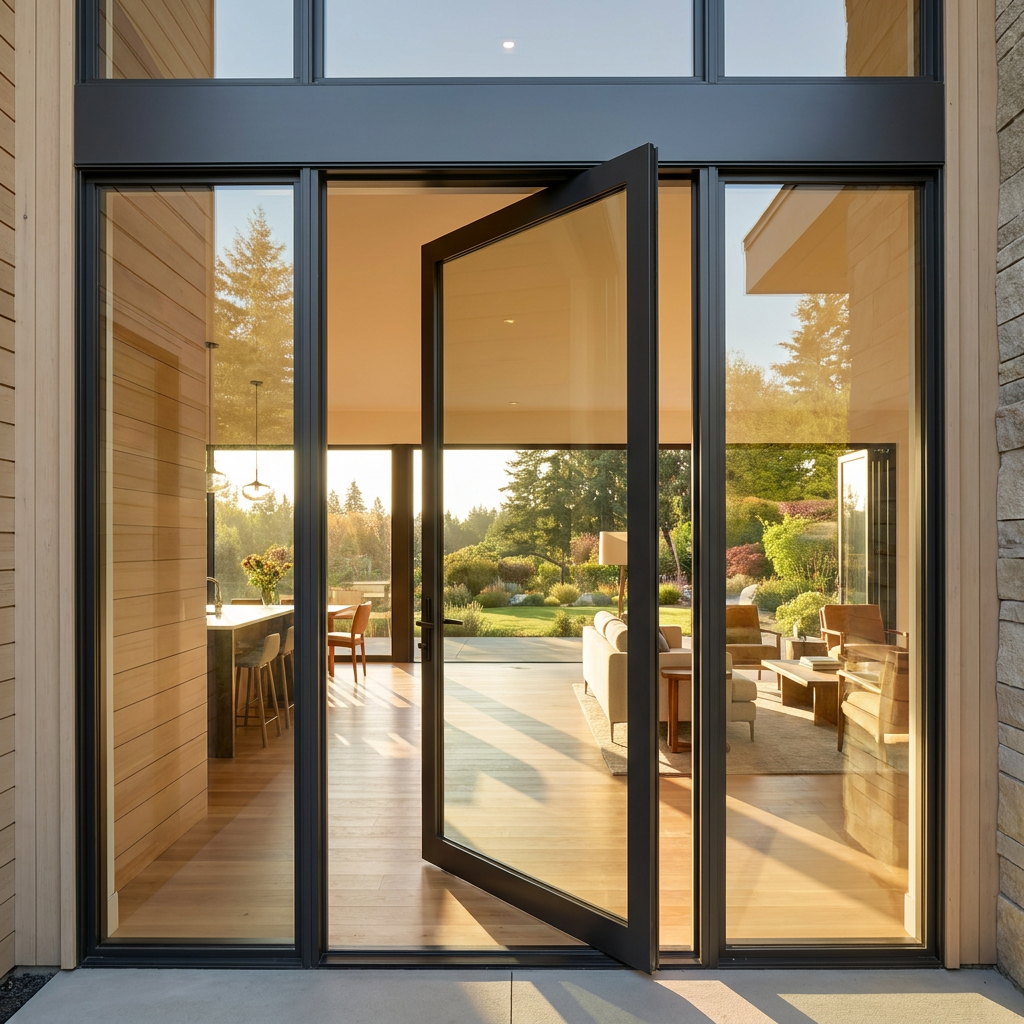
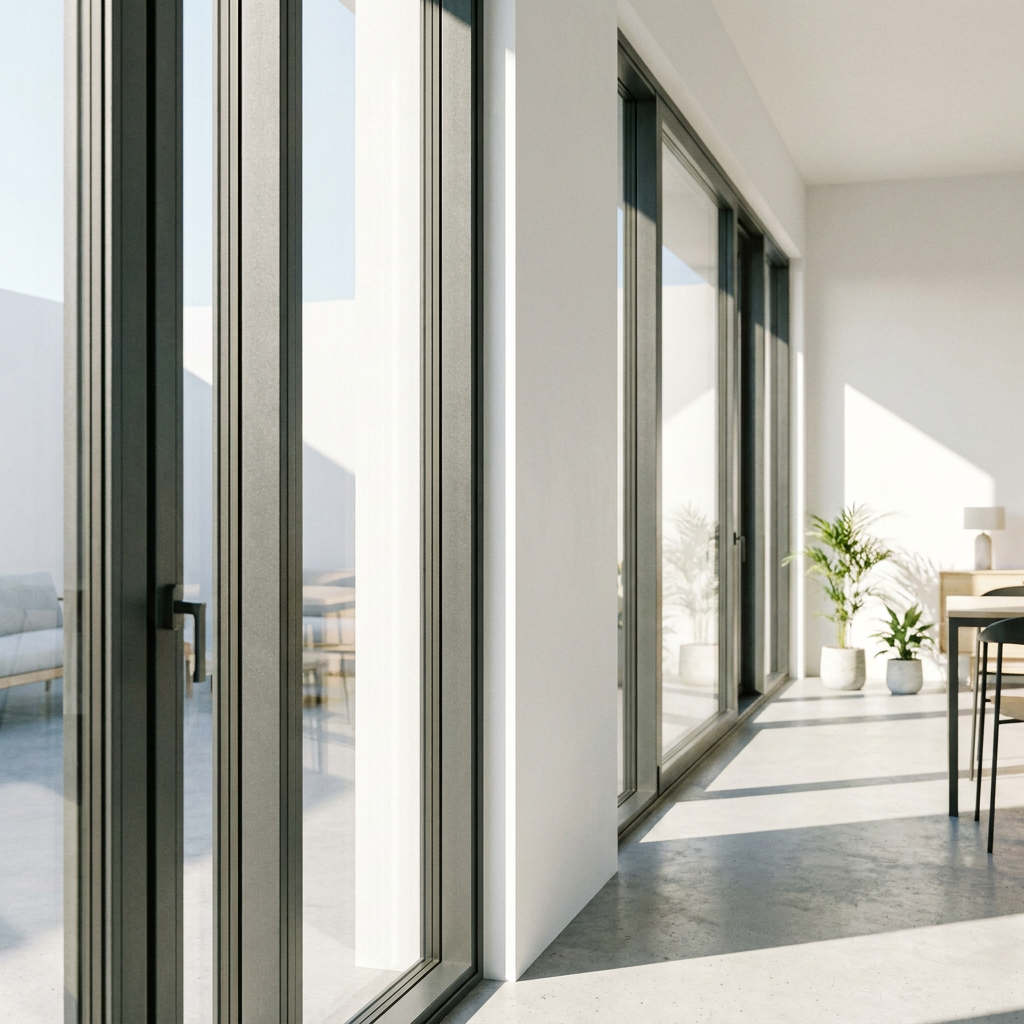
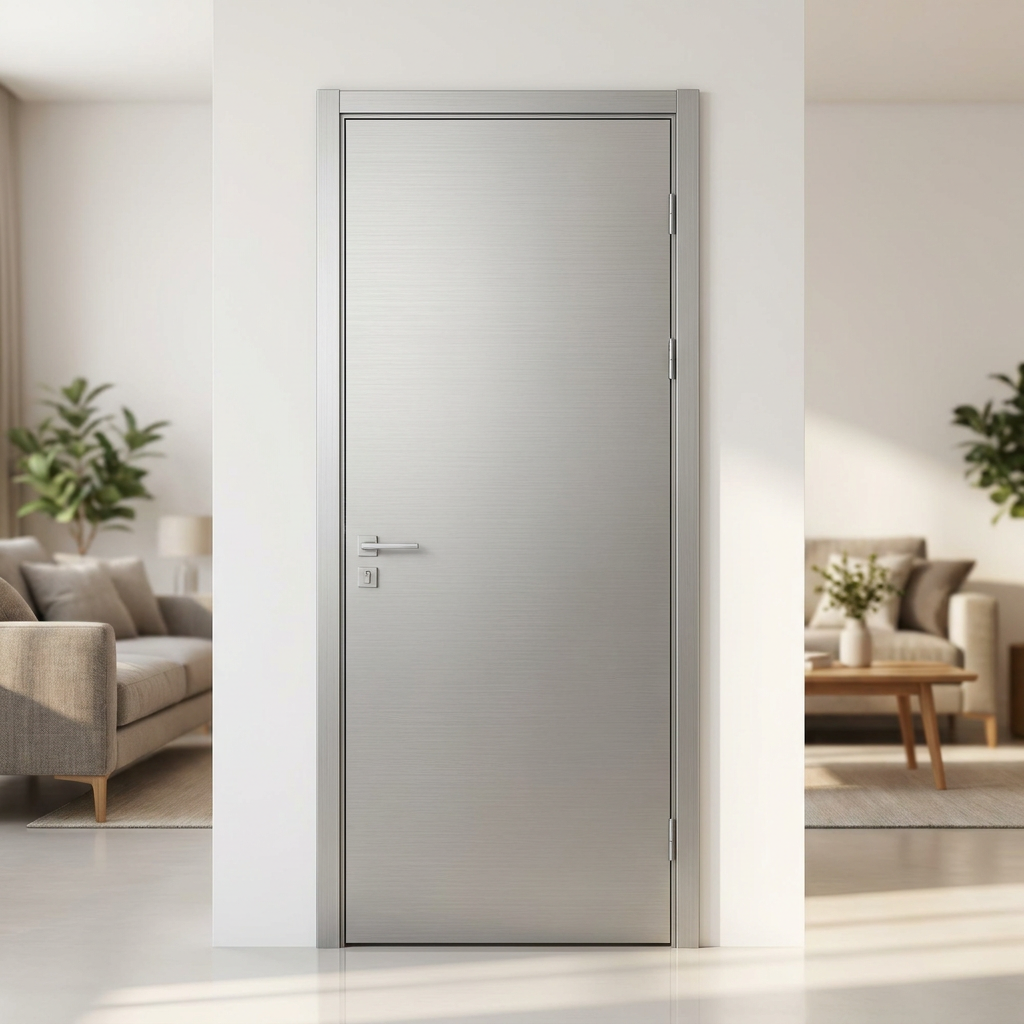

Why do modern wooden interior room doors often fail after a “good-looking” installation?
A Modern Wooden Interior Room Door with Stylish Design can look perfect on day one and still perform badly a week later.
The reason is simple. Most problems begin before the first screw is tightened.
Incorrect opening size, uneven walls, poor hinge placement, and rushed hardware fitting usually cause rubbing, gaps, noise, or weak closing.
In home furniture projects, appearance matters, but door movement matters just as much.
A stylish leaf with bad alignment quickly loses its visual value.
Manufacturing quality also affects installation tolerance.
Companies such as Weihai Gensheng Trading Co., Ltd., with experience in wooden doors, aluminum systems, and wood-aluminum door solutions, reflect a broader industry lesson.
Good installation depends on both precise production and disciplined site work.
So the real question is not whether installation is difficult.
It is whether the installer understands where modern interior wooden doors are most vulnerable.
Is measuring the opening really the first place where mistakes happen?
Yes, and it happens more often than most people expect.
A Modern Wooden Interior Room Door with Stylish Design needs more than a width and height check.
The opening must be checked for squareness, wall thickness, floor finish level, and head clearance.
One common mistake is measuring the rough opening before flooring is complete.
That can leave the bottom gap too tight or too wide.
Another issue appears when installers measure only one point.
Actual walls may bow, twist, or taper from top to bottom.
A better practice is to record at least three width points and three height points.
Then compare diagonal measurements to confirm the opening is not out of square.
- Measure after floor finish height is confirmed.
- Check wall plumb with a reliable level.
- Confirm hinge side depth and trim allowance.
- Leave installation tolerance based on frame design.
These checks take minutes, but they prevent hours of correction later.
What alignment problems usually show up once the door is hung?
Most complaints start with rubbing, uneven reveal lines, or a door that swings open by itself.
That usually points to frame alignment, not the door leaf alone.
When the jamb is not plumb, the Modern Wooden Interior Room Door with Stylish Design cannot sit evenly in the frame.
Even a premium finish will look wrong if the top gap narrows toward one corner.
The table below helps identify what installers usually see on site.
In practice, the smartest move is to test swing and latch performance before applying final trim and seal lines.
Are hinges, locks, and handles responsible for more damage than expected?
Often, yes.
Hardware mistakes are easy to overlook because they seem minor during installation.
A shallow hinge mortise can twist the leaf position.
Overtightened screws can split wood fibers or distort the hinge plate.
Poor lock drilling can chip the surface around a styled finish.
This is especially important with modern designs, where clean lines make every flaw more visible.
Need-to-check items include:
- Hinge depth matches hinge thickness exactly.
- Screw length suits both leaf and jamb material.
- Latch and strike are centered after final hanging.
- Handle drilling is supported to prevent breakout.
In mixed door-and-window projects, installers who already understand sealing and precision fitting often perform better.
That is one reason cross-category product experience matters.
For example, attention to fit and air control seen in Customized Air-Proof Silicone Sealant Sealing System Glass Aluminum Casement Window systems reflects the same discipline needed for accurate interior door hardware work.
How much do moisture, storage, and site conditions affect a wooden interior door?
More than many installers allow for.
A Modern Wooden Interior Room Door with Stylish Design is still a wood-based product, even when engineered for stability.
If it is stored flat in a damp room, leaned against a wall too long, or installed before wet trades finish, movement becomes more likely.
Warping is not always a factory issue.
Sometimes the leaf absorbs site moisture before installation is complete.
A few practical controls make a real difference:
- Store doors in a dry, ventilated indoor area.
- Keep packaging on until installation timing is confirmed.
- Avoid installing before plaster, paint, or flooring moisture stabilizes.
- Let the door acclimate to room conditions when needed.
In projects where windows, doors, and handrails are coordinated together, stable site sequencing usually reduces these risks across the entire interior package.
When should you adjust on site, and when does adjustment hide a bigger problem?
Small adjustment is normal. Excessive adjustment is a warning sign.
If a hinge needs a slight reset, that is routine.
If the leaf requires heavy planing, large gap correction, or repeated latch repositioning, the root issue is usually measurement, frame setup, or product matching.
A useful judgment rule is this.
Adjust hardware for precision. Do not reshape the whole installation to compensate for a wrong opening condition.
This matters even more when the finish is decorative or minimalist.
Aggressive trimming can damage edge quality and reduce the visual intent of the design.
Careful manufacturers reduce this risk by keeping production dimensions consistent.
That same consistency is what makes integrated building products, including Customized Air-Proof Silicone Sealant Sealing System Glass Aluminum Casement Window solutions, easier to install with predictable results.
What is the best final check before calling the installation complete?
The final check should focus on movement, gap consistency, finish protection, and long-term stability.
Do not rely on visual approval alone.
Open and close the door several times.
Listen for friction. Watch the reveal. Confirm the latch engages without force.
Then inspect the finish around hinges, handles, edges, and corners.
A simple close-out list helps:
- Top and side gaps appear even.
- Door stays in position when partly open.
- Latch meets strike without impact.
- Bottom clearance suits the finished floor.
- No visible chipping around hardware cuts.
- Protective film and dust are removed safely.
A Modern Wooden Interior Room Door with Stylish Design performs best when installation is treated as a precision task, not a finishing shortcut.
The most reliable next step is to review opening data, site moisture, hardware preparation, and frame alignment before work begins.
That approach reduces rework, protects appearance, and helps the door deliver the smooth, durable result it was designed for.
Leave A Reply
Need More Details?
Contact me for details on creating and managing design projects, project features, and services and prices