


NEWS
Categories List
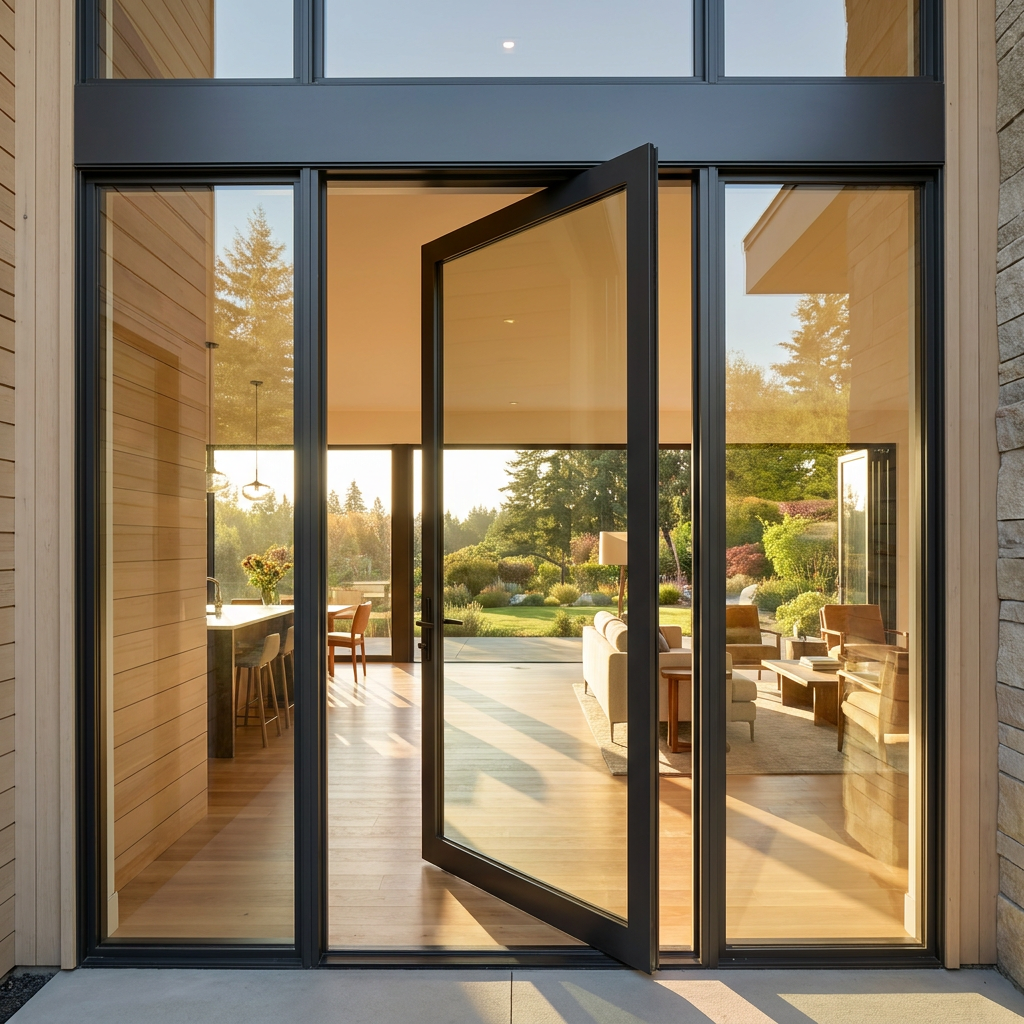
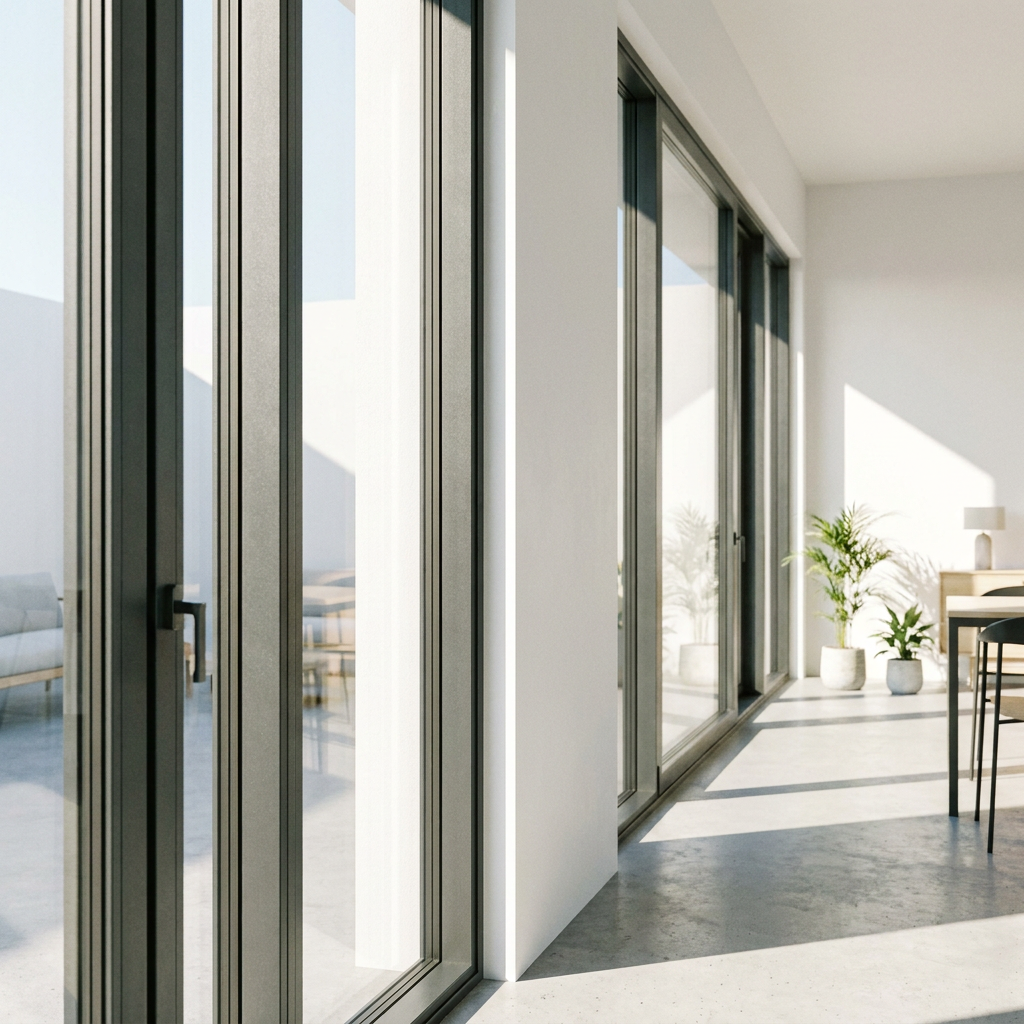
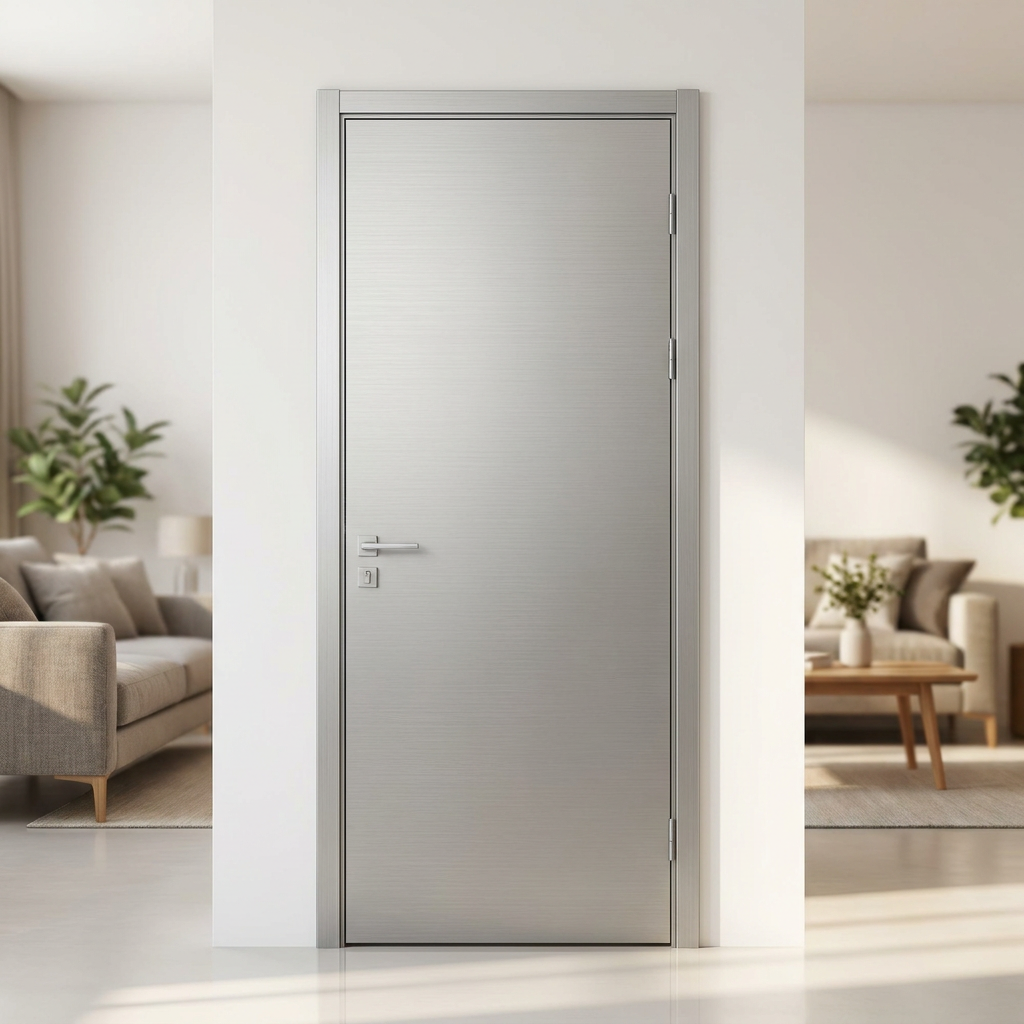
In a small room, the better choice is usually the door that protects the usable floor area and supports the way you actually move through the space. Casement Doors can give you a wider clear opening, better perimeter sealing, and a more traditional room-by-room feel. Sliding doors keep the floor in front of the opening free, which is often the deciding advantage in compact bedrooms, bathrooms, closets, and apartments.
The common mistake is choosing by appearance alone. A slim black-framed sliding door may look perfect in a showroom, while a hinged door may seem ordinary. Once furniture, laundry baskets, a bedside table, or a wheelchair route enters the picture, the layout matters more than the first impression.
For most genuinely tight rooms, sliding doors are the practical answer. Choose casement doors when you have a protected swing area and need stronger closure, a fully open doorway, or more reliable privacy and sound control.
How Casement Doors Change a Small Room
Casement Doors open on hinges, with one or more panels swinging inward or outward. In residential interiors, people may also call them hinged doors or swing doors. Their basic design is familiar, but the space they require is easy to underestimate.
A door panel needs a clear arc every time it opens. A 30-inch door does not merely occupy a 30-inch opening; it claims part of the room in front of that opening. In a small bedroom, that zone can conflict with a bed corner, a dresser, a desk chair, or a closet. In a narrow bathroom, an inward-opening door can meet the vanity or make it awkward for someone to enter while another person is leaving.
That does not mean hinged doors are automatically wrong for small spaces. They work very well when the swing lands against a blank wall, opens into a hallway rather than the room, or serves a compact room that has been planned around it. A carefully positioned outward-opening bathroom door, for example, may free up the interior floor area. Local building rules and emergency-access requirements should be checked before changing the swing direction.
The practical advantages are substantial:
- A single casement leaf can provide a nearly full-width clear opening, useful for moving furniture, strollers, or larger household items.
- Compression seals around the frame can provide a tighter close than many standard sliding systems, helping with drafts, odors, noise, and privacy.
- The door can stay partially open at a chosen angle, which is convenient for everyday ventilation and supervision.
- There are many panel, glazing, finish, and handle options, so the door can match modern, classic, or wood-led interiors.
The limitations show up in daily use. A door that hits a chair is annoying. A door that blocks the only path around a bed is a layout problem. Before ordering, tape the swing arc on the floor or use a flattened cardboard template. Then stand where you would normally stand to open it. This simple check reveals more than a dimensioned plan sometimes does.
Why Sliding Doors Often Win on Floor Space
Sliding doors move sideways on a track instead of into the room. That removes the swing arc entirely. In a small home, this can recover a surprisingly useful patch of floor: enough room for a nightstand, a laundry hamper, a narrow storage unit, or simply a less cramped path.
They are especially effective where two doors would otherwise fight each other. A closet door opposite a bedroom door is a familiar example. If both are hinged, one often has to be closed before the other can open. A sliding closet door avoids that conflict. The same logic applies to a laundry niche, ensuite entrance, pantry, partition between a kitchen and utility area, or a compact study that sometimes needs privacy.
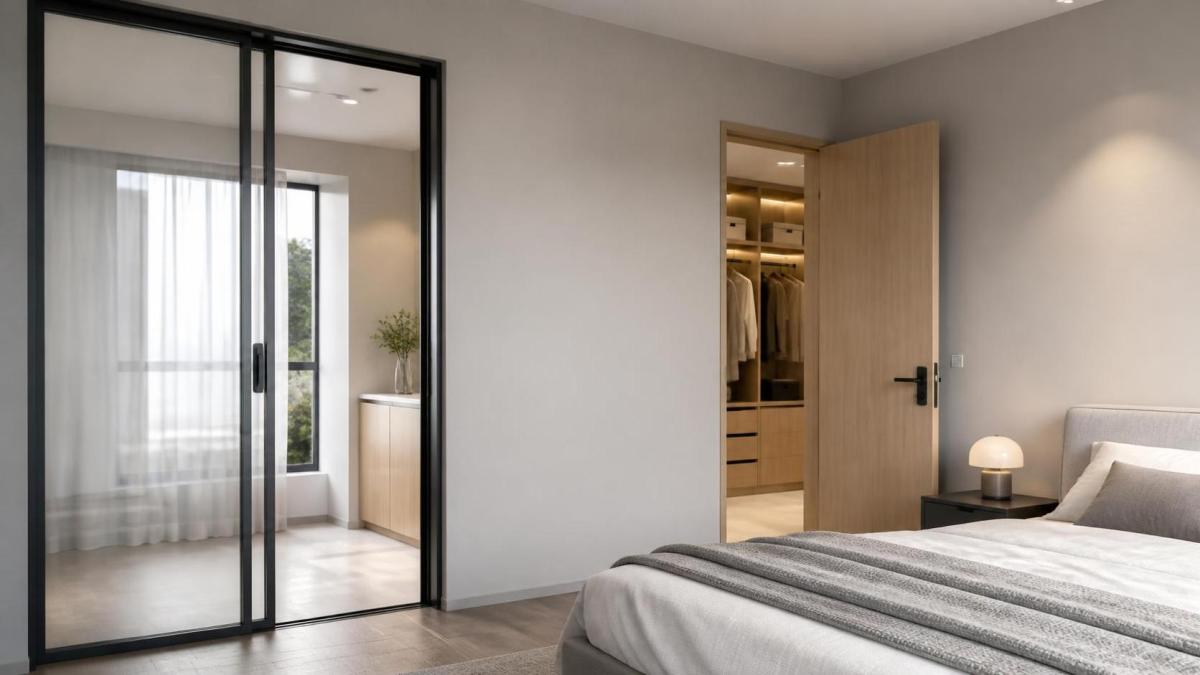
There is a tradeoff. A conventional two-panel sliding door generally leaves part of the opening covered when it is open, because one panel parks behind the other. This can be inconvenient if the opening must regularly accommodate bulky items. Multi-panel systems, pocket doors, and bypass configurations can improve access, but they require more planning and may cost more to install.
Sliding systems also depend heavily on the quality of the track, rollers, alignment, and installation. A poor system can rattle, drag, collect debris, or become difficult to close smoothly. For a bathroom, bedroom, or home office, do not assume every sliding door provides the same acoustic or visual privacy as a well-fitted hinged door. The gaps needed for sliding movement can allow more sound and light through.
Choose by the Room, Not by a General Rule
There is no universal winner because “small” describes floor area, not the room’s job. A compact room used only for sleeping has different demands from a compact room that is also a workspace, dressing area, and storage zone.
A small guest room illustrates the difference well. If the room contains only a bed and a narrow wardrobe, a sliding door can make entering and making the bed easier. If it doubles as a quiet study and is used for video calls, a solid casement door with good seals may be worth sacrificing some floor space. The right choice follows the room’s most important use, not its occasional use.
Ventilation, Privacy, and Sealing Are Often Decided at the Frame
Many homeowners compare only the opening method, but the frame and panel construction deserve equal attention. A quality casement door can use continuous gaskets and multipoint locking hardware, giving it a firm, even closure. This is valuable at exterior openings, balconies, enclosed sunrooms, and rooms affected by corridor noise or temperature changes.
Sliding doors can still perform well, particularly when designed with quality brush seals, interlocks, and well-built aluminum profiles. But they should be judged as a complete system. Ask to see how the panels meet, where the weather seals sit, how water drains in exterior applications, and what adjustment is possible after installation. A slim profile is attractive; it should not come at the expense of stiffness or smooth movement.
Glass selection changes the result too. Clear glass helps a compact space borrow daylight from the next room. Frosted or tinted glass can protect privacy while retaining some light. Tempered safety glass is a sensible choice in doors, particularly in active households and locations near bathrooms or exterior areas. For a bedroom door, full clear glass may look open but can create an unwanted lack of privacy at night. A partly glazed design, reeded glass, frosted glass, or a curtain solution may make more sense.
Ventilation should be considered separately from the door itself. An open casement door can create a broad airflow path, but it also occupies space. A sliding door can stay partly open without moving into the room, yet the opening width may be more limited. Where security is a concern, do not rely on a partly open door as a ventilation strategy; use suitable windows, ventilation hardware, or a planned air path.
Three Layout Checks Before You Order
First, measure the opening and the wall beside it. For sliding doors, you need to know where the panel will park. For pocket doors, the wall cavity must be clear of wiring, plumbing, structural elements, and heavy wall-mounted fixtures. This is not a detail to discover after finishes are complete.
Second, map the everyday route. Picture someone carrying laundry from the bedroom, opening the closet, then walking to the bathroom. A layout can look good when empty but become frustrating when two people use it at once. Door handles, cabinet pulls, drawers, and appliance doors should not occupy the same movement zone.
Third, think about maintenance access. Sliding tracks need routine vacuuming and cleaning, especially near patios, balconies, or dusty areas. Hinges may need occasional adjustment, and a heavy glass casement panel needs hardware rated for its weight. Neither option is maintenance-free; the better choice is the one you can maintain without disrupting your home.
At Weihai Gensheng Trading Co., Ltd., the product range includes aluminum casement, folding, and sliding doors as well as wood-aluminum window and door systems. That breadth is useful in planning because homeowners can compare layouts within a related material and finish family, rather than forcing every opening to use the same door type. Manufacturing details such as accurate cutting, hardware preparation, and frame alignment matter greatly to how either layout performs over time.
Do Not Force an Interior-Door Answer onto a Garage Opening
One point is easy to miss when browsing door options online: an overhead garage door solves a completely different space problem from an interior sliding or hinged door. It moves vertically and needs headroom, track space, motor placement, and safe clearance. It should not be treated as a substitute for a room divider or bedroom entrance.
For a residential garage, however, an insulated sectional system may be relevant when the garage sits close to living areas or is part of a compact apartment or house layout. Features such as an aluminum alloy frame, tempered glass options, remote operation, and anti-theft hardware should be assessed against the actual opening, insulation needs, and local installation requirements. Homeowners exploring this category can review the Factory Custom Remote Control Automatic Garage Door Modern Overhead Insulated Sectional Black Color Aluminum Glass Garage Doors as a separate exterior-access solution, not as part of the casement-versus-sliding decision for a small room.
Common Mistakes That Create Regret
Choosing a sliding door solely to save space. It saves floor area, but a low-quality system may feel worse every day than a properly planned hinged door. Operate a sample if possible. Listen for noise, check whether it moves smoothly, and look at the handle position and closing action.
Ignoring the open doorway width. A 36-inch opening does not guarantee 36 inches of usable passage. Ask for the clear opening dimension with the door fully open. This matters for moving furniture and for long-term accessibility.
Using clear glass where privacy is needed. Daylight is valuable in a small home, but privacy problems are not solved by hoping people will adapt. Decide early whether the door needs obscured glass, blinds, curtains, or a solid lower section.
Assuming pocket doors are always simple. They are excellent space savers, but retrofitting one into an existing wall can be complex. The wall must be suitable, and future access for repairs should be considered.
Buying a heavy door with underspecified hardware. This is especially relevant for large aluminum-and-glass panels. The rollers, hinges, tracks, and fasteners are not secondary accessories. They are the working parts of the door.
FAQ
Are Casement Doors better for small bedrooms?
They are better when privacy, sound control, and a wide clear opening matter more than the floor area beside the door. If the bed or furniture sits within the swing path, a sliding door is usually easier to live with.
Do sliding doors provide enough privacy for a bathroom?
They can provide visual privacy with solid panels or frosted glass, but standard sliding systems may pass more sound and light than a well-fitted hinged door. Check the panel overlap, seals, and latch before choosing one.
Can a sliding door make a room look larger?
It can make the room feel less crowded because there is no swinging panel interrupting the floor. Glass sliding doors can also share daylight, though they should be balanced against privacy needs.
Is an aluminum frame suitable for interior doors?
Yes. Aluminum can suit modern interiors, particularly for slim-framed glass doors. The result depends on profile quality, finish, glazing, and hardware rather than the frame material alone.
The Better Choice Is the One You Stop Noticing
A good door layout becomes almost invisible in daily life. You do not have to step aside to let it pass. It does not block a drawer, scrape a chair, rattle in its track, or leave a room feeling exposed when privacy is needed.
Pick a sliding door when the room needs every available square foot and a partially covered opening will not cause problems. Pick Casement Doors when the swing can be planned properly and the benefits of a tighter close, stronger separation, and wider access match the room’s role. Measure the actual furniture layout, check the hardware and frame details, and decide based on everyday movement rather than a showroom image.
Leave A Reply
Need More Details?
Contact me for details on creating and managing design projects, project features, and services and prices