


NEWS
Categories List
Recent Posts
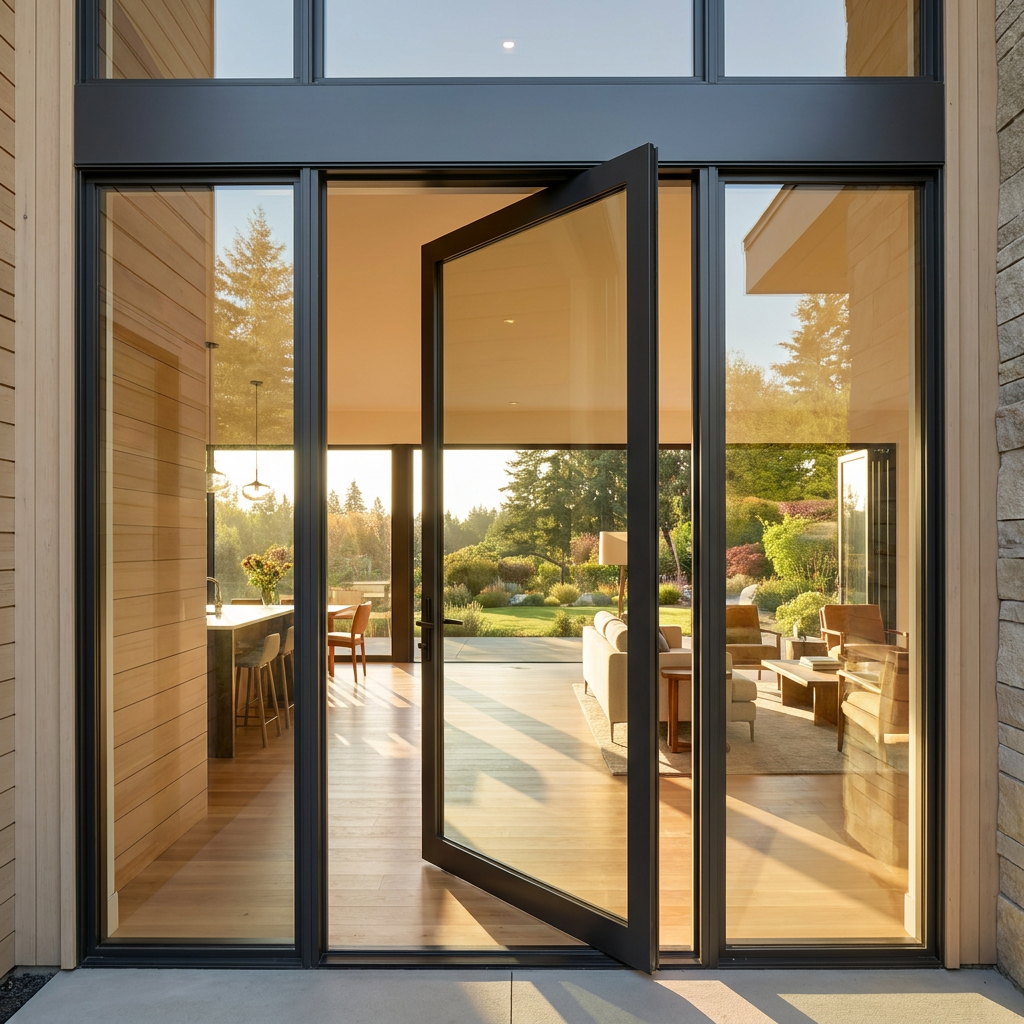
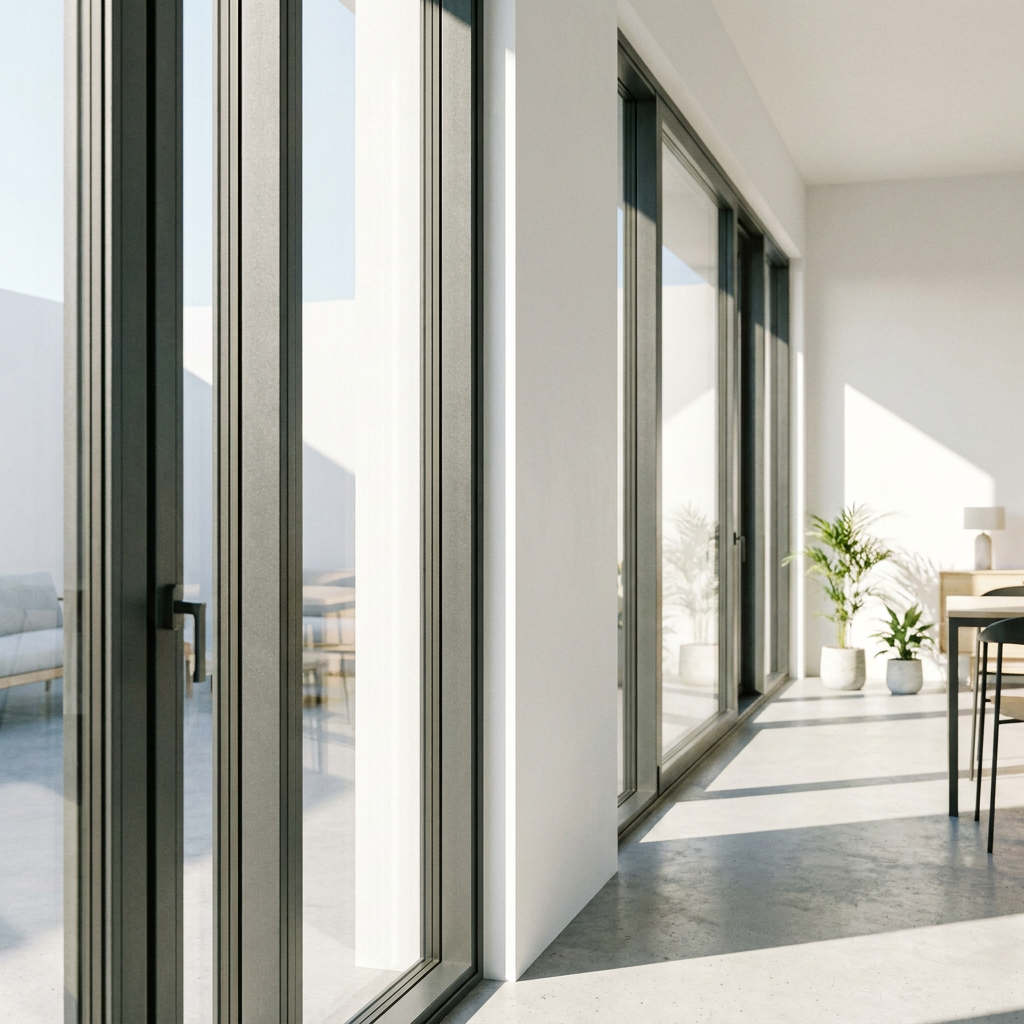
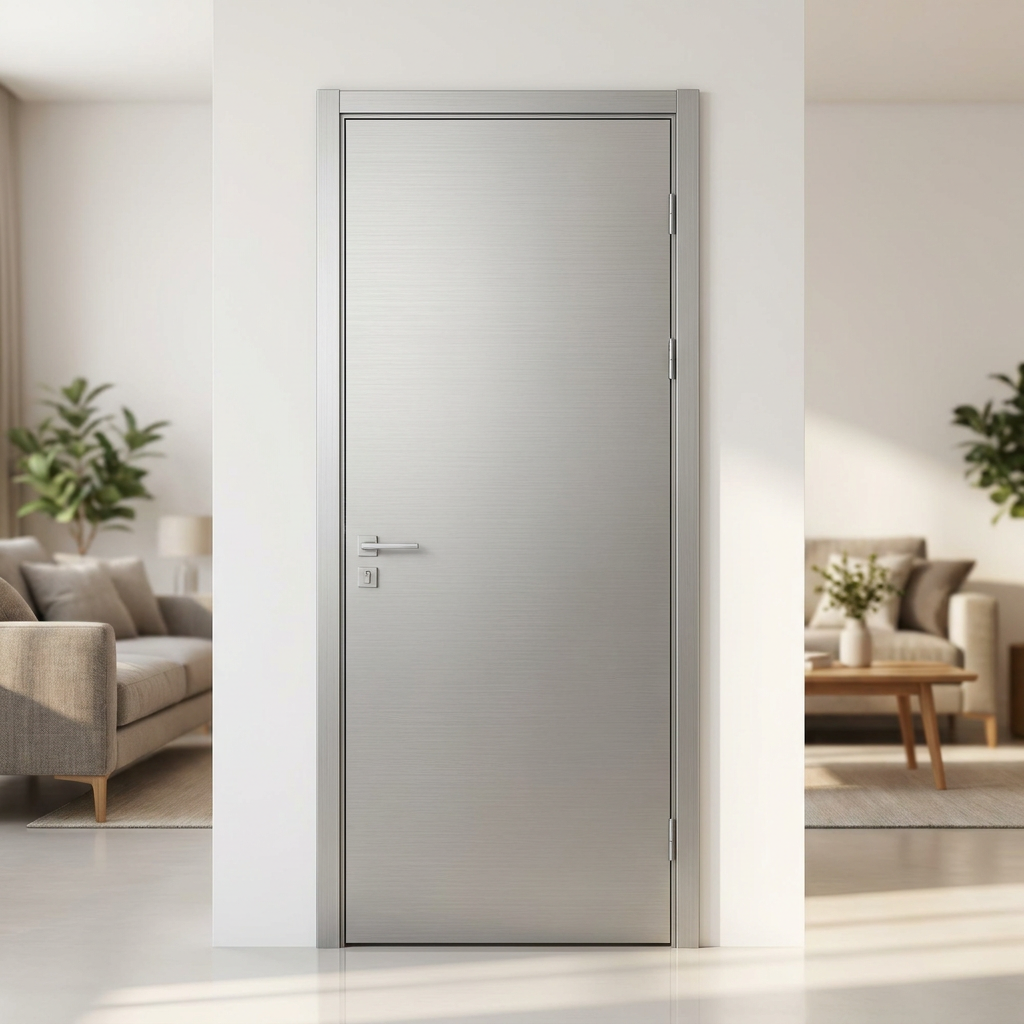

When homeowners start comparing Aluminium Door Systems for patio and garden access, the real decision is rarely about appearance alone. A door that looks elegant in a showroom can still disappoint if it lets in drafts, collects condensation, feels awkward to use, or fails to match the way a family actually moves between indoors and outdoors. For patios and gardens, the best system is the one that balances opening size, thermal performance, daily convenience, and long-term durability.
That balance matters more today because patio access is no longer treated as a secondary opening. In many modern homes, it is part of the main living experience: breakfast light, children moving in and out, summer ventilation, entertaining, and even how the rear elevation of the house feels from the inside. The right door system can make a modest room feel larger. The wrong one can make a new extension feel underused.
One reason aluminium has become such a strong option is its structural stability. Compared with heavier visual frames or lower-grade materials, aluminium profiles can support larger glass areas without making the frame look bulky. That gives homeowners the clean sightlines many now want, especially in contemporary properties. It also means the door system can be adapted to different opening widths without losing the crisp, modern finish that buyers usually expect.
For patio and garden access, the main system choices usually come down to sliding, folding, and casement-style configurations. Sliding doors are often the most practical when outdoor space is limited, because they do not swing inward or outward. They work well where furniture placement matters or where the garden threshold sits close to a path or terrace edge. Folding systems suit homeowners who want a wider opening during warmer months, especially when the goal is to merge a dining area with a garden or deck. Casement-based solutions can still work well, but they are usually more relevant when ventilation and simplicity matter more than a large open span.
The “best” system depends on how the home is used, not just on architectural style. A family with children and a narrow patio may value easy operation and safe movement more than a fully open wall effect. A homeowner planning to host frequently may prefer a wide folding configuration, even if it requires more space and a slightly higher budget. In a compact renovation, a smooth sliding system often gives the best return because it improves light and access without demanding major structural changes.
Glass specification is another decision that affects comfort more than many buyers expect. A patio door is a large glazed element, so heat loss, summer overheating, and noise can all become noticeable if the glass package is under-specified. This is where options such as double-pane glazing with Low-E coating matter in practical terms. They are not just technical features; they affect whether the room feels comfortable on cold mornings, whether furniture fades more slowly, and how much energy the household needs to spend on heating and cooling. For homeowners comparing products, the Energy Saving Double Pane Glass Low-E Coating Sliding Window for Modern Homes represents the kind of performance package that many modern patio-facing openings now require, even when the application is broader than a window alone.
Frame thickness and profile design also deserve attention. In the market, profile thickness may vary across 1.4mm, 1.6mm, 1.8mm, 2.0mm, and even 3.0mm depending on the system and customization level. Thicker is not automatically better in every case, but very light profiles may feel less robust over time, especially in larger openings or exposed locations. Homes in windy areas, properties with frequent use, and installations that must handle heavier glass benefit from more carefully specified profiles.
Security is another point that is often simplified too much in consumer discussions. Many buyers assume a modern aluminium door is secure by default. In reality, the security outcome depends on the full system: locking hardware, frame integrity, glass specification, installation quality, and how well the door closes and seals. A door advertised as anti-theft still needs to be evaluated as a complete assembly. For homeowners, that means asking not only about the lock, but also about reinforcement, glass retention, and whether the system has been tested as a finished unit.
Airproofing and insect-proofing are also underrated. A garden door is used in all seasons, not just in summer. Poor sealing can create dust ingress, rattling in wind, and a cold zone near the threshold. In warmer months, if the opening is not well controlled, the benefit of fresh air can come with a loss of comfort. Good aluminium door systems manage this through better sealing lines, accurate installation, and hardware that keeps the sash aligned. The detail work matters here; even a high-end product will perform badly if the opening is out of square or the threshold is not handled properly.
For households near busy roads, schools, or shared outdoor areas, sound reduction can be a deciding factor. Double-pane glazing with the right gap and sealing approach can noticeably improve indoor quiet, though expectations should remain realistic. A patio door is not a full acoustic wall. Still, for many suburban homes, the difference between basic glass and a better-specified glazed system is meaningful enough to improve everyday living.
Color and finish should be evaluated in relation to climate and maintenance, not only taste. Powder coating is common because it offers a durable surface and broad color choice. Painting, plating, and polishing each create different visual effects, but outdoor exposure means the finish must hold up against sunlight, moisture, and cleaning over time. Darker shades can look elegant but may absorb more heat; lighter tones may hide dust differently and work better in bright gardens. A good finish is one that keeps its appearance without requiring constant attention.
Customisation has become a major buying criterion because modern homes rarely follow standard opening dimensions. Many buyers also want the door color, handle style, opening direction, and glass appearance to suit existing interiors. That flexibility can be useful, but it also increases the importance of accurate measurement and clear communication before production. In practice, the best aluminium door systems are the ones that are tailored carefully rather than adjusted on site after delivery.
From a homeowner’s perspective, warranty and after-sales support may matter more than the marketing claims attached to a brochure. A door system is a long-term part of the building envelope. If the hardware drifts, seals age, or a component needs adjustment, support determines whether the installation remains satisfactory. A warranty of more than five years is reassuring, but buyers should still check what is actually covered and how service is handled. Online technical support can be useful, especially for overseas buyers or renovation projects managed remotely, but installation guidance is only valuable if the supplier can explain the system clearly.
Packaging and transport are not trivial either, even for end consumers. Large glazed doors are vulnerable to impact and edge damage before they ever reach the house. Multi-layer protection packaging reduces one of the most common hidden risks in imported or shipped systems: damage that is not visible until installation begins. For a consumer, that means fewer delays and less chance of paying for replacements caused by transit problems rather than product quality.
One practical way to narrow the choice is to start with the home’s use pattern. If the garden opening is used daily and space is tight, a smooth sliding aluminium system is often the most sensible answer. If the goal is a dramatic open transition for gatherings, folding doors may justify the extra cost and maintenance attention. If the main concern is simple ventilation and durability in a straightforward rear opening, a more restrained configuration may be enough. Style matters, but use case should lead.
Buyers should also be careful not to overestimate “invisible” design. A slim frame can look elegant, but if the track is difficult to keep clean or the rollers are not suited to the weight of the glass, the visual advantage can disappear quickly. Similarly, a highly glazed rear elevation can deliver excellent light, but if orientation is south-facing and shading is poor, overheating may become a real issue. In other words, the best solution is not always the brightest or the largest—it is the one that works with the house, climate, and routine.
For the wider market, the continued demand for aluminium door systems is tied to a larger shift in how homeowners value the rear of the house. Gardens are now treated as part of living space rather than only outdoor utility. That is pushing demand toward systems that combine design with better thermal control, better sealing, and more flexible dimensions. Suppliers that can offer customization, reliable production, and consistent quality control are better placed in this environment, especially when the product must satisfy both appearance and performance expectations.
For end buyers, the most useful question is simple: what problem is the door meant to solve? If the answer is “make the room look modern,” almost any attractive system can qualify. If the answer includes winter comfort, summer airflow, child-friendly use, noise reduction, and long-term maintenance, the shortlist becomes much narrower. That is where well-specified aluminium systems stand out: they can address several of those needs in one installation, provided the product is selected for the real conditions of the home rather than for a catalog image.
Leave A Reply
Need More Details?
Contact me for details on creating and managing design projects, project features, and services and prices