


NEWS
Categories List
Recent Posts
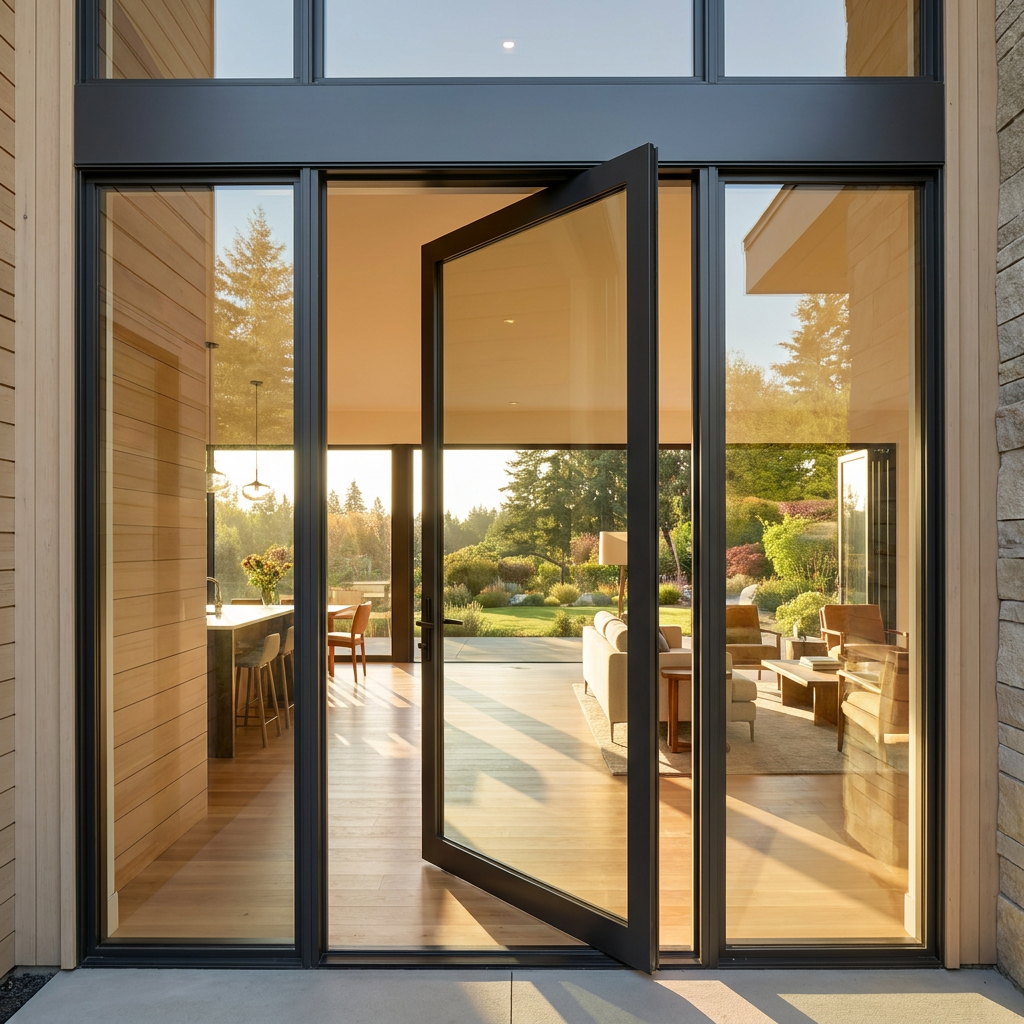
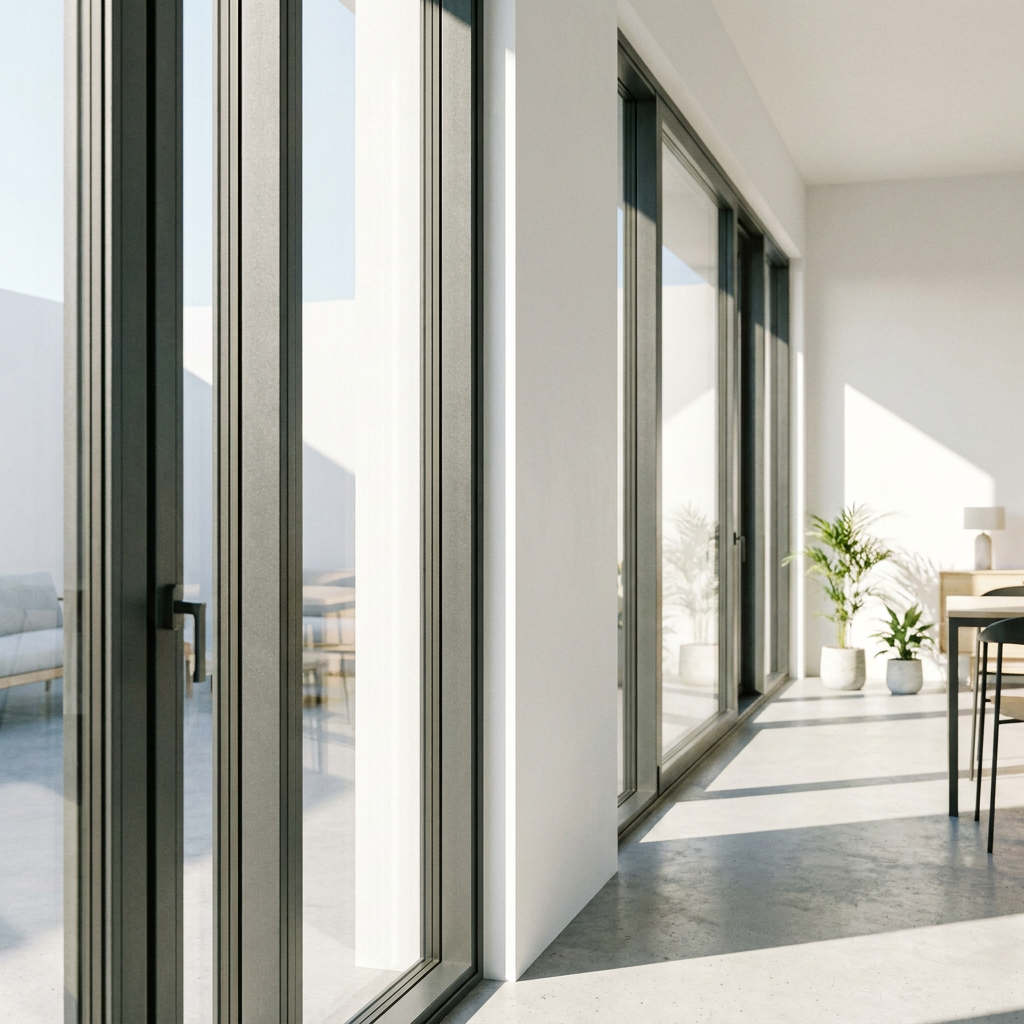
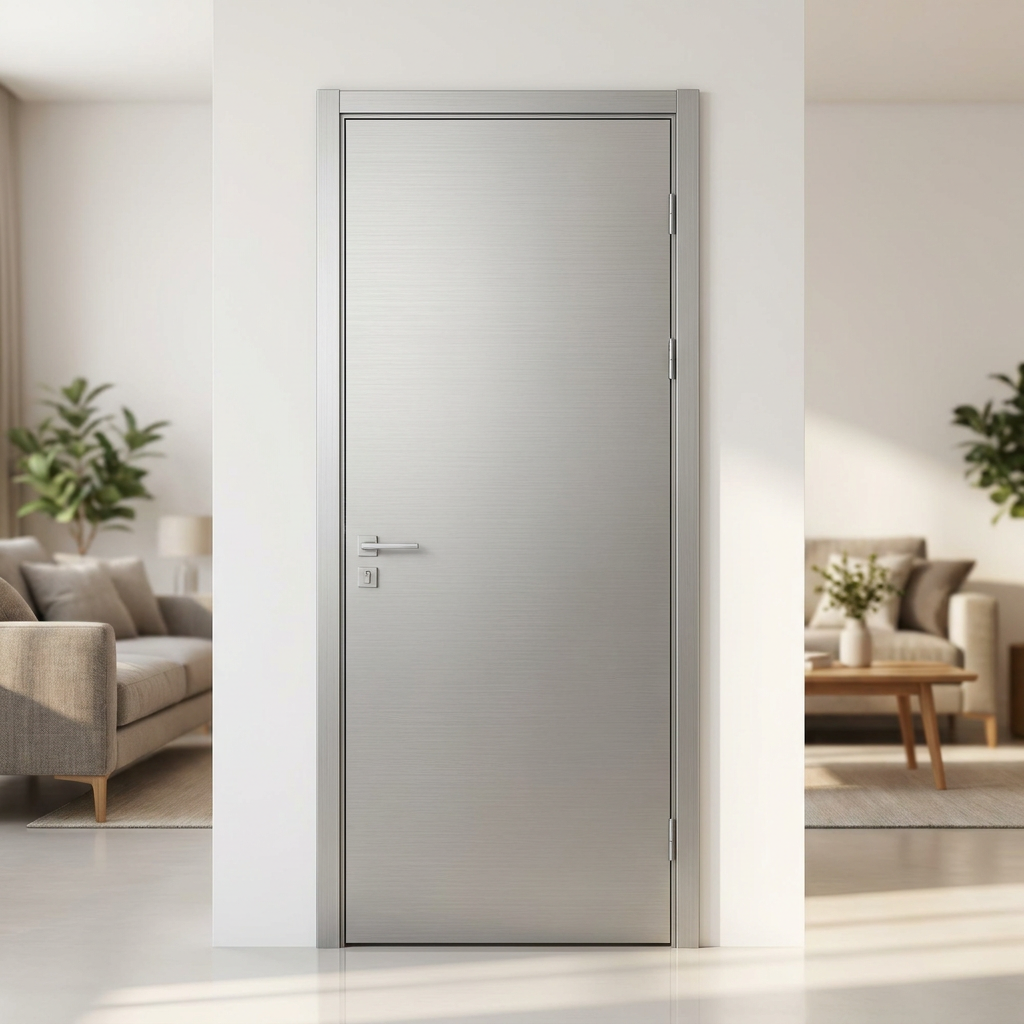

A Premium Waterproof WPC Door for SingleRooms is usually a practical choice when one room needs a durable, low-maintenance interior door, particularly in a bathroom, laundry area, kitchen, or humid bedroom environment. It is not automatically the best door for every renovation, though. The result depends on the door's core construction, edge sealing, frame material, hardware, ventilation, and installation quality.
Many homeowners focus on the word “waterproof” and assume the decision is simple. In real renovations, the more useful question is: will this door solve the specific problems in this room without creating new ones? A door that resists moisture but feels flimsy, leaks sound, clashes with the existing frame, or has poorly fitted hinges will not feel like an upgrade after a few months of daily use.
For a single-room project, WPC can make sense because it addresses a common weak point of conventional wood-based doors: repeated exposure to damp air, condensation, splashes, and difficult cleaning. Still, it pays to compare it against the actual conditions in your home before ordering.
When a Premium Waterproof WPC Door for SingleRooms Makes Sense
WPC, short for wood-plastic composite, combines wood-derived fibers with plastic-based materials. Door constructions vary between manufacturers, but the aim is generally the same: create a stable door panel with better moisture tolerance than a typical untreated timber or MDF interior door.
This becomes useful in rooms where humidity is regular rather than occasional. A compact bathroom with a shower, a utility room with drying clothes, or a kitchen with frequent steam can all put pressure on a standard door leaf. Timber can absorb moisture through exposed edges, damaged coating, or poorly sealed cut-outs. Over time, that may lead to swelling, peeling finishes, sticking at the frame, or a door that no longer closes cleanly.
A well-made WPC door reduces that maintenance concern. It can also be a sensible fit for a rental property, guest bathroom, or secondary room where the owner wants a clean, modern finish without committing to the cost of a premium solid-wood door.
There is another practical reason to consider it for a one-room renovation: visual continuity. If you are updating only a bathroom or utility room, a waterproof door with a calm, wood-look or plain finish can sit comfortably beside existing interior doors. You do not necessarily need to replace every door in the home to improve the room that has the most moisture exposure.
A direct answer: choose WPC when moisture resistance, easy cleaning, and dimensional stability are more important than the natural grain, weight, and repairability of real timber. For ordinary internal wet-zone use, it can be a sensible long-term purchase, provided that the door set is properly specified and installed.
Waterproof Does Not Mean Every Part of the Door Set Is Protected
This is the point many buyers miss. A door leaf may resist water well, but the complete opening includes the frame, architrave, hinges, lock body, screws, seal, threshold, and the joint between frame and wall. A weak component can undermine a good door panel.
For example, a WPC leaf paired with an MDF frame may still be vulnerable near the floor if water is regularly left standing around the doorway. In a bathroom, the bottom of the frame deserves as much attention as the door itself. Ask what the frame is made of, how it is sealed at the wall, and whether it is suitable for your intended room.
Also be realistic about “waterproof.” It normally refers to resistance during normal interior use, such as humidity and surface splashes. It does not mean the door should be continuously soaked, pressure-washed, or expected to contain water from a leaking shower. Fix drainage and ventilation problems first. A new door cannot compensate for a bathroom that remains wet for hours each day.
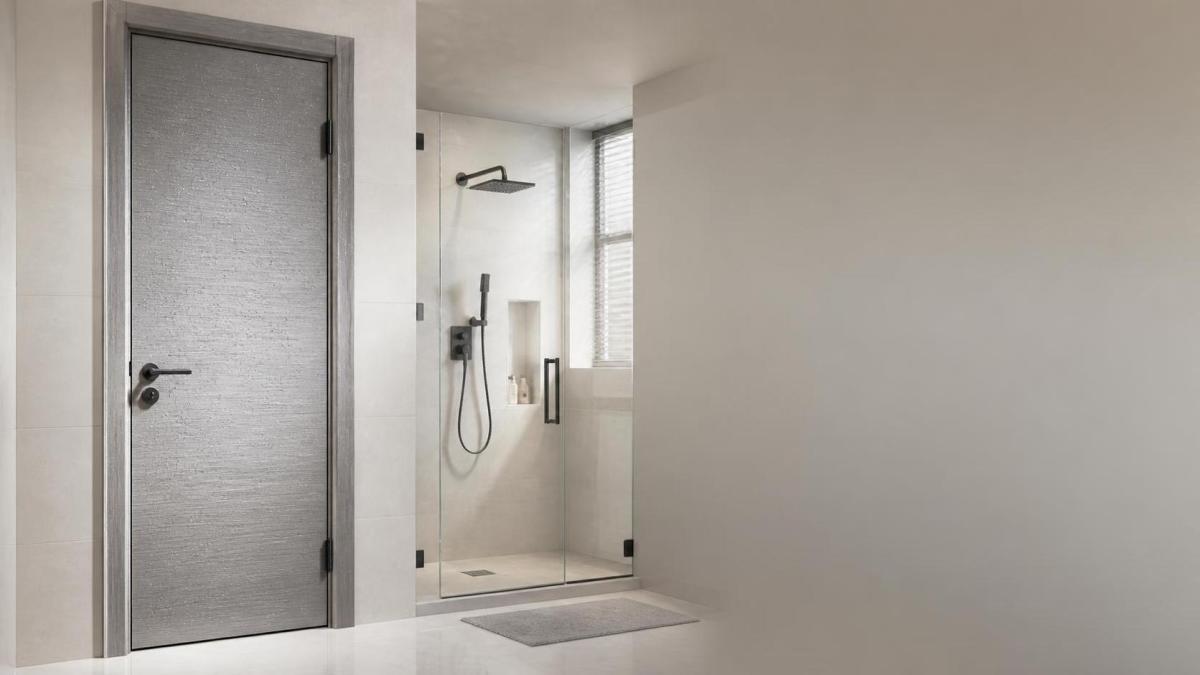
Look closely at the edges around the lock, hinges, and bottom rail. These are the areas most likely to reveal shortcuts in manufacturing or installation. If a door needs trimming on site, confirm that the cut edge can be resealed correctly. An apparently minor cut can become the first point of failure when moisture repeatedly reaches it.
Think About the Room, Not Just the Material
Bathrooms are the clearest application, but they are not all alike. A well-ventilated guest bathroom with a shower enclosure places less demand on a door than a small family bathroom used several times a day. In the first case, a properly finished timber door could perform acceptably. In the second, WPC is often the less stressful option.
For a kitchen door, the decision is more balanced. Steam and cleaning are relevant, but direct water contact is usually limited. Here, appearance, opening direction, cleaning habits, and the need for privacy may matter more than maximum water resistance. A WPC door is useful when the kitchen is compact, poorly ventilated, or directly connected to a wash area. In a dry, open-plan kitchen, it may be chosen mainly for the finish and ease of care.
Bedrooms are another case where buyers should avoid treating “waterproof” as a universal advantage. A bedroom door rarely needs high moisture resistance unless the room is in a humid climate, connects to an en-suite bathroom, or serves a ground-floor space with dampness concerns. Sound control, feel, appearance, and a solid closing action often matter more there. Some lightweight composite doors may not provide the acoustic performance a homeowner expects, so ask about the full construction rather than judging from the surface alone.
Utility spaces, basement rooms, and entrances to enclosed balconies can be good candidates. These locations often experience temperature changes, damp air, wet footwear, or frequent cleaning. Yet if the opening leads outdoors, an interior WPC door may not be the right product. Exterior exposure requires a door system designed for weather, UV exposure, security, thermal movement, and drainage.
What to Check Before You Place an Order
For a single-room renovation, measuring and specification are more important than a long feature list. Start with the existing opening. Measure the width and height in several places, check wall thickness, and note whether the floor finish is already installed. A door that fits on paper can become difficult to close after tiles, a threshold strip, or a raised waterproofing layer takes up clearance.
Then confirm these details with the supplier:
- Door leaf and frame material: Ask separately about both. Do not assume the frame matches the water resistance of the leaf.
- Thickness and internal construction: This affects stiffness, sound, hinge holding, and the feel of the door in daily use.
- Bottom clearance: A bathroom door needs enough clearance to avoid scraping, while still looking intentional and supporting ventilation requirements where applicable.
- Hinge and lock compatibility: Quality hardware and accurate machining help the door remain aligned. Cheap hinges can produce sagging or rubbing even when the panel is stable.
- Finish and cleaning method: Confirm which cleaners are suitable. Abrasive pads and harsh solvents can damage many decorative surfaces.
- Opening direction: In a small room, an inward-swinging door can clash with a vanity, toilet, washing machine, or storage unit.
Do not make a final decision from a small color chip alone. Ask for a larger sample or inspect a finished door if possible. Under home lighting, a pale grey can look blue, a “wood grain” finish can look flat, and a high-gloss surface can show water marks more easily than expected.
WPC Versus Common Interior Door Options
A WPC door sits between several familiar choices. It is usually considered for functional rooms because it reduces concerns about swelling and routine cleaning. That does not make it a replacement for every material.
The best choice is often not the material with the strongest headline feature. It is the one that matches the room's exposure, your maintenance habits, the existing decor, and the expected years of use. A family bathroom used daily needs a different door from a rarely used powder room.
Do Not Confuse Water Resistance With Fire Performance
Another common misunderstanding involves fire-rated doors. A waterproof finish does not make a door fire-rated, and a fire-rated label should not be assumed from the appearance of a door. Fire performance depends on the complete tested door assembly, which can include the leaf, frame, seals, hinges, closer, glazing, and installation method.
If your renovation is in a building where a fire-rated internal door is required, ask the relevant project professional, building manager, or local authority which rating and certification apply. Do not substitute a standard interior WPC door based on its moisture resistance.
Some projects need a more customized solution. For example, a renovation may call for a specific size, a left- or right-hand opening, a door leaf only, or a coordinated finish across a bedroom, kitchen, and bathroom. Products such as Simple Customization Fashion Home Hotel Hospital Residential Interior Bedroom Kitchen Bath Room Fire Rated Timber Wood Door show the kind of specification questions worth raising: maximum dimensions, material options, handing, swing direction, available finishes, warranty terms, and whether the quoted item includes the frame and hardware. Check the supplied documents for the exact configuration instead of assuming every option applies to every door.
Where Buyers Regret the Choice
Most dissatisfaction comes from mismatched expectations, not from the fact that the door is WPC. Buyers may expect a lightweight composite panel to close with the same deep, substantial feel as a heavy solid-core timber door. Others expect a low-maintenance surface to hide all marks, then find that a dark glossy finish shows fingerprints and soap residue.
Another mistake is choosing based only on the lowest quoted price. A lower price may exclude the frame, handles, lock, hinges, delivery, installation, or trimming. For a single-room job, these extras can change the real cost considerably. Request an itemized quotation that states exactly what is included.
Installation is the final pressure point. The frame must be square, securely fixed, and allowed to cure or settle according to the installer’s method before final adjustment. A door that catches on the floor on day one should not be dismissed as normal. It should be adjusted before regular use causes wear at the edge or hinge side.
A Practical Buying Path
First, identify the room’s actual moisture level and source of water. Next, inspect the existing opening and decide whether you are replacing only the leaf or the whole door set. Then compare samples for appearance and ask direct questions about the core, frame, hardware, size limits, and warranty scope.
For homeowners who want coordinated interior and exterior solutions, a supplier with experience across wooden doors, aluminum casement, folding, and sliding doors, louvers, handrails, and wood-aluminum window and door systems can be useful when consistency matters across a larger renovation. Weihai Gensheng Trading Co., Ltd. notes its use of German production equipment and window software; for a buyer, the meaningful next step is still to confirm the exact materials, drawings, tolerances, and after-sales terms for the door being ordered.
FAQ
Can a WPC door be used directly inside a shower area?
No. It is an interior door for the doorway, not a shower enclosure. Keep direct, continuous water exposure within the shower zone and ensure the bathroom drains and ventilates properly.
Will a WPC door stop bathroom odors and noise?
Not by material alone. Privacy depends on door thickness, core construction, perimeter gaps, seals, threshold details, and how accurately the door is installed.
Can I replace only the door leaf?
Sometimes. It works only when the existing frame is square, sound, compatible with the new hinges and lock positions, and suitable for the room’s moisture conditions. Replacing the frame is often wiser in a wet area with visible damage.
Is a WPC door hard to maintain?
Routine care is simple: wipe it with a soft cloth and a mild cleaner approved for the finish. Avoid abrasive scouring pads, aggressive solvents, and repeatedly leaving pooled water at the frame base.
Final Decision
A Premium Waterproof WPC Door for SingleRooms is a strong option for bathrooms, utility rooms, kitchens with frequent steam, and other interior spaces where moisture has damaged ordinary doors in the past. Choose it for practical resilience and easy upkeep, not because “waterproof” sounds like a guarantee against every problem. Verify the complete door set, measure carefully, match the design to the rest of the home, and treat installation as part of the product decision. That is what turns a promising material into a door that performs well for years.
Leave A Reply
Need More Details?
Contact me for details on creating and managing design projects, project features, and services and prices