


NEWS
Categories List
Recent Posts

Are premium waterproof WPC doors really a smarter long-term hotel investment?
For hotel projects, the Interior Door is not a minor finish item. It affects maintenance budgets, room uptime, acoustic comfort, and the visual consistency of Hotel Interiors.
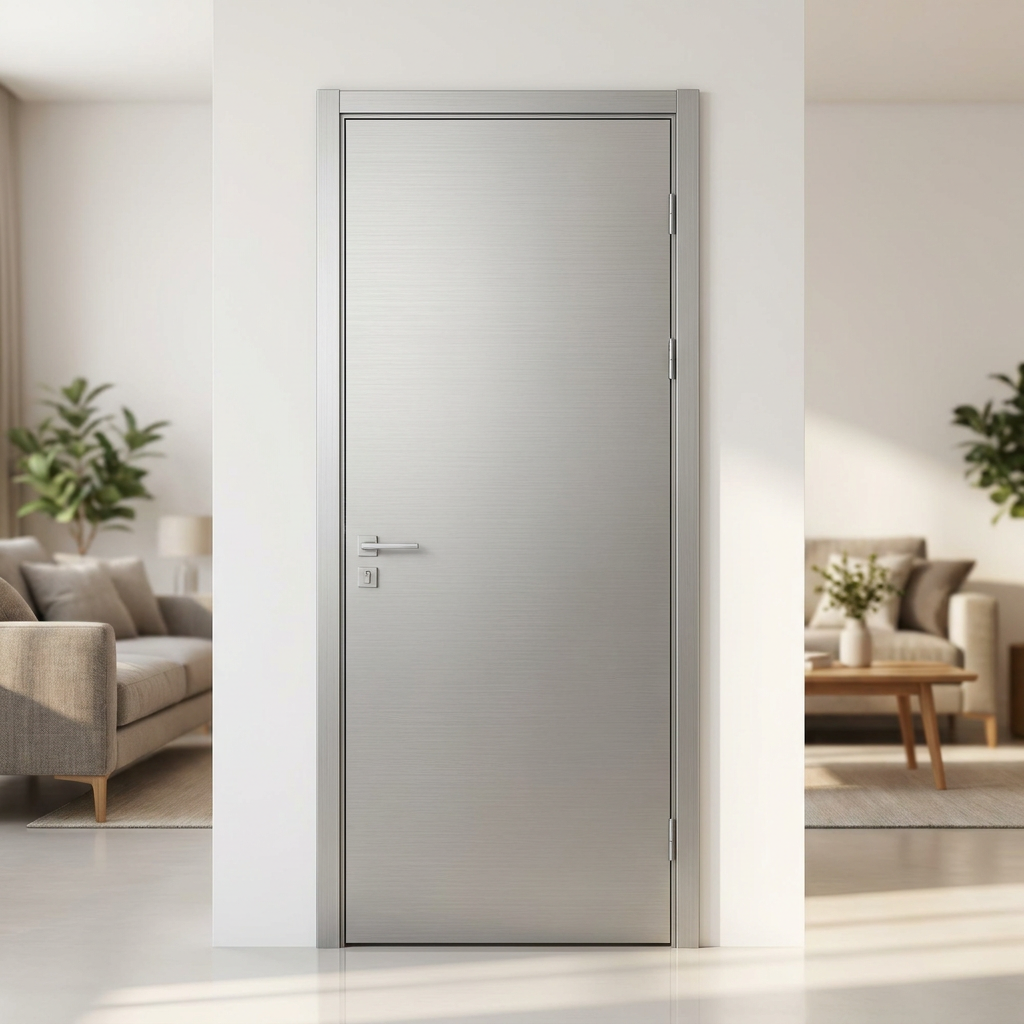
That is why many buyers now compare a Premium Waterproof WPC Door for SingleRooms with painted wood, laminated timber, and hollow-core options before locking a specification.
The short answer is often yes, but only when the evaluation goes beyond unit price. Long-term value depends on moisture exposure, cleaning frequency, traffic level, replacement cycles, and installation quality.
In practical hospitality use, WPC is attractive because it balances appearance and durability. It also supports a more predictable operating cost over time, which matters more than a low initial quote.
What makes a Premium Waterproof WPC Door for SingleRooms different from a standard Interior Door?
WPC stands for wood-plastic composite. In a hotel setting, that usually means a door structure designed to resist swelling, surface instability, and edge damage caused by moisture and frequent cleaning.
A standard Interior Door may still perform well in dry, low-traffic environments. The problem appears when guest bathrooms release humidity, housekeeping uses wet cleaning methods, or air-conditioning creates repeated temperature shifts.
A Premium Waterproof WPC Door for SingleRooms is generally chosen for three reasons:
- better dimensional stability in humid conditions;
- lower risk of peeling, warping, or softening at edges;
- a cleaner, more consistent finish for modern Hotel Interiors.
This does not mean every WPC product is automatically premium. Core density, skin quality, hardware compatibility, and frame construction still decide actual service life.
Where does the long-term cost advantage usually come from?
The most common mistake is comparing only purchase price. A hotel rarely feels the real cost of an Interior Door on delivery day. The cost shows up later through repairs, repainting, room downtime, and labor.
A Premium Waterproof WPC Door for SingleRooms can reduce those hidden expenses because it tends to need fewer surface corrections in humidity-sensitive zones. Even a small drop in replacement rate can change the project economics.
A simple comparison helps:
When occupancy is high, predictability itself becomes a financial advantage. It allows renovation planning with fewer disruptions and less emergency replacement.
Does WPC fit every hotel room, or only specific Hotel Interiors?
It fits most mid-range and upper-tier guestrooms, especially where design standards require a neat finish and uniform room-to-room appearance. It is especially relevant for single rooms with attached bathrooms.
Still, selection should match the interior language. Some projects prefer warm timber textures, while others favor minimalist lines and mixed materials. In those cases, the door program should be viewed as part of the full opening package.
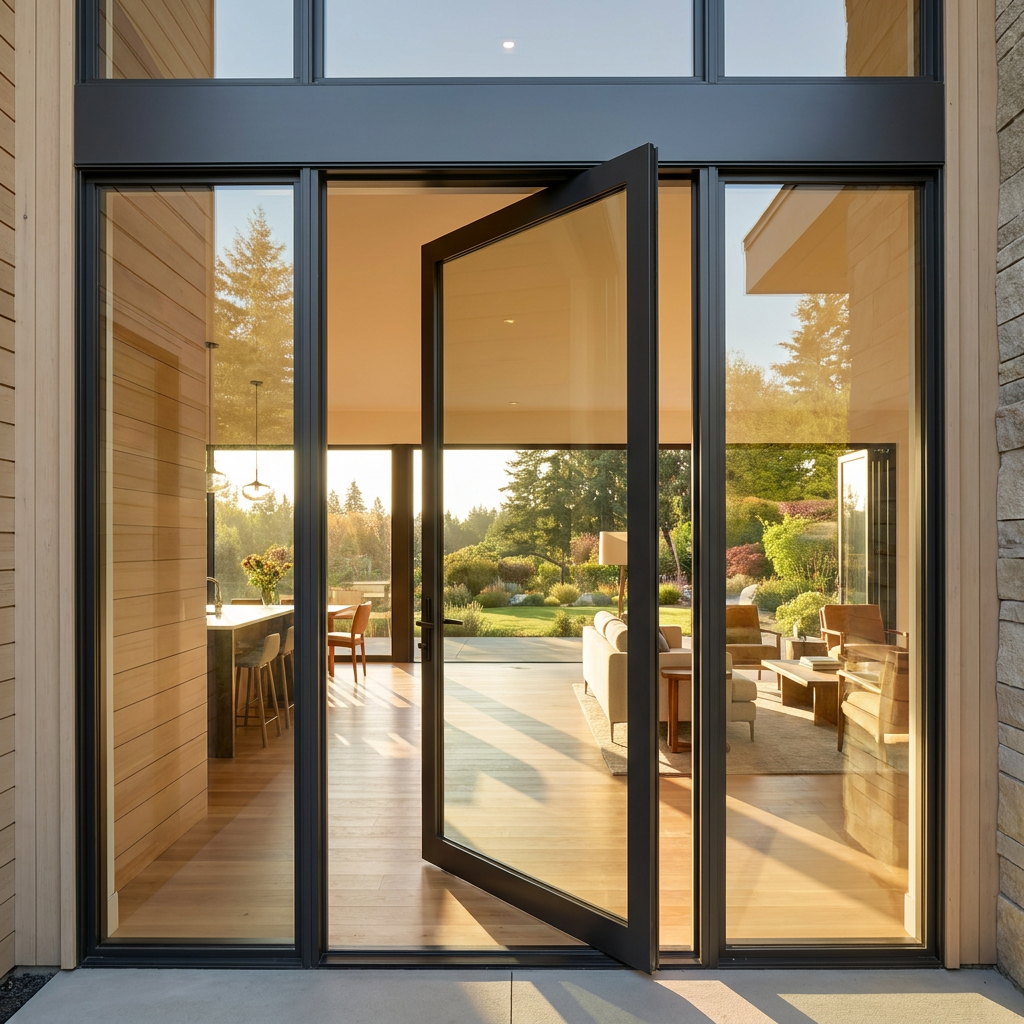
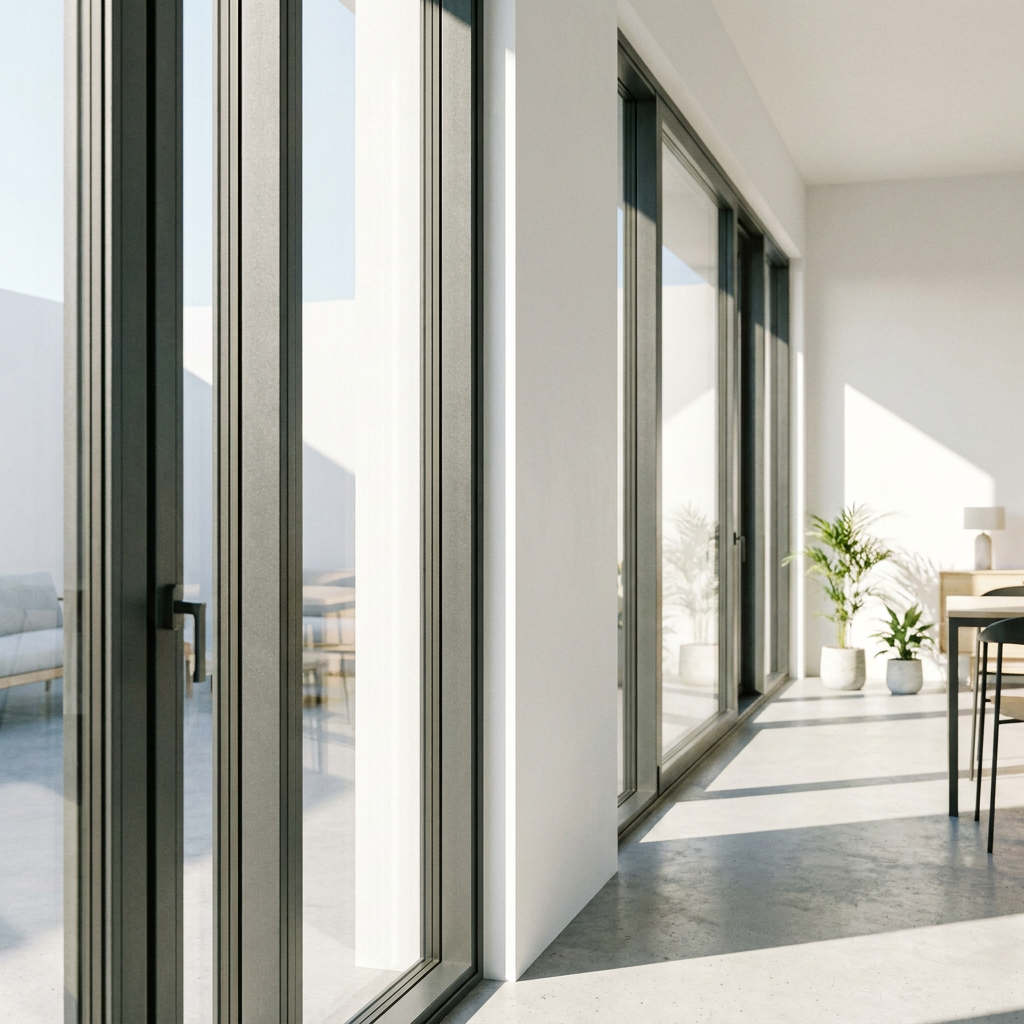
For example, public areas may combine a moisture-stable room door strategy with glass partitions or flexible access zones. That is where related systems such as Aluminum Alloy Glass Folding Door can complement private-room door planning without forcing one material everywhere.
Weihai Gensheng Trading Co., Ltd. works across multiple door and window categories, including wooden doors, aluminum systems, and wood-aluminum solutions. That broader manufacturing view matters because hotel projects rarely evaluate a single leaf in isolation.
What should be checked before deciding that a WPC Interior Door is worth the money?
A reliable decision usually comes from specification detail, not from marketing claims. In actual sourcing, these checkpoints are more useful than broad promises:
- core structure and density consistency;
- edge sealing and frame durability;
- surface resistance to repeated cleaning;
- hinge, lock, and closer compatibility;
- acoustic expectations for single-room privacy;
- replacement lead time and finish consistency.
Factories using advanced equipment and production software often deliver better dimensional control. That is relevant because poor tolerances can undermine even a good material choice.
It is also useful to request sample doors exposed to cleaning and humidity simulation. A Premium Waterproof WPC Door for SingleRooms should prove its value under realistic maintenance conditions, not only in a showroom.
What risks are commonly overlooked during comparison?
The first risk is assuming all WPC doors perform the same. Material category alone does not guarantee durability. Weak skins, poor hardware prep, or unstable frames can shorten service life.
The second risk is ignoring installation. Even a well-made Interior Door can fail early if frame alignment, sealing, and hardware fitting are not controlled on site.
Another frequent oversight is separating guestroom doors from the wider renovation strategy. If corridors, amenity areas, or meeting spaces use movable glazed openings such as Aluminum Alloy Glass Folding Door, finish coordination and hardware planning should be reviewed together.
Finally, replacement timing matters. A cheaper door may seem acceptable until uneven aging starts creating visual inconsistency across Hotel Interiors, which can damage perceived property quality before the door technically fails.
So, when is the better answer clearly yes?
The answer is usually yes when guestrooms face steady humidity, frequent turnover, and strict appearance standards. In those conditions, a Premium Waterproof WPC Door for SingleRooms often delivers better lifecycle control than conventional low-cost alternatives.
It becomes less convincing only when the project is extremely price-driven, environmental exposure is low, and the planned ownership horizon is short. Even then, a full maintenance forecast should be checked before choosing a basic Interior Door.
A practical next step is to compare three things side by side: sample performance, installed system details, and five-year maintenance assumptions. That approach gives a clearer answer than unit pricing alone, and it usually leads to a more stable decision for Hotel Interiors.
Leave A Reply
Need More Details?
Contact me for details on creating and managing design projects, project features, and services and prices