


Categories List
Recent Posts

Aluminum Profiles for Doors and Windows vs uPVC: Which Material Makes Better Long-Term Sense?
2026-08-14
# Aluminum Profiles for Doors and Windows vs uPVC: Which Material Makes Better Long-Term Sense?
Choosing between aluminum profiles for doors and windows and uPVC is a strategic decision that affects durability, lifecycle cost, energy efficiency, and brand value. For business decision-makers, the right material must balance performance, aesthetics, and long-term return on investment. At Weihai Gensheng Trading Co., Ltd., we combine advanced German equipment, skilled craftsmanship, and innovative production standards to deliver reliable door and window solutions built for lasting commercial success.
## The real question is not “which is cheaper?”
On paper, uPVC often looks attractive because the upfront cost is usually lower. That is why many project teams consider it during the early planning stage, especially when budgets are tight and the specification seems straightforward. But in commercial buildings, hotels, apartment projects, and premium residential developments, the real cost is rarely the purchase price alone.
The better question is: which material performs more consistently over time, supports the building’s image, and reduces replacement pressure later?
That is where aluminum profiles for doors and windows often stand apart.
## What aluminum brings to long-term project planning
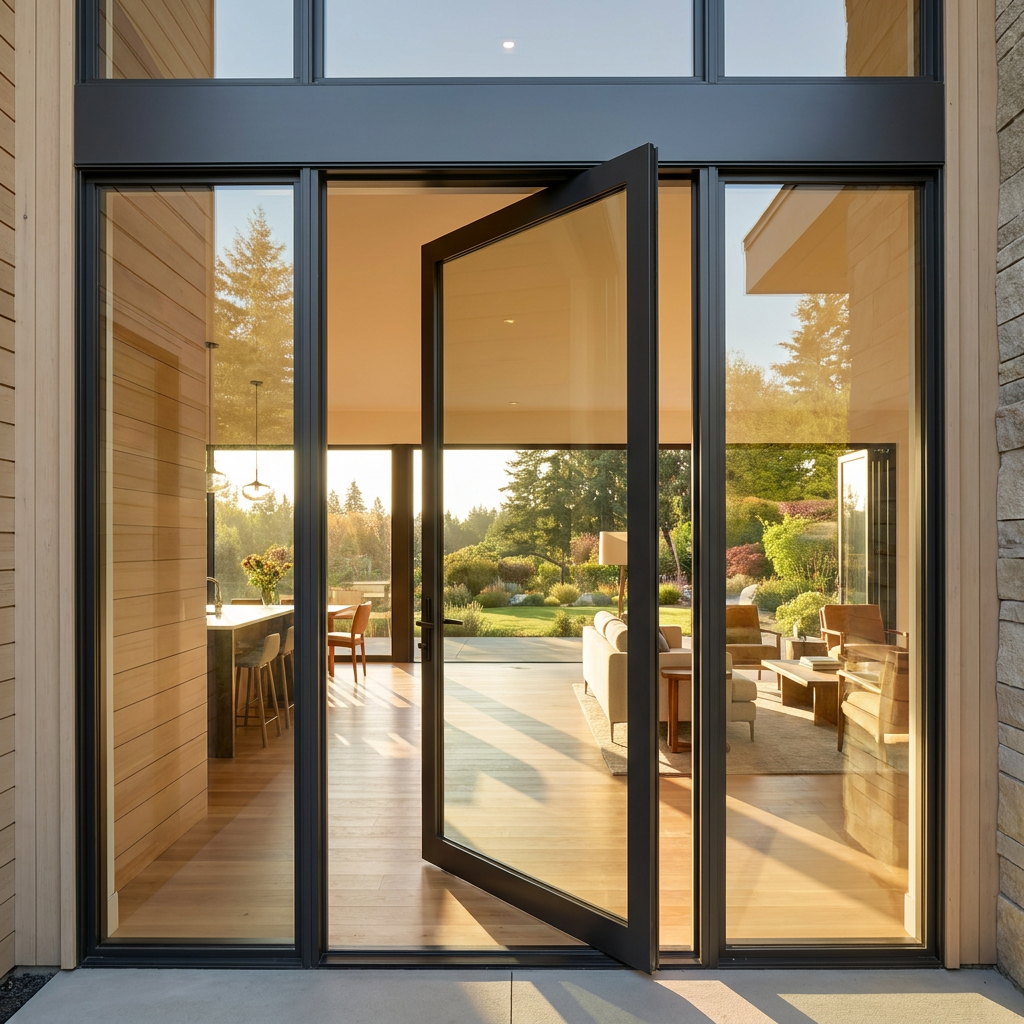
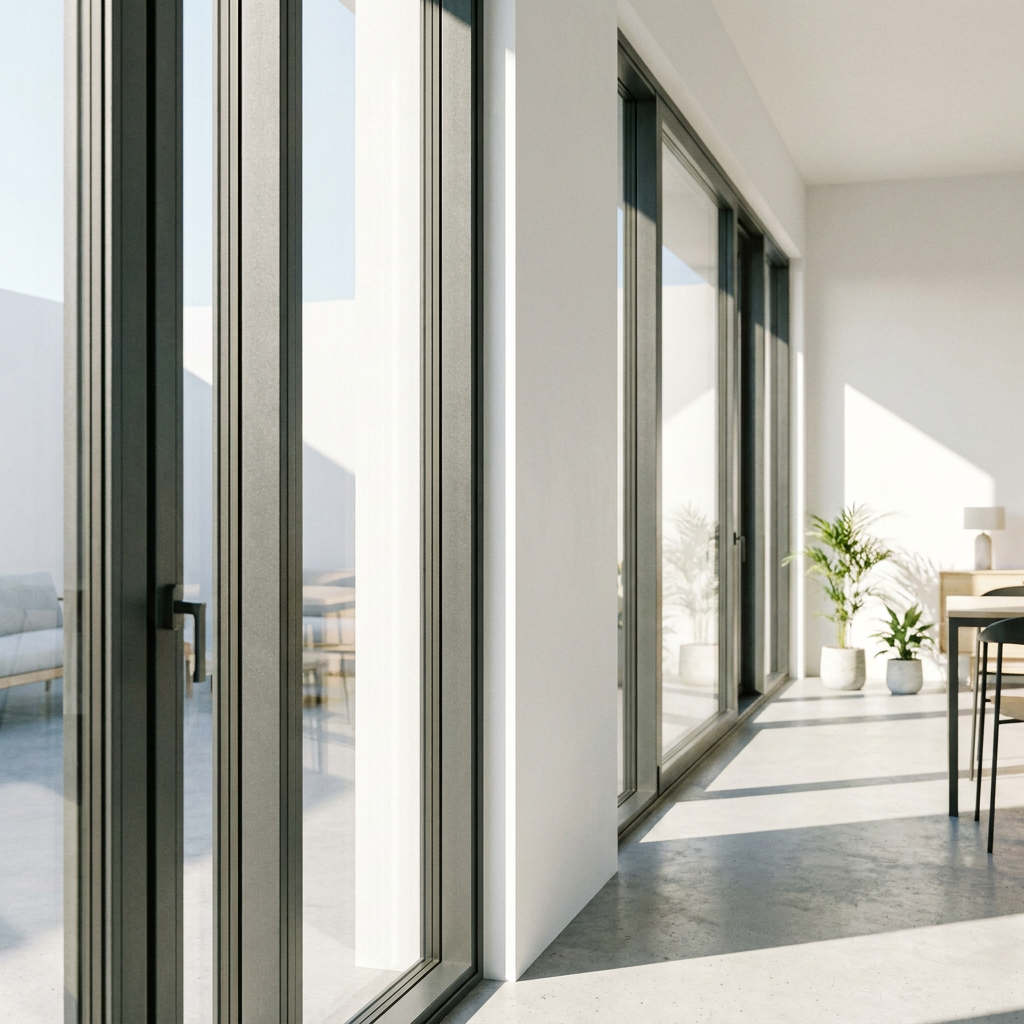
Aluminum is valued for its structural stability. It handles larger spans better, supports slimmer frames, and creates a cleaner visual line. For decision-makers, that means more design flexibility without sacrificing strength. In projects where natural light, modern appearance, and opening performance matter, aluminum often feels like the more future-proof material.
It also tends to age better under demanding conditions. Temperature changes, sunlight exposure, and daily opening cycles can be hard on any frame system. Aluminum profiles generally maintain their shape and appearance more reliably, which matters when a building must still look disciplined years after handover.
For this reason, many commercial buyers now treat aluminum not as a premium extra, but as a long-term risk control measure.
## Where uPVC still makes sense
uPVC has its place. It can be a practical choice for projects where initial cost control is the dominant factor and the design load is relatively light. It also offers decent thermal performance when properly manufactured and installed.
Still, uPVC is more sensitive to long-term visual and structural concerns. Over time, some buyers begin to notice fading, warping, or a less refined appearance, especially in harsher climates or high-traffic applications. That does not make uPVC a poor material; it simply means the decision should be tied closely to project expectations.
If the building is meant to convey durability, sophistication, and stronger resale or rental appeal, many teams eventually lean toward aluminum.
## The decision factors that matter most
For procurement teams and business owners, the comparison usually comes down to five practical criteria:
- **Lifecycle cost**: not just purchase cost, but maintenance, replacement timing, and downtime.
- **Durability**: resistance to weathering, deformation, and daily use.
- **Aesthetics**: frame thickness, finish quality, and overall architectural feel.
- **Energy performance**: insulation depends on the full system, not only the raw material.
- **Project positioning**: a hotel, apartment tower, or branded property often needs a more refined visual standard.
A good material choice should support the business model of the building. A short-term saving that weakens tenant perception or increases maintenance can become expensive quickly.
## Why system quality matters as much as material
One common mistake is comparing materials in isolation. In reality, window and door performance depends on the full system: profile design, glass type, hardware, sealing, and fabrication accuracy. A well-made aluminum system can outperform a poorly assembled alternative by a wide margin.
This is especially important for products with demanding functions such as rolling operation, remote control, and anti-theft performance. A modern solution like the Modern Sectional Tempered Glass Aluminum Frame Garage Door Glass Roller Shutter Garage Door shows how aluminum alloy and tempered glass can be combined into a customized system for hotels and apartments, where appearance and daily reliability both matter. The point is not the product alone, but the thinking behind it: the right structure, the right finish, and the right operational experience.
## Appearance is not a small detail
In commercial real estate, the look of doors and windows influences how a property is perceived before anyone measures insulation values. Slimmer aluminum frames often create a more contemporary and higher-value impression. That can be important for developers, operators, and investors who care about tenant satisfaction and brand positioning.
uPVC can look clean and functional, but it usually does not deliver the same architectural presence. If the project needs to communicate quality at first glance, aluminum profiles for doors and windows tend to be the stronger long-term choice.
## So which one makes better long-term sense?
If the priority is the lowest initial spend, uPVC may fit a narrow budget-driven brief. But if the goal is a more durable, visually refined, and commercially resilient building envelope, aluminum usually offers better long-term sense.
For hotels, apartments, and projects where performance and presentation must work together, aluminum is often the smarter procurement decision. It aligns better with long service life, design consistency, and lower replacement anxiety.
At Weihai Gensheng Trading Co., Ltd., our production approach is built around that reality: advanced German equipment, skilled people, custom specifications, and a focus on detail that supports real-world performance. With an annual output capacity of 50,000 pieces, we help buyers match the material to the business goal—not just the budget line.
In the end, the best choice is the one that still feels right years after installation.
Previous:No more content
Next:No more content
Leave A Reply
Need More Details?
info@example.com
Contact me for details on creating and managing design projects, project features, and services and prices