


Categories List
Recent Posts
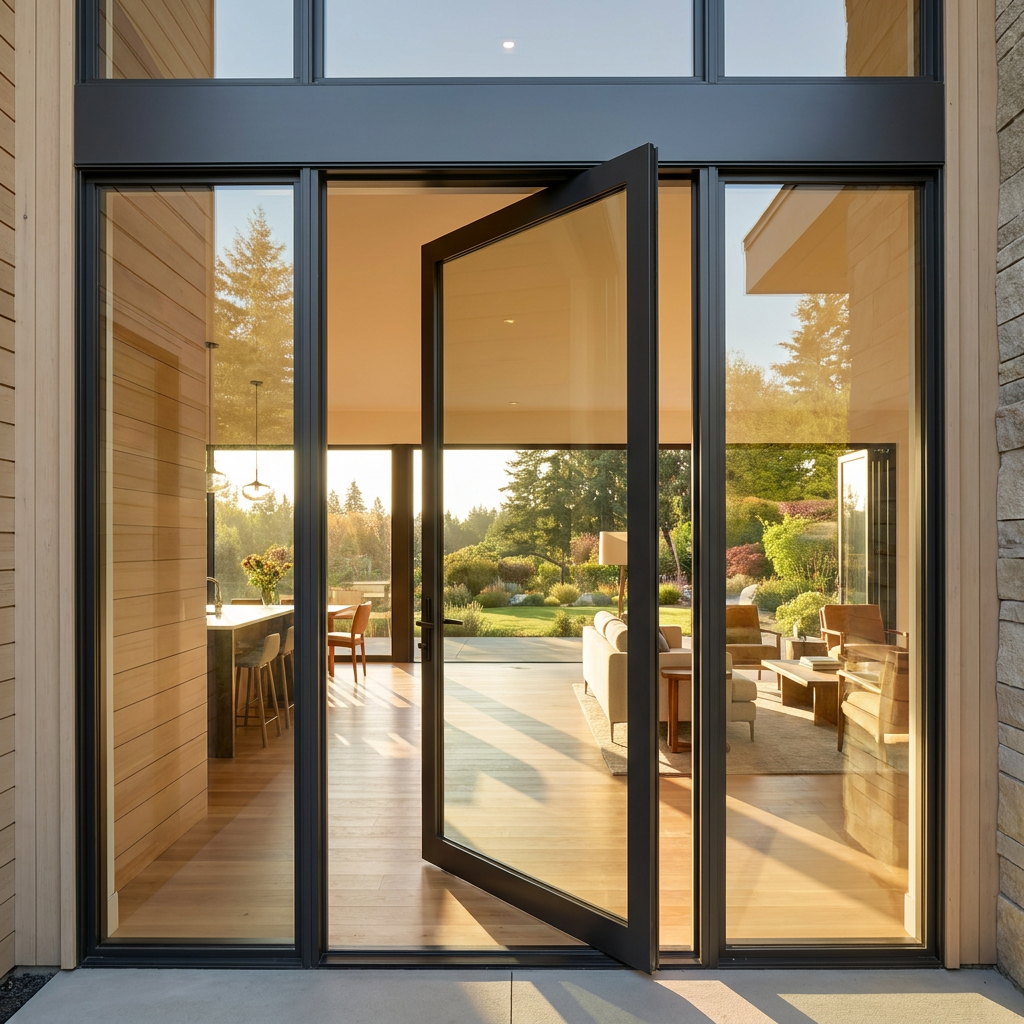
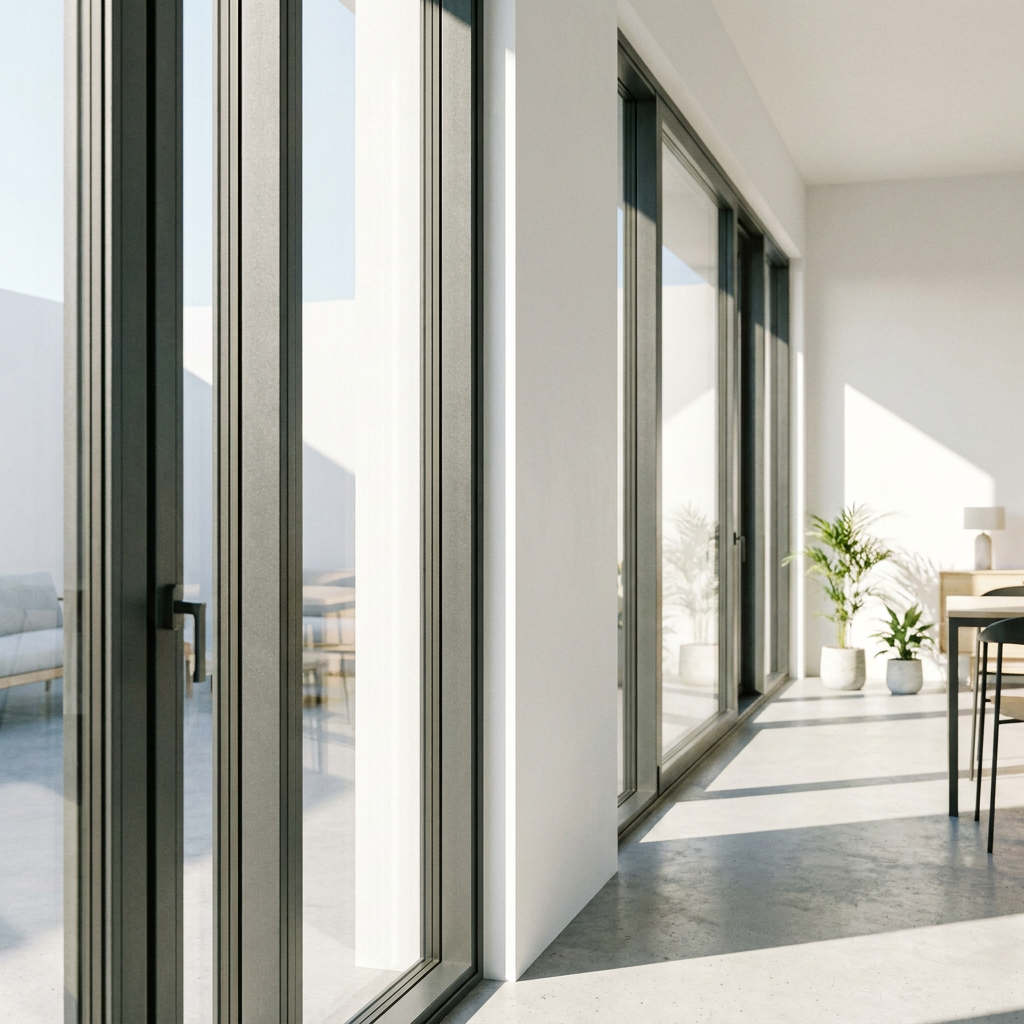
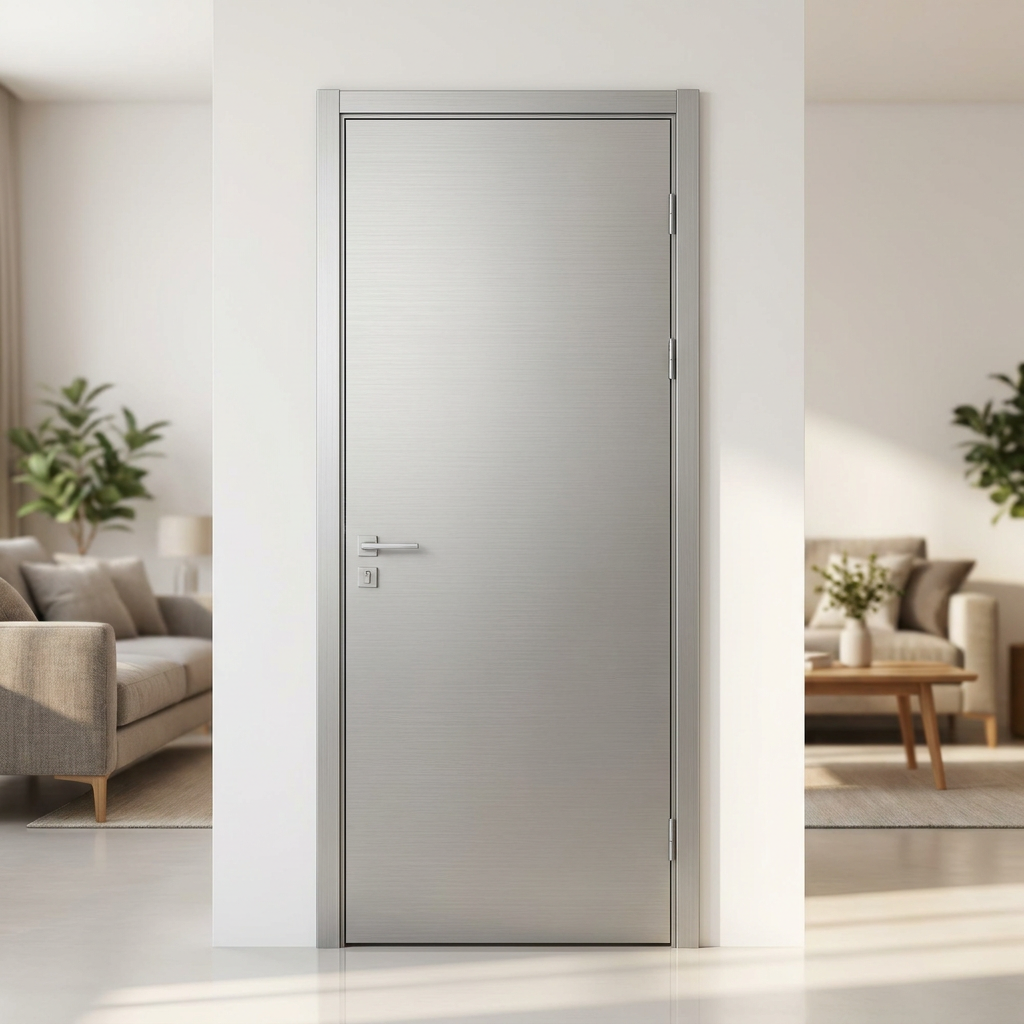

For quality control and safety teams, aluminum profiles for doors and windows are not just a frame material choice. Finish quality affects how long the profile keeps its appearance, how well it resists corrosion and wear, and how much maintenance the project will need after installation. In practice, many complaints that look like “material failure” are actually finish problems: uneven coating, weak pretreatment, poor edge coverage, or inconsistent curing.
That is why finish inspection matters as much as profile thickness or hardware selection. A clean surface today can still become a maintenance burden later if the coating system is unstable. Weihai Gensheng Trading Co., Ltd. works with aluminum casement, folding, and sliding doors, aluminum louvers, spring doors, handrails, wooden doors, and wood-aluminum window and door systems, using advanced German equipment and window software to keep production more consistent across batches.
What finish quality really controls
The finish is the profile’s first line of defense. On paper, two aluminum profiles may look similar, but their behavior in use can be very different. A good finish helps the surface resist oxidation, moisture intrusion, UV fading, abrasion from cleaning, and minor impact during handling or daily use. A weak finish often shows problems early at corners, cut edges, screw holes, and drainage zones.
For QC teams, the useful question is not “Does it look smooth?” but “Will this surface stay stable under normal service conditions?” That means checking coating adhesion, color consistency, gloss uniformity, film thickness, and pretreatment quality together. A profile with a beautiful color but poor pretreatment may pass visual inspection and still fail in service.
Why durability and maintenance are tied to the same issue
Durability and maintenance are usually discussed separately, but finish quality links them. If the finish is stable, the profile needs fewer touch-ups, less aggressive cleaning, and fewer replacements caused by surface breakdown. If the finish is weak, maintenance becomes reactive: repair the scratches, clean stains more often, and replace parts sooner than planned.
This is especially relevant for doors and windows exposed to sun, rain, salt air, or frequent human contact. In those settings, the surface is not cosmetic. It is part of the performance system. For safety managers, that matters because degraded finishes can hide early corrosion around joints or fasteners, which is exactly where inspection should be most careful.
What to check during quality control
There is no shortcut here. If a supplier cannot explain the finish process clearly, the risk is already higher than it should be.
Start with pretreatment. Degreasing, cleaning, and conversion treatment need to be consistent, or the coating will not bond properly. Then check whether the curing process is controlled. Uneven curing is one of the reasons some profiles age faster even when they came from the same production line.
After that, look at the parts that are easiest to miss: edges, corners, drilled areas, and hidden faces. A profile can look fine on the visible side and still show thin coating at the back or inside the groove. That kind of defect is important because water and dirt tend to collect exactly there.
For projects that need stronger visual and environmental control, some buyers also compare aluminum alloy systems with options such as insulated sectional garage doors, where the surface treatment, hardware, and structure have to work together. A product like China Factory Custom Remote Control Automatic Garage Door Modern Overhead Insulated Sectional Black Color Aluminum Garage Doors is a good reminder that finish is only one part of the full durability picture; coating, frame design, and operating hardware all affect service life.
Common mistakes that create avoidable risk
One common mistake is judging finish only by color. Another is assuming anodized and powder-coated surfaces behave the same in all environments. They do not. Selection depends on exposure level, cleaning habits, appearance expectations, and maintenance access.
Another error is accepting samples that look good while ignoring production consistency. A single perfect sample tells you very little if the batch control is weak. QC should ask for repeatability across multiple pieces, not just one display sample.
Safety teams also need to watch for a simple blind spot: maintenance plans that assume the finish will “self-protect.” It will not. Even a good finish still needs proper cleaning methods, compatible detergents, and periodic inspection of joints and damaged areas.
How to make a practical buying decision
If you are evaluating aluminum profiles for doors and windows, treat finish quality as a system issue, not a surface issue. Ask what pretreatment was used, how coating thickness is controlled, what curing records are kept, and how edge coverage is verified. If the supplier also produces related products such as aluminum louvers or wood-aluminum window and door systems, that can be useful, but only if the finish standards are documented rather than implied.
For projects with higher exposure or tighter safety expectations, request samples after cutting or drilling, not only before fabrication. That is where poor finish systems reveal themselves fastest. And if a supplier emphasizes modern equipment, skilled operators, and detailed craftsmanship, confirm that those claims show up in measurable inspection points. Equipment helps, but process control is what protects the finish over time.
In the end, aluminum profiles for doors and windows perform well only when the surface finish is stable enough to survive real use. That is what reduces maintenance, supports safety, and keeps the product acceptable after installation, not just at delivery.
Leave A Reply
Need More Details?
Contact me for details on creating and managing design projects, project features, and services and prices