


Categories List
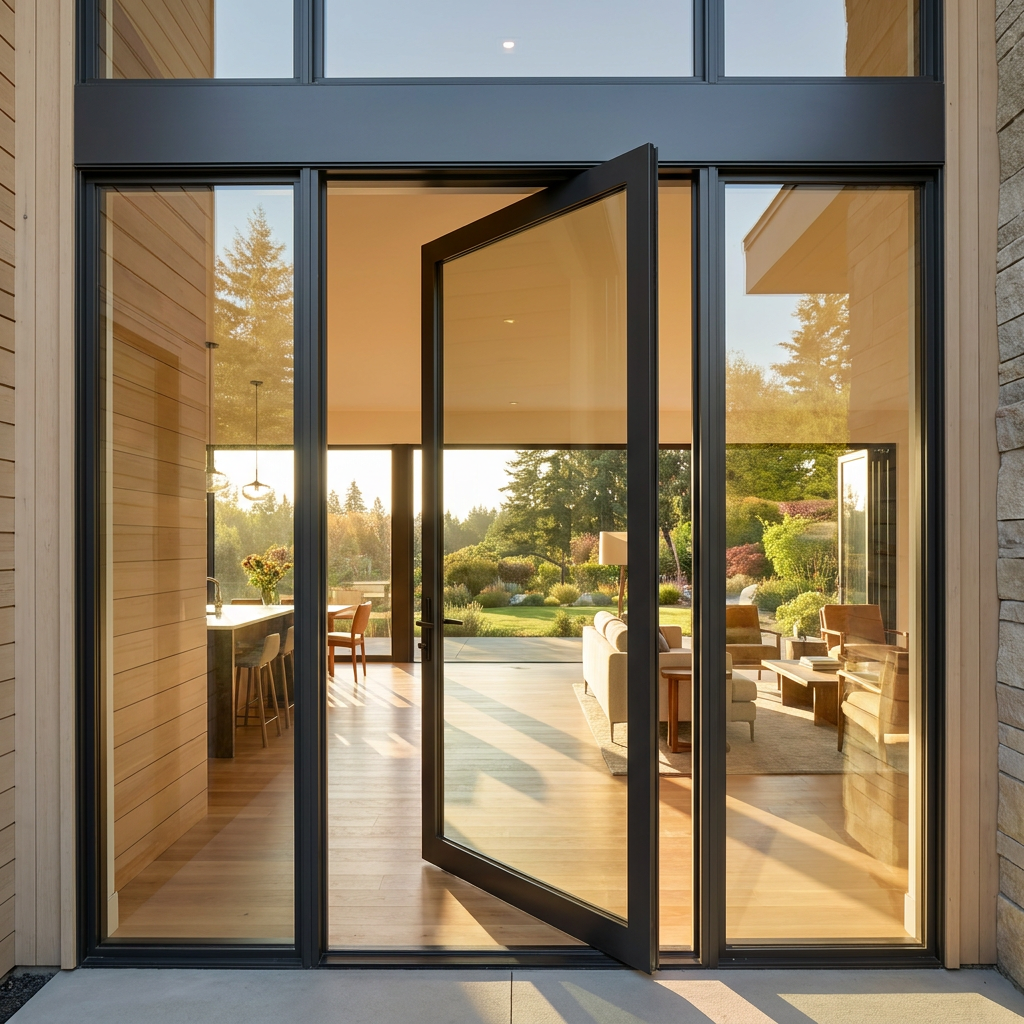
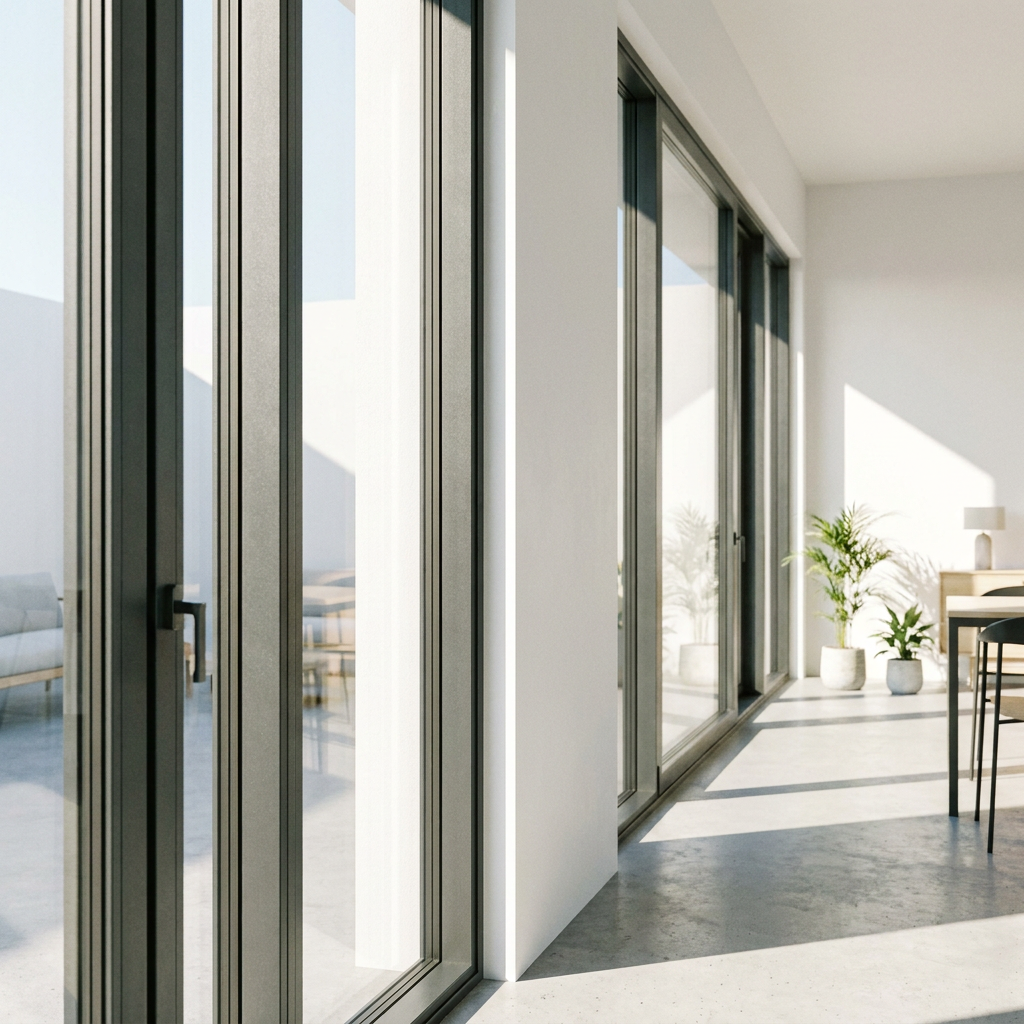
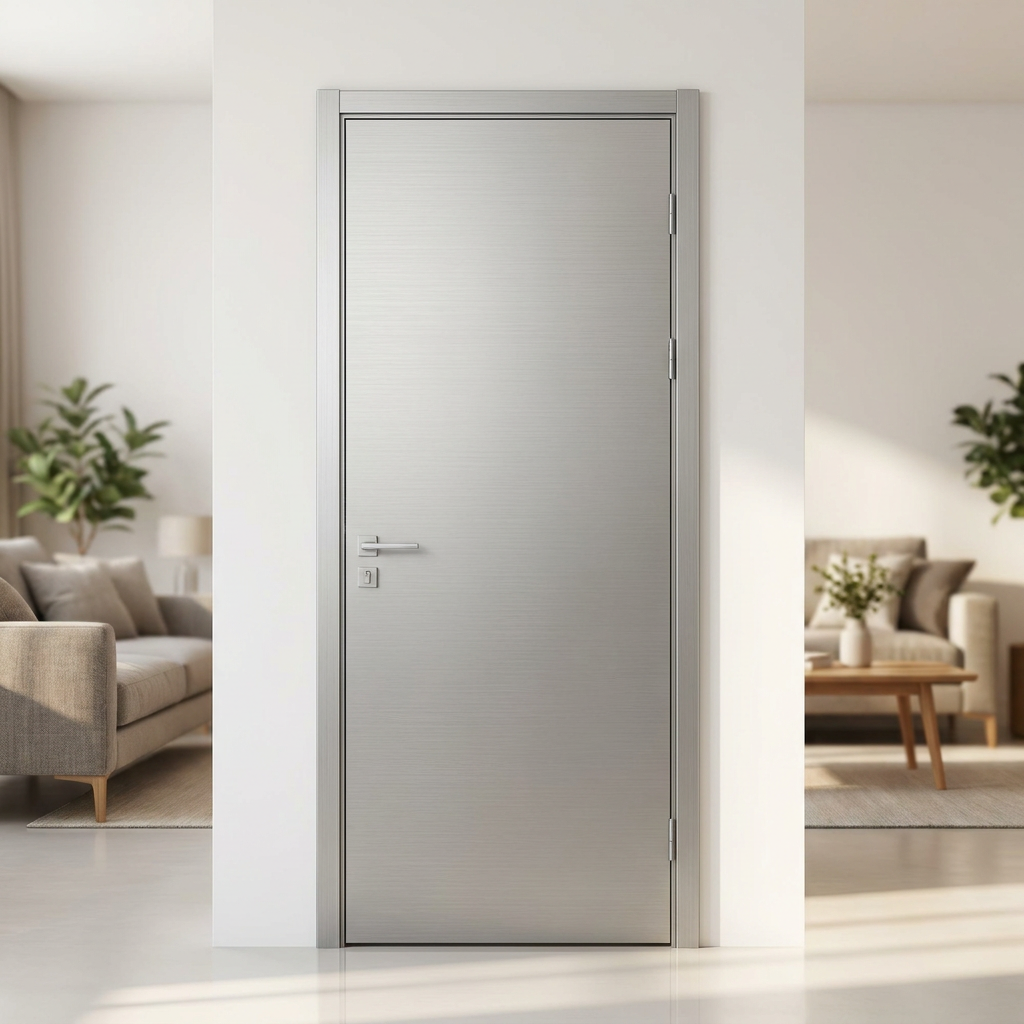
A low bid for Aluminum Folding Doors can look attractive on an approval sheet, especially when the opening is large and the door system represents a visible portion of the renovation or construction budget. The problem often appears later: higher heating or cooling demand near the opening, difficult panel operation, recurring hardware adjustments, water ingress after severe weather, or an earlier-than-expected replacement decision.
The practical purchasing rule is simple: evaluate the installed, operating, maintenance, and replacement cost over the expected service life—not the product price alone. A more expensive folding door may cost less to own when its frame, glazing, seals, hardware, installation method, and serviceability reduce ongoing risk. Conversely, a low initial price can become costly if performance claims are unclear or critical components cannot be repaired economically.
Start with a lifecycle cost boundary
Before comparing quotations, decide which costs belong in the evaluation. A door package is not only the panels and frame. It is a building-envelope component, a moving mechanical system, and a finished architectural element. Omitting any one of those roles can distort the decision.
A useful lifecycle-cost view includes:
- Acquisition cost: door system, glazing, finishes, handles, locking options, screens where applicable, freight, taxes, and site handling.
- Installation cost: opening preparation, structural support, flashings, sealing materials, labor, lifting equipment, trim work, and commissioning.
- Energy-related cost: heat gain, heat loss, air leakage, solar exposure, and the effect of door performance on comfort complaints or HVAC load.
- Maintenance cost: cleaning, track care, adjustment, replacement seals, rollers, locks, hinges, and periodic inspection.
- Failure and disruption cost: emergency repairs, water-damage remediation, temporary security measures, delayed occupancy, or restricted use of the opening.
- Replacement and residual value: expected useful life, likelihood of component availability, removal cost, and whether the system remains acceptable to future occupants or buyers.
Not every project needs a complex financial model. The key is to avoid comparing an all-in cost for one quotation with a product-only price for another. Ask each supplier to clarify what is included, excluded, optional, and dependent on site conditions.
Where the “cheap door” calculation usually breaks down
Aluminum is durable, but an aluminum folding door is only as dependable as its complete assembly. Large movable panels place repeated loads on rollers, hinges, guides, locking points, and the frame connection. A system that looks similar in a brochure can behave very differently after frequent opening cycles, temperature changes, wind pressure, or exposure to rain and airborne dust.
Thermal performance is not just a glazing question
Procurement reviews sometimes focus on glass type while treating the aluminum frame as secondary. That can be misleading. The frame, thermal break design, edge zones around the glazing, perimeter seals, and installation joint all influence heat transfer and condensation risk. In a conditioned room, poor edge performance may create cold or hot surfaces close to the door even when the glass specification appears adequate.
Request the quoted configuration rather than a generic product claim. Confirm the glazing build-up, spacer arrangement if relevant, frame construction, seal layout, and the conditions under which stated thermal values apply. A nominal value for a different glass thickness, panel size, or configuration should not be used to forecast operating cost.
Air and water management can create unbudgeted repairs
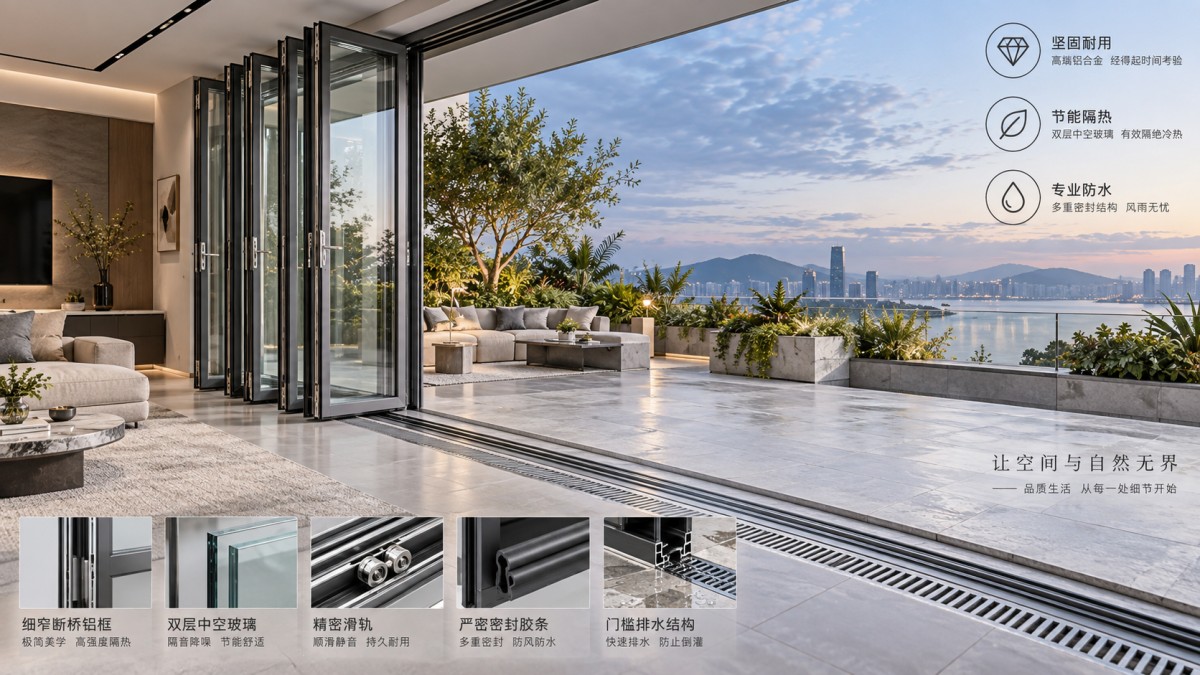
Folding systems have more panel joints than a fixed window and often more than a conventional single-leaf door. Every joint must close consistently. Small alignment problems may first show up as drafts, noise, rattling, or difficult locking. In exposed locations, they can become water-management concerns.
The lowest price may exclude appropriate sill flashing, drainage provisions, compatible sealants, or preparation of an uneven opening. These are not decorative extras. They affect whether water is directed outward and whether the frame remains stable enough for panels to operate correctly. Include responsibility for these details in the scope rather than assuming the installer will resolve them later.
Compare quotations using the same operating assumptions
A practical comparison table helps separate material differences from missing scope. It also makes approval discussions more productive because the team can identify which assumptions are driving the cost gap.
Use a consistent assumed service period for each option. Then record annual or periodic maintenance as a separate line item instead of hiding it in a contingency allowance. This approach does not require predicting every repair. It does require identifying which system is easier to inspect, adjust, and restore when normal wear occurs.
Installation quality deserves its own cost review
Even well-specified Aluminum Folding Doors can underperform when the opening is out of square, the sill lacks continuous support, or panel alignment is completed without adequate final testing. Because folding panels work as a linked set, a minor installation error can transfer stress across the system. The result may be uneven gaps, difficult locking, premature roller wear, or repeated call-backs.
Before purchase approval, require a clear sequence for site measurement, opening acceptance, installation, adjustment, and handover. The final check should include full opening and closing movement, locking engagement, visible seal contact, drainage-path clearance, and confirmation that the frame has not been distorted by fixing. Where the door is exposed to driving rain or strong wind, the surrounding wall interface should receive the same attention as the door itself.
Installation cost should also account for access. A wide glazed folding system may need specialized handling during delivery and fitting. Saving money by reducing handling resources can increase the likelihood of glass damage, frame damage, or rushed alignment work.
Look beyond the exterior opening when budgeting a renovation
Door procurement is sometimes bundled into a broader interior upgrade. In that situation, cost control improves when each opening is assigned to its actual performance requirement. Exterior folding doors may require weather resistance, thermal control, secure locking, and heavy-duty movement. Interior room doors are judged more by privacy, sound control, finish coordination, moisture exposure, and everyday durability.
For interior openings where those requirements are appropriate, a separate product such as Modern Wooden Interior Room Door with Elegant Design may be evaluated on its own specification rather than treated as a substitute for an exterior folding system. Its stated options include timber-based construction choices, sound and heat insulation functions, damp resistance, and customized designs. Keeping interior and exterior door budgets distinct prevents an inaccurate like-for-like comparison.
Questions that reveal lifecycle risk before an order is placed
Ask for answers in writing, tied to the actual configuration being quoted. Broad statements such as “high quality hardware” or “energy-saving glass” do not provide enough information for a lifecycle-cost decision.
- Which components are expected to wear first, and can they be replaced without removing the full frame or glass panels?
- What routine maintenance is required to keep tracks, drainage paths, seals, and moving parts functional?
- What site tolerances must be met before installation begins?
- How is water managed at the sill, panel joints, and adjacent wall connection?
- Which glass and frame configuration is included in the quoted cost?
- What exclusions could generate change orders after measurement or installation starts?
- Who is responsible for adjustment if the door binds, leaks, or fails to lock during handover?
- Are replacement rollers, seals, handles, and locking components available for the selected system?
The lowest lifecycle-cost option is not automatically the highest specification. A lightly used, sheltered opening may not justify the same hardware or glazing package as a frequently operated door facing severe weather. The right decision comes from matching the system to exposure, operating frequency, building conditioning needs, and the realistic cost of maintaining it over time.
For approval purposes, retain the comparison record with the final order: product configuration, installation scope, maintenance responsibilities, and replacement-part assumptions. That document turns a purchase-price decision into an accountable long-term asset decision.
Leave A Reply
Need More Details?
Contact me for details on creating and managing design projects, project features, and services and prices