


NEWS
Categories List
Recent Posts
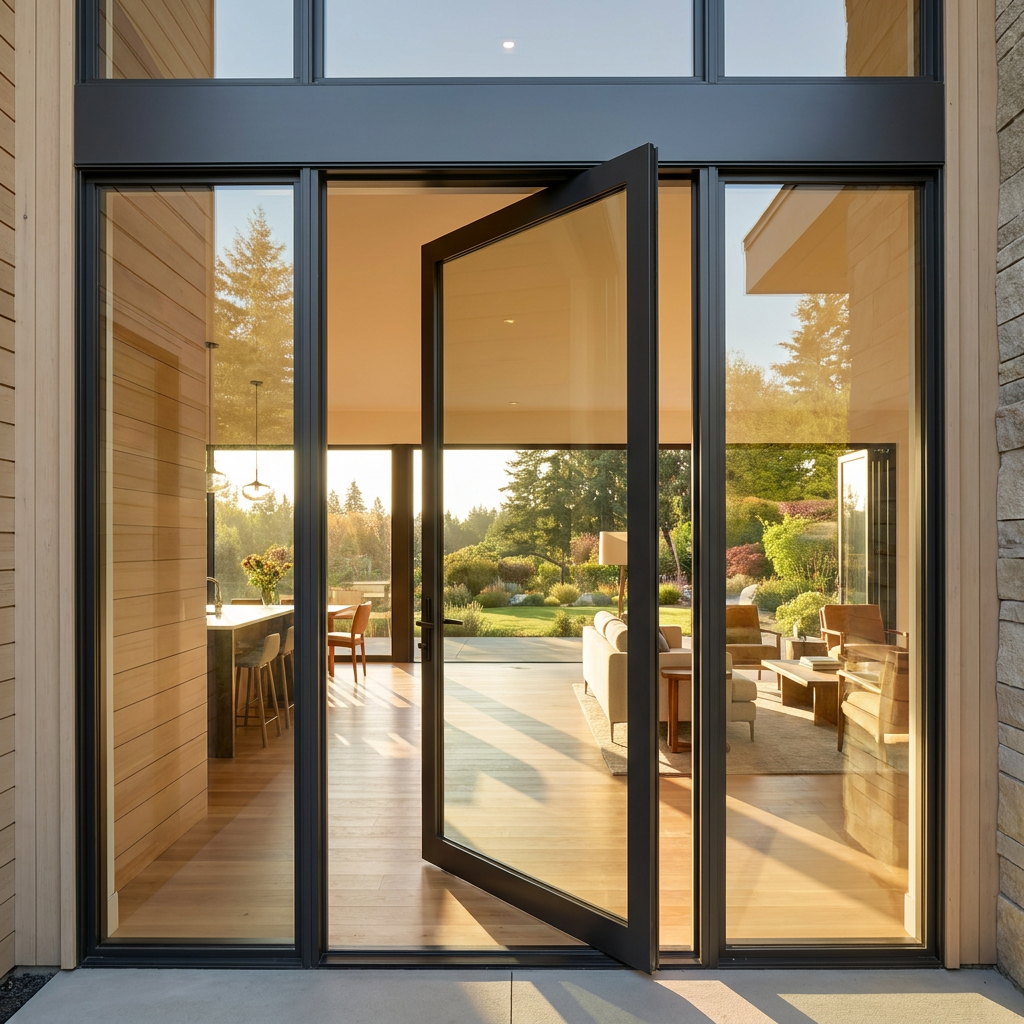
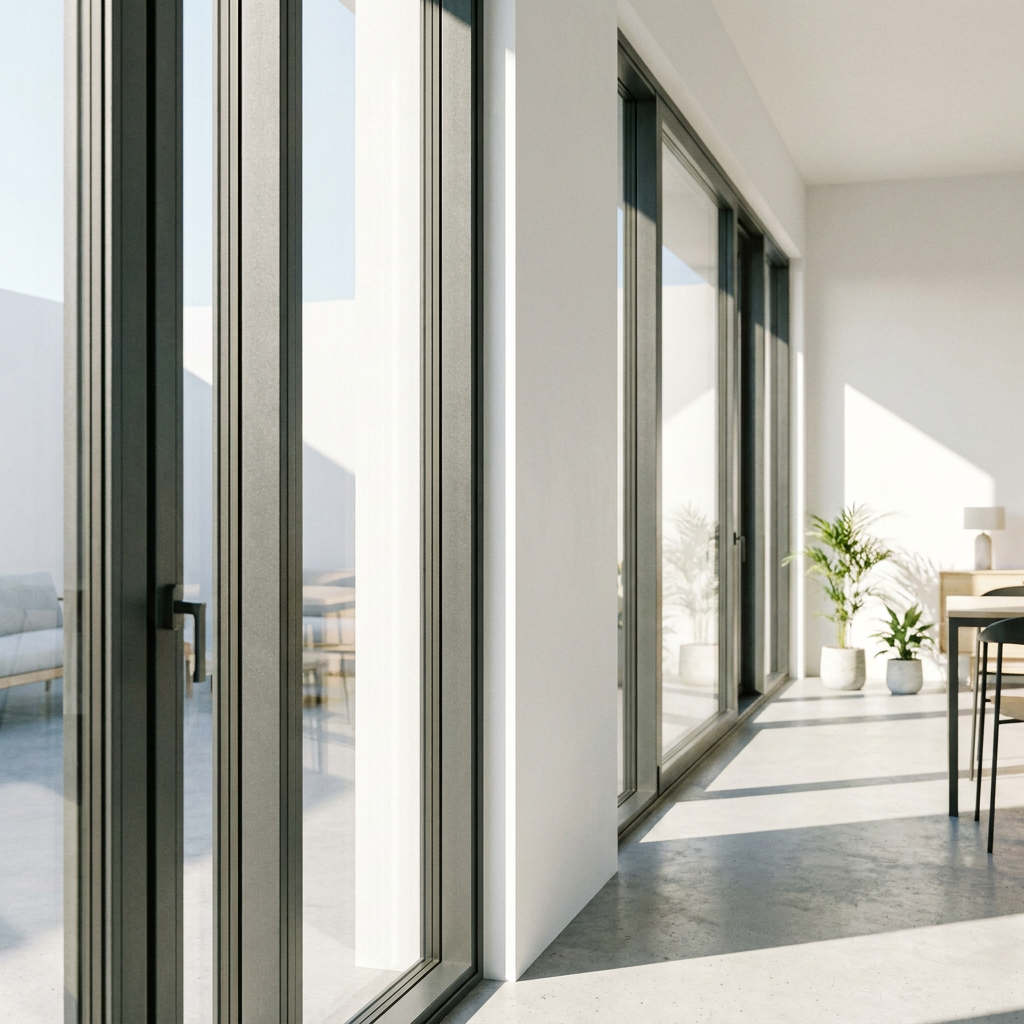
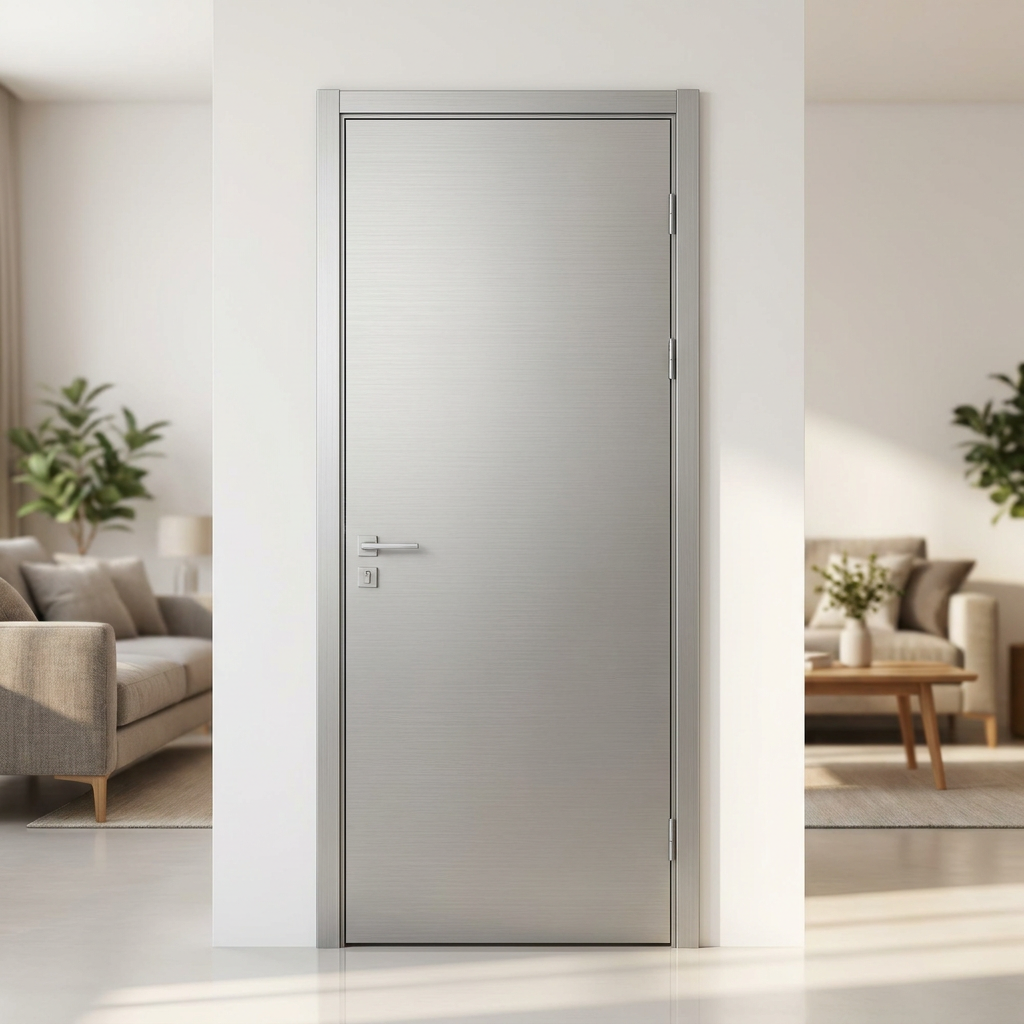

For buyers and developers tracking residential upgrades, the rise of slimmer-framed Aluminium Door Systems is not just a styling change. It reflects a broader shift in how homes are being specified: more daylight, cleaner sightlines, easier integration with open-plan layouts, and a stronger expectation that doors should contribute to the look of the building rather than disappear into it. That matters because the demand is now coming from both new builds and renovation work, where owners are willing to pay for visual lightness if performance is not sacrificed.
The practical appeal is straightforward. Narrower frames can enlarge the glazed area, which improves natural light and makes smaller rooms feel less compressed. In urban housing, compact villas, and premium apartments, that benefit is easy to understand and easy to sell. But the market is not buying appearance alone. Decision-makers still look at thermal behavior, structural stability, weather resistance, acoustic control, hardware life, and installation tolerance. The more slender the frame becomes, the more those hidden details matter.
Why the trend is accelerating
Several forces are moving in the same direction. Interior designers are pushing for more visual continuity between rooms and outdoor spaces. Homeowners are spending more time evaluating light quality and usable space. Contractors are under pressure to deliver finishes that look premium without creating maintenance headaches. In that environment, aluminium remains attractive because it offers a good balance of strength and profile control.
There is also a procurement logic behind the trend. A slimmer frame can support a higher-value positioning for a project, especially where the door is part of the perceived architecture rather than a commodity item. For developers, this can improve unit differentiation. For distributors and fabricators, it opens room for customization around color, opening style, glass configuration, and matching interior elements. The commercial opportunity is real, but only if suppliers can hold dimensions, finish quality, and delivery consistency.
What buyers are really evaluating
When corporate buyers look at market demand, they should separate the visible trend from the technical proof. A slim frame is easy to specify on a render, but the real decision usually comes down to five checks:
- Does the profile maintain rigidity at the required span?
- Can it meet the thermal and weather performance expected in the target climate?
- Will the hardware and seals remain serviceable after repeated use?
- Is the installation team trained for tighter tolerances?
- Can the supplier keep finish and color consistency across batches?
Those questions are especially important in premium housing, multi-unit projects, and renovation work where site conditions vary. A product that looks clean in the showroom can still create problems if the frame depth, threshold detail, or sealing method is not suited to the building envelope. Slimmer design does not forgive sloppy manufacturing.
Where the opportunity is strongest
The strongest demand is likely to come from projects that need a modern, orderly visual language: high-end apartments, villas, hospitality-style residences, and interiors that blend open living areas with controlled privacy. In these settings, aluminium doors can support larger openings while keeping the profile visually restrained. They are also a natural fit where maintenance expectations are high and the buyer wants a material that does not feel overly delicate.
That said, not every home segment is equally ready for the trend. In cost-sensitive mass housing, the market still tends to value durability and price more than minimal frame widths. In colder or harsher climates, buyers may accept a slightly heavier profile if it better supports insulation or weather sealing. The winning offer is therefore not the thinnest frame on paper, but the best match between appearance, climate, and lifecycle cost.
What this means for suppliers
For manufacturers and trading companies, the shift creates a clear message: design capability now needs to sit alongside production discipline. Tooling, cutting accuracy, corner strength, coating consistency, and installation precision all become part of the sales story. Buyers increasingly expect customization, but they also want repeatability. That is where process strength becomes commercial strength.
Weihai Gensheng Trading Co., Ltd. is positioned in this direction with aluminium casement, folding, and sliding door solutions, plus wood-aluminium systems, made with advanced German equipment and window software. The point is not the equipment alone; it is the ability to translate a design trend into stable output. For decision-makers, that matters more than a decorative specification sheet.
The same logic also explains why adjacent interior products are being pulled into the conversation. A project team that selects slimmer exterior or partition systems often wants interior elements that support the same standard of finish, sound control, and customization. In mixed residential and hospitality projects, a solution such as Wooden Waterproof WPC Wood Door Interior Room Door Bedroom Solid Wooden Door Soundproof Home Hotel Apartment Office Construction Project may be evaluated alongside aluminium systems when the brief includes moisture resistance, acoustic comfort, and consistent appearance across rooms. That does not mean the products are interchangeable. It does mean buyers are increasingly building door packages as a system, not as isolated line items.
Risks that are easy to miss
One common mistake is assuming that slimmer always means better. In reality, overly aggressive minimization can create weak points in structural performance, weather sealing, or hardware mounting. Another mistake is treating visual samples as proof of production quality. In this category, the sample may be excellent while mass output drifts if process control is poor.
There is also a commercial risk in underestimating after-sales expectations. When doors are sold into homes, apartments, hotels, or office interiors, the buyer often cares less about initial specification than about what happens after delivery: adjustment, replacement parts, finish touch-ups, and warranty handling. Suppliers that cannot support those issues may still win a quotation and lose the account later.
What to watch next
The next phase of demand will likely favor suppliers who can combine slimmer visual profiles with verified performance claims, more flexible sizing, and cleaner project coordination. For B2B buyers, the right question is not whether Aluminium Door Systems are fashionable. It is whether the supplier can deliver a profile that looks refined, performs under site conditions, and fits the project’s long-term maintenance profile.
That is why this trend is worth watching now. It is not a short-lived aesthetic impulse. It is a buying standard becoming more explicit, and once that happens, suppliers either adapt their production and specification discipline, or they get pushed toward lower-margin work.
Leave A Reply
Need More Details?
Contact me for details on creating and managing design projects, project features, and services and prices