


NEWS
Categories List
Recent Posts


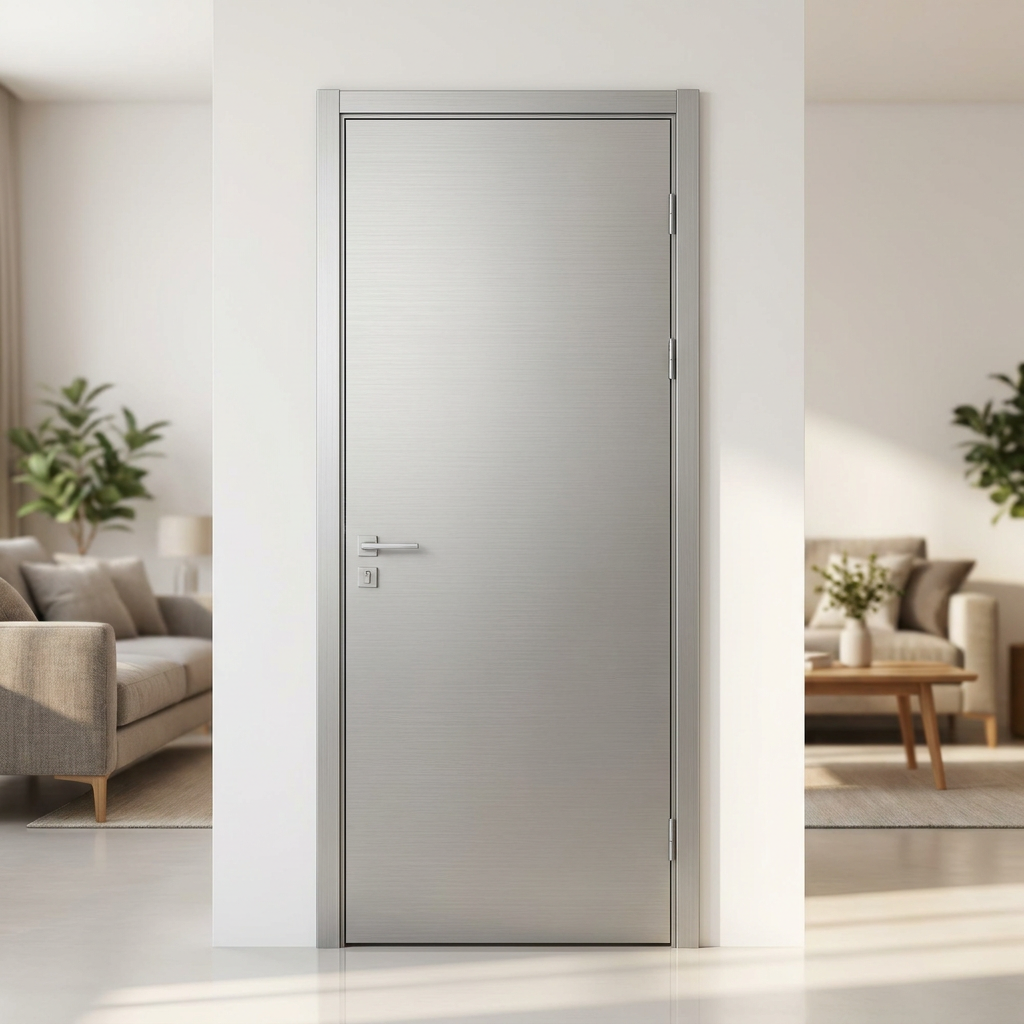

Salt air does not need to be visible to damage Aluminium Doors. In coastal homes, chloride deposits settle on frames, tracks, hinges, locks, and fixings every day. Add moisture, sand, and frequent wind pressure, and a door that looked sound at installation can begin to bind, stain, leak, or fail at the hardware within a relatively short period.
The practical answer is not simply to “use aluminium.” Aluminium is a sensible material for coastal openings, but its performance depends on the surface finish, the compatibility of adjacent metals, the condition of seals and drainage paths, and a maintenance routine that removes salt before it remains wet in crevices. When a complaint arrives, the fastest route to a reliable repair is to identify whether the issue began with contamination, water retention, mechanical wear, poor adjustment, or an unsuitable replacement part.
Why Coastal Aluminium Doors Fail Differently
Aluminium naturally forms a thin oxide layer that offers some protection. That does not mean every aluminium frame is immune to corrosion. Salt-laden moisture can sit in corners, around screw heads, beneath gaskets, inside sliding tracks, and at joints where different materials meet. If the protective coating is scratched, poorly maintained, or constantly wet, pitting and cosmetic corrosion can develop.
Hardware often shows the first serious symptoms. A lock may feel rough long before the frame shows visible damage. Sliding rollers can seize because salt crystals and fine sand have turned the track into an abrasive surface. Hinges may become stiff, while fasteners can corrode and leave rust staining on an otherwise intact frame. In severe cases, corrosion between dissimilar metals creates galvanic action: one metal becomes more vulnerable because it is in electrical contact with another metal in the presence of an electrolyte, in this case salty water.
That distinction matters during diagnosis. Replacing a rusty screw without checking water entry, coating damage, and material compatibility can turn a recurring callback into a permanent maintenance cycle.
A useful field rule is this: clean deposits first, inspect the dried surface second, and only then decide whether a part needs adjustment, treatment, or replacement. Salt residue can make harmless staining look like deep corrosion. Conversely, oily dirt can hide coating blisters and pitting that need attention.
A Coastal Inspection Routine for Aluminium Doors
Start outside, particularly on elevations facing prevailing sea winds. Door systems in sheltered courtyards often age very differently from doors exposed to open waterfront conditions, even within the same property. Look at the lower corners, meeting stiles, sill ends, track cavities, handle plates, hinge leaves, and glazing edges before focusing on the most obvious complaint.
For a sliding door, open and close it slowly. Listen for a gritty scrape, a repetitive click, or a change in resistance near one end of travel. Check whether the sash remains level and whether the lock engages without lifting, pushing, or twisting the panel. A door that needs force to lock may have worn rollers, a shifted keeper, debris in the track, or frame movement. Lubricant alone will not correct an alignment issue.
For hinged or casement-style doors, support the leaf slightly while testing the hinges. Vertical play, rubbing at the threshold, uneven reveal gaps, or a latch that only catches when the door is pushed are useful clues. Check fasteners carefully. Rust-colored streaks generally point to steel hardware or fixings, not aluminium corrosion, but the source should be corrected before the frame finish is cleaned.

Keep the inspection record simple but complete: exposure side, visible deposits, finish condition, hardware condition, drain-hole status, seal condition, operational symptoms, and parts replaced. Clear photographs before cleaning and after cleaning are especially useful where a warranty decision depends on separating environmental neglect from a product fault.
Cleaning Is Protection, Not Just Appearance
The most common mistake is waiting until the frame looks dirty. Coastal cleaning should remove salt film before it has time to remain damp in joints and hardware recesses. The appropriate frequency depends on exposure. A protected balcony door may only need a regular scheduled wash, while an opening near breaking surf, a marina, or a windy beachfront can need attention much more often. Local conditions should set the interval.
Use clean water and a mild, pH-neutral detergent. Wipe with a soft cloth or non-abrasive sponge, rinse thoroughly, and dry areas where water collects. Tracks deserve extra attention: vacuum or brush out sand first, then rinse lightly and dry the drainage path. Flooding a track with water without confirming that the weep holes are clear can send water indoors or leave it standing under the sash.
Avoid steel wool, aggressive scouring pads, strong alkaline cleaners, brick-cleaning acids, and chlorine-based products. These can scratch, dull, or chemically attack coated surfaces and may leave residues that worsen future staining. The same caution applies to unapproved solvents around powder coating, sealants, and painted finishes. When there is doubt, test a concealed area and follow the coating supplier’s cleaning guidance.
Hardware Needs Its Own Service Plan
Frames can survive years of exposure while a neglected lock or roller becomes the point of failure. Treat hardware as a separate system with separate inspection points.
- Hinges: Remove salt deposits around knuckles and leaves, check fastener tightness, then use only a lubricant approved for the hinge material and manufacturer. Excessive oil attracts grit.
- Locks and cylinders: Do not soak cylinders with general-purpose oil. Use an appropriate lock lubricant, test the key operation, and confirm that the latch engages without forcing the handle.
- Sliding rollers: Clean the track before adjusting roller height. If a roller has flat spots, corrosion, bearing roughness, or a cracked housing, replacement is usually more dependable than repeated adjustment.
- Handles and keepers: Check for looseness, coating damage, and contact wear. A loose handle often becomes a water-entry point around its fixing holes.
- Fasteners: Match replacements to the hardware manufacturer’s recommendation and coastal exposure requirements. Do not mix metals casually or substitute a visually similar screw without considering corrosion compatibility.
Silicone spray is often used as a quick fix on tracks and seals. It can help in limited cases, but it is not a cure for contaminated rollers, distorted brush seals, blocked drainage, or a misaligned panel. A door that becomes smooth only for a few days after spraying is telling you that the underlying cause remains.
Drainage, Seals, and the Water You Cannot See
Many coastal door problems begin below the visible surface. Sills and sliding tracks are designed to manage incidental water, but they cannot drain correctly when weep holes are blocked by sand, paint, insects, sealant, or cleaning residue. Check every drainage opening from both sides where possible. Clear it gently with a non-damaging tool; avoid enlarging holes or puncturing concealed internal baffles.
EPDM gaskets, brush seals, and silicone joints are also working parts. Look for shrinkage at corners, splits, hardening, compression set, and gaps around glazing beads. A seal may look intact but no longer press evenly against the mating surface. That can lead to wind noise, water penetration, dust entry, and salt reaching internal hardware.
Do not seal every opening you find. This is a frequent repair error. External drainage slots, pressure-equalization paths, and designed track openings must remain functional. Before applying sealant, establish whether the gap is an unintended failure path or part of the door’s drainage design. A bead of silicone in the wrong place may appear tidy while trapping water inside the system.
When the Finish Can Be Repaired and When It Cannot
Light surface contamination, isolated scuffs, and minor staining may be manageable after careful cleaning. Small coating damage can sometimes be touched up with a compatible repair system, particularly when the base metal is sound and the area is dry. The repair should be prepared properly; painting over salt residue or loose coating only disguises the problem briefly.
Deep pitting, widespread blistering, corrosion at mechanically stressed joints, or coating loss extending beneath glazing beads requires a more cautious decision. It may be possible to repair a localized area, but the door should be assessed for structural integrity, water paths, and the likely source of repeated exposure. A cosmetic patch is not a credible repair when corrosion has already affected the interface between the frame, hardware, and seal system.
For replacement or refurbishment work, specify the finish and hardware package for the actual site, not just the homeowner’s preferred colour. Painted, powder-coated, plated, and polished surfaces do not perform identically under the same maintenance conditions. The correct selection needs confirmation from the relevant manufacturer and finish supplier for the exposure category. Avoid promising a fixed service life where the site exposure and cleaning history are unknown.
Choosing Replacement Components for Exposed Openings
Replacement work is where small compatibility decisions matter most. Record the original profile series, sash weight, glass build-up, roller size, hinge configuration, lock backset, handle spacing, and drainage layout before ordering. “Universal” parts can create a functioning door in the short term while compromising alignment, sealing pressure, or corrosion resistance later.
For internal coastal spaces such as bathrooms and kitchens, humidity combines with salt carried through open windows and doors. A sliding system with aluminium profiles, EPDM sealing options, and specified hardware can be a useful reference point when matching components and materials. The Customized Standard Bathroom Kitchen Interior Glass Windows Aluminum Frameless Interior Glass Sliding Window is configured for horizontal sliding applications and offers custom profile thickness, glazing, and sealing choices. Those options should be selected against opening size, panel weight, ventilation needs, and exposure rather than treated as a one-size-fits-all coastal specification.
Weihai Gensheng Trading Co., Ltd. supplies aluminium casement, folding, and sliding door systems alongside louvers, handrails, wooden doors, and wood-aluminium window and door products. For a repair or replacement inquiry, the most useful information to provide is the door type, measured opening, photos of the track or hinge area, glass type, failure symptoms, and whether the opening faces direct marine exposure. That gives a technical team a better basis for checking profile, hardware, and sealing compatibility.
Common Shortcuts That Create Repeat Failures
Do not use a high-pressure washer at close range around glazing seals, lock cut-outs, sliding tracks, or frame joints. It can drive salt water and debris into cavities that are difficult to dry. Do not rely on a fresh bead of sealant to compensate for a distorted sash. Do not continue tightening corroded screws until they strip or snap; assess whether the fixing has lost its holding capacity and whether the surrounding material is affected.
Another poor assumption is that all white marks are corrosion. On coastal doors, they may be dried salt, mineral residue, oxidation, cleaner residue, or coating degradation. Cleaning and inspection under good light should come before conclusions. The opposite error is equally costly: ignoring small bubbles or rust staining because the door still operates. Early corrective work is usually simpler than extracting seized hardware after it fails completely.
FAQ
How often should coastal door hardware be serviced?
Use the site exposure as the guide. Doors exposed to direct salt spray and wind-driven sand need closer, more frequent checks than sheltered openings. Service after major storms and whenever operation becomes rough, noisy, or difficult.
Can aluminium itself rust?
Aluminium does not form red iron rust, but it can oxidize, pit, and corrode under harsh conditions. Red-brown staining usually indicates steel hardware, fasteners, or nearby ferrous contamination.
Why does a sliding door still drag after the track has been cleaned?
Cleaning removes one cause only. Inspect roller bearings, wheel wear, sash alignment, track damage, and panel weight. A contaminated or worn roller may need replacement rather than further lubrication.
Should blocked weep holes be sealed to stop drafts?
No. Drainage and pressure-equalization openings are intentional. Investigate the source of the draft through seals, sash adjustment, glazing, or installation details without blocking the water-management route.
Well-maintained Aluminium Doors can remain dependable in coastal homes, but they need a routine built around removing salt, keeping drainage open, protecting the finish, and correcting hardware faults before force and water entry create larger damage. The best repair is rarely the fastest visible fix; it is the one that removes the condition causing the failure.
Leave A Reply
Need More Details?
Contact me for details on creating and managing design projects, project features, and services and prices