


NEWS
Categories List
Recent Posts
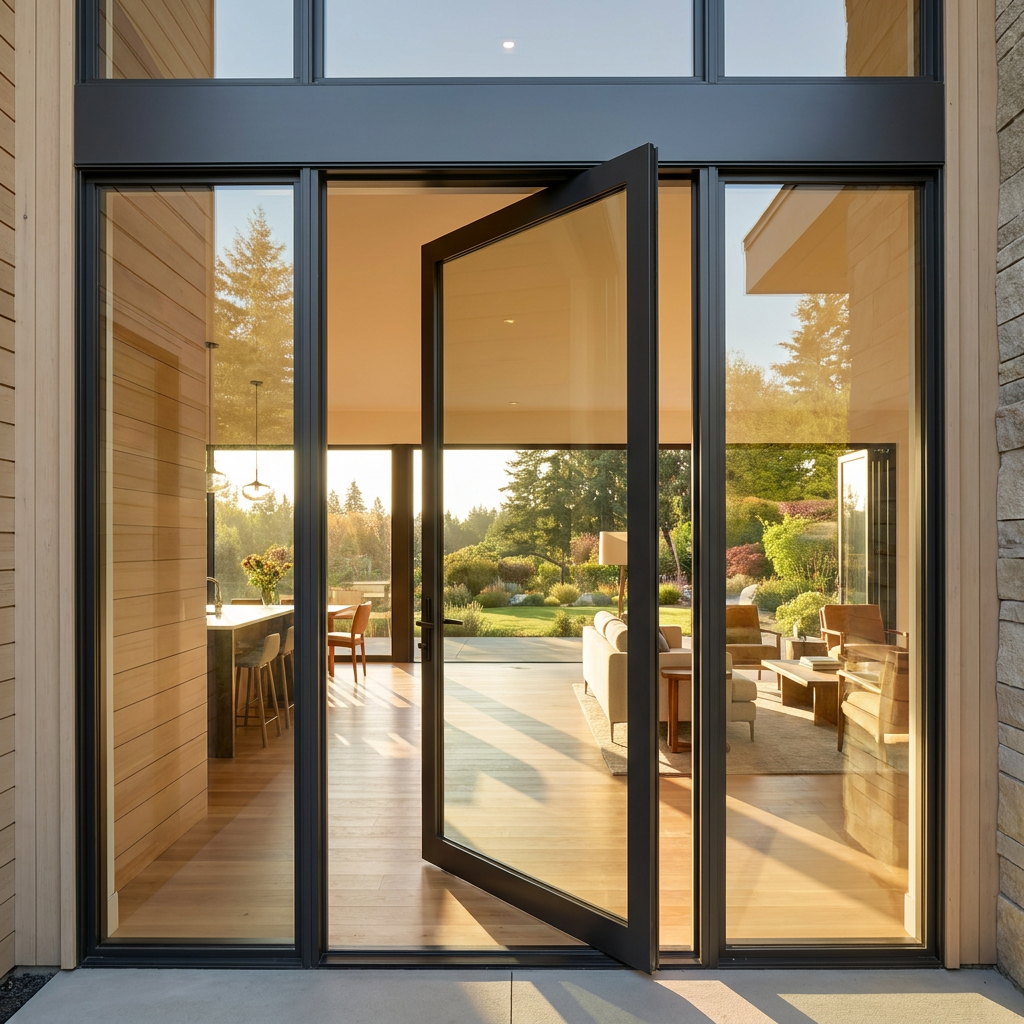
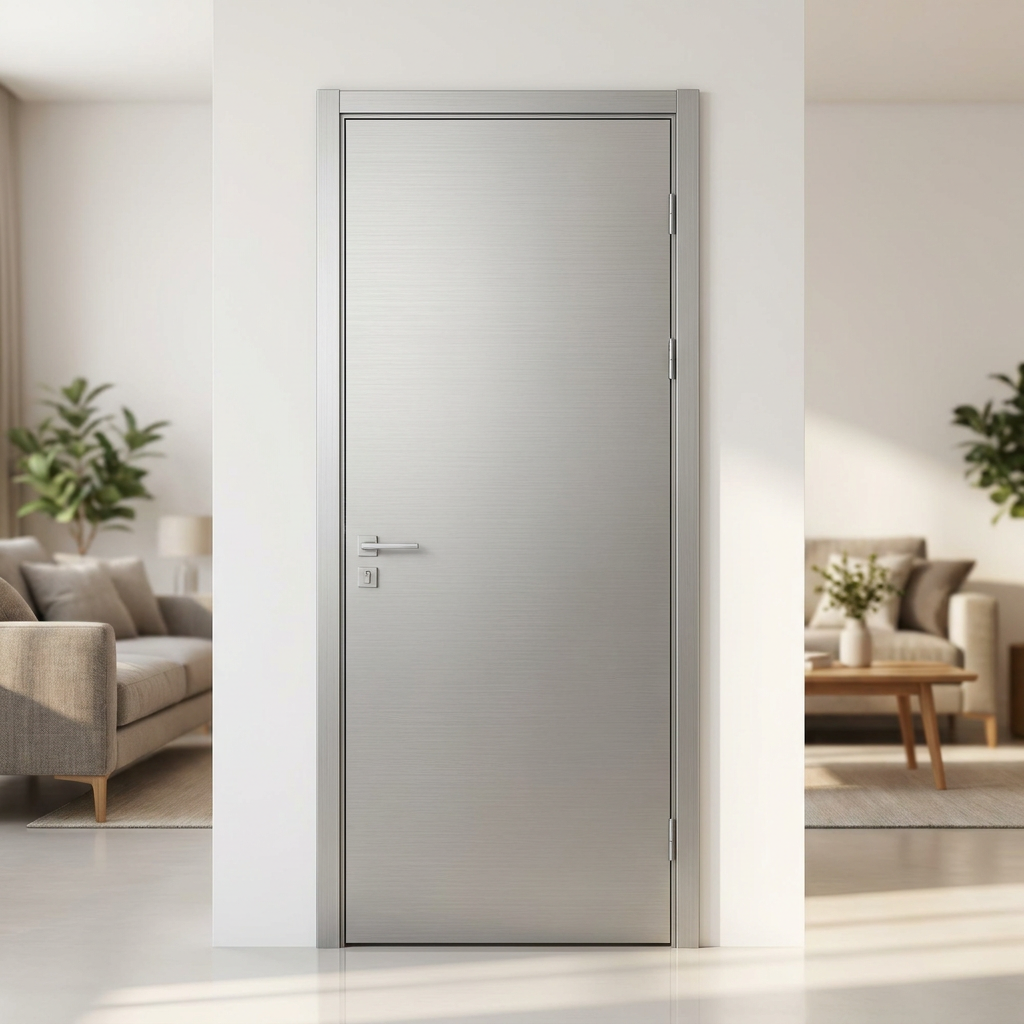

Bathroom doors fail in predictable ways. They swell at the bottom edge, the paint starts lifting near the latch side, or the panel twists just enough that it no longer closes cleanly. If you are comparing affordable PVC washroom doors with simple interior door styling against painted wood, the real question is not which one looks better on day one. It is which one still works after steam, splashes, poor ventilation, and daily wiping have had a year or two to do their work.
For most moisture-prone rooms, PVC has the easier job. Painted wood can still make sense in the right setup, but only when the room stays relatively dry and the finishing work is done properly. If you want a practical buying checklist rather than a showroom pitch, start here.
Check the room before you judge the door
A lot of buyers compare materials without looking at the bathroom itself. That usually leads to the wrong choice.
- If the bathroom has no window, weak exhaust, or family use that keeps the room humid for long stretches, lean toward PVC.
- If the shower is close to the door opening, direct splash matters as much as humidity. Painted wood struggles more here, especially along cut edges and lower rails.
- If this is a guest bathroom with light use and good airflow, painted wood stays in the conversation.
This first step matters because moisture damage is rarely caused by one dramatic leak. It is usually repeated exposure at the same weak points.
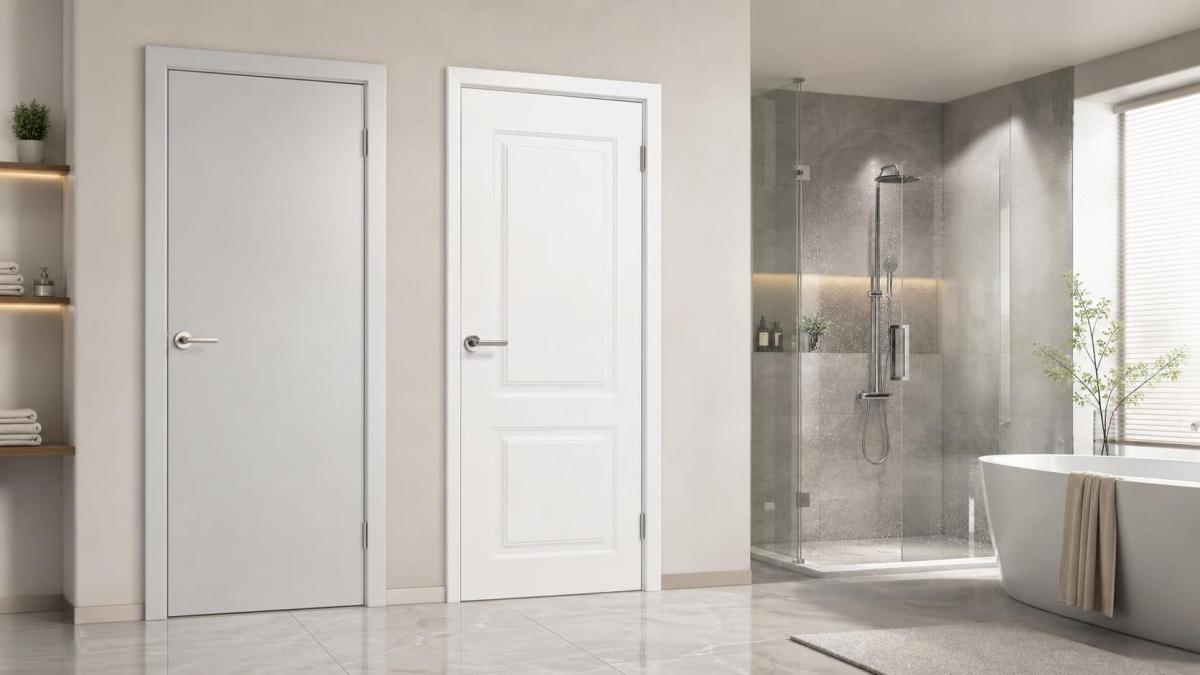
Look past the surface finish
In a store, painted wood often wins on warmth and texture. In a damp room, that visual advantage can hide a maintenance problem. Paint is only a surface barrier. Once moisture gets into an unsealed joint, drilled hole, bottom edge, or chip in the coating, the wood underneath can move. That is when sticking, cracking, and edge swelling begin.
PVC does not depend on paint to resist moisture. That is the main reason affordable PVC washroom doors with simple interior door styling have become a common practical choice for secondary bathrooms, rental units, and homes where upkeep needs to stay simple.
What to inspect on a PVC door before buying
Not every PVC door is worth buying just because the material suits the room. A cheap build still feels cheap in daily use. Check these points in person if possible:
- Panel rigidity: Press lightly on the middle area. If it flexes too easily, expect a less solid feel and more movement over time.
- Edge finishing: Seams should be clean, not rough or loosely joined.
- Hardware support: Ask what reinforcement is used around hinges and lock areas. Even a moisture-resistant panel can fail early if screw holding is poor.
- Cleaning tolerance: Bathrooms get wiped with detergents, not dusted like bedroom doors. The surface should handle routine cleaning without discoloring.
That last point gets overlooked. People focus on water resistance and forget that a bathroom door lives with soap residue, fingerprints, and frequent scrubbing.
When painted wood can still be the better choice
Painted wood is not automatically the wrong option. It just needs the room and the installation details to support it.
Choose painted wood when visual continuity matters, such as a hallway where all interior doors need to match, and the bathroom is well ventilated. In that case, check whether all six sides are finished, including the top and bottom edges. Many premature failures start because those hidden edges were left less protected than the faces.
Also pay attention to repainting reality. A painted wood door can be refreshed later, which some homeowners like. But that only helps if the substrate is still stable. Once swelling starts, repainting is cosmetic, not corrective.
Compare the long-term cost, not just the invoice
This is where many “cheap” wood doors become expensive. A replacement, repaint, planing adjustment, or new hardware installation can erase the initial savings pretty quickly.
Do not ignore the frame, hinges, and bottom gap
A good leaf installed badly still performs badly. The frame material and installation matter almost as much as the panel itself. In moisture-prone rooms, check whether the frame area is exposed to frequent mopping or splashback. Ask how the hinge side is fixed and whether the bottom clearance allows ventilation without leaving an awkward oversized gap.
The bottom edge deserves extra attention. If water regularly sits on the floor outside the shower, that edge takes the first hit. PVC handles this better. Painted wood needs much more discipline in finishing and housekeeping to avoid early deterioration.
A side note on coordinated interiors
Some homeowners worry that choosing PVC for the bathroom means the space will feel disconnected from the rest of the home. It does not have to. Simple door styling, neutral color selection, and matching trim lines usually matter more than the core material at a glance. If you are also refining sound comfort in nearby areas like corridors, studios, or bedrooms, products such as High Quality Sound Absorbing MDF Akupanel Wood Slatted Wall Acoustic Felt Panels are more relevant to wall treatment than door selection, but they show the same broader principle: choose materials by the conditions they actually live in, not by appearance alone.
The short buying sequence that avoids most mistakes
Measure the bathroom honestly first: humidity, splash exposure, ventilation, and how rough daily use will be. Then decide whether visual matching is important enough to accept more maintenance risk. After that, inspect build quality, especially hardware fixing points and edge finishing. Only then compare prices.
If the room is damp most of the time, the safer choice is usually PVC. If the bathroom stays dry, is well vented, and matching interior aesthetics are a priority, painted wood can work, but only if the finish quality is not treated as an afterthought. That is the part buyers regret most often, because it looks fine in the shop and shows its weakness only after installation.
Leave A Reply
Need More Details?
Contact me for details on creating and managing design projects, project features, and services and prices